
Photographing Women: How to Create Flattering, Natural Portraits
By Emma Finch
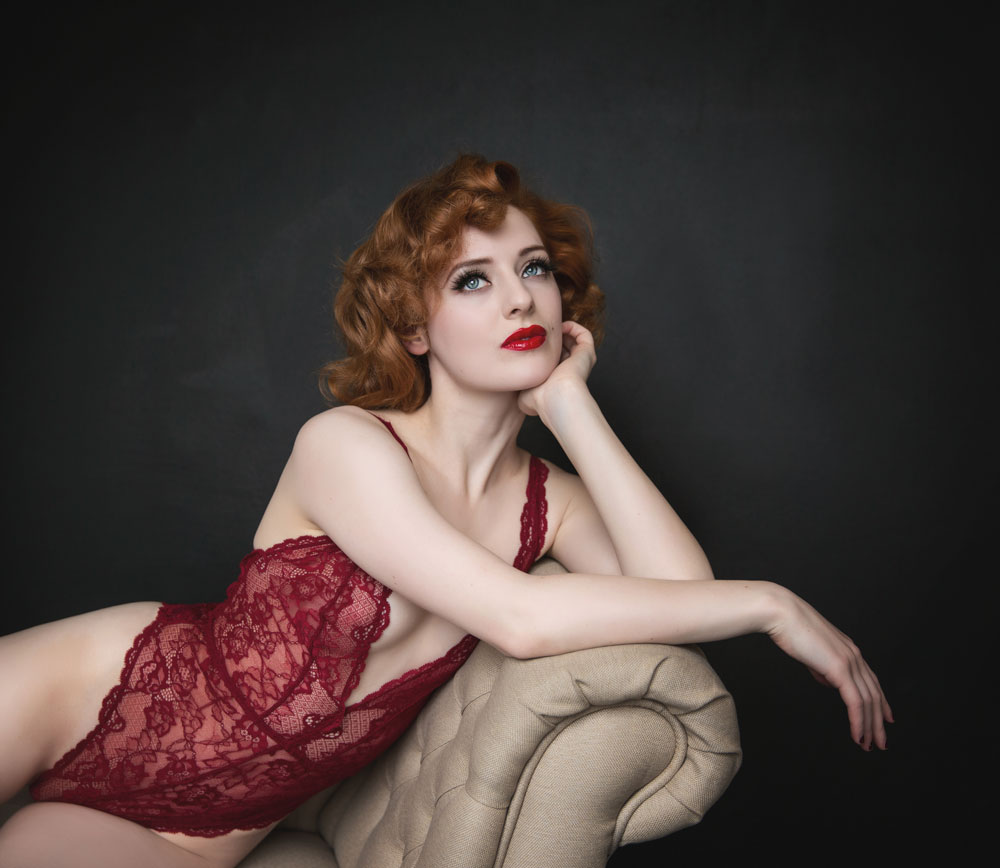
Photographing women can be incredibly rewarding, but creating a portrait that makes someone feel genuinely confident isn’t simply about having an expensive camera or knowing how to use Photoshop.
The most flattering portraits are usually created through a combination of communication, posing, lighting, composition and careful editing.
As a photographer specialising in female portraiture and boudoir photography, I’ve worked with women with a huge variety of appearances, personalities and levels of confidence in front of the camera.
One thing I’ve learned is that almost everyone has something about themselves that they would rather hide.
It might be a particular part of their face, their arms, stomach, legs or skin. Even people who appear extremely confident can arrive at a photoshoot with concerns about how they will look.
That means photographing women successfully isn’t simply about producing a technically good photograph.
It’s about understanding your subject and helping her feel comfortable enough to show her best self.
The pressure to look perfect
We’re surrounded by carefully produced images of supposedly perfect people.
Professional photographs can involve hair and make-up, carefully controlled lighting, posing, wardrobe, lenses, perspective and post-production. The finished image may look effortless, but an enormous amount of skill can go into creating it.
It’s important to remember that a photograph is an interpretation of a person, not necessarily a completely literal representation of how they look in everyday life.
As photographers, we can use that knowledge positively.
The objective shouldn’t be to create an unrealistic version of someone. Instead, aim to create an image that is flattering, authentic and recognisably them.
Great portraits start before you press the shutter
One of the biggest mistakes a portrait photographer can make is thinking that the job starts when the camera comes out.
It starts much earlier.
Your client’s experience begins when they make the booking. The way you communicate before the shoot can have a significant effect on how comfortable they feel when they arrive.
Take time to understand what they want from the session.
Ask what they like about themselves and, just as importantly, whether there are particular things they feel self-conscious about.
This doesn’t mean constantly drawing attention to perceived imperfections. It simply gives you useful information when planning your lighting, posing and composition.
A relaxed subject is much easier to photograph than someone who is worried about how they look.
Hair and make-up can make a big difference
For portrait and boudoir photography, working with an experienced hair and make-up artist can be extremely valuable.
It’s not simply about making someone look different.
A professional hair and make-up artist can help a client feel prepared, confident and camera-ready before the photography even begins.
It can also reduce the amount of corrective retouching required later.
Good photography, however, remains essential. Make-up cannot compensate for unflattering lighting or poor posing.
Posing is one of the most important skills
There is no universal pose that works perfectly for every woman.
Bodies, faces, proportions and personalities are different, so posing should be adapted to the individual.
Small changes can make a surprisingly large difference.
Pay attention to:
- the position of the feet
- the angle of the hips
- the curve of the spine
- shoulder position
- hand and finger placement
- the position of the head
- facial expression
- the direction of the eyes
- the relationship between the arms and body
Rather than placing someone in a pose and simply taking several photographs, watch what is happening and make small adjustments.
Move a hand.
Change the angle of the shoulder.
Ask the subject to shift their weight.
Turn the face slightly towards or away from the light.
Small changes can transform an image.
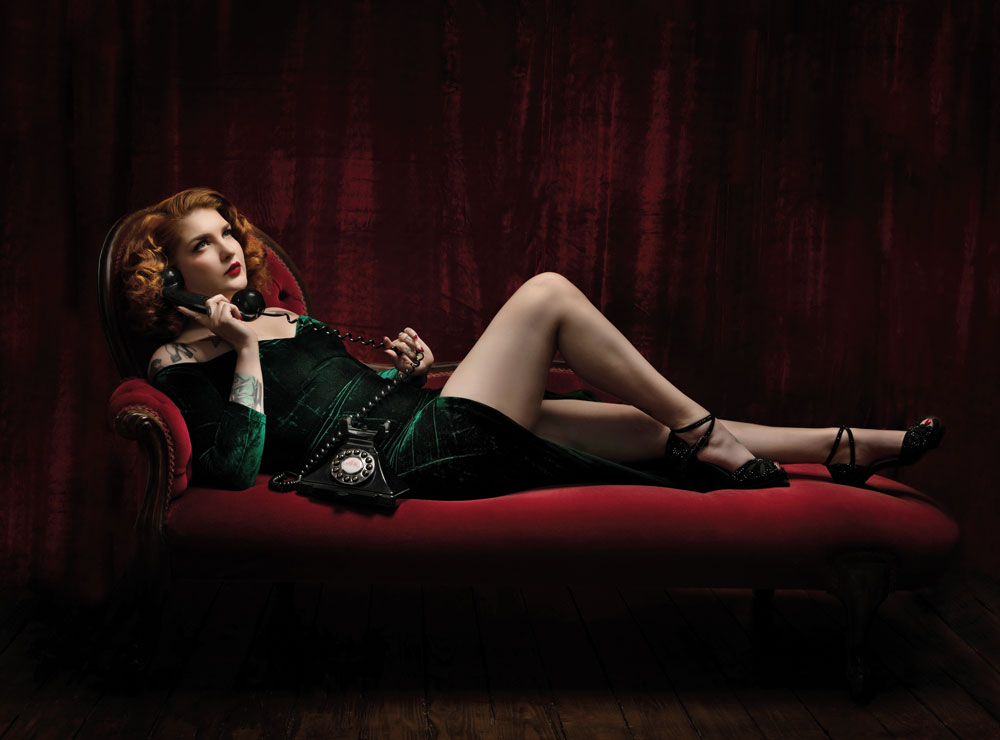
Don’t rely on one pose
A common mistake is to find one pose that works and then repeat it throughout the session.
Instead, treat posing as a sequence.
Start with a comfortable position and make small changes from there.
For example:
- Establish a comfortable standing or seated position.
- Adjust the shoulders.
- Change the weight distribution.
- Alter the position of the hands.
- Turn the face slightly.
- Try a different expression.
- Change the camera angle.
- Review the result and refine the pose.
This approach gives you multiple variations without making the session feel complicated for your subject.
Use perspective to your advantage
Camera position and lens choice can have a significant effect on how the body appears in a photograph.
Perspective changes according to the relationship between the camera and subject. Moving closer or further away and changing focal length can therefore produce noticeably different results.
Avoid becoming obsessed with a particular lens or focal length, though.
Instead, learn to recognise how your camera position affects the appearance of your subject and use that knowledge deliberately.
Lighting can flatter or emphasise
Lighting is one of the most powerful tools available to a portrait photographer.
The direction, size and quality of your light can alter the appearance of the face and body dramatically.
A large, soft light source can create gentle transitions between highlights and shadows, while a smaller or more directional source can create stronger definition.
There isn’t one lighting pattern that will make every woman look her best.
Look at the individual in front of you.
Consider the shape of her face, her features and what she wants from the portrait. Then position your lighting accordingly.
Use shadows carefully
Shadows aren’t automatically bad.
In fact, they can add shape, depth and dimension to a portrait.
The key is controlling where those shadows fall.
If there is an area your subject is particularly conscious about, consider whether your lighting is drawing unnecessary attention to it.
Likewise, if there is a feature your subject loves, you can use light to emphasise it.
Good portrait lighting isn’t about hiding someone.
It’s about making deliberate choices about what the viewer sees first.
Communication matters as much as technique
A technically perfect photograph isn’t much use if your subject feels uncomfortable throughout the session.
Keep communicating.
Don’t leave someone wondering whether they are doing the right thing.
Simple instructions such as:
- “Bring your shoulder slightly towards me.”
- “Move your weight onto your back foot.”
- “Turn your face a little towards the light.”
- “Relax your hands.”
- “That’s great — hold that position.”
can make a huge difference.
Positive feedback also helps.
If something works, tell your subject.
Confidence tends to improve when people know they’re doing well.
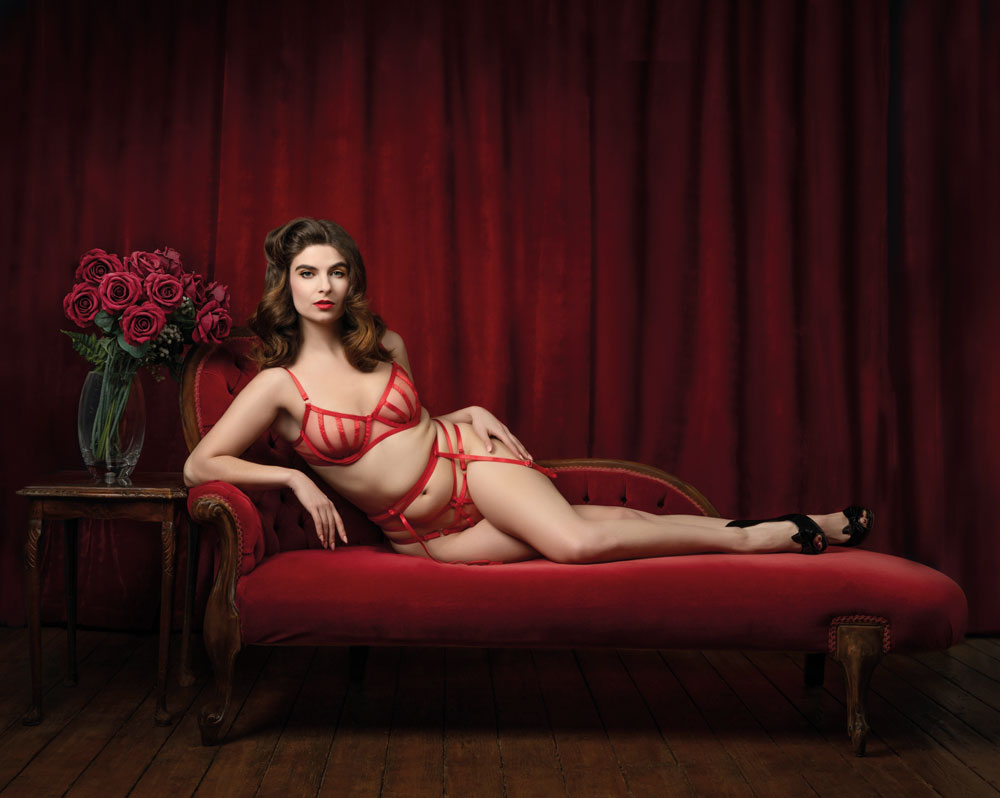
Photographing someone is a collaboration
The photographer may control the camera and lighting, but a successful portrait session is collaborative.
Give your subject some ownership of the process.
Show them a few photographs during the session if appropriate. This can help them understand what you’re creating and can sometimes provide useful feedback.
If they dislike a particular pose, don’t force it.
If they love a particular image, explore what made it work.
This approach can help you understand how your client sees herself and can lead to stronger images.
Do you need Photoshop to create a flattering portrait?
Retouching can be useful, but it shouldn’t be your first solution to every problem.
Whenever possible, solve issues in camera.
If lighting is unflattering, change the lighting.
If the pose isn’t working, change the pose.
If the composition emphasises something unnecessarily, change your camera position.
If hair is out of place, fix it before taking the photograph.
If clothing is creased, deal with it on set.
The better you photograph your subject, the less work you should need to do afterwards.
This is particularly important for portrait photographers working commercially, because spending hours correcting problems that could have been avoided during the session quickly becomes expensive.
A natural approach to retouching
My own approach to retouching is relatively simple: remove things that are temporary rather than completely changing the person.
For example, temporary blemishes, bruises, stray hairs or distracting marks can often be removed without fundamentally altering someone’s appearance.
Permanent characteristics are different.
Rather than automatically removing every line, mark or feature, consider whether doing so actually improves the photograph.
The goal should be to create a beautiful portrait while retaining the person’s identity.
A client should still look like themselves.
Don’t over-retouch
Heavy retouching can be tempting.
Modern editing software makes it possible to reshape almost every part of a photograph, but just because something can be changed doesn’t mean it should be.
Excessive retouching can produce an image that looks artificial and can remove the characteristics that make someone’s face or body distinctive.
Instead, ask yourself:
Would this person still be recognisable if the photograph were shown to someone who knows them?
If the answer is yes, you’re probably heading in the right direction.
Photograph the person, not the perceived imperfections
When someone tells you they’re unhappy about a particular part of their appearance, it’s easy to become focused on hiding it.
Instead, think about the whole portrait.
What expression suits them?
Which angle is strongest?
Where should the light fall?
What pose makes them look comfortable?
What does the image communicate?
Often, the solution isn’t to eliminate the feature completely. It’s to create a stronger photograph in which that feature isn’t the main focus.
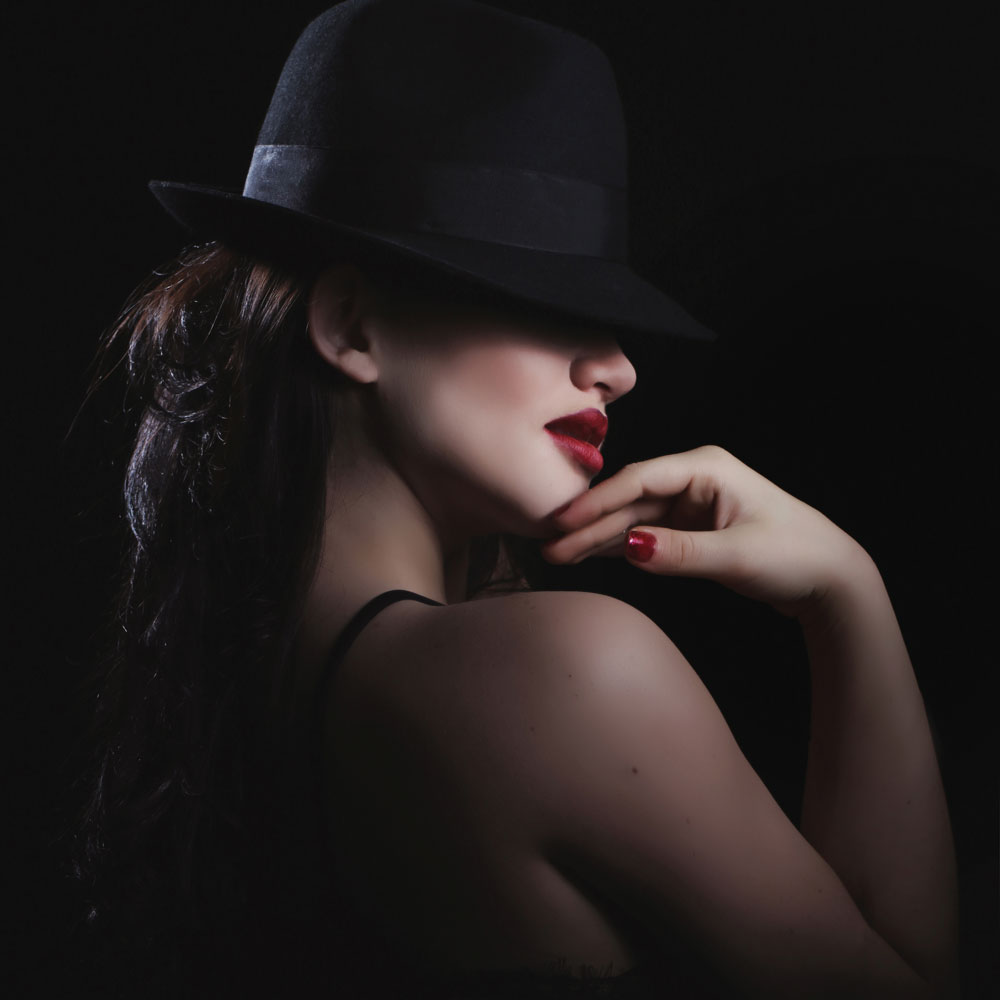
The best photographs often require the least retouching
There is a useful lesson here for every portrait photographer.
If you can make someone look and feel fantastic before the image reaches Photoshop, you’re doing something right.
Good posing, flattering lighting, appropriate styling, effective communication and careful camera technique can dramatically reduce the amount of corrective editing required.
More importantly, the resulting photograph is likely to feel more natural.
Helping clients see themselves differently
Many people are much more critical of photographs of themselves than they are of photographs of other people.
They immediately notice the things they dislike.
As photographers, we can help by presenting images that show our subjects from a flattering perspective without creating an unrealistic version of them.
This is one of the most rewarding aspects of portrait photography.
When someone who arrived at the studio feeling nervous sees a photograph and genuinely likes what they see, the technical achievement of making the image is only part of the satisfaction.
You’ve created a photograph in which that person can recognise themselves — and feel confident about what they see.
A practical checklist for photographing women
Before your next female portrait session, consider the following:
Before the shoot
- Find out what your client wants from the session.
- Ask whether there are particular concerns you should be aware of.
- Discuss wardrobe, hair and make-up.
- Plan your lighting.
- Make your client feel welcome and comfortable.
During the shoot
- Give clear posing instructions.
- Make small adjustments rather than relying on one pose.
- Watch hands, feet, shoulders and facial expressions.
- Pay attention to lighting and shadows.
- Give positive feedback.
- Show your subject that you’re getting good results.
Before delivering the photographs
- Correct temporary distractions.
- Check skin and clothing carefully.
- Avoid unnecessary reshaping.
- Retain the person’s recognisable features.
- Compare the finished image with the original to make sure you’ve enhanced rather than transformed the subject.
The photographer’s real skill
Creating a flattering portrait isn’t about finding a magical Photoshop technique that makes everyone look perfect.
It’s about understanding people.
Learn how to communicate.
Learn how to pose.
Learn how light changes someone’s appearance.
Learn how perspective affects the body.
Learn when to make small adjustments.
And, above all, learn to see the person in front of your camera rather than simply looking for imperfections to correct.
When you combine those skills, you can create portraits that are flattering, confident and authentic — often with far less retouching than you might expect.
This article has been adapted and expanded from Emma Finch’s original feature published in Professional Imagemaker magazine.