Fine Art Photography: How to Develop Your Own Artistic Style
By Emily Hancock
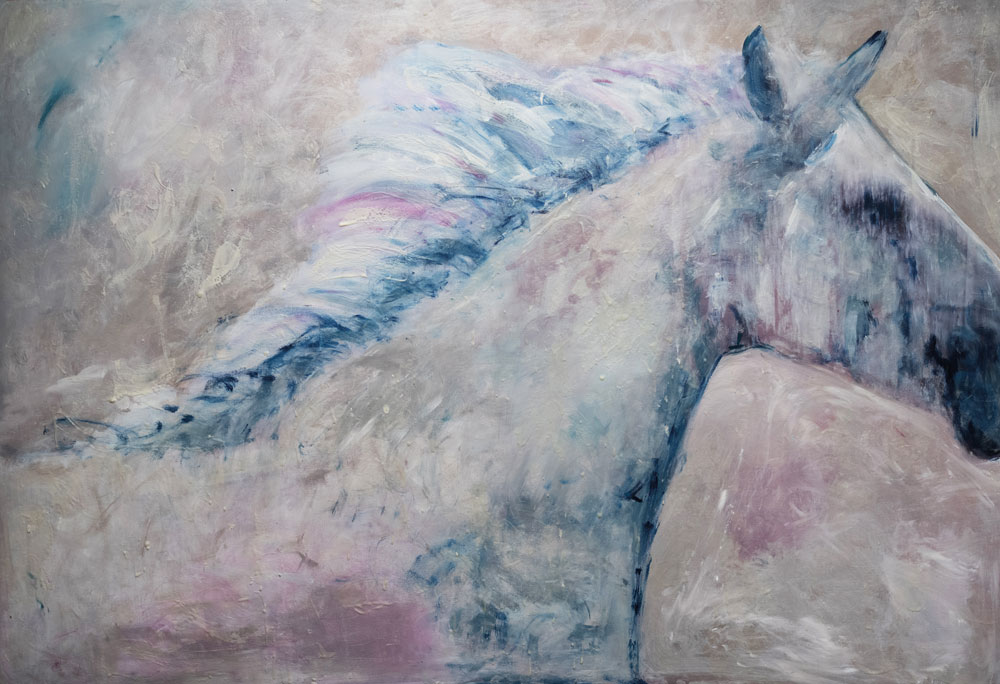
Photography often begins with curiosity. You pick up a camera and start photographing whatever catches your attention: flowers in the garden, landscapes on a walk, pets, family or everyday moments that you want to preserve.
As your skills develop, that curiosity can lead to something more. You learn to control your camera, understand light and composition, enter competitions, gain qualifications and perhaps even build a successful photography business.
But what happens when photography starts to feel too familiar?
For some photographers, the answer is to explore fine art photography and develop a more personal, creative approach to their work.
Moving beyond conventional photography doesn’t necessarily mean abandoning everything you’ve learned. Instead, it can mean using your existing photographic skills as the foundation for experimentation, self-expression and creating artwork that feels uniquely yours.
What is fine art photography?
Fine art photography is difficult to define with a single set of rules.
At its heart, it is photography used as a form of artistic expression. Rather than simply documenting a subject or fulfilling a client’s brief, the photographer has greater freedom to communicate an idea, emotion, concept or personal perspective.
A photograph can therefore become much more than a record of what was in front of the camera.
You might manipulate an image, combine photographs, introduce paint or fabric, experiment with texture, create elaborate sets or use unusual lighting and processing techniques.
The important thing is not necessarily which technique you use. It is what you are trying to communicate through your work.
Why photographers sometimes need a creative change
Building a photography business can be incredibly rewarding.
There is satisfaction in working with clients, producing images they love, developing your reputation and seeing your business grow. Professional training, competitions and qualifications can provide further opportunities to develop your skills.
However, working commercially can eventually become repetitive.
When you spend years producing photographs according to a client’s requirements, it can become easy to concentrate on what is expected rather than what excites you personally.
That doesn’t mean commercial photography is uncreative. Far from it. But many photographers eventually feel the need to create something where they are the client.
This is where personal projects and fine art photography can become valuable.
Instead of asking, “What does my client want?”, you can ask:
“What do I want to create?”
Start by discovering what interests you
Developing an artistic style doesn’t begin with buying more equipment.
It begins with understanding yourself.
Pay attention to the things that naturally attract your attention when you’re away from your camera.
Perhaps you are fascinated by colour. Maybe you notice textures that other people walk straight past. You might love old buildings, jewellery, books, flowers, machinery, fabrics or tiny details.
Perhaps your interests are much less obvious.
You could find yourself drawn to mushrooms, sand, stamps, metalwork or unusual objects that most people would never consider photographing.
There are no wrong answers.
Your interests can become clues to the kind of photographer and artist you could become.
Ask yourself:
- What subjects do I naturally photograph?
- Which colours repeatedly appear in my work?
- Do I prefer simplicity or complexity?
- Am I attracted to texture, pattern or detail?
- What types of artwork catch my attention?
- Which photographs do I enjoy making even when nobody has asked me to create them?
- What would I photograph if there were no client, competition or social-media audience to please?
The answers can reveal patterns that you may not have noticed before.
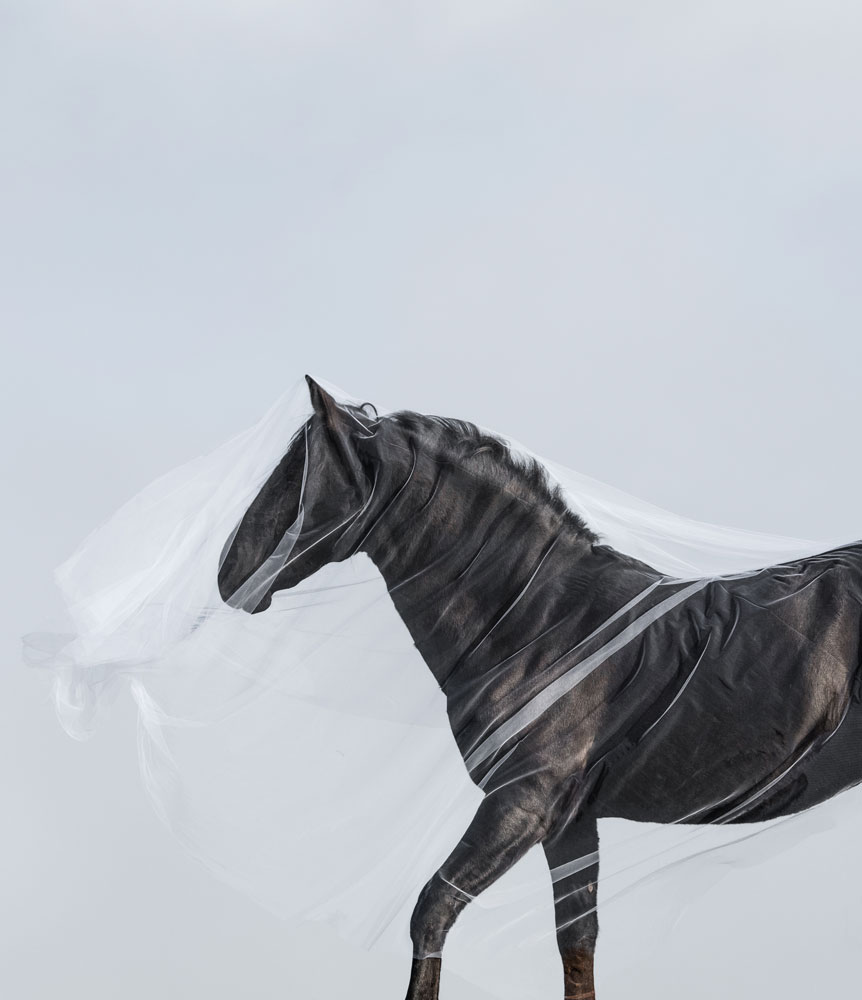
Create a visual diary
One of the simplest ways to develop your creative identity is to collect inspiration.
Keep a scrapbook, sketchbook or digital collection of things that interest you.
Save photographs, colours, textures, paintings, fabrics, typography, objects, exhibitions and anything else that makes you stop and look.
Your phone can become a useful creative tool too. If something catches your eye while you’re out, photograph it.
Don’t worry about whether the individual images are “good photographs”. You’re collecting ideas, not building a portfolio.
Over time, you’ll begin to see connections between the things you’ve collected.
Perhaps a particular colour keeps appearing. Maybe you’re repeatedly attracted to weathered surfaces, dramatic shadows or intricate details.
These recurring themes can become the foundations of your artistic style.
Your photography style doesn’t have to be completely original
Many photographers worry that somebody has already done their idea.
In reality, very few creative ideas appear from nowhere.
Artists and photographers are influenced by the world around them, by exhibitions they’ve visited, books they’ve read, films they’ve watched and other artists whose work they admire.
What makes your work personal is the way you combine those influences with your own experiences and perspective.
Two photographers can photograph exactly the same subject and produce completely different work.
Your individuality comes from the decisions you make.
That might be the way you use colour, lighting, composition, texture, processing or storytelling.
Don’t waste energy trying to invent something that has never existed before.
Instead, concentrate on creating something that could only have been made by you.
Give yourself permission to experiment
This is often the hardest step.
Photographers can become very comfortable with techniques they already know. We understand how to expose an image, compose a portrait and process a photograph.
Fine art photography can require us to deliberately step outside that comfort zone.
Try something different.
Paint over a print.
Add fabric to a photograph.
Experiment with collage.
Combine multiple images.
Use unusual materials.
Change the colour dramatically.
Photograph something from an unexpected viewpoint.
Create an image rather than simply recording what is already there.
The point isn’t to produce a masterpiece every time.
The point is to find out what happens.
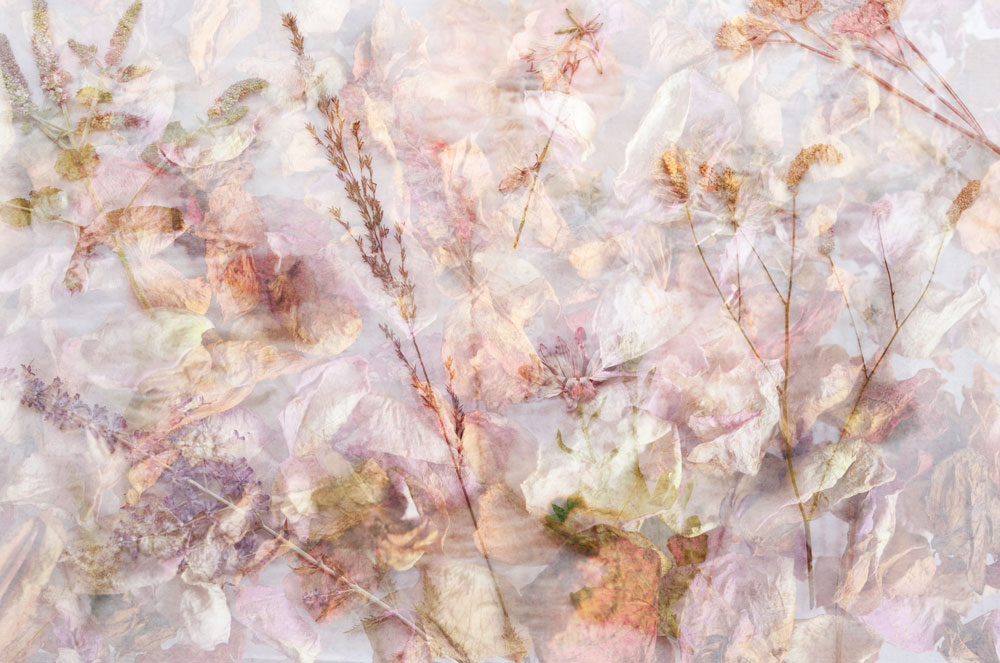
Don’t be afraid of failure
Creative experimentation inevitably produces work that doesn’t succeed.
That’s normal.
In fact, unsuccessful experiments can be some of the most useful things you create because they show you what you don’t want to do.
If every photograph has to be portfolio-worthy, you’ll probably avoid taking creative risks.
Instead, give yourself permission to make bad work.
Try an idea, assess the result and ask yourself:
What worked?
What didn’t?
What could I change?
Then try again.
Creativity develops through repetition and experimentation, not by waiting for the perfect idea to arrive.
You don’t have to be able to paint or draw
One of the biggest barriers photographers can put in their own way is the belief that they aren’t “artistic” enough.
You might think you need to be able to draw, paint or sculpt before you can call yourself an artist.
You don’t.
Photography itself is an artistic medium.
Your understanding of light, composition, colour, perspective and visual storytelling already gives you a powerful creative foundation.
If you want to introduce other media into your work, learn as you go.
You don’t need to become an expert painter before experimenting with paint. You don’t need years of textile experience before introducing fabric into a photographic project.
Start with curiosity.
Learn.
Experiment.
Improve.
Develop a personal project
Once you start identifying the subjects, colours, textures and ideas that interest you, bring them together into a project.
A personal project gives your creativity direction.
Rather than making individual experimental images with no connection, consider creating a series around a particular idea.
For example, you might explore:
- the relationship between nature and architecture
- colour and emotion
- ageing and decay
- memories and nostalgia
- animals and human relationships
- texture and pattern
- objects with personal significance
- an imagined world created through photography
A project can be as simple or ambitious as you want.
You could create ten images or one hundred.
The important thing is that the project gives you an opportunity to explore an idea in depth.
Combine photography with other media
Mixed-media photography can provide another route into artistic experimentation.
Photography doesn’t have to stop when you press the shutter.
You can combine photographs with materials such as:
- paint
- fabric
- paper
- charcoal
- stitching
- collage
- found objects
- handwritten elements
These additions can completely change the character of a photograph.
They can introduce physical texture, conceal parts of an image, emphasise particular details or help communicate an idea that would be difficult to express through photography alone.
The possibilities are limited largely by your imagination.
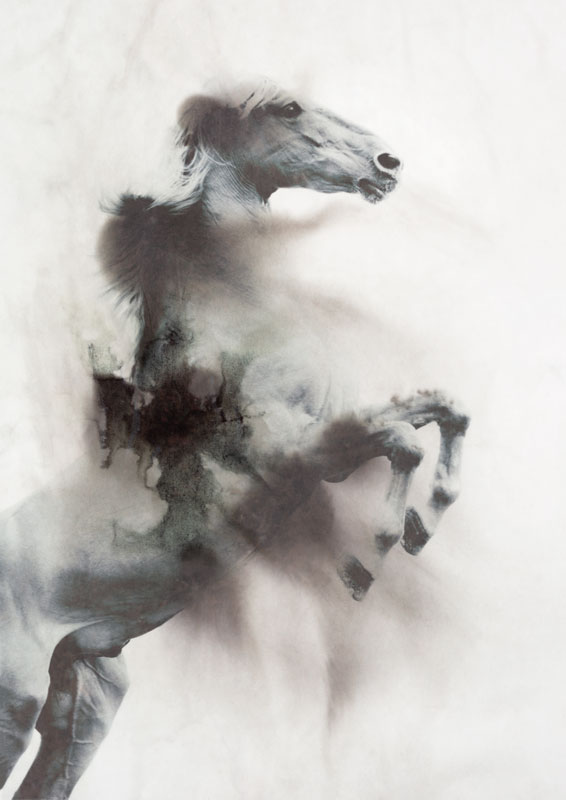
Share your work
Eventually, there comes a point when you need to stop experimenting privately and allow other people to see your work.
This can be intimidating.
If your new work is very different from the photography you’ve previously produced, you may worry about how people will react.
That is understandable.
However, feedback can help you understand how your work is being perceived.
Consider sharing your work through:
- your website
- social media
- exhibitions
- photography competitions
- galleries
- local art events
- private viewings
- artist communities
You don’t have to show everything you create.
Curate your strongest work and think about how the individual pieces work together as a collection.
Can fine art photography become a business?
Absolutely.
Your personal creative work doesn’t have to remain a hobby.
Fine art photographers can sell prints, limited editions, books, commissions and original mixed-media pieces. Work may also find its way into private collections, businesses, hotels, galleries and exhibitions.
However, building a market for artistic work usually takes time.
Rather than trying to sell everything to everyone, concentrate on finding people who genuinely connect with your work.
A small group of enthusiastic collectors can be far more valuable than a large audience that simply scrolls past your images.
Your website should make it easy for interested people to understand your work, discover your story and find out how they can purchase or commission it.
Let your personal work influence your professional photography
Exploring fine art photography doesn’t necessarily mean changing your entire business.
Your creative projects can actually strengthen your commercial photography.
Experimenting with colour may improve your portrait lighting.
Working with texture may influence your editing.
Creating conceptual images may help you develop stronger storytelling skills.
Most importantly, personal projects can reignite your enthusiasm for photography.
That excitement can feed back into everything else you do.
Your artistic journey is your own
There is no single route to becoming a fine art photographer.
You don’t need a particular camera.
You don’t need a degree in art.
You don’t need to know exactly what your style is before you begin.
Start by paying attention to what interests you.
Collect inspiration.
Create a visual diary.
Experiment.
Make mistakes.
Try different materials and techniques.
Create personal projects.
Then keep refining the ideas that excite you.
The goal isn’t to become someone else’s idea of an artist.
It’s to discover your own way of seeing the world and find a way to communicate that through your photography.
The photographer who once picked up a camera simply because everything seemed interesting is still there.
Fine art photography can be a way of rediscovering that curiosity — and turning it into something entirely your own.
About the author
Emily Hancock is a photographer and artist whose creative journey has included experimenting with photographic mixed media, paint and textiles to create distinctive artwork.
This article has been adapted and expanded from Emily Hancock’s original feature published in Professional Imagemaker magazine.