
How to Get Children to Smile Naturally During Photography Sessions
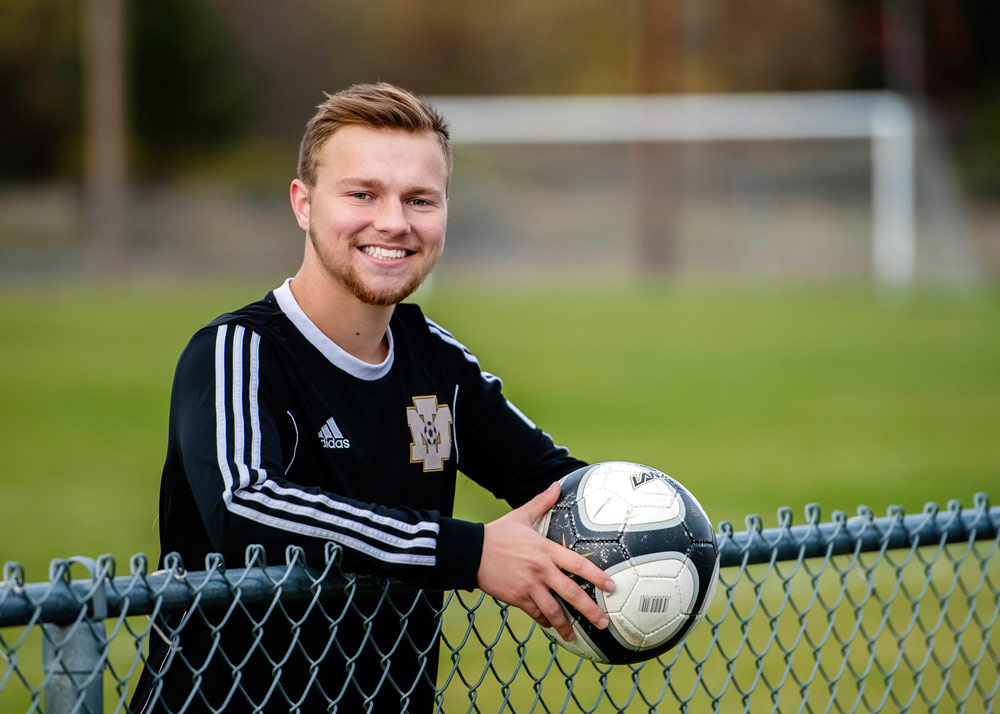
Photographing children isn’t always glamorous. There are screaming kids, muddy football boots, broken zips, unexpected weather and, occasionally, a child who has absolutely no intention of smiling for the camera.
For photographer David Hakamaki, one of the most useful tools for dealing with those situations isn’t another piece of equipment. It’s humour.
After years of photographing children, teenagers and youth sports teams, David has found that keeping sessions relaxed and enjoyable can make a huge difference. A well-timed joke can break the tension, turn a reluctant subject into a willing participant and, perhaps most importantly, create genuine expressions rather than forced smiles.
Why Humour Works in Photography
Children can quickly sense when a photography session feels formal or uncomfortable. Asking them repeatedly to “smile” can often have the opposite effect.
Humour changes the dynamic.
A laugh creates movement and expression. It gives children something to respond to rather than simply asking them to perform for the camera.
David brings that approach into almost every session.
He’s not trying to become a comedian. Instead, he uses his personality to create an environment where people feel comfortable.
And when something inevitably goes wrong, sometimes the best response is simply to laugh.

When a Football Team Loses a Player
One of David’s favourite examples happened during a football team photo day involving children aged six to eight.
While organising the team, he realised that one player was missing.
Then came the sound of a splash.
The missing youngster had wandered towards a nearby lake while chasing a frog and ended up waist-deep in muddy water.
After being cleaned up as best as possible, he was placed towards the back of the group for the photograph.
The resulting image was memorable, but the story behind it was even better.
It’s a good reminder that photographing children requires flexibility. Things rarely go exactly according to plan, and sometimes the unexpected moments become the stories that families remember most.
Expect the Unexpected
Another football session provided a very different surprise.
While photographing a team near a wooded area, one of the children suddenly noticed that a teammate had several ticks crawling on him.
The group was quickly rearranged, the ticks were dealt with and the photograph was taken.
But the children standing either side of the affected player instinctively leaned away from him.
It wasn’t part of the plan, but it produced a wonderfully authentic moment.
Photographers working with children need to be prepared to react quickly. The best images aren’t always the ones you planned before arriving.
When Wildlife Joins the Session
David has also encountered wildlife during portrait sessions.
During a winter senior portrait session in Michigan’s Upper Peninsula, six wild turkeys wandered into the scene and began walking between David and his subject.
Rather than abandoning the session, David and the senior turned the situation into a game.
They used snowballs to encourage the turkeys to move away, all while laughing at the ridiculous situation.
David even managed to photograph the senior kneeling beside one of the birds. The resulting photograph became the teenager’s Facebook profile picture.
Again, the lesson isn’t really about turkeys.
It’s about being willing to embrace unexpected moments rather than becoming frustrated when a shoot doesn’t follow the original plan.
Use a Funny Photo as a Reward
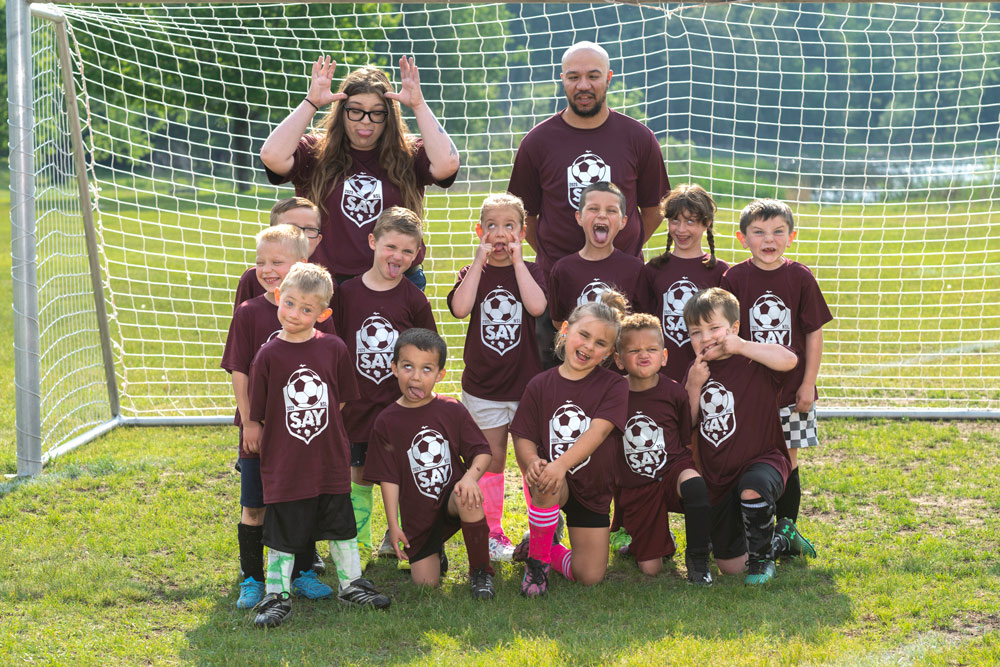
One of David’s most effective techniques for photographing young football teams is surprisingly simple.
Once the standard team photographs have been completed, he promises the children a funny face photograph.
But there’s a condition: they need to produce three good, smiling photographs first.
The technique works remarkably well.
The children know that the silly photograph is coming, so they’re motivated to cooperate for the formal images first.
Then they get their reward.
Tongues come out, eyes cross and arms and legs end up in every possible position.
What might appear to be a throwaway photograph actually serves an important purpose: it makes the session enjoyable.
Some children even return the following year and ask whether they’re doing the funny photograph again.
Getting Reluctant Teenagers to Smile
Children aren’t the only subjects who can be difficult to photograph.
Teenagers can be particularly challenging, especially when they believe that smiling isn’t particularly cool.
David recalls photographing a high-school senior called Taylor who was determined not to smile.
His mother had been trying unsuccessfully to persuade him.
During a wardrobe change, David asked whether he could take over.
When Taylor returned, David switched into what he describes as “coach mode”, drawing on his eleven years of experience coaching sports.
Rather than repeatedly asking Taylor to smile, he gave him a series of exaggerated instructions and movements.
Eventually, the teenager cracked.
“Are we going to smile, Taylor?”
“Yes, Mr Hakamaki.”
The remainder of the session went much more smoothly.
The important point is that David found a way to communicate with the subject in a language he understood. Rather than treating every client identically, he adapted his approach to the individual.
Don’t Be Afraid to Use Your Personality
One of the biggest advantages photographers have when working with people is personality.
Technical skill can produce a correctly exposed, sharply focused photograph. But personality can create trust.
That is particularly important when photographing children.
A photographer who is relaxed, approachable and willing to have fun can make the entire experience feel less intimidating.
The result is often more natural expressions and a better relationship with the client.
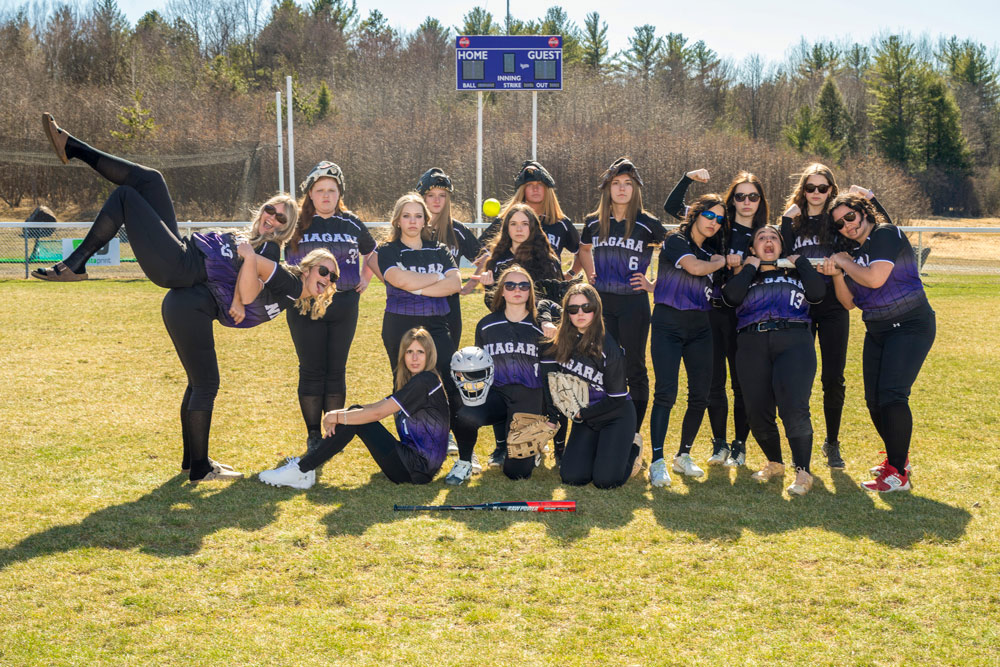
Give Children Something to Do
One useful lesson from David’s approach is that asking a child to simply “smile” isn’t always enough.
Instead, give them something to react to.
That could be:
- A funny question
- A game
- A silly pose
- An exaggerated movement
- A quick challenge
- A joke
- A funny face competition
- Something unexpected happening around them
The aim isn’t to manufacture a perfect smile.
It’s to create a situation where a genuine expression happens naturally.
Read the Room
Humour can be incredibly effective, but it isn’t appropriate in every situation.
Photographers need to understand their audience and recognise when a joke hasn’t landed.
Keep humour respectful and appropriate. Avoid anything that could embarrass a child, make a client uncomfortable or be misunderstood.
The best humour should make people feel more relaxed, not put them under additional pressure.
The Best Photographs Often Come From the Unexpected
Photography sessions don’t always go according to plan.
Children get distracted. Teenagers refuse to smile. The weather changes. Wildlife appears. Parents get stressed. Equipment doesn’t behave as expected.
The instinctive reaction might be frustration.
But sometimes those moments provide an opportunity.
David’s experiences demonstrate that a photographer’s ability to adapt can be just as valuable as their technical knowledge.
A relaxed approach allows you to respond to what’s happening in front of the camera rather than becoming obsessed with recreating the photograph you had planned beforehand.
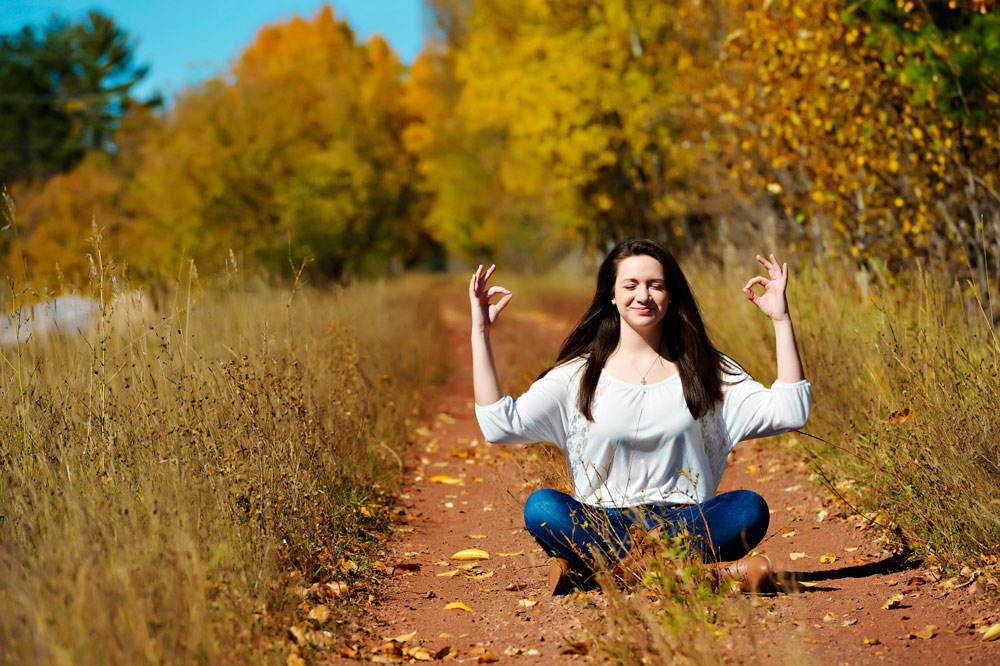
Photography Should Be Fun
A technically perfect photograph is valuable, but the experience surrounding it matters too.
When clients laugh, relax and enjoy themselves, you’re not simply creating better expressions. You’re creating memories associated with the photographs themselves.
For photographers working with children and families, that can become a significant part of the service they provide.
So the next time a child refuses to smile, don’t immediately reach for another instruction.
Try something different.
Make them laugh. Give them something to do. Play a game. Embrace the unexpected.
Because sometimes the best way to capture a genuine smile is to stop asking for one.