
How to Photograph Your First Asian Wedding: A Practical Guide
By Clwyd Probert
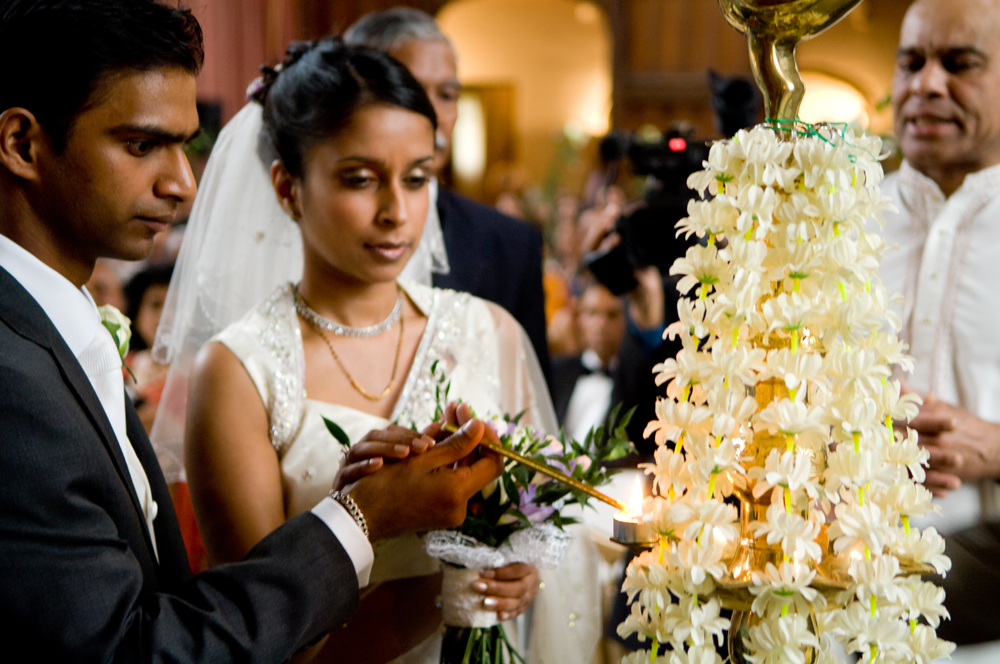
Photographing a wedding that is very different from the work you normally do can be both exciting and daunting.
For photographer Clwyd Probert and his partner Ray Graham, moving into Asian wedding photography was one of those opportunities. Their business had originally been planned around a mixture of event, corporate and wedding photography, but wedding work became a much larger part of the business than expected.
They also began receiving enquiries from couples looking for a more contemporary, Western-style approach to photographing their Asian weddings. Rather than ignoring a market they didn’t yet understand, they decided to research it, prepare carefully and give it a try.
The experience changed the direction of their business.
Today, Asian weddings are a major part of the work they undertake. But the lessons from that first wedding are useful for any photographer considering moving outside their normal comfort zone.
Don’t assume you know what the wedding will involve
One of the biggest mistakes you can make when photographing a wedding that is unfamiliar to you is assuming it will work like the weddings you already photograph.
An Asian wedding isn’t a single type of wedding. The traditions, ceremonies and expectations can vary considerably depending on the couple’s cultural background, religion, family traditions and personal preferences.
A Hindu wedding can be very different from a Sikh wedding, which can be different again from a Muslim wedding or a Chinese wedding. Even two weddings following the same broad tradition can have very different schedules and customs.
That’s why preparation is so important.
Don’t rely on what you think you know from photographing other weddings. Ask the couple what is happening, when it is happening and what they consider particularly important.
Research before the wedding
If it is your first Asian wedding, research should be part of your preparation rather than something you try to do on the morning of the wedding.
Talk to your clients about the ceremonies and events they have planned. Ask them to explain anything you don’t understand. If appropriate, find out what will happen at each stage and whether there are any restrictions on where you can stand or what you can photograph.
Most importantly, ask about the moments that matter to them.
There may be traditions, family interactions or parts of a ceremony that are extremely important to the couple but which would be easy for an unfamiliar photographer to overlook.
You don’t need to become an expert in another person’s culture before photographing their wedding. You do need to show enough respect and curiosity to understand what you have been invited to photograph.
Expect a longer and more complicated schedule
Another major difference can be the scale of the wedding.
Some Asian weddings involve several days of ceremonies, parties and family gatherings before the main wedding day. The schedule can therefore be considerably more involved than the single-day wedding many photographers are used to.
You may be photographing:
- preparations at the bride’s or groom’s home
- one or more ceremonies
- religious traditions
- a civil ceremony
- family photographs
- a reception
- speeches and performances
- dancing
- formal portraits
- events at different locations
The working day can also be long.
Rather than simply looking at the start and finish times of the main ceremony, establish the complete schedule before you quote for the job. If you are expected to be there early in the morning and remain until late at night, that needs to be reflected in your planning and pricing.
For multi-day weddings, consider each event separately when working out the coverage, staffing, equipment and post-production requirements.
Plan for a large wedding party
Large guest numbers can create a completely different photographic environment.
There may be hundreds of guests, several family groups and numerous people involved in organising the day. You may also find yourself working alongside other photographers and videographers.
This means communication becomes particularly important.
Before the wedding, establish who is responsible for what. If you are working with a second photographer or another photography team, agree on the important coverage beforehand.
On the day, don’t spend the entire time competing for the same photograph.
A second photographer can cover preparations, family interactions or another part of the venue while you concentrate on the main event. With a large wedding, having another pair of eyes can make a significant difference.
Be prepared for other photographers
Large weddings can sometimes involve several photography and video teams.
There may also be guests taking their own photographs throughout the day, sometimes with surprisingly substantial camera equipment.
Rather than becoming frustrated by this, plan for it.
Think about where you need to be to get the photograph rather than assuming you will always have an unobstructed view. If something important is happening, communicate with the other professionals where appropriate.
And remember that the guests are there to enjoy the wedding. They aren’t working for you.
Good preparation and positioning will usually achieve more than trying to control everyone with a camera.
Location can be challenging
Large receptions often require large venues, and those venues aren’t necessarily the most photogenic.
You may find yourself photographing in a large function room with limited natural light, very little outdoor space or few obvious locations for portraits.
This is another reason to think beyond the obvious.
Before the wedding, look at the venue and consider where you could create portraits if the weather is poor or the reception space isn’t ideal.
Look for:
- interesting architectural features
- windows and available natural light
- corridors and entrance areas
- staircases
- outdoor spaces
- areas with clean backgrounds
- opportunities to use off-camera flash
You don’t necessarily need a spectacular location. Good use of light, composition and direction can transform an otherwise ordinary space.
Don’t forget the couple
With a large wedding and so many things happening, it is surprisingly easy to become distracted by the scale of the event.
The couple still need photographs.
Make sure you have agreed beforehand when you will have time for portraits and how much time they are comfortable setting aside for them.
If the schedule is particularly busy, even ten or fifteen minutes of properly planned time can produce much stronger portraits than trying to grab everything in the middle of the celebrations.
Think about this before the wedding rather than hoping the opportunity will appear on the day.
Set expectations carefully
For your first wedding in an unfamiliar market, communication with the client is particularly important.
Be honest about your experience, but don’t make the client responsible for your lack of preparation.
If there are parts of the day you haven’t photographed before, ask questions. Work with the couple to build a clear timetable and identify the events and photographs that matter most to them.
A pre-wedding meeting is an ideal opportunity to discuss:
- the complete schedule
- locations
- ceremonies
- family photographs
- portraits
- important traditions
- restrictions on photography
- who will be involved in organising the day
- how many photographers are required
- what happens if timings change
The better you understand the day beforehand, the less likely you are to be surprised by it.
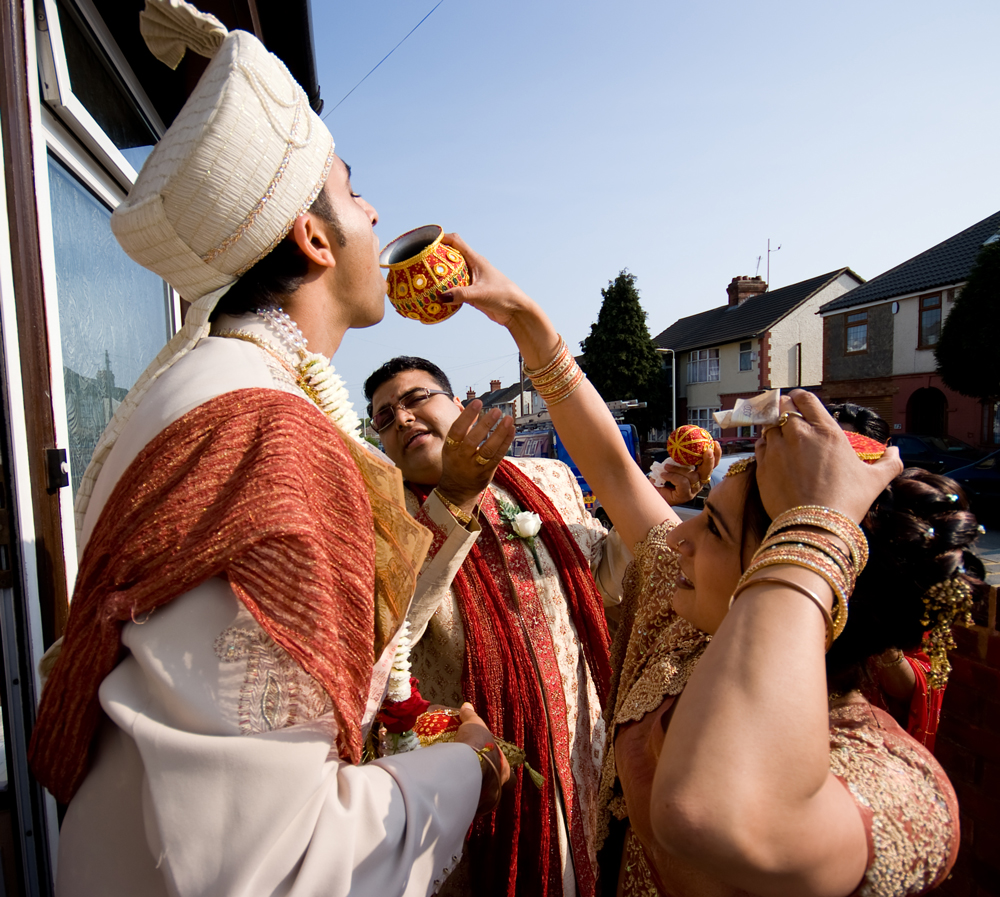
Give yourself room to learn
Your first wedding in a new market doesn’t have to be identical to the work you normally produce.
In fact, this is one of the opportunities.
A different type of wedding can force you to think differently about lighting, composition, coverage and time management.
You may find yourself photographing in unfamiliar locations, dealing with much larger groups, working alongside several other photographers or trying to create portraits in difficult conditions.
These challenges can improve your general wedding photography.
The important thing is not to confuse stepping outside your comfort zone with taking unnecessary risks. Try new approaches, but remain professional and keep the client’s needs at the centre of the day.
Use the first wedding as a learning opportunity
For their first Asian wedding, the team deliberately approached the job as an opportunity to learn as well as serve the client.
They prepared extensively, used additional photographers and allowed more time for the coverage and post-production than they might normally have done.
The resulting images became an important part of their portfolio and helped them demonstrate to future clients that they could handle this type of wedding.
That’s a useful lesson when entering any new area of photography.
You don’t need years of experience before you can try something different. But you do need to take the first job seriously enough to prepare thoroughly and understand what you are taking on.
Think carefully about pricing
Large or multi-day weddings can involve considerably more work than a conventional single-day wedding.
When pricing an Asian wedding, consider the whole job rather than simply the hours you expect to spend holding a camera.
Your calculation may need to include:
- pre-wedding meetings
- travel
- multiple events or days
- additional photographers
- longer shooting hours
- equipment
- image backup
- culling and editing
- albums and prints
- design and ordering
- client meetings and presentations
- administration
Don’t give away large amounts of additional work simply because you are keen to enter a new market.
It is reasonable to offer an introductory package while building experience, but the business still needs to cover its costs and your time.
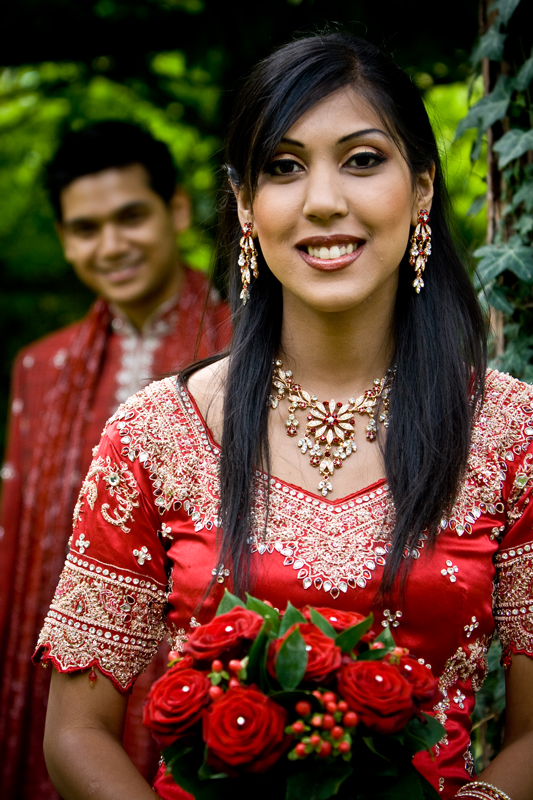
Understand that the buying decision may involve the wider family
One of the interesting aspects of some large family weddings is that the photography decision may involve more people than simply the couple.
Parents and other family members can have strong opinions about what they want photographed. Younger members of the family may prefer a more candid or contemporary approach, while older relatives may place greater importance on formal family groups and traditional portraits.
Rather than trying to choose one approach over another, find out what matters to everyone involved.
If several people are contributing to the cost of the wedding, it is worth understanding who needs to be involved in the decision before you prepare your final proposal.
Be patient and explain what you offer clearly.
Adapt your business when the market changes
Perhaps the biggest lesson from this experience isn’t specifically about Asian weddings at all.
When the business was first established, the original plan looked very different from what eventually developed.
That’s normal.
A business plan is useful, but it isn’t a contract with the future. If clients start asking for something you hadn’t expected, investigate the opportunity. If a marketing activity isn’t producing results, examine why and consider changing it.
The same principle applies to your photography.
Try something. Assess the result. If it doesn’t work, change your approach. If it still doesn’t work, move on.
The important thing is to make those decisions based on evidence rather than becoming emotionally attached to an idea simply because it was part of your original plan.
Moving outside your comfort zone
Photographers can easily fall into routines.
You know the type of wedding. You know the locations. You know where to stand for the speeches. You know how you normally photograph the couple.
There is nothing wrong with developing an efficient workflow, but there is a danger that familiarity can stop you experimenting.
Taking on a different type of wedding can change that.
Asian wedding photography can involve long days, multiple events, large numbers of guests, unfamiliar traditions, complicated logistics and several photography teams. It requires preparation, flexibility and good communication.
But those same challenges can push you creatively and professionally.
You may discover a new market, develop new skills and produce work that you would never have created if you had stayed with what you already knew.
Sometimes the best way to improve your photography — and your business — is simply to be willing to photograph something you’ve never photographed before.