How to Build a Photography Brand That Attracts the Right Clients
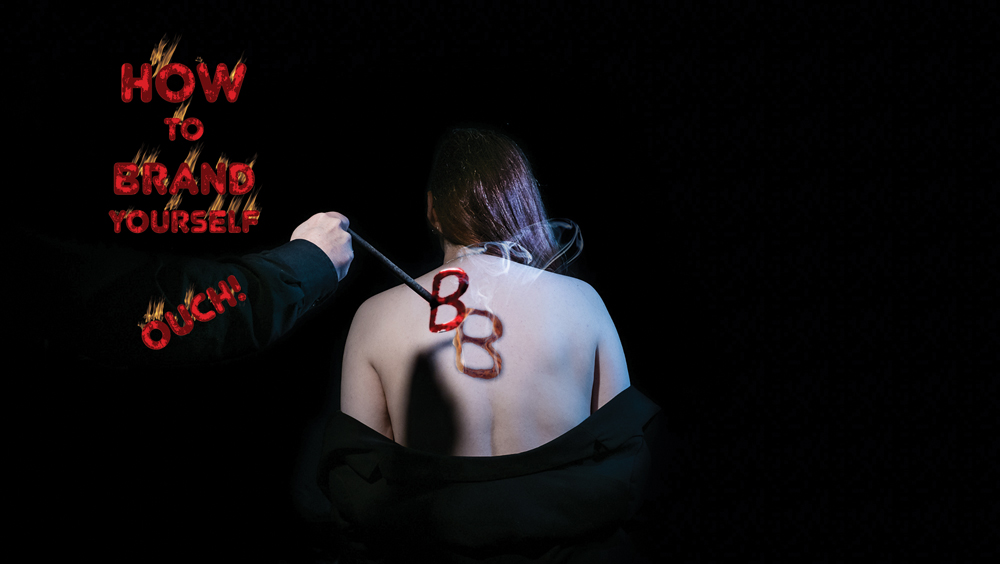
When photographers talk about branding, the conversation often starts with logos, colours, fonts and website design.
Those things can be part of your brand, but they aren’t your brand.
Your photography brand is the overall impression people have of you and your business. It is what you stand for, the type of work you produce, the experience you provide, the clients you attract and, ultimately, the reputation you build.
A strong brand doesn’t happen because you have a clever logo. It comes from consistently doing good work for the right people and giving them a reason to choose you.
So how do you build that brand?
Start by deciding what you want to be known for
Photography covers an enormous range of genres and specialisms. Weddings, newborns, portraits, commercial photography, fashion, sport, wildlife, food, products, personal branding and countless others all have their own markets.
It can be tempting to chase whichever genre appears to be making money at the moment.
But following a trend isn’t the same as building a business.
Photography has always had fashionable genres. One year it might be newborn photography, another year personal branding or a particular style of portraiture. New opportunities will continue to appear.
The photographers who build lasting businesses aren’t necessarily the ones who jump on every new trend. They are the ones who become genuinely good at what they do and build a reputation around it.
That starts with understanding yourself.
Identify your strengths
Before deciding what type of photography business you want, take an honest look at the skills and experience you already have.
We all accumulate skills throughout our lives. Some come from previous jobs, others from hobbies, education, family life or simply the things we enjoy doing.
Those skills can become valuable parts of your photography business.
Ask yourself:
- Are you naturally good with people?
- Do you enjoy working with children, babies, animals or families?
- Are you comfortable talking to business owners?
- Are you organised and good at managing people?
- Do you enjoy solving technical problems?
- Are you particularly creative or artistic?
- Do you have experience in another profession that could give you specialist knowledge?
- Do you enjoy working quickly in unpredictable situations, or do you prefer a controlled environment?
- What subjects genuinely interest you?
Don’t underestimate experience from outside photography.
For example, someone with a background in healthcare may have valuable knowledge when working with newborns or families. Someone who has worked in fashion may have a different understanding of styling and posing. Someone with a business background may have an advantage when working with commercial clients.
Your existing knowledge can help you create a more credible and distinctive photography business.
Don’t choose a niche simply because you think it will make money
There is nothing wrong with looking for commercial opportunities, but money alone isn’t a particularly good reason to choose a genre.
If you don’t enjoy the work, don’t have the necessary skills and aren’t prepared to become genuinely good at it, clients will eventually notice.
Professional photography requires far more than owning a good camera.
You need to understand light, composition, posing, timing, communication, editing, customer service and the practical demands of the job. Different genres also require different specialist knowledge.
Instead of asking:
“What type of photography is making money?”
try asking:
“What type of photography could I become exceptionally good at, and who would value that expertise?”
That’s a much more useful starting point.
Find your difference
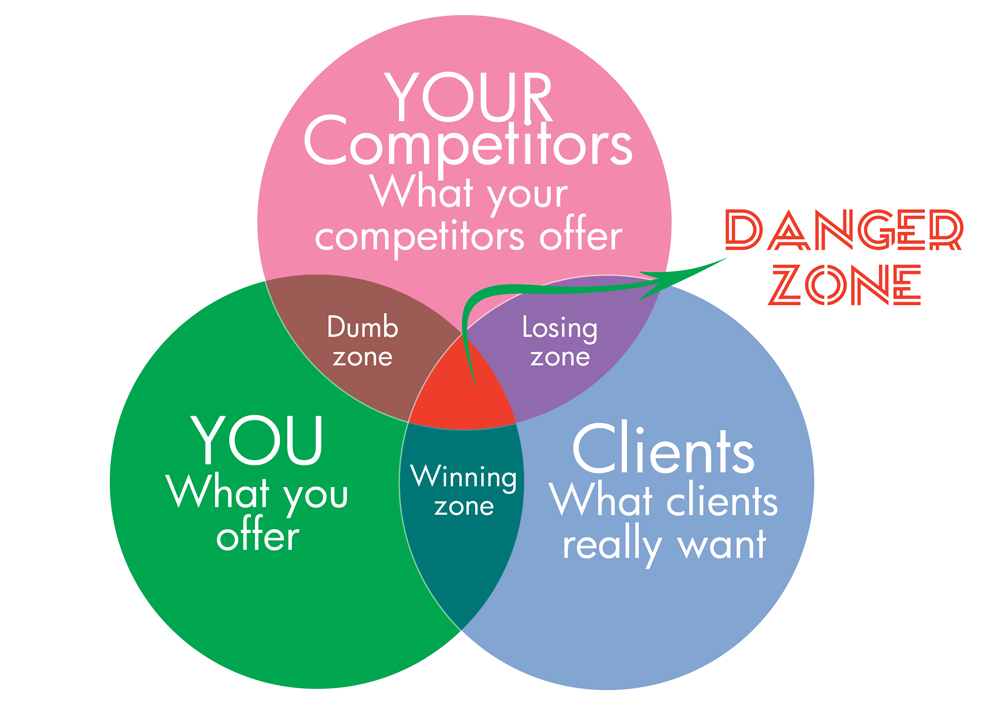
Once you understand your own strengths, look at the photographers already operating in your chosen market.
This isn’t about copying them.
In fact, the opposite is true.
Study what they offer and look for opportunities to do something differently.
What services are they providing? Who are they targeting? What does their work look like? How do they communicate with clients? What does their customer experience look like?
Then ask:
What could I offer that would make someone choose me rather than another photographer?
Your difference doesn’t necessarily have to be dramatic.
It could be your style of photography, your experience, your specialist knowledge, the way you work with people, the products you offer or simply the experience you provide from the first enquiry to the finished photographs.
A compelling difference gives potential clients a reason to remember you.
You don’t need to appeal to everyone
One of the biggest mistakes photographers make when building a business is trying to appeal to everybody.
A website that says:
“We photograph weddings, families, babies, pets, businesses, products, events, schools and anything else you need.”
may sound like it offers something for everyone.
In reality, it can make it difficult for anyone to understand what you are particularly good at.
The more clearly you define what you do, the easier it becomes for the right people to recognise that you are the photographer they have been looking for.
You don’t necessarily need to turn away every job outside your main speciality. But your marketing should make your primary area of expertise clear.
Being known for something is powerful.
Define your ideal client
Once you know what you want to be known for, think about who you want to work with.
Your ideal client isn’t simply “anyone who needs a photographer”.
Think about the people who are most likely to value what you offer.
If you already have an established photography business, look at your existing clients.
Which ones have been the most enjoyable to work with? Which have valued your work? Which have returned? Which have recommended you to others?
Look for patterns.
You might discover that your best clients share particular interests, occupations, lifestyles, budgets or reasons for hiring a photographer.
If you’re starting out and don’t have much client history, research the market you want to enter.
Consider questions such as:
- Who are these clients?
- What are they looking for?
- What matters to them?
- What problems are they trying to solve?
- What do they value when choosing a photographer?
- What would make them pay more for the right service?
- Where do they look for photographers?
- What language do they use when describing what they want?
The better you understand your potential clients, the easier it becomes to communicate with them.
Build your offer around your client
Now bring everything together.
You know your strengths.
You understand your market.
You know who you want to work with.
So what can you offer that brings those things together?
This is where your photography business starts becoming more distinctive.
Think beyond simply selling “photography”.
What does the client actually value?
A wedding client may value experience, organisation and reassurance as much as the photographs themselves.
A commercial client may value reliability, consistency and an understanding of their brand.
A family may value a relaxed experience that makes their children feel comfortable.
A business owner looking for personal branding photographs may value someone who understands how they want to present themselves professionally.
The photograph is important, but the service surrounding it is part of the value.
Your brand needs to be authentic
Once you know who you are trying to reach, you need to communicate with them.
This is where authenticity becomes important.
You don’t need to copy another photographer’s website, social media style or sales technique.
You don’t need to pretend to be something you’re not.
Find your own voice.
If you’re naturally friendly and informal, let that come through. If your clients value a calm and professional approach, communicate that. If your specialist knowledge is important to your offer, demonstrate it.
Your marketing should sound like you.
People are remarkably good at detecting when something feels forced.
A strong brand doesn’t mean creating a fictional version of yourself. It means presenting the best and most professional version of who you actually are.
Let your reputation do some of the selling
Your own claims about how good you are will only take you so far.
Client recommendations, testimonials, qualifications, awards, published work and relevant experience can all help demonstrate your credibility.
These are your authority builders.
The important word is relevant.
If you are a newborn photographer and have professional experience working with babies, that experience is meaningful to your clients.
If you are a commercial photographer, relevant commercial experience, published work or industry knowledge may carry more weight.
Think about the evidence you can provide that supports the promises you make.
And remember that your reputation is built one client at a time.
Look after the clients you already have
Building a brand isn’t just about finding new customers.
Your existing clients can be one of your most valuable sources of future business.
If someone has already had a great experience with you, they already understand your service and your photography.
Think about how you can stay in touch with them and give them a reason to return.
And don’t underestimate recommendations.
A photographer telling potential clients that they are brilliant is expected.
A previous client telling their friends, family or colleagues that they had a fantastic experience with you is much more powerful.
Your reputation travels through the people you have already worked with.
Don’t promise more than you can deliver
A strong brand depends on trust.
That means being careful about the promises you make.
If you tell clients that you provide a particular service, make sure you can deliver it consistently.
If something goes wrong, deal with it honestly.
Nobody gets everything right all of the time. What matters is how you respond when something doesn’t go according to plan.
Taking responsibility, communicating clearly and putting things right can actually strengthen a client’s trust in you.
Your brand is being built during those moments too.
Good enough isn’t the goal
Professional photographers should never stop trying to improve.
That doesn’t mean chasing perfection. Photography is creative and there will always be another technique to learn, another problem to solve and another way to improve your work.
It means refusing to settle simply because something is “good enough”.
Keep developing your photography. Learn about your chosen genre. Improve your business skills. Listen to your clients. Look critically at your own work.
The stronger your skills become, the stronger the foundation of your brand becomes.
Branding is a long-term investment
A photography brand isn’t created overnight.
It is built through consistency.
You choose what you want to be known for. You produce work that supports that reputation. You provide a professional experience. You communicate honestly. You look after your clients. You keep learning.
Do that consistently and people begin to associate your name with a particular standard of work and service.
That is a brand.
It isn’t your logo.
It isn’t the colour of your website.
It isn’t the latest photography trend.
It is the reputation you build around your name.
So before you redesign your logo or start chasing the latest photographic fashion, ask yourself three simple questions:
What am I really good at?
Who values what I do?
Why should they choose me?
The answers to those questions are much closer to your real brand than any colour palette or clever tagline will ever be.