
How to Build Multiple Income Streams as a Photographer
From feast and famine to a more sustainable photography business
By Emily Hancock

Running a photography business can sometimes feel like an endless cycle of feast and famine.
One month you’re fully booked, working long hours to deliver shoots and meet deadlines. The next, the diary is looking worryingly empty and you’re spending your time trying to find new clients.
The problem is that a traditional photography business often relies almost entirely on one thing: your time.
You photograph a client, deliver the images and get paid. When that job is finished, you need another client to generate the next piece of income.
For many photographers, this means continually marketing themselves, generating enquiries and booking new work.
But there is another way to think about your photography business.
Rather than relying solely on client shoots, you can look for ways to generate income from the photographs, knowledge and creative assets you have already created.
Here are some of the approaches that have worked for me.
Why photographers can get trapped in the feast-and-famine cycle
Photography can require a significant initial investment in cameras, lenses, computers, software and other equipment.
Once the business is established, however, the biggest limitation can become something you can’t simply buy more of: time.
There are only so many shoots you can undertake in a week.
As your business grows, you might employ assistants or other photographers, but if most of your revenue still comes from commissioned work, you remain dependent on finding enough clients to keep everyone busy.
This became particularly clear to me after I had children.
I couldn’t maintain the same number of clients while also balancing family life, and I had less time available for marketing.
I wasn’t prepared to accept a corresponding reduction in income, so I started looking for ways to make my photography work harder for me.
That meant developing additional income streams.
1. Create photography that can be sold repeatedly
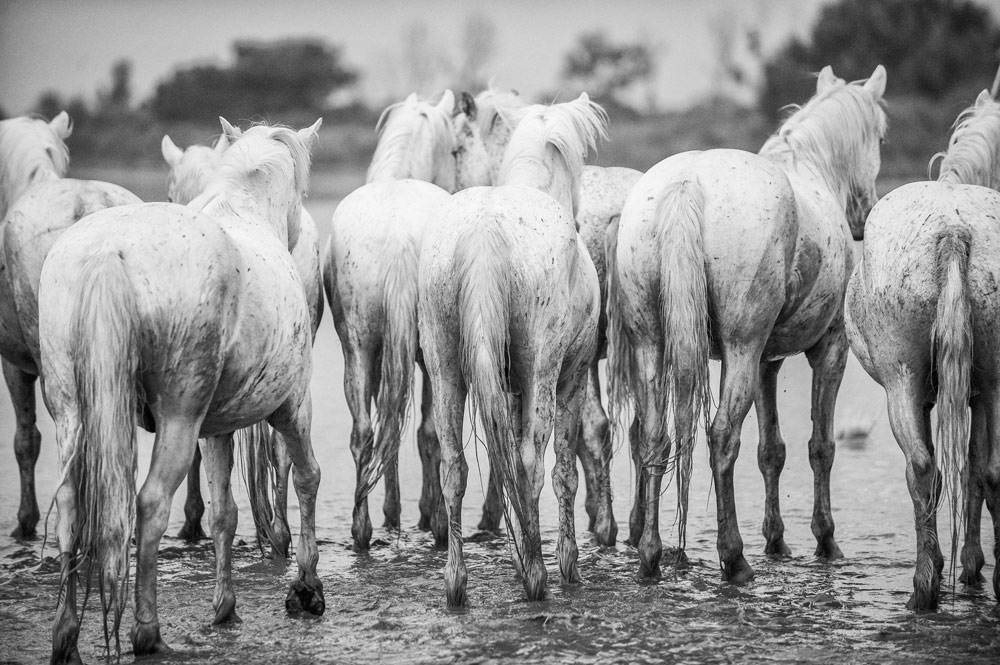
One of the first approaches I explored was creating work that could be sold more than once.
Fine-art photography can be produced for private homes, businesses and interior designers, for example.
Rather than creating every image specifically for one individual client, you can develop a body of work that has the potential to be sold repeatedly.
I began creating personal projects and creative shoots with this market in mind.
Some of that work is still generating sales more than a decade later.
That’s one of the most attractive aspects of creating a commercially viable photographic archive: the work you’ve already created can continue to generate income.
It can also become a long-term asset.
A strong portfolio doesn’t necessarily stop having value when you stop actively shooting. If the rights and commercial arrangements are structured appropriately, the work can potentially continue generating revenue for years.
2. License your photography
Photography licensing is another way of generating income from existing work.
Businesses, organisations, publishers and individuals often need photographs for particular purposes and for specific periods.
Rather than selling the photograph outright, licensing allows you to grant permission for someone to use an image under agreed terms.
Those terms might specify:
- Where the photograph can be used
- How it can be used
- How long it can be used for
- Whether the use is commercial or editorial
- Whether the licence is exclusive or non-exclusive
- The geographic territory covered
Once you understand the principles of image licensing, an existing archive can become a valuable commercial asset.
The key is understanding what rights you are granting and pricing the licence appropriately.
For photographers with a substantial archive of high-quality images, licensing can provide an additional revenue stream without requiring a new client shoot every time.
3. Work with agents
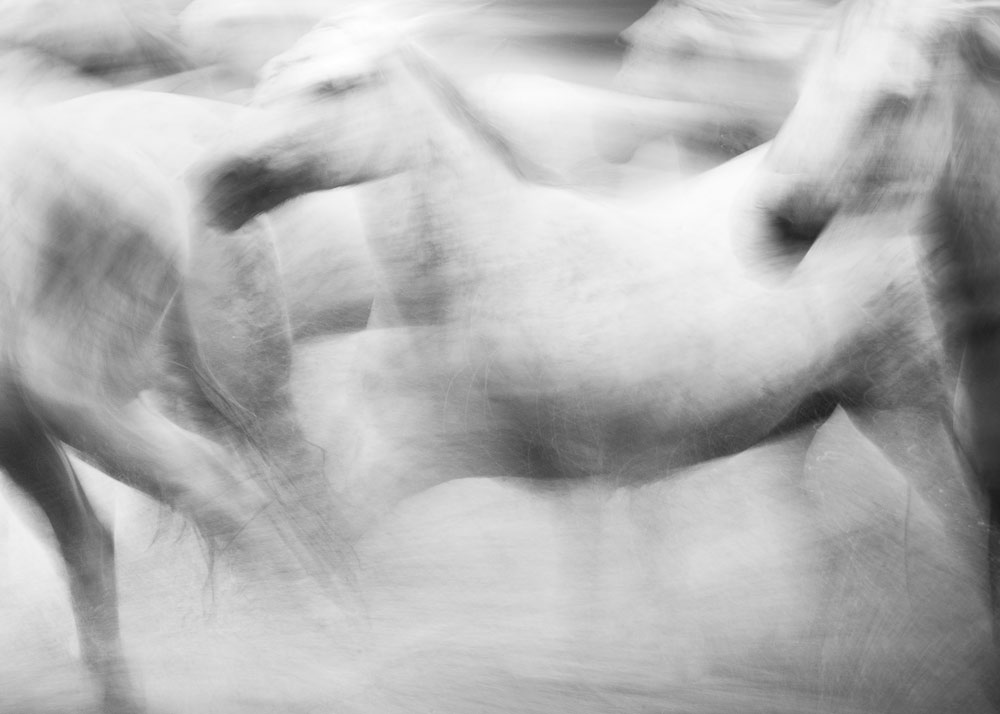
Another option is to work with an agent or specialist company that can sell your photography on your behalf.
This approach can remove much of the sales and marketing burden from the photographer.
I’ve found this particularly rewarding because the sales process can happen without me being directly involved.
An agent can potentially handle aspects such as presenting the work to buyers, processing sales and arranging fulfilment, depending on the agreement.
The photographer then receives an agreed share of the revenue.
Of course, agents don’t work for free, so you need to understand the commission structure and the terms of the agreement before signing up.
But for photographers who would rather spend their time creating than selling, it can be an attractive option.
4. Build a stock photography portfolio
Stock photography has changed considerably over the years, but it can still provide an additional source of income for photographers with the right portfolio and approach.
I was initially reluctant to produce photographs specifically for stock.
I didn’t want to spend my time staging artificial shoots simply because an image might sell.
Then my creative mentor gave me some advice that changed my approach:
“Photograph your life.”
Instead of treating stock photography as a completely separate activity, I started photographing things that were already happening around me.
Family members walking on the beach. My mother and daughter baking together. My children riding their bikes. Family gatherings and everyday moments.
These photographs could then potentially be licensed through suitable stock libraries.
The important lesson is that stock photography doesn’t necessarily have to mean spending every weekend creating generic images for a library.
Your existing photographic interests and everyday experiences can sometimes provide useful material.
Of course, always check the requirements of the library you’re submitting to, particularly around model releases, property releases and commercial usage.
5. Create online photography training
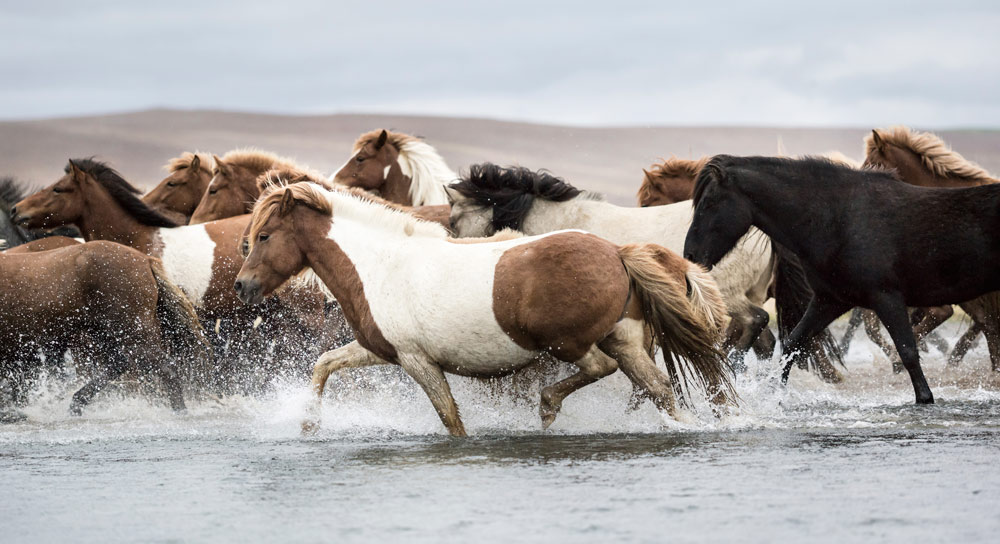
Photography knowledge can also become a commercial asset.
Once you have developed expertise in a particular area, there may be other photographers willing to pay to learn how you achieve your results.
That could involve:
- Online courses
- Video tutorials
- Downloadable guides
- Presets or actions
- Webinars
- Workshops
- One-to-one training
- Membership or subscription content
I’ve been teaching photography through the Training Barn for many years, initially through one-to-one sessions and group workshops.
Teaching live isn’t passive income because you’re still exchanging your time for money.
However, recording a course or series of tutorials changes the economics.
Once the material has been created, it can potentially be sold repeatedly without requiring you to deliver the same lesson every time.
There is still work involved in marketing, maintaining and updating the content, but the same piece of knowledge can generate revenue from multiple customers.
Don’t ignore the value of your existing archive
One of the biggest opportunities for photographers is often sitting on their hard drives.
You may already have hundreds or thousands of photographs that could potentially be earning money in ways you haven’t considered.
Look through your archive and ask:
Could this image be sold as artwork?
Could it be licensed?
Would it work as stock?
Could it illustrate an article or book?
Could it become part of a tutorial?
Could it form part of a collection or product?
You don’t need to completely change your photographic style.
Instead, think about how the work you’re already producing could potentially have more than one commercial purpose.

Don’t rely on one source of income
The biggest lesson I’ve learned is that building additional income doesn’t necessarily mean abandoning your existing photography business.
Your client work can remain the foundation.
The difference is that you’re no longer relying on it for every pound of revenue.
You might have client photography alongside:
- Print sales
- Image licensing
- Stock photography
- Commercial partnerships
- Online education
- Workshops
- Digital products
- Photography books
- Agents or galleries
Not every option will be right for every photographer.
The aim isn’t to try everything.
Instead, identify the opportunities that fit your existing skills, interests and audience.
Start with one idea
The idea of creating multiple income streams can sound overwhelming, particularly when you’re already busy running a photography business.
It doesn’t have to happen all at once.
Start with one idea.
If you have a strong archive, investigate licensing.
If you produce beautiful landscape or fine-art work, investigate print sales.
If you’re an expert in a particular photographic technique, consider creating a tutorial or online course.
If you’re constantly photographing interesting aspects of everyday life, explore whether some of those images could have stock value.
The process starts with an idea, but research and planning are just as important.
Most importantly, you have to take action.
An additional income stream doesn’t become a business simply because you’ve identified the possibility.
Building a more sustainable photography business
The goal isn’t necessarily to create completely passive income.
In reality, most photography income streams require some combination of creativity, marketing, administration and maintenance.
The real opportunity is to create income that isn’t directly tied to every hour you work.
That’s a significant difference.
Instead of constantly asking, “Where will my next client come from?”, you can gradually build assets that continue to have commercial value.
For photographers who want more flexibility, more financial resilience or simply more time away from the camera, that can make a significant difference.
Your photography doesn’t have to earn money only once.
The photographs you’ve created, the knowledge you’ve developed and the audience you’ve built can all become valuable assets within a more diversified photography business.