Flash Photography for Weddings: How to Use Off-Camera Flash
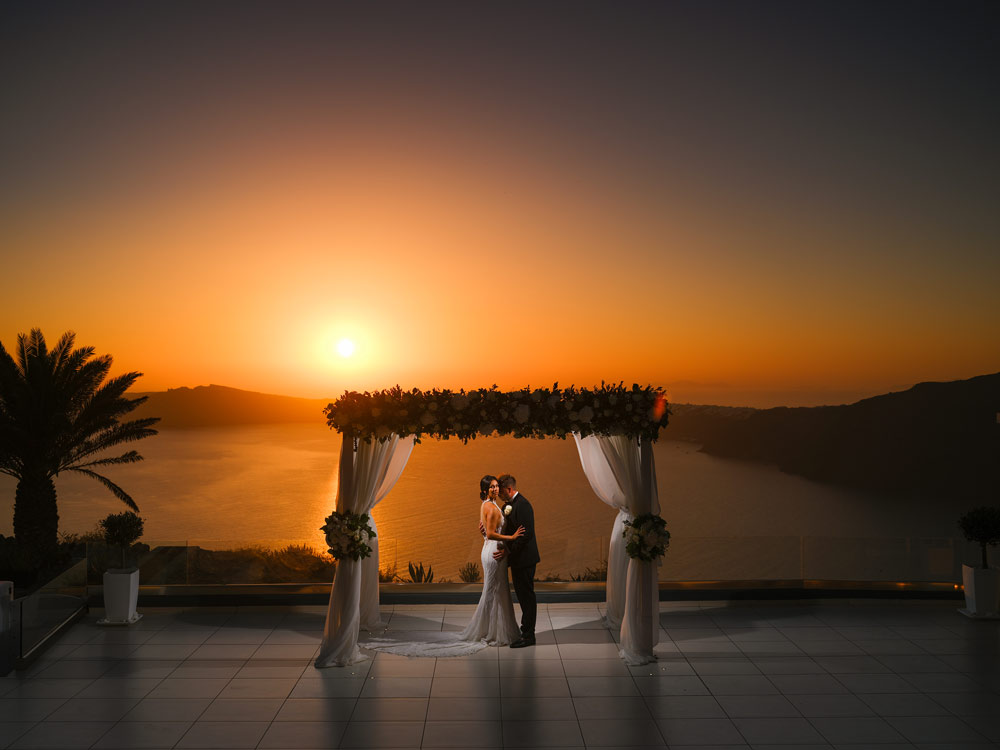
Scott Johnson Grand Master Photographer explains how learning off-camera flash transformed his wedding photography—and why photographers who rely on natural light shouldn’t be afraid to add flash to their toolkit.
I’ve been photographing weddings since 2004.
That’s more than two decades of watching trends come and go.
Some I’ve embraced wholeheartedly. Others have had their moment and disappeared. Colour pop? Guilty. HDR? Tried it. The recent trend for soft, blurry images? I’m still undecided.
But throughout all those years, there was one area of photography I largely avoided:
Flash.
Not the occasional on-camera flash I’d use for group photographs in my early days, but proper, deliberate flash photography.
For years, I was firmly in the natural-light camp.
And I was perfectly happy there.
Why I Avoided Flash Photography
Natural light was quick, simple and unobtrusive.
I knew how to work with it, and it suited the way I wanted to photograph weddings.
Flash, on the other hand, seemed technical, complicated and time-consuming.
I convinced myself that I didn’t need it.
The only real exception was the dancefloor. I’d put a flash on my camera, head into the crowd, capture a few energetic images and then reward myself with a slice of wedding cake.
That was about the extent of my flash photography.
If it wasn’t broken, why fix it?
But there was another side to it.
I admired photographers who used flash exceptionally well.
Looking at the work of photographers such as Gurvir Johal, Sarah Edmunds and Susan Stripling, I loved the polished, cinematic quality they achieved with light.
I just assumed that level of technical skill wasn’t for me.
I was too busy.
Too established in my own workflow.
And, if I’m honest, a little intimidated.
Finding Time to Learn Flash
Then March 2020 arrived.
The world stopped.
Weddings disappeared, work dried up and suddenly I had something I’d rarely had before:
Time.
For years I’d told myself I didn’t have time to learn flash.
Now I had no excuse.
If there was ever a moment to explore the part of photography I’d deliberately avoided, this was it.
I didn’t have the budget for an expensive professional lighting system, so I started with a basic Godox setup.
It was affordable, reliable and, importantly, accessible to someone learning from scratch.
My first attempts were fairly predictable.
I started experimenting in the garden with a reluctant child standing in as my model.
The learning curve was steep.
Why Practice Matters
You can learn an enormous amount from YouTube videos, articles and online tutorials.
But there comes a point when you need to put the camera down, pick up the light and actually start experimenting.
I needed more practical experience.
So I contacted photographer and educator James Musselwhite and arranged a day at his studio in Portsmouth.
We had an incredible model, Miarah, who has since gone on to become the AEW Women’s World Champion.
During the day, James helped me explore a range of lighting situations, including:
- Balancing ambient light with flash
- Using flash to fill shadows
- Overpowering strong sunlight
- Creating natural-looking flash
- Controlling the direction and quality of light
That day was my lightbulb moment.
Pun absolutely intended.
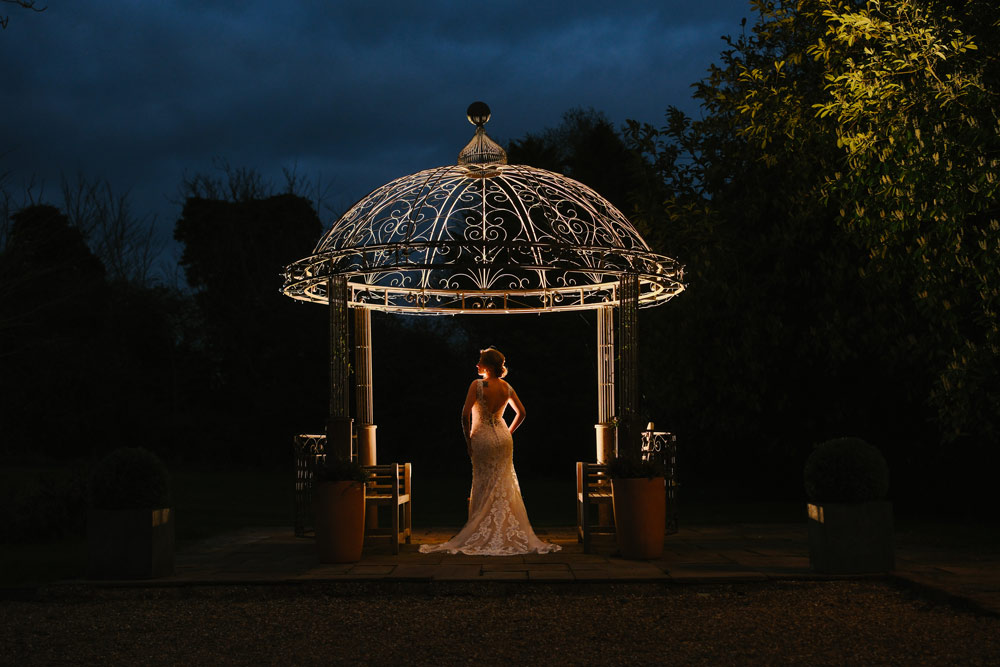
Flash Doesn’t Have to Look Like Flash
Perhaps the biggest lesson I learned was that flash doesn’t have to be dramatic.
It doesn’t have to announce its presence.
It can be subtle.
It can simply provide a little extra light exactly where you need it.
Think about a bride standing in backlit light during a wedding ceremony.
The natural light might be beautiful, but the shadows underneath her eyes could be quite deep.
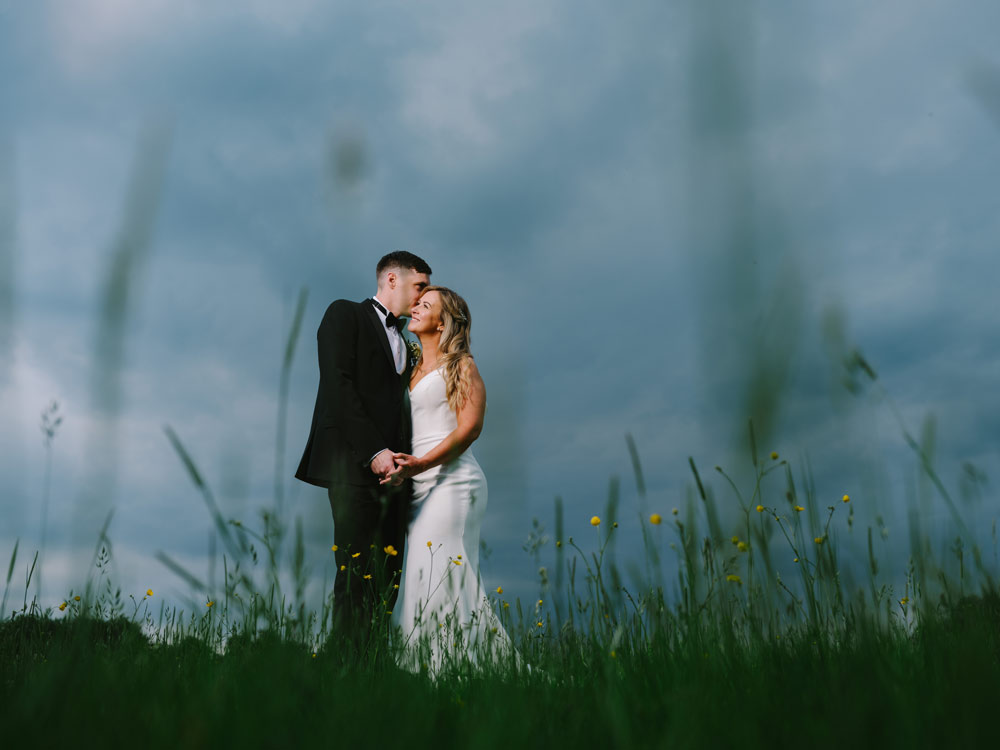
A small amount of fill flash can lift those shadows without making the photograph look artificially lit.
The same principle can work on the dancefloor.
Flash can provide a little separation in a chaotic environment without completely taking over the image.
And when the situation calls for it, you can push things much further and use flash for a deliberately dramatic or theatrical result.
The important thing is having the choice.
Using Flash Without Losing Your Style
One of the reasons I avoided flash for so long was that I thought using it would somehow change the style of my photography.
It hasn’t.
I’m still very much an available-light photographer.
I love natural light for its simplicity, authenticity and speed.
Natural light remains at the heart of my work.
But now I have another option.
Flash is simply another tool in my kit.
And that’s an important distinction.
Learning a new technique doesn’t mean you have to abandon everything you’ve already developed.
It means you have more creative choices.
When I Use Flash at Weddings
I’m not using flash at every wedding or on every photograph.
Instead, I think about whether a particular image will benefit from additional light.
For example, a golden-hour couple portrait might look beautiful using only natural light, but carefully positioned flash can add another level of depth and separation.
A backlit ceremony might benefit from subtle fill.
A busy dancefloor can sometimes benefit from off-camera flash to create more energy and definition.
The key is to think about what the light is doing for the photograph, rather than simply deciding that flash must be used because you’ve brought it with you.
Prepare Before the Moment
One of the biggest benefits of becoming comfortable with flash is that you can prepare in advance.
If I know I want to create a particular image, I’ll set up the lights early.
I’ll test the exposure and make sure everything is ready before the couple arrives.
That means when the moment comes, I don’t have to spend valuable time figuring things out.
The equipment is ready.
The exposure is ready.
I can concentrate on the photograph.
This is particularly important at weddings, where you may have only a few minutes to create an image before the day moves on.
Don’t Experiment for the First Time at a Wedding
There’s an important lesson here for anyone learning off-camera flash.
Don’t make a paid wedding your practice session.
If you’ve bought a new flash, modifier or trigger system, test it before you take it to a client’s wedding.
Learn how it behaves.
Work out how to change the power quickly.
Understand how it interacts with ambient light.
Practise moving the light.
Try different modifiers.
Make mistakes when the consequences don’t matter.
Then, when you arrive at a wedding, you can concentrate on being creative rather than trying to remember which button does what.
Look Back at Your Old Work
One of the strange things about learning a new lighting technique is that it changes how you see your old photographs.
I now look back at some of my earlier work and think:
“How much better would that have been with just a touch of fill?”
I’m not talking about completely rebuilding the lighting setup.
Sometimes it’s just a small amount of additional light.
A little lift in the shadows.
A touch of separation.
A subtle change that brings the photograph to life.
That’s one of the reasons learning flash has been so valuable to me.
It’s changed the way I see light, even when I’m not actually using a flash.

Improve the Weakest Part of Your Photography
I’m a firm believer in trying to improve the weakest part of your game.
For me, that was off-camera flash.
It was something I’d avoided for years because it felt technical and unfamiliar.
Now it’s no longer the big scary unknown.
I’m still learning.
I’m still experimenting.
But I understand it well enough to make conscious decisions about when and how to use it.
And that’s really the goal.
You don’t need to become a lighting expert overnight.
You simply need to become better than you were yesterday.
Start Small
If you’ve been avoiding flash because it feels intimidating, don’t try to learn everything at once.
Start with one light.
Learn how it behaves.
Put it in different positions.
Try it indoors.
Try it outside.
Experiment with ambient exposure.
Then introduce another variable.
Perhaps a modifier.
Perhaps off-camera triggering.
Perhaps balancing flash with strong sunlight.
Give yourself time to understand each change.
The aim isn’t to memorise a set of instructions.
It’s to develop an instinct for light.
Final Thoughts
Learning flash hasn’t replaced my natural-light style.
It has expanded it.
I still love available light, and it remains at the centre of my wedding photography.
But now I have options.
If the light is perfect, I’ll use it.
If a little fill would improve the image, I can add it.
If I want something more dramatic, I know how to create it.
And if a particular situation demands something different, I’m no longer intimidated by the equipment in my bag.
That’s what learning a new technique is really about.
It isn’t about changing who you are as a photographer.
It’s about giving yourself more choices.
So, if you’ve been putting off learning flash because you think it’s too technical, too complicated or simply “not your thing”, I understand.
I’ve been there.
But give it a try.
Start small.
Practise away from the pressure of a wedding.
And you might discover, as I did, that adding a little light can completely change the way you see your photography.
And who knows?
You might even start packing a light before the dancefloor kicks off.
About the Author
Scott Johnson FBIPP FSWPP, Grand Master Photographer
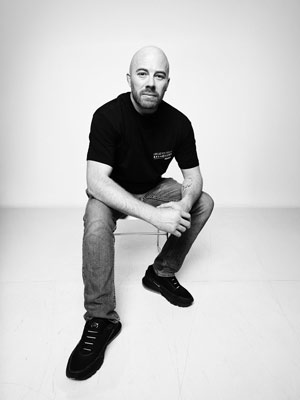
Scott Johnson is an internationally recognised, award-winning wedding photographer based in Essex, UK. Known for his fun and energetic approach, he has photographed weddings around the world and regularly works as a judge, educator and mentor.
Scott has judged for The Society of Photographers, WPPI and international photographic competitions, including the 2020 and 2021 Photographic World Cup.
He holds Fellowships with The Society of Wedding and Portrait Photographers (SWPP) in Wedding and Documentary Photography and was awarded Grand Master Photographer by The Society of Photographers in 2025.
Website: theedgephotography.co.uk