
25 Questions to Ask Photography Clients Before a Photoshoot
By Jen Stitt FSWPP
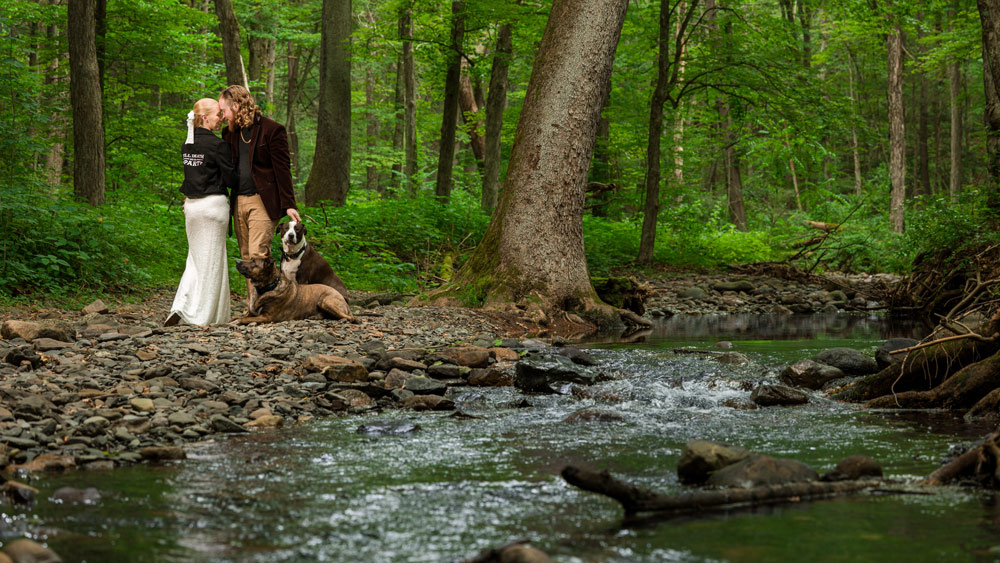
Great photography isn’t only about what happens when you pick up the camera.
The better you understand your clients before a shoot, the easier it becomes to create images that feel personal, meaningful and true to them.
That’s why a good client questionnaire or discovery conversation can be such a valuable part of your photography workflow.
Instead of simply collecting practical information such as dates, locations and contact details, use your questions to discover what makes your clients unique, what they value and what they want their photographs to say.
The answers can influence everything from how you approach the session to the photographs you prioritise afterwards.
They can even give you useful material for personalised social media posts and captions.
Here are 25 questions you can use or adapt for your own photography client questionnaire.
Start with the purpose of the questions
Before creating a client questionnaire, think about what you actually want to learn.
A wedding photographer needs different information from a corporate photographer, for example.
But the underlying purpose is the same: understand the person behind the photographs.
Don’t ask questions simply because they’re on a standard form.
Every question should have a reason.
Will the answer help you:
- Understand your client’s personality?
- Make them feel more comfortable?
- Create more meaningful photographs?
- Understand what matters most to them?
- Identify important people, places or details?
- Personalise the photography experience?
- Discover stories that could influence the shoot?
Once you know what you’re trying to discover, it’s much easier to create useful questions.
1. Get the basics right
Before you get creative, make sure you know how your clients want to be addressed.
A simple question such as:
1. What name do you prefer to be called?
can make a surprisingly big difference.
Someone might officially be Jennifer but prefer Jen. Getting those small details right immediately shows that you’re paying attention.
You could also ask:
2. Is there anything you’d like me to know before we start planning your session?
This gives the client an opportunity to tell you something that doesn’t fit neatly into the rest of the questionnaire.
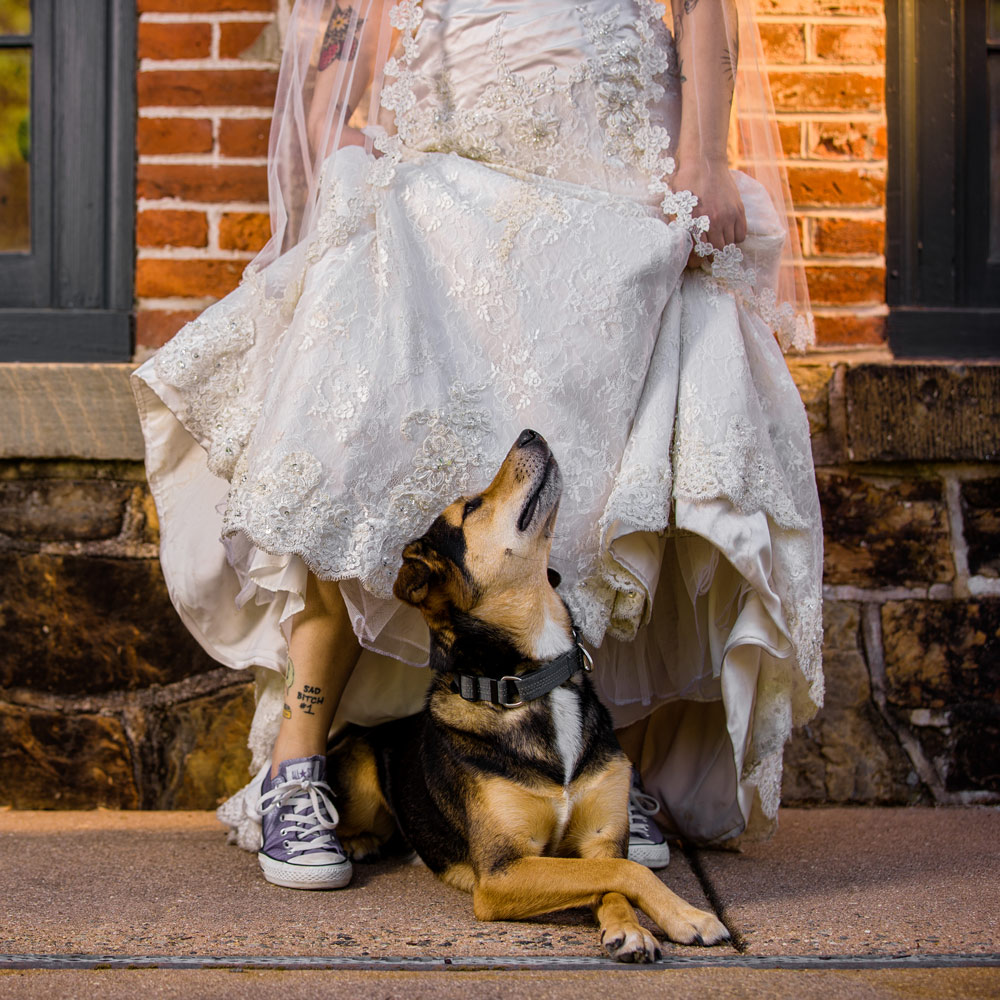
2. Discover what your clients love
The best photographs aren’t necessarily the ones that simply look good.
They’re often the photographs that mean something to the people in them.
Try questions such as:
3. What is your favourite photograph of yourself or your family, and why?
4. What do you most want to remember about this period of your life?
5. What little details about you or your family would you love me to capture?
6. What makes you laugh together?
These questions can reveal the things that matter to your clients and give you ideas for creating photographs that feel more personal.
3. Make the questions fun
Not every question needs to be serious.
In fact, playful questions can be an excellent way to get people talking and reveal personality.
Try:
7. If this photoshoot had a theme song, what would it be?
8. What is something about you that always makes people laugh?
9. What’s your ideal way to spend a free day together?
10. What’s the one thing you couldn’t live without bringing to the shoot?
You can adapt the questions to your personality and brand.
If your photography business has a relaxed and playful style, let that come through in your questionnaire.
Clients will begin to experience your personality before they’ve even arrived at the shoot.
4. Ask questions specific to the session
A good client questionnaire shouldn’t be identical for every type of photography.
Build a core set of questions that you use with everyone, then add questions that relate specifically to the session.
Wedding photography questions
For couples, you could ask:
11. What part of your wedding day are you most looking forward to?
12. What is one thing your partner does that always makes you laugh?
13. Is there a particular person, detail or moment that is especially important to you?
14. If you could relive one part of your wedding day in ten years’ time, what would it be?
These answers can help you understand where the emotional priorities of the day lie.
Family photography questions
For family sessions, consider:
15. What do you enjoy doing together as a family?
16. What are the little things your children do that you want to remember?
17. Are there any family traditions or routines that are particularly important to you?
18. What would you love to see captured that you don’t normally get to photograph yourselves?
These questions can help move a session beyond a collection of posed portraits.
Pet photography questions
Pets are full of personality, so find out what makes each one unique.
Ask:
19. What is your pet’s funniest personality trait?
20. What’s their favourite toy, treat or activity?
21. Is there a funny or memorable story about them that you’d love to remember?
22. Is there anything that makes them nervous or uncomfortable?
The answers can help you plan the session while also giving you ideas for photographs that genuinely reflect the animal’s personality.
Corporate photography questions
Corporate photography requires a different approach.
Try:
23. What should these photographs communicate about your company?
24. How would you describe your brand’s personality?
25. Is there anything about your team, workplace or business that you particularly want the photographs to show?
These answers can help ensure that the resulting images are aligned with the client’s wider business objectives rather than simply being technically good photographs.
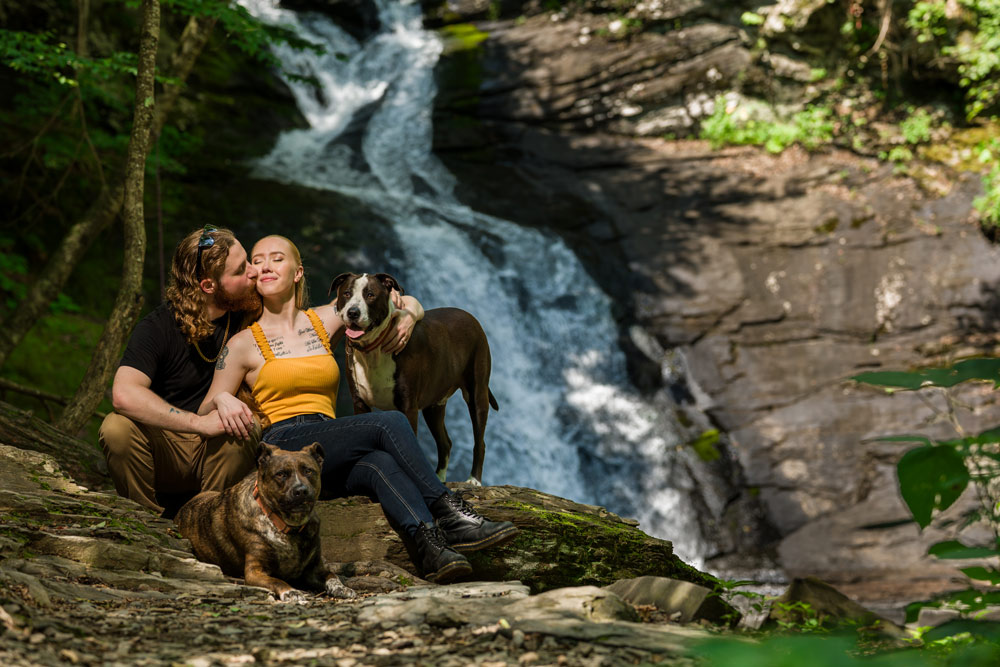
5. Ask about the feeling they want to remember
One of the most useful questions you can ask any photography client is:
“When you look at these photographs in ten years, what do you want to feel?”
The answer can tell you far more than a question about their preferred photographic style.
They might want to remember how close their family was.
They might want to remember how confident they felt.
They might want to remember the excitement of their wedding day.
Or they might simply want to remember a particular stage of their children’s lives.
That emotional information can influence how you approach the session and what you look for while photographing it.
Don’t turn your questionnaire into an interrogation
There’s a balance to find.
A client questionnaire should help you get to know your clients, not feel like homework.
You don’t need dozens of questions for every session.
Give clients permission to skip anything they don’t feel comfortable answering, particularly when you’re asking personal or emotional questions.
You can also use the answers as conversation starters rather than treating the questionnaire as a rigid script.
The goal isn’t to collect as much information as possible.
The goal is to understand your client better.
Keep improving your client questionnaire
Your questionnaire should evolve as your photography business develops.
Pay attention to the questions that produce useful answers and those that consistently result in short or unhelpful responses.
If a question never gives you anything useful, remove it.
If a client gives you an unexpected answer that leads to a fantastic conversation or photograph, consider adding a variation of that question to your process.
Over time, your questionnaire will become increasingly tailored to your clients and your style of photography.
Make it part of your brand
If you send your questions as a PDF or online form, don’t overlook the presentation.
Your questionnaire is part of the client experience.
A playful photography business might use informal language and a colourful design.
A luxury wedding photographer might prefer something more refined and minimalist.
The important thing is consistency.
The experience should feel like an extension of your brand rather than a generic form that could have come from any photographer.
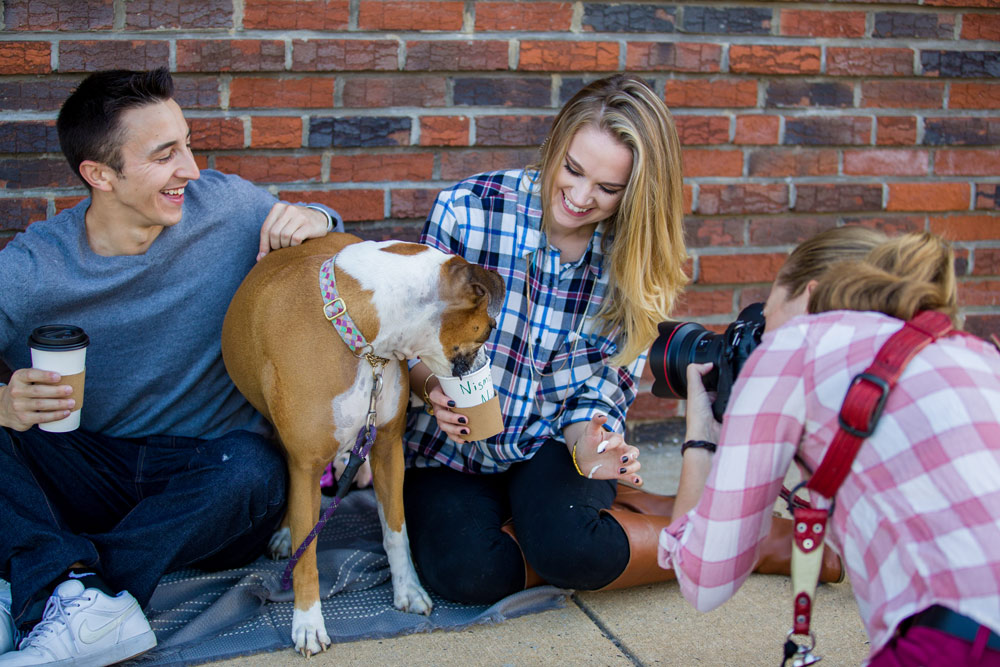
Use the answers beyond the photoshoot
The information your clients give you can have value beyond the session itself.
Their answers might influence:
- How you plan the shoot
- Which photographs you prioritise
- How you communicate with them
- Which images you share
- How you write personalised social media captions
- How you follow up after the session
- Future marketing ideas
For example, if a couple tells you that their dog is an important part of their relationship, that detail might become a wonderful part of the story you tell when sharing their photographs.
The important thing is to use that information thoughtfully and with the client’s permission where appropriate.
The best questions create better conversations
A photography questionnaire shouldn’t be about collecting information for the sake of it.
The best questions create a conversation between you and your client.
They help people feel heard.
They help you understand what matters to them.
And they give you information that can influence the way you photograph them.
When you take the time to understand the people in front of your camera, you’re doing more than preparing for a photoshoot.
You’re creating a better client experience and giving yourself a better chance of producing photographs that have genuine meaning.
The right questions can be the first step towards creating images your clients will value for years to come.
About the Author

Jen Stitt is an award-winning wedding photographer and co-founder of Fox & Brazen. With a background in photojournalism, film and animation, she creates storytelling imagery that combines a cinematic style with timeless moments.
An Fellow of The Society of Photographers and WPPI member, Jen is passionate about empowering photographers and helping to elevate the wedding photography industry through education.