Ross Grieve: From Weddings to World-Class Sports Photography
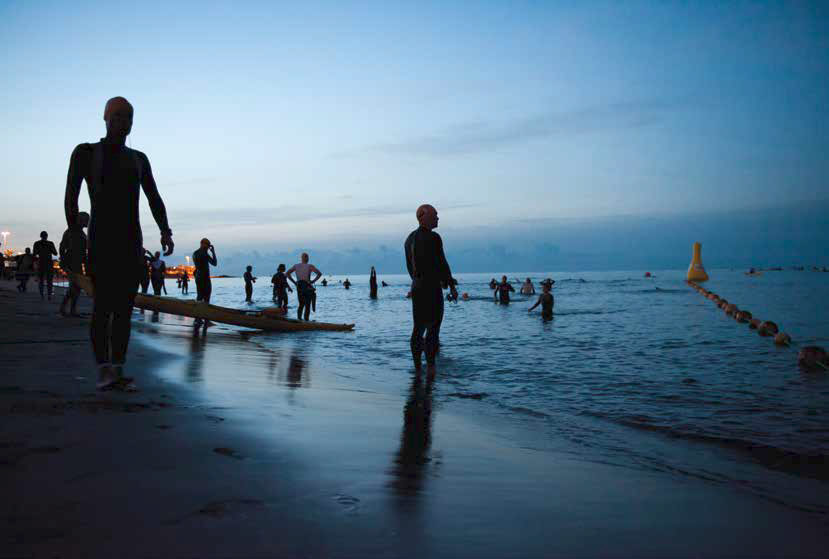
Ross Grieve’s first job as a photographer almost 30 years ago was shooting bungee jumping in his native New Zealand. He made the jump to opening his own wedding and portrait photography business before making the move to Wales with his wife. A gap in the market for creative sports photography resulted in the creation of Dirty Green Trainers, and his business has been going from strength to strength ever since.
Dirty Green Trainers started when a friend who organised triathlons couldn’t find a sports photography company that offered something other than the usual basic and rather functional imagery.
“He wanted something with a bit of character, images that had a unique twist while still being high quality.”
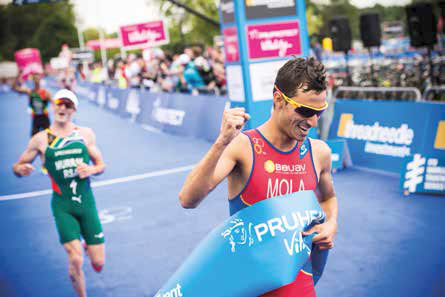
Often event organisers are only interested in providing images to the competitors, however, in a world dominated by social media photography is becoming increasingly more important.
“The organiser wanted to use the shots for marketing as well and through producing that style of imagery I’ve built up good relationships with top-end magazines such as 220 Tri and Triathlete Europe.”
From weddings to triathlons
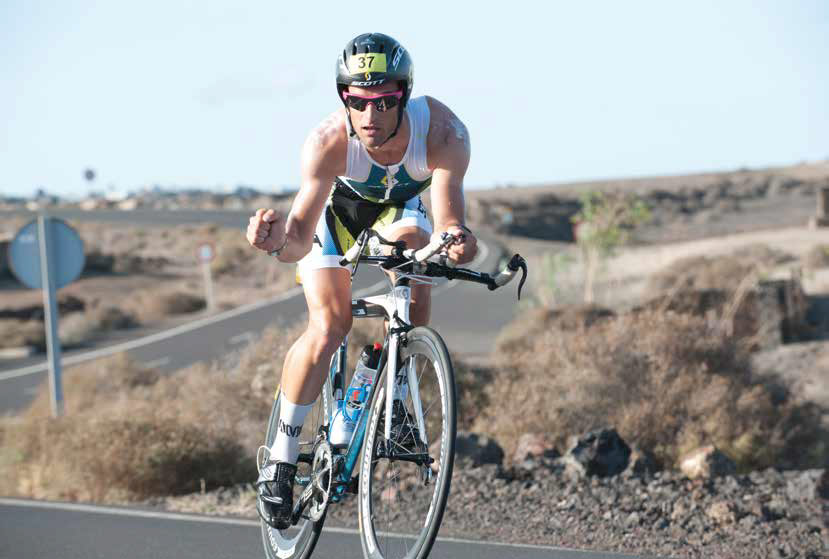
Going from shooting weddings and portraits to shooting triathlons seems like a serious change of pace, however, Ross isn’t quite so sure.
“You only get one chance at triathlons just like you only have one chance at weddings. Wedding photographers can make really good sports photographers because they already have that one-chance mentality built in whereas a portrait photographer who mostly works in a studio might struggle because they can always take the shot again.”
The key seems to be adaptability and a good all-round knowledge to work in any situation that’s thrown at you. Of course, Ross also points out that you have to be prepared to work extremely hard as well; endurance sports can mean gruellingly long days.
His move into sports photography was part of a wider strategy to diversify his business.
“I really loved what I did as a photographer, but I knew I couldn’t carry on the way that I was.”
Ross began photographing both extreme sports and portraits for the high-end market, diversifying his business from being almost exclusively about weddings.
Building the team
Recruiting team members for Dirty Green Trainers is a process that sees Ross carefully handpicking everybody who works for him.
“If I see someone who I think might be a good fit then I get in touch and ask them if they’re interested. However, I also get a lot of emails from people who would like to shoot for me. I make sure that I go through and look at all the portfolios that I am sent and I respond to everyone who writes to me.”
What qualities does Ross look for in the photographers he recruits?
“It’s always good for a photographer to have a style that will fit with our look, but one of the most important aspects is that anyone who works with me has to be able to have a good time! I also really want my photographers to encourage the athletes and be vocal – I expect them to have lost their voice by the end of an event, but I’ll buy a beer for them to get it back!”
It’s an approach that has helped Dirty Green Trainers develop beyond a single photographer. As part of a commitment to picking the best triathlon photographers out there, the company already has photographers based in America, New Zealand and Australia.
“The guys who work for me understand the Dirty Green Trainers’ way of thinking and working, so I’d like for them to spread that ethos without the quality dropping at all.”
Ross also wants to continue improving the technical aspects of the company, including the online sales experience.
“Ultimately though, I’d like Dirty Green Trainers to not just be a UK-based company, but to go global.”
Making a career in sports photography
So what advice would Ross give to someone considering a career in sports photography?
“The most important thing is to understand the kit you’re working with. What lots of people do is go out and buy cameras and then try to shoot sports, but they haven’t taken the time to really learn how to use their equipment.”
Finding work can be tricky too, but Ross suggests starting at local events before working your way up the ladder.
“Start looking at magazines, get some inspiration and then go out to your local sports events and just shoot. If people like your work then offer to sell it to them.”
It sounds simple, but it takes relentless dedication to shooting what you love in order to get a break in sports photography.
The other key is networking.
“Being social is very important to being a sports photographer. But you need to be getting your stuff out there and talking to people so that you can make new connections.”
Evolving in a changing market
Many photographers have been having a tough time of it, not least from part-timers flooding the market, and Ross believes diversification can provide an answer.
His own experience has been to explore opportunities beyond his original specialism.
“I want to tell other photographers about how I started photographing both extreme sports and portraits for the high-end market, diversifying my business from being almost exclusively about weddings.”
Ross has won awards for sports photography, fashion photography and wedding photography, demonstrating the value of being prepared to develop new skills and explore different markets.
He believes that photographers should not be afraid to look beyond the work they are already doing.
“Anything is possible in this industry and I think people are starting to understand that.”
However, Ross is keen to stress that success doesn’t come easily.
“You have to put the hard, hard effort in and that’s what it often comes down to now.”
A different approach to sports photography
The original brief for Dirty Green Trainers was to produce something different from conventional event photography, and that philosophy remains central to Ross’s approach.
For many event organisers, photography has traditionally been about providing competitors with a record of their performance. Ross recognised that there was another opportunity: creating images that could also be used to promote the event itself.
That shift in thinking has helped Dirty Green Trainers build relationships with high-end magazines while giving organisers something more valuable than a simple collection of race photographs.
It’s also an approach that reflects the changing photography market. As social media has become increasingly important to businesses and events, strong visual content has become a marketing tool in its own right.
Sharing the experience
At the Societies’ Convention 2015, Ross was giving a Masterclass on the subject of adapting and evolving your business.
His aim was to encourage photographers to look at their existing skills and consider how they could be applied to different markets.
Ross hoped that delegates would be inspired to explore how they could expand their photography businesses and, having seen some of the images he had produced in his new ventures, recognise what might be possible.
“If people go away from my Masterclass enthused and they put the effort in to succeed, then I will be very happy.”
For a photographer who has successfully moved between weddings, portraits, fashion and sports, while building a specialist sports photography company with international ambitions, Ross Grieve is certainly well placed to demonstrate what can happen when a photographer is prepared to adapt.
At the time, Dirty Green Trainers was still developing, but Ross had ambitions that stretched far beyond its Welsh roots.
“I like to think that at the moment we’re only walking, we’re not quite running yet.”
And if Ross’s track record is anything to go by, there was every reason to believe that the running would come soon enough.