
How to Choose a Photography Niche and Build a Successful Business
By Adrian & Bergit Barnett

If you’re starting a photography business, one of the biggest decisions you’ll face is deciding what you actually want to be known for.
Perhaps you’re interested in weddings.
Maybe you love photographing people and want to specialise in portraits.
Perhaps commercial, property, product or brand photography appeals to you.
Or maybe you’re tempted by whichever photography genre seems to be making money right now.
That’s where things can become complicated.
Every few years, a new photography trend appears to be the next big opportunity. One year it’s weddings, then newborn photography, pet portraits, drone photography, brand photography or content creation.
It can be tempting to jump into whatever appears profitable.
But building a sustainable photography business isn’t simply about finding the “right” genre.
It’s about finding the right niche for you.
What is a photography niche?
A photography niche is a clearly defined area of photography that you choose to focus your skills, marketing and reputation around.
It might be defined by:
- The type of photography you provide
- The clients you work with
- The industry you specialise in
- Your location
- Your particular style or approach
- The problem your photography solves
For example, “commercial photographer” is relatively broad.
“Commercial photographer specialising in environmental portraits for professional service businesses” is much more specific.
Likewise, “portrait photographer” could become “personal branding photographer for female business owners”.
The more clearly you understand who you serve and what you provide, the easier it becomes to explain your business to potential clients.
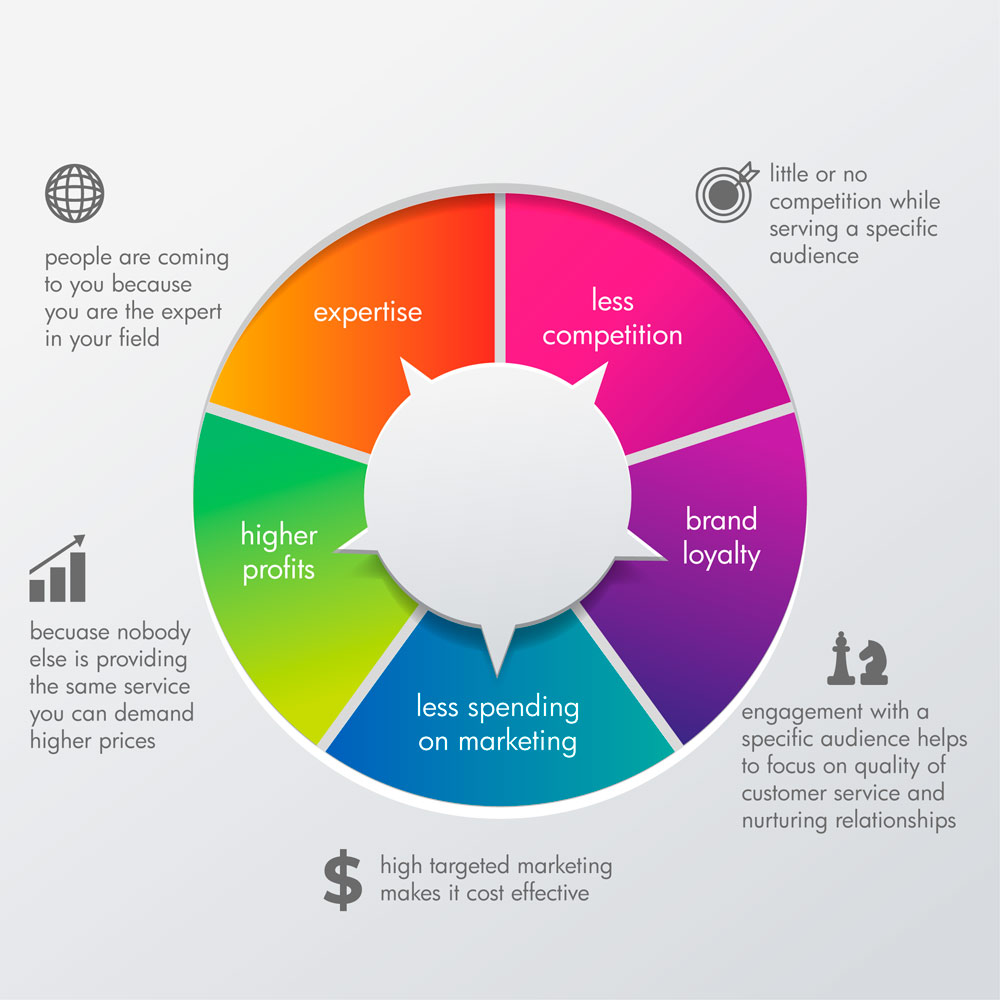
Don’t choose a niche simply because it looks profitable
One of the most common mistakes photographers make is chasing whatever genre currently appears to offer the easiest route to money.
We’ve seen photographers move into weddings, newborn photography, pet portraits, brand photography and other areas because somebody told them:
“That’s where the money is.”
But a profitable photography niche for one person isn’t necessarily the right niche for another.
Imagine you dislike working under pressure, organising large groups and dealing with rapidly changing situations.
You might not enjoy photographing weddings, regardless of how profitable wedding photography appears to be.
On the other hand, if you thrive on energy, enjoy directing people and love working in unpredictable environments, weddings could be a very good fit.
The question isn’t simply:
“Where is the money?”
Ask:
“Where do my abilities, interests and the needs of a market overlap?”

Your photography niche should fit your strengths
Your strengths aren’t limited to your technical photography skills.
Think about the way you work with people.
Do you enjoy directing subjects?
Are you good at building relationships?
Do you enjoy solving complex visual problems?
Are you particularly patient?
Do you enjoy research and preparation?
Are you comfortable working quickly under pressure?
Do you prefer carefully controlled studio work?
Or do you thrive on location?
These characteristics can help point you towards a niche that suits you.
For example, someone who loves detailed planning and controlled environments may enjoy product photography.
Someone who enjoys communication, direction and fast-moving situations may prefer events or commercial people photography.
There is no universally “best” niche.
There is only the niche that fits your strengths, interests and business objectives.
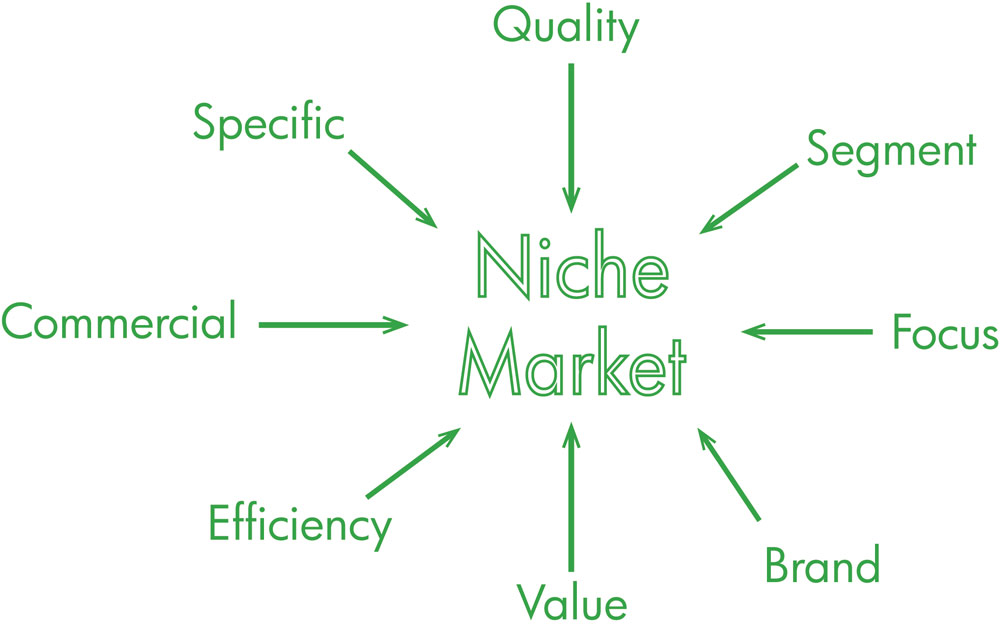
Don’t confuse a trend with a market opportunity
A trend can create an opportunity.
But popularity alone doesn’t prove that a market is right for you.
Brand photography is a good example.
It’s easy to look at brand photography and think:
“I’ll take some attractive photographs of business owners and sell them as branding sessions.”
But effective brand photography is about more than creating attractive images.
You need to understand what the images are supposed to achieve.
How will they be used?
What does the client’s brand represent?
Who is their audience?
What do they want potential customers to think and feel?
Where will the photographs appear?
How do the images fit into the client’s wider marketing?
The more you understand the business problem behind the photography, the more valuable your service can become.
The same principle applies to any niche.
Don’t just learn how to take the photographs.
Learn why the client needs them.
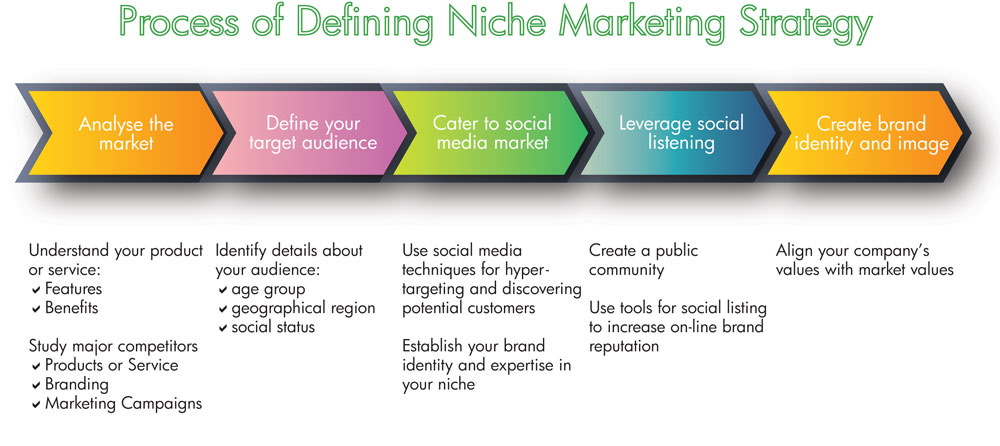
Specialisation can make your marketing clearer
One advantage of choosing a niche is that you don’t have to try to speak to everybody.
Consider the difference between:
“I’m a professional photographer available for portraits, weddings, events, products, businesses, pets and families.”
and:
“I create professional business portraits for companies that want their people to look confident, approachable and authentic.”
The second message gives a potential client considerably more information.
They can immediately decide whether you’re relevant to them.
That clarity can make your website, portfolio, social media and advertising easier to develop.
You don’t have to photograph only one thing
Choosing a niche doesn’t necessarily mean refusing every job outside it.
You might photograph other genres.
You might have multiple income streams.
You might experiment with new types of work.
The important distinction is between what you photograph and what your business is known for.
Your brand can lead with a clear speciality while allowing you some flexibility behind the scenes.
This is particularly useful when you’re developing a new business and don’t yet have a large enough client base to be completely specialised.
Use a SWOT analysis to explore your options
One exercise we regularly use with photographers is a SWOT analysis.
SWOT stands for:
Strengths
Weaknesses
Opportunities
Threats
It can be a useful way to examine potential niches before committing your business to one.
Strengths
What are you naturally good at?
Consider both photography and business skills.
Perhaps you’re particularly good at lighting people.
Maybe you’re excellent at directing non-models.
Perhaps you have previous experience in marketing, advertising, design, construction, fashion or another industry.
Your previous experience can become a valuable advantage.
Weaknesses
Where do you struggle?
Be honest.
Perhaps you don’t enjoy sales.
Maybe you’re uncomfortable directing large groups.
Perhaps your technical skills aren’t yet strong enough for the niche you’re considering.
Identifying a weakness isn’t admitting failure.
It gives you something you can work on.
Opportunities
Where is there genuine demand?
Look beyond social media hype.
Research potential clients.
Talk to businesses.
Look at competitors.
Investigate what people are actually buying.
Most importantly, ask why an apparent gap exists.
A market with little competition can represent a fantastic opportunity.
It can also mean there isn’t enough demand.
Research before you invest heavily.
Threats
What could make your chosen niche difficult?
Competition is an obvious example.
But consider other factors too:
- Changing technology
- Economic conditions
- New competitors
- Changes in client behaviour
- Automation
- Pricing pressure
- Seasonal demand
You can’t eliminate every threat, but understanding them allows you to plan for them.
Three questions to help choose your niche
Start by asking yourself these three questions.
1. What kind of photography energises me?
Think about the work you genuinely enjoy.
What type of shoot makes you lose track of time?
Which subjects do you naturally want to photograph?
2. Which clients do I enjoy working with?
This is often overlooked.
A niche isn’t just about the photographs.
It’s about the people.
You might love photographing a particular subject but dislike working with the typical clients who commission it.
Your ideal niche needs to work for both.
3. Is there a genuine market need?
Enjoyment and talent aren’t enough to build a commercial business.
There needs to be somebody willing to pay for the service.
Research the market.
Talk to potential clients.
Look at existing competitors.
Understand what problems people have and whether your photography can solve them.
Look for the intersection
Your strongest niche may sit at the intersection of three things:
What you’re good at
What you enjoy
What people will pay for
That intersection is much more useful than simply choosing the photography genre with the highest perceived profit.
For us, location photography is an important part of our work.
Adrian enjoys lighting locations almost like film sets, while other photographers might prefer the control and consistency of a studio.
Neither approach is inherently better.
It’s about what suits the photographer and what the client needs.
Our work with businesses also reflects Adrian’s background in film and advertising.
Rather than simply offering “headshots”, we approach business portraits as visual communication designed to express personality and create an emotional response.
That difference in approach helps define our niche.
Your niche can evolve
Choosing a niche doesn’t mean signing a lifetime contract.
Businesses change.
Markets change.
Your interests change.
Your skills develop.
The photography business you start with may look very different from the business you have five or ten years later.
That’s perfectly normal.
The purpose of choosing a niche is to create clarity, not to trap yourself.
You can refine it as you learn more about your market.
You can broaden it.
You can specialise further.
You can even change direction completely.
The important thing is to make those decisions deliberately rather than constantly chasing whatever happens to be fashionable.
Don’t let formula marketing replace your personality
Once you’ve chosen a niche, your marketing needs to communicate why someone should choose you.
This is where many photographers fall into the trap of copying marketing formulas.
They use the same social media templates.
The same captions.
The same phrases.
The same generic promises.
The result is a sea of photography businesses that sound almost identical.
Templates can be useful starting points, but your marketing should still sound like you.
Talk about what you believe.
Explain how you work.
Show your personality.
Explain what makes your approach different.
In a crowded market, being recognisable can be more valuable than sounding exactly like everyone else.
A niche can help you become memorable
When someone asks:
“Do you know a good photographer for X?”
you want your name to come to mind.
That’s much easier when people associate you with something specific.
Instead of being:
“A photographer who does lots of things.”
you become:
“The photographer who specialises in…”
That clarity can make referrals easier because people understand what you do and who you help.
Specialisation can also make it easier to develop deeper expertise, create more relevant marketing and build a portfolio that speaks directly to your ideal clients.
It doesn’t guarantee higher prices or more bookings, but it can give you a stronger foundation on which to build those things.
Case study: finding a specialist market
We recently worked with a specialist airsoft gaming site.
Its target audience is highly specific, and its customers are prepared to travel considerable distances for experiences they value.
Rather than attempting to appeal to everyone, the business focused its marketing on that specialist audience.
A targeted advertising campaign using video helped the business grow significantly.
The lesson isn’t that every photographer should specialise in airsoft.
The lesson is that a small, clearly defined audience can be commercially valuable when you understand what that audience wants and can offer something distinctive.
You don’t necessarily need millions of potential clients.
You need the right clients.
Don’t build your business around somebody else’s success
We’ve both learned through experience, good mentoring and occasionally bad advice that not every opportunity is worth pursuing.
Someone else may be making excellent money from a particular genre.
That doesn’t mean you will.
Their success may depend on their location, experience, reputation, network, personality, marketing, pricing or specialist knowledge.
Instead of asking:
“What is working for them?”
ask:
“What could work for me?”
That’s a much more useful question.
Finding your niche is the beginning, not the end
Choosing a photography niche isn’t a magic solution to every business problem.
You still need good photography.
You need to understand your clients.
You need effective marketing.
You need sensible pricing.
You need to deliver a good experience.
And you need to keep learning.
But clarity about your niche can make all those activities easier to direct.
Rather than trying to appeal to everyone, you can focus your time and resources on the people you most want to work with.
So, before you chase the next “hot” photography trend, take a step back.
Ask yourself:
What am I good at?
What do I enjoy?
Who do I want to work with?
What problem can I solve for them?
Is there a genuine market for that solution?
The strongest photography businesses aren’t necessarily built around the latest trend.
They’re built around a clear understanding of who they serve, what they offer and why clients should choose them.