Portrait Photography Tips: How to Capture Powerful, Natural Portraits
By Emma Finch
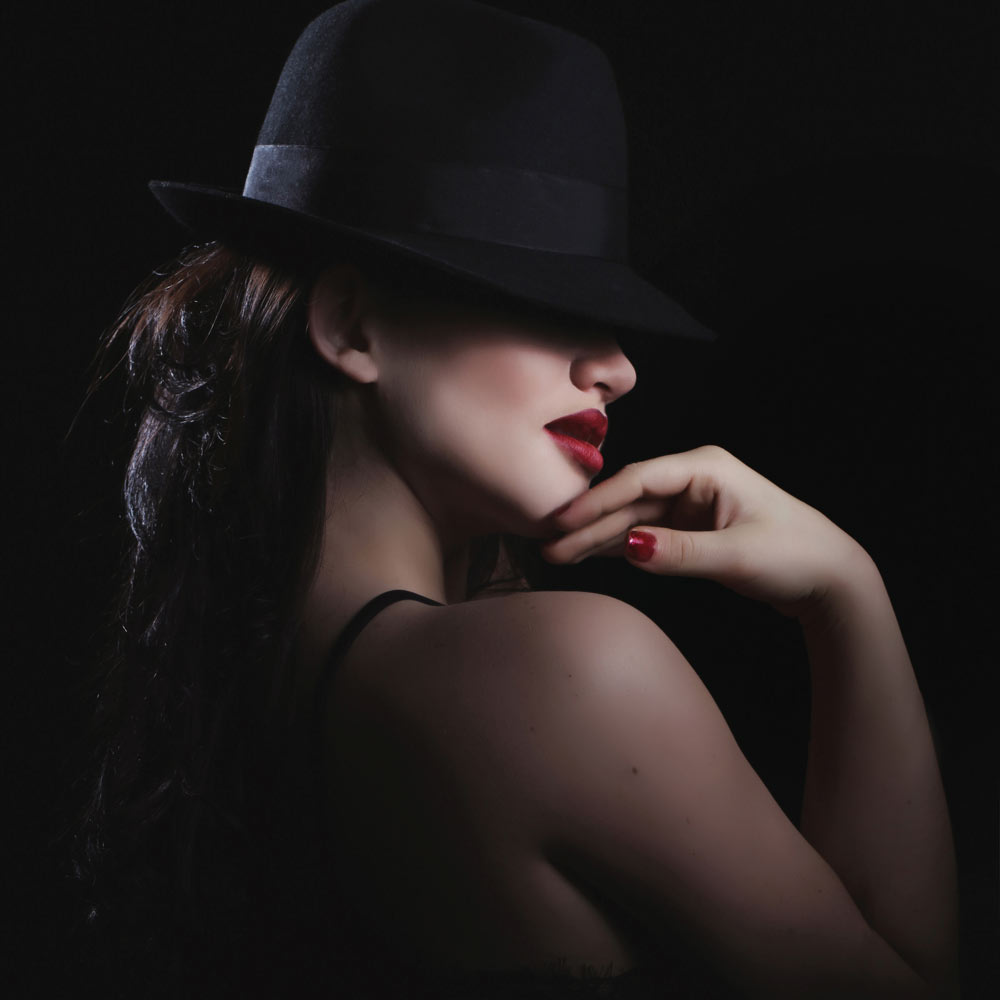
Great portrait photography is about far more than creating a technically correct photograph.
A successful portrait should tell us something about the person in front of the camera. Their personality, mood, character and emotion should all have a place within the image.
Achieving that requires more than simply choosing the right camera settings. Lighting, posing, composition, styling and, perhaps most importantly, the relationship between photographer and subject all play a part.
Whether you’re photographing a professional headshot, a family portrait, a creative studio session or an environmental portrait, these portrait photography tips can help you create stronger, more authentic images.
Build trust with your portrait subject
Portrait photography is as much about people as it is about cameras and lighting.
If your subject feels uncomfortable, nervous or self-conscious, that is likely to appear in the photograph. Even technically perfect lighting won’t disguise a forced expression or tense body language.
Take some time to talk to your subject before you start photographing.
Explain what you have in mind and, where appropriate, show examples or create a mood board so they understand the style you’re aiming for.
Small details can also make a surprisingly big difference.
Is the studio comfortable? Does your subject need a drink? Would they prefer music playing? Are they warm enough?
These things may have nothing to do with your camera, but they can have everything to do with the final photograph.
Keep communicating throughout the shoot rather than leaving your subject wondering what they should be doing.
The more relaxed they become, the more likely you are to capture genuine expressions.
And when it comes to smiles, a natural smile will almost always look better than one produced on command.
How to get natural expressions in portraits
One of the biggest challenges in portrait photography is creating genuine expression.
Rather than repeatedly asking someone to “smile”, keep them engaged.
Talk to them. Ask questions. Make observations. Give them something to react to.
You can also photograph between poses rather than only when you think the subject is “ready”.
Some of the strongest portraits happen immediately before or after the planned shot, when the subject temporarily forgets about the camera.
Watch their body language carefully.
Tension can appear in surprisingly small areas:
- Tight shoulders
- Clenched hands
- A rigid jaw
- A forced smile
- Raised eyebrows
- An unnatural posture
Small adjustments can make the difference between a portrait that feels posed and one that feels authentic.
Master portrait posing
Good posing doesn’t necessarily mean creating complicated poses.
Your job as the photographer is to guide the subject rather than simply telling them to “pose”.
Think about the position of their shoulders, hands, head, eyes and body.
Watch proportions
Perspective can dramatically affect how the body appears.
Anything closer to the camera can appear disproportionately large, while areas further away can appear smaller.
This becomes particularly noticeable when photographing full-length portraits with a wide-angle lens.
Small changes to the subject’s position can therefore make a significant difference.
If a hand, foot or knee is particularly close to the camera, for example, it may appear much larger than expected.
Don’t be afraid to adjust the pose or camera position until the proportions look natural.
The eyes are the focal point
In many portraits, the eyes are the first thing the viewer notices.
That makes accurate focus particularly important.
When photographing a person, pay close attention to the eyes and make sure your focus is exactly where you want it.
Catchlights can also make the eyes appear more alive.
A catchlight is the reflection of a light source in the eye. It can be created naturally by a window or deliberately using a studio light, softbox or reflector.
If the eyes appear dark or the sockets are heavily shadowed, consider changing the position or height of your light.
A small adjustment to the lighting can dramatically change the expression of the portrait.
Use camera position to influence the portrait
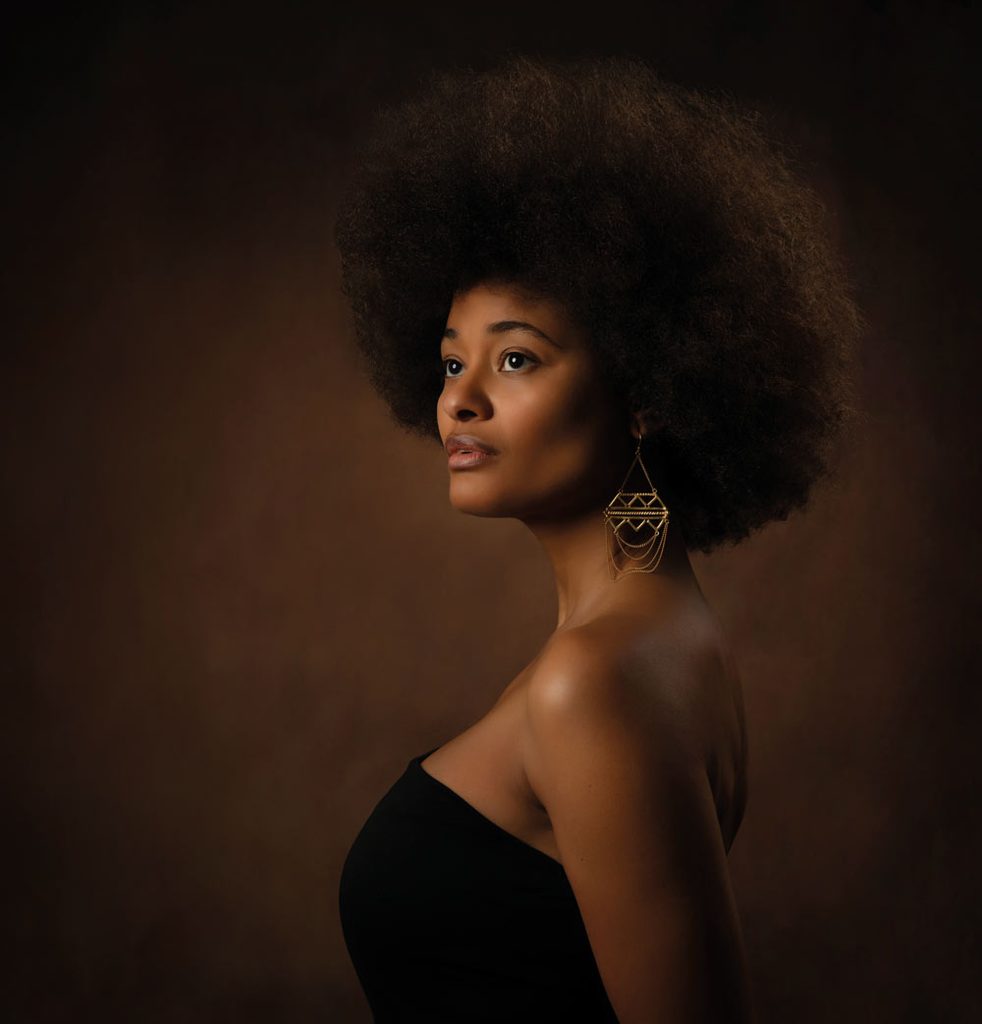
Where you position your camera can influence how the subject is perceived.
Shooting slightly above eye level can provide definition beneath the jaw and can produce a flattering perspective.
It can also make the subject appear more vulnerable.
Move the camera lower and the psychological effect can change.
A low camera angle can make a person appear stronger, more imposing or more powerful.
There isn’t a universally correct camera height.
Think about what you want the portrait to communicate and choose your viewpoint accordingly.
Pay attention to styling
Styling is an important part of portrait photography and should be considered before the shoot begins.
Clothing, hair, make-up and accessories all contribute to the final image.
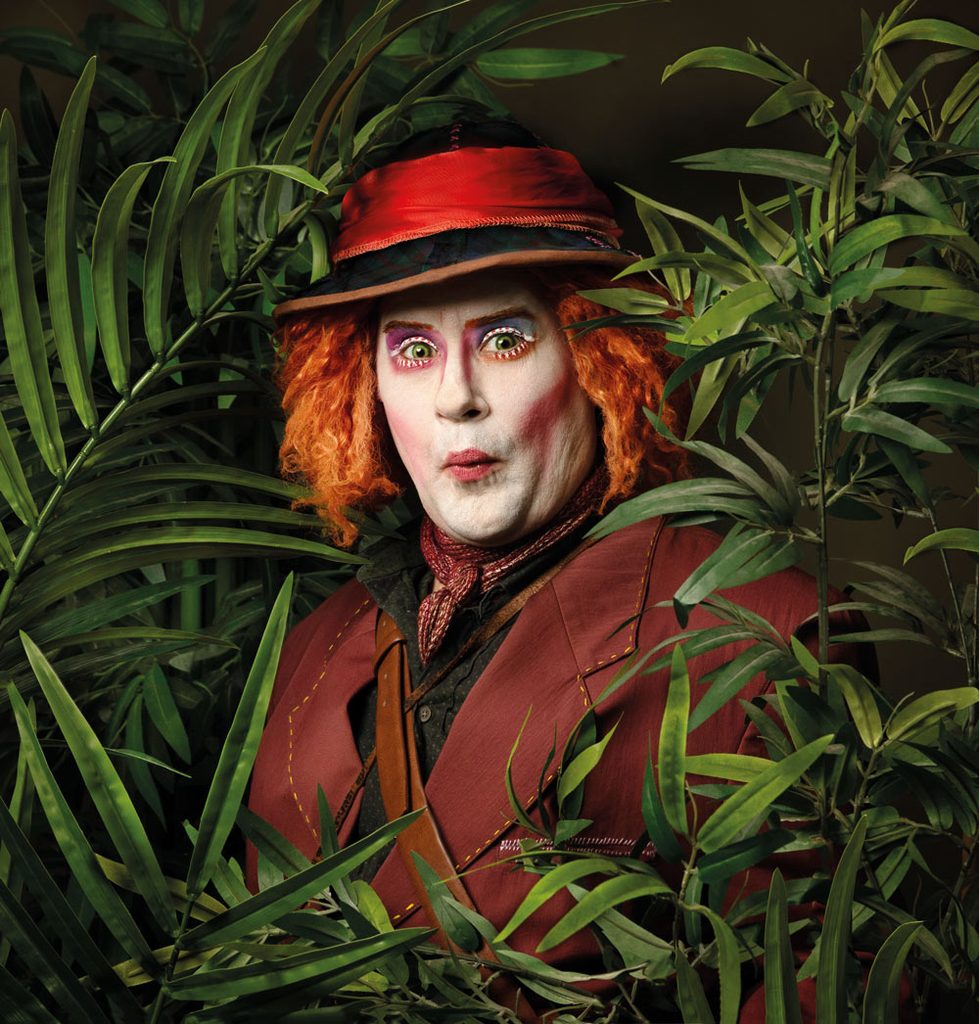
Colour can also influence the composition.
Darker tones generally recede, while lighter and brighter areas attract attention. Busy patterns can compete with the face, while carefully chosen clothing can complement the subject and the overall colour palette.
For studio portraits, professional make-up can be particularly useful.
Studio lighting can reveal details that aren’t necessarily noticeable under everyday lighting, so working with a professional make-up artist can improve the finished image while potentially reducing the amount of retouching required.
Check the small details before you press the shutter
Portrait photographers quickly learn that tiny details can become big editing jobs.
Before taking the photograph, look carefully at:
- Hair across the face
- Jewellery sitting awkwardly
- Twisted necklaces
- Crooked ties
- Clothing folds
- Stray hairs
- Uneven collars
- Distracting objects in the background
Taking a few seconds to correct these things before pressing the shutter can save considerably more time during editing.
Good portrait photography isn’t just about what happens when you press the shutter button.
It’s also about preparation.
Choose your background carefully
The background is an important part of portrait composition.
A great subject can be undermined by a distracting background.
Before starting the shoot, think about the colours, textures and shapes behind your subject.
Ask yourself:
Does the background complement the person?
Does it help tell the story?
Does it draw attention away from their face?
On location, look carefully for distracting signs, bright objects, poles, vehicles or other elements that could compete with the subject.
Sometimes simply moving a few steps can dramatically improve the composition.
Use depth of field to separate your subject
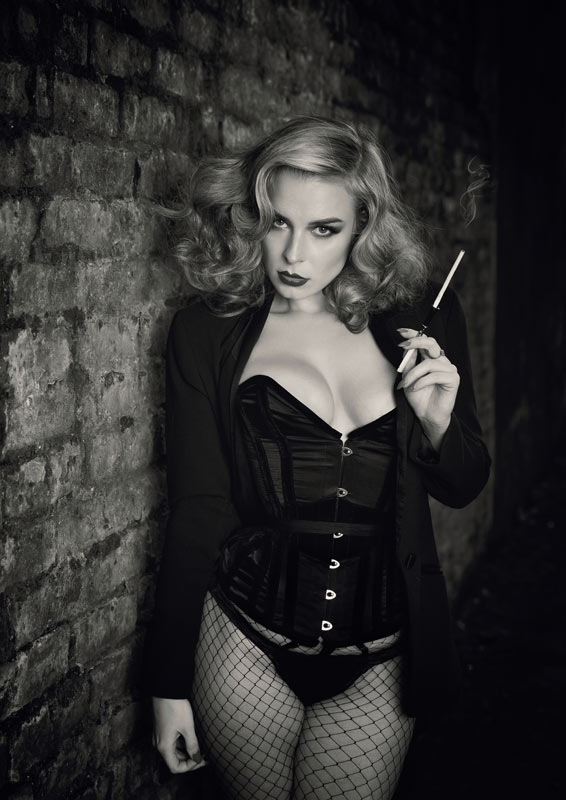
A wider aperture can help separate your subject from a distracting background.
The resulting shallow depth of field can draw attention towards the face while allowing the background to become softer and less prominent.
However, don’t assume that the widest possible aperture is always the best choice.
Portraits with multiple people may require more depth of field, while environmental portraits may benefit from retaining some detail in the surroundings.
Use depth of field deliberately rather than simply shooting everything at the widest aperture available.
Use composition to guide the viewer
Composition determines how the viewer moves through your photograph.
Traditional techniques such as the Rule of Thirds can provide a useful starting point, particularly for photographers who are developing their eye.
Leading lines can also guide attention towards the subject.
Don’t be afraid of negative space either.
An empty area of the frame can make a portrait feel more spacious and can draw even more attention towards the person.
The important thing is to consider why you’re placing your subject where you are.
Composition should support the story you’re trying to tell.
Master portrait lighting
Lighting can completely transform a portrait.
Soft, diffused light tends to create a flattering and approachable appearance. Natural window light, a large softbox, an octabox or bounced light can all produce softer transitions between highlights and shadows.
Harder light creates a very different effect.
It can introduce stronger contrast, drama and definition, making it particularly useful when you’re trying to create a more powerful or mysterious portrait.
There isn’t a single “best” portrait lighting setup.
The right light depends on the person, the subject matter and the mood you’re trying to create.
Use colour to create mood
Colour can influence how a portrait feels before the viewer has consciously considered the subject.
Warm tones can create a welcoming and inviting atmosphere, while cooler tones can feel more distant, serious or dramatic.
You can introduce colour through:
- Clothing
- Backgrounds
- Practical lights
- Coloured gels
- Props
- Post-processing
Think about colour as another part of your storytelling.
For a joyful portrait, brighter colours and open body language might reinforce the mood.
For something more serious, muted colours and stronger shadows may be more appropriate.
Try monochrome portraits
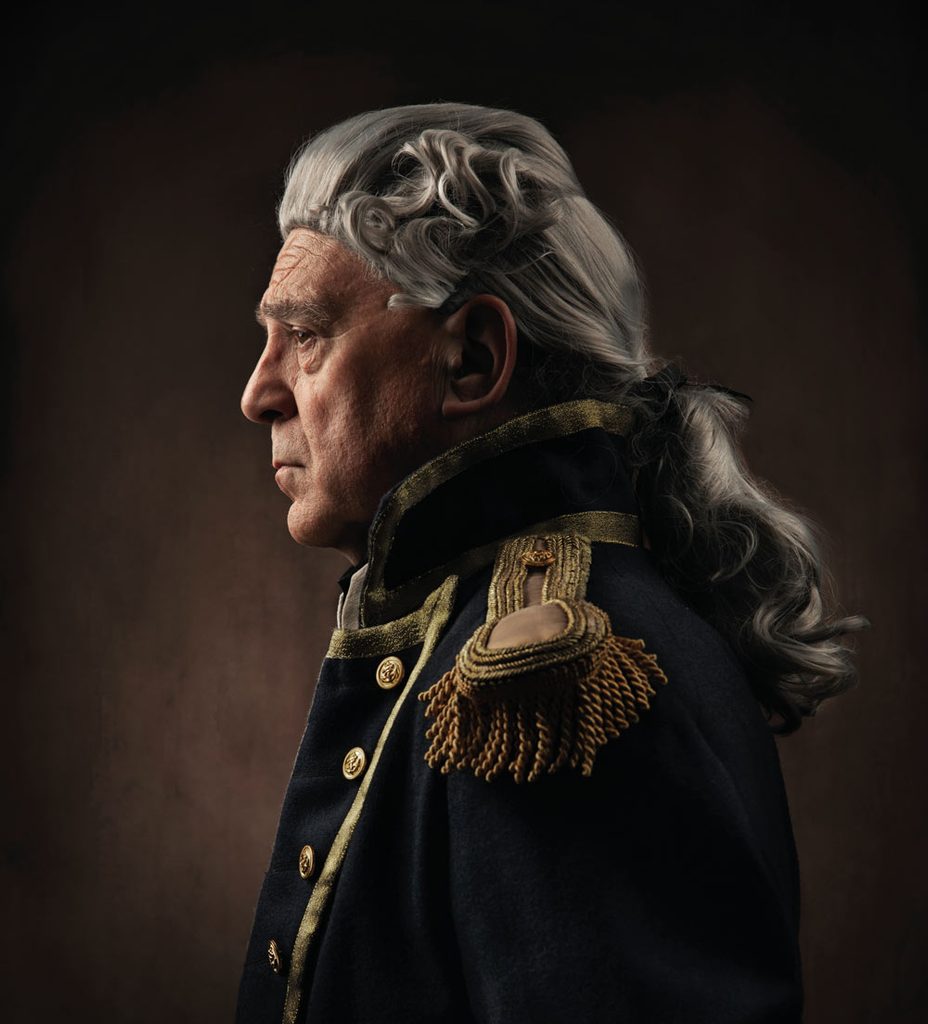
Removing colour can completely change the character of an image.
Black-and-white portrait photography places greater emphasis on contrast, expression, shape and texture.
It can create a timeless or documentary feel and can be particularly effective when colour would otherwise distract from the face.
Don’t simply convert every portrait to black and white.
Consider what removing colour contributes to the image.
If the portrait becomes stronger without the distraction of colour, monochrome may be the right choice.
Use light and editing together
Lighting shouldn’t stop when you take the photograph.
During post-processing, techniques such as dodging and burning can help guide the viewer’s attention.
Lightening important areas can draw the eye towards them, while subtly darkening less important areas can reduce distractions.
The key word is subtle.
Heavy-handed retouching can quickly make a portrait appear unnatural.
The best editing often goes unnoticed because it supports the photograph rather than becoming the photograph.
Plan the portrait before the shoot
The strongest portrait sessions often begin before the camera comes out of the bag.
Consider:
- What is the purpose of the portrait?
- Who is the subject?
- Where will it be photographed?
- What mood are you trying to create?
- What will the subject wear?
- What lighting will you use?
- What background will work?
- Do you need a make-up artist or stylist?
- What references can you show the subject beforehand?
Planning doesn’t mean every part of the session has to be rigid.
In fact, leaving room for spontaneity can be extremely valuable.
The plan gives you a starting point. The interaction with your subject determines where you ultimately go.
The most important portrait photography tip
There are plenty of technical skills to learn in portrait photography, but the most important element isn’t a particular lens, lighting setup or camera.
It’s the person in front of you.
Learn to communicate with your subject.
Learn to recognise when they’re uncomfortable.
Learn when to change direction.
Learn when to stop talking and simply let them be themselves.
Technical knowledge allows you to control the photograph. Building trust allows you to capture the person.
When those two things come together, portrait photography becomes much more than recording someone’s appearance.
It becomes a way of revealing something about who they are.
Final thoughts
Great portrait photography is a combination of technique, planning and human connection.
Understanding light, posing, composition, styling and camera position will give you greater control over the final image. But the relationship you build with your subject is what can turn a technically good photograph into a memorable portrait.
Whether you’re photographing a professional headshot, a family portrait, a personal project or a creative studio session, take the time to understand the person you’re photographing.
Plan carefully, pay attention to the details and keep your subject comfortable.
Then give yourself the freedom to respond to what happens in front of your camera.
The result will be portraits that don’t simply show what someone looks like, but give the viewer a sense of who they are.