How to Meet a Dog for the First Time: A Guide for Dog Photographers
By Jim Barrett-Smith
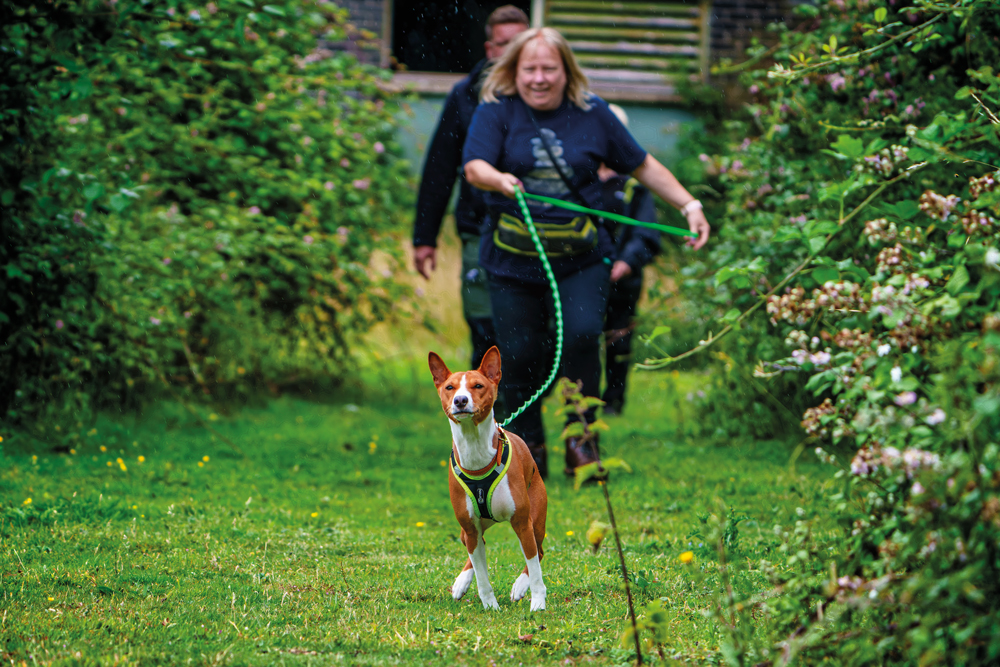
Photographing a dog you already know is one thing. Photographing a dog you have never met before is something quite different.
At dog shows, events, parks and photography sessions, people often approach unfamiliar dogs without thinking about how the animal might interpret their behaviour. For a dog photographer, however, understanding how to make a good first impression is an important part of the job.
A successful dog photography session is not just about cameras, lenses and lighting. You also need to build enough trust that the dog is comfortable in your presence.
Every dog is different. Some will greet you immediately as though you are their new best friend. Others may be cautious, nervous or protective of their owner.
The key is not to force the introduction.
Before you meet the dog
Ideally, find out as much as possible about the dog before the photography session.
Ask the owner about their dog’s temperament, previous experiences and anything that might affect how they behave around unfamiliar people.
This is particularly important with rescue dogs, dogs that are nervous in unfamiliar environments and dogs that have had unpleasant experiences in the past.
There may also be physical issues that the photographer needs to know about.
An ear infection, recent injury, sensitive area, scar or painful joint could make a normally friendly dog react differently if someone touches or approaches that area.
Ask the owner whether there are particular situations that make their dog uncomfortable.
For example:
- Does the dog dislike people approaching its face?
- Is it nervous around strangers?
- Does it dislike hats or unusual clothing?
- Is there anything it is particularly protective of?
- Does it react differently when on a lead?
- Are there any recent injuries or areas that should not be touched?
- Has the dog had previous negative experiences?
These questions can save a great deal of difficulty once the session begins.
Let the dog decide how quickly the introduction happens
When you first meet a dog, resist the temptation to immediately walk towards it, put out your hand or bend down to stroke it.
Instead, give the dog an opportunity to assess you.
This can be particularly important when the dog is meeting you in an unfamiliar studio or location.
A confident dog may approach immediately.
A nervous dog may stay beside its owner and watch you from a distance.
Neither response is necessarily a problem.
Give the dog time.
The owner should remain in control of the introduction, particularly if the dog is on a lead or is unsure about the new environment.
If the dog is hesitant, don’t interpret that as bad behaviour. It may simply need a little longer to decide that you are safe.
Don’t overwhelm the dog
Dogs communicate differently from people.
A human may consider a friendly approach, direct eye contact and reaching out a hand to be perfectly normal. To a nervous dog, however, a stranger walking directly towards it and staring at it can feel threatening.
When first meeting an unfamiliar dog:
- Avoid rushing towards it.
- Avoid leaning over it.
- Don’t put your face close to its face.
- Avoid staring directly into its eyes.
- Don’t make sudden movements.
- Don’t immediately reach over its head.
- Give the dog enough space to move away.
- Follow the owner’s instructions.
A calm, relaxed approach is generally much better than an enthusiastic one.
You don’t need to ignore the dog completely. Simply allow it to investigate you on its own terms.
Read the dog’s body language
Learning to recognise basic canine body language is an important skill for anyone photographing dogs.
A relaxed dog may have a loose body posture and appear comfortable in its surroundings.
By contrast, a dog that becomes stiff, freezes, retreats, repeatedly turns its head away, raises its hackles or growls may be telling you that it is uncomfortable.
Don’t wait for a situation to escalate.
If the dog is showing signs of stress, increase the distance and let the owner take control.
A wagging tail should not automatically be interpreted as “this dog is happy”. Dogs wag their tails for a variety of reasons, so look at the animal’s whole body and behaviour, rather than relying on a single signal.
The more you photograph dogs, the more useful this observation becomes.
Don’t force physical contact
One of the biggest mistakes a photographer can make is assuming that every dog wants to be stroked.
Some dogs love attention from strangers. Others don’t.
If the dog approaches you voluntarily, allow the interaction to develop naturally and follow the owner’s advice.
You don’t need to immediately touch the dog.
Sometimes the best way to build trust is simply to sit or stand nearby and allow the dog to become accustomed to your presence.
This is particularly valuable for shy or nervous animals.
What about treats?
Treats can be useful during a dog photography session, but they shouldn’t automatically be the first step when meeting an unfamiliar dog.
Always ask the owner first.
The owner may have specific rules about food, the dog may have dietary restrictions or allergies, or treats may simply make the dog too excited to concentrate.
If treats are appropriate, let the owner decide what the dog can have and how they should be given.
Treats can then become a useful part of the photography session, particularly when rewarding a behaviour or encouraging the dog to look towards the camera.
Be careful with your equipment
Your camera equipment can also be unfamiliar to the dog.
Large cameras, long lenses, flashes, tripods and lighting equipment can all look or sound strange.
A nervous dog may be unsettled by a photographer suddenly raising a large camera directly in front of its face.
Where possible, introduce equipment gradually.
Allow the dog to become comfortable with the photographer before introducing anything unusual.
If you are working with studio lights or flash, consider whether the dog is comfortable with them before starting the main session.
The same applies to props.
A hat, costume, umbrella or other prop that seems harmless to a human may be something completely unfamiliar to the dog.
Your body language matters
Dogs are highly responsive to the behaviour of the people around them.
If you are tense, rushed or constantly moving around the dog, the animal may become more unsettled.
Try to keep your movements calm and predictable.
Your voice can also help.
Rather than becoming increasingly excited in an attempt to get the dog’s attention, use a calm and confident tone and allow the owner to help direct the dog where appropriate.
Remember that the owner is usually the person the dog trusts most.
Use that relationship to your advantage rather than trying to take control of the animal yourself.
Give the dog time to settle
One of the most valuable pieces of advice for dog photographers is to allow enough time for introductions.
Don’t schedule a dog photography session so tightly that you have to start shooting immediately after the dog arrives.
A dog may need time to explore the studio, sniff the surroundings, watch you setting up equipment and become accustomed to the new environment.
This can be particularly important for nervous dogs.
If the dog settles after ten minutes, excellent.
If it needs thirty minutes, that time may be the difference between a stressful session and a successful one.
The owner may initially worry that time is being lost, but rushing the process can ultimately waste far more time.
Don’t allow your schedule to create pressure
Photographers often work to tight schedules.
You may have another client arriving shortly afterwards, or the owner may have travelled a considerable distance for the session.
That creates pressure.
Unfortunately, dogs don’t understand your appointment diary.
If you become increasingly stressed because the dog isn’t behaving as expected, the atmosphere can become even more difficult.
Build some flexibility into your schedule, particularly when photographing a dog for the first time.
The aim isn’t simply to get the dog sitting in the correct position as quickly as possible.
The aim is to create an environment in which the dog is comfortable enough for you to capture natural photographs.
Build trust before chasing the perfect photograph
Once the dog is comfortable with you, the photography becomes considerably easier.
You can move around it without causing concern. You can introduce your camera and lighting more naturally. You can begin experimenting with expressions, poses and interaction with the owner.
Most importantly, you can concentrate on photography rather than constantly managing an uncomfortable animal.
The best dog photographs often come when the dog is relaxed and behaving naturally.
That might mean abandoning the original shot you had planned and photographing the dog interacting with its owner instead.
Be prepared to adapt.
Always listen to the owner
The owner knows their dog better than you do.
They should be able to tell you what normally works, what doesn’t and when their dog is becoming uncomfortable.
Take that information seriously.
If an owner tells you that their dog dislikes being touched in a particular place, don’t test the theory.
If they say the dog is frightened by a particular object, remove it.
If they ask you to stop an interaction, stop.
The photographer’s job is to create the images while keeping both the dog and its owner comfortable.
When a dog is showing signs of stress
Not every photography session will go according to plan.
If a dog becomes increasingly anxious, aggressive or difficult to manage, don’t try to force the session to continue simply because the client has paid for it.
Create distance and allow the owner to take control.
You may need to change the setup, remove equipment, move to a quieter location or postpone the session.
Your safety and the dog’s welfare are more important than getting a particular photograph.
A professional photographer should also recognise the limits of their own experience. If a dog presents behaviour that you are not comfortable managing, don’t put yourself in a situation you cannot safely control.
Photograph the dog, not just the pose
Once trust has been established, you can start looking beyond the obvious photographs.
A dog sitting perfectly still and looking directly at the camera can make a lovely portrait, but some of the most memorable images happen when the dog is simply being itself.
Watch for:
- Interactions between the dog and its owner
- Natural expressions
- Curiosity
- Playfulness
- Relaxed moments
- Movement
- Characteristic behaviours
- Small details that show the dog’s personality
The more comfortable the dog becomes, the more opportunities you are likely to see.
Give yourself time
There is no universal formula for making a dog trust you.
Some dogs will decide within seconds that you are wonderful.
Others may need considerably longer.
This is why allowing sufficient time at the beginning of a dog photography session is so important.
A good starting point is to allow around 30 minutes for an initial introduction when circumstances suggest the dog may need time to settle, rather than treating thirty minutes as a rigid requirement for every dog.
That time can be used to talk to the owner, understand the dog’s behaviour, introduce equipment gradually and simply allow the dog to become familiar with you.
Once that foundation has been established, you are much more likely to capture photographs that genuinely reflect the character of the dog.
A dog photographer’s first-meeting checklist
Before starting a session with an unfamiliar dog, consider the following:
Before the shoot
- Ask the owner about the dog’s temperament.
- Find out about injuries, medical issues or sensitive areas.
- Ask about previous experiences and known triggers.
- Check whether treats are appropriate.
- Discuss anything the dog particularly dislikes.
When the dog arrives
- Let the owner remain in control.
- Give the dog space.
- Avoid sudden movements.
- Don’t force physical contact.
- Allow the dog to investigate you and the environment.
During the session
- Watch the dog’s whole body language.
- Pay attention to changes in behaviour.
- Introduce unfamiliar equipment gradually.
- Let the owner help direct the dog.
- Stop or change the approach if the dog becomes uncomfortable.
Most importantly: don’t rush the relationship.
A successful dog photography session begins before you take the first photograph. If the dog trusts you, the owner trusts you and everyone is relaxed, you have created the conditions for much better photographs.