Beauty Photography Lighting: How to Balance Flash and Ambient Light
By Seamus Costelloe
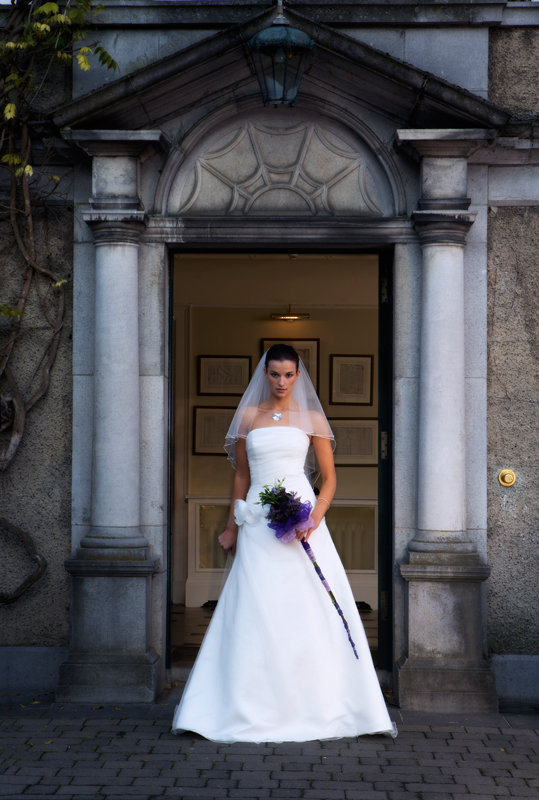
Beauty photography is about more than simply making a subject look glamorous. The lighting, styling, pose and overall atmosphere all work together to create a polished image.
For wedding and portrait photographers in particular, techniques borrowed from fashion and beauty photography can be useful when creating more refined portraits. They can help you move beyond simply recording what is in front of the camera and start creating a particular look for the finished image.
One of the most important parts of that process is learning how to control light.
Start with the look, not the equipment
It is easy to approach lighting by thinking first about the equipment you have available: a flash, a softbox, a reflector or perhaps a selection of studio lights.
A better starting point is to decide what you want the photograph to look like.
Do you want a bright, clean portrait? Something more dramatic and glamorous? A soft image with gentle shadows? Or a portrait with strong contrast and a darker background?
Once you have decided on the look, you can work out how to create it.
This is particularly important when photographing weddings. You may be working in a venue with attractive natural light, but that doesn’t mean you have to accept the light exactly as you find it. Flash can be used to supplement the available light and give you greater control over the final image.
Combining flash and ambient light
One of the most useful skills a photographer can develop is learning to balance flash with ambient light.
Rather than allowing the flash to completely dominate the photograph, think of it as another element within the existing light.
Start by considering the ambient exposure. Look at the background and decide how bright or dark you want it to appear. You can then introduce flash to illuminate and shape your subject.
This gives you considerably more control than simply pointing a flash at the subject and hoping for the best.
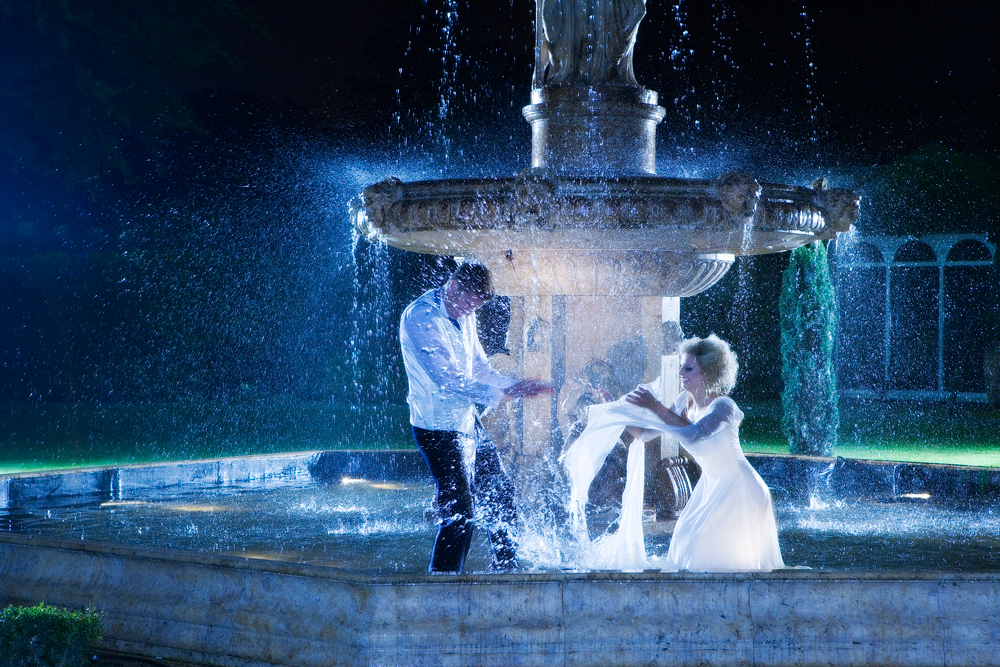
The balance between the two sources can dramatically change the mood of an image. Allowing more ambient light into the photograph can create a brighter and more natural feeling, while reducing the influence of the surroundings can give the subject greater separation and create a more dramatic result.
The important thing is that there is no single “correct” balance. It depends on the effect you are trying to achieve.
Think about the quality of the light
The direction of light matters, but so does its quality.
Large, diffused light sources can produce softer transitions between highlights and shadows, while smaller or harder sources can create more defined shadows and a more dramatic appearance.
For beauty portraits, photographers often want light that is flattering and controlled. That doesn’t necessarily mean eliminating every shadow. Some shadow can help describe the shape of the face and give the portrait depth.
Look carefully at what the light is doing rather than simply following a lighting diagram.
Small changes in the position or height of the light can alter the appearance of the face considerably.
Styling is part of the photograph
Lighting is only one part of a beauty image.
Hair, make-up, clothing and styling all contribute to the final result. This is one reason why techniques from fashion and beauty photography can translate so well into wedding photography.
If you are photographing a bride for a more editorial-style portrait, for example, think about the complete image rather than concentrating solely on the camera settings.
How does the hair catch the light?
Does the make-up work with the lighting?
Is the clothing helping create the look?
Is the background distracting from the subject?
Where are the hands and eyes?
All of these decisions contribute to the finished photograph.
Working with other creatives
If you are working with a professional hair and make-up artist or stylist, take advantage of their expertise.
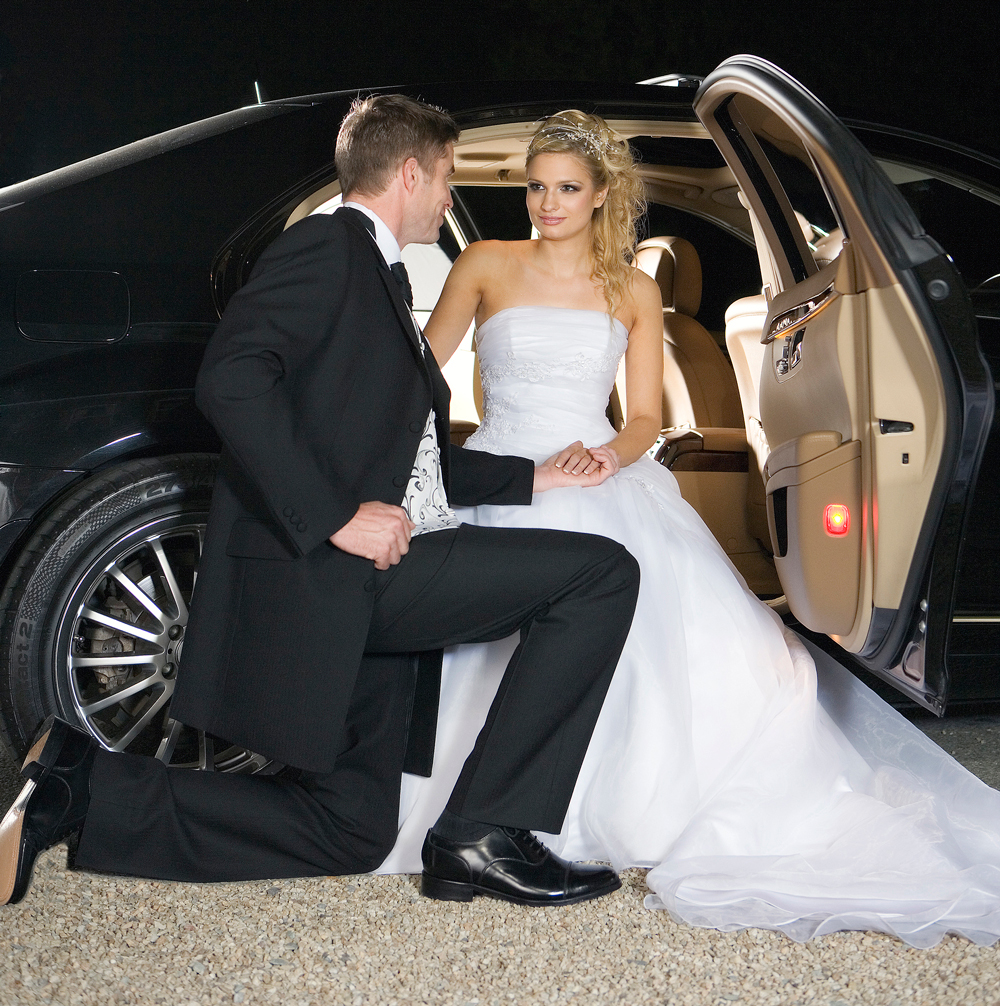
A good collaborative relationship can make a significant difference to a portrait session. Rather than treating the photographer, stylist and make-up artist as separate parts of the process, work together towards the same visual result.
Even when you are working at a wedding and don’t have a full creative team around you, the principle still applies.
Communicate with your subject. Look at the clothing and surroundings. Make use of whatever opportunities the location gives you.
The photographer’s job isn’t simply to find the right exposure. It is to bring all of these elements together.
Bringing fashion techniques into wedding photography
Wedding photography doesn’t have to look like fashion photography, but there is plenty that wedding photographers can learn from the fashion world.
Fashion photography often involves careful attention to:
- Lighting
- Pose
- Expression
- Styling
- Background
- Composition
- The relationship between the subject and the camera
These ideas can be introduced into wedding portraits without losing the sense of occasion.
A wedding couple may want a mixture of photographs: natural images that capture the atmosphere of the day, family photographs, photographs with friends and more carefully created portraits.
The more controlled portraits are an opportunity to slow things down and create something different.
Give your subject direction
A technically good lighting setup won’t automatically produce a good portrait.
People can become uncomfortable when they are placed in front of a camera and simply told to pose.
Give them something to do.
Small changes in posture, the position of the hands, the direction of the face or where the subject is looking can make a considerable difference. Keep communicating throughout the process so that the subject understands what you are trying to achieve.
The aim isn’t necessarily to create a complicated pose. Often, a simple pose with good light and confident direction will produce a much stronger photograph.
Look beyond the obvious
Beauty and glamour photography can encourage photographers to look more carefully at details.
Instead of photographing the entire scene every time, consider moving closer and concentrating on the elements that make the portrait work.
Look at the eyes, the hands, the texture of clothing, the hair and the way light falls across the face.
These smaller details can also provide useful opportunities during a wedding. A bride’s preparation, for example, may contain a mixture of wide environmental photographs and much tighter portraits or details.
Changing your viewpoint and focal length can help you tell more of the story.
Develop your own approach
There are countless lighting techniques and styles available to photographers. The objective isn’t to copy somebody else’s setup exactly.
Study other photographers. Look at how they use light, styling and composition. Then experiment with those ideas and see what works for you.
Over time, you will discover the combinations that suit your own photography and the clients you want to attract.
For some photographers that might mean highly polished, fashion-influenced wedding portraits. For others it might mean something much more natural.
Neither approach needs to be right for everyone.
What matters is understanding the tools you are using and being able to make deliberate decisions about the final image.
Make the most of the light you have
You don’t always need a complicated lighting setup to create an effective beauty portrait.
Start by looking at the light that already exists. Consider its direction, quality and intensity. Then decide whether you need to add, remove or modify light.
Sometimes the best solution is simply to move the subject.
At other times, a reflector, diffuser or flash can give you the control you need.
The more comfortable you become with these decisions, the less dependent you become on a particular piece of equipment.
Create, don’t just record
The biggest lesson to take from beauty and fashion photography is perhaps the importance of making deliberate choices.
Instead of simply finding a subject and pressing the shutter, consider what you want the viewer to see.
Control the light.
Consider the styling.
Direct the subject.
Think about the background.
Decide how much of the surroundings should be visible.
Then bring those elements together into a photograph that has a clear purpose.
For wedding photographers, this approach can add another dimension to the coverage. Alongside the spontaneous moments and documentary images, you can create carefully considered portraits that make the couple feel special and give them something different from the photographs they might expect.
And ultimately, that is where good lighting becomes more than a technical exercise: it becomes part of the creative process.