
How to Work with a Second Wedding Photographer
By Jon Jenkins and Richard P Walton
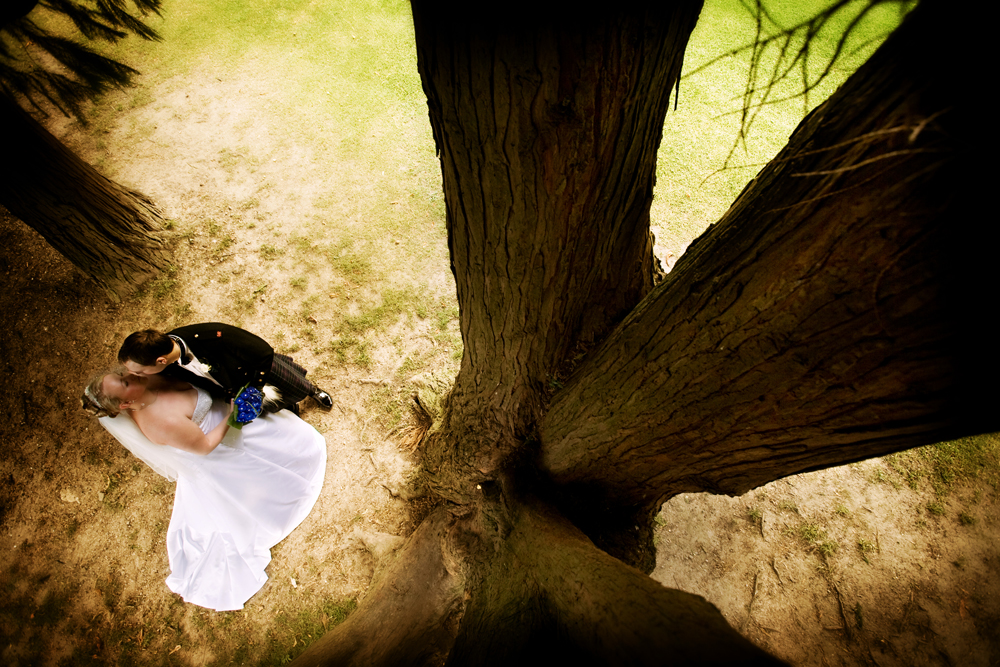
Having two photographers at a wedding can be about much more than simply having another camera in the room.
Used properly, a second photographer can help cover the essential photographs while giving the main photographer more freedom to create something different. It can also reduce the pressure of trying to do everything yourself.
But for that to work, the two photographers need to understand their roles and work as a team.
The experience of wedding photographers Jon Jenkins and Richard Walton offers some useful lessons in how that relationship can work.
Give each photographer a clear role
One of the biggest advantages of having two photographers is that you don’t both need to be doing the same thing.
At a busy wedding, the main photographer may need to concentrate on the essential coverage: family groups, key moments, formal portraits and making sure the couple receive the photographs they expect.
The second photographer can then look for opportunities elsewhere.
That might mean photographing the reactions of guests, finding an alternative angle during the ceremony, looking for interesting backgrounds or taking the couple away for a more creative portrait.
The roles don’t have to be rigid, but there should be an understanding of who is responsible for what.
The last thing you want is two photographers concentrating on the same photograph while something important is happening somewhere else.
Get the essential photographs first
Creative wedding photography is exciting, but it shouldn’t come at the expense of the photographs the couple have actually asked you to take.
This is an important distinction.
There is always a temptation to chase the photograph that might win an award or become your favourite image of the day. But the couple may be much more concerned about having photographs of their parents, grandparents, bridesmaids and friends.
Those photographs matter.
A useful approach is to make sure the essential coverage is under control before spending more time on the creative images.
Think of it as shooting for the client before shooting for yourself.
Once you know the important photographs are safely in the bag, you can give yourself more freedom to experiment.
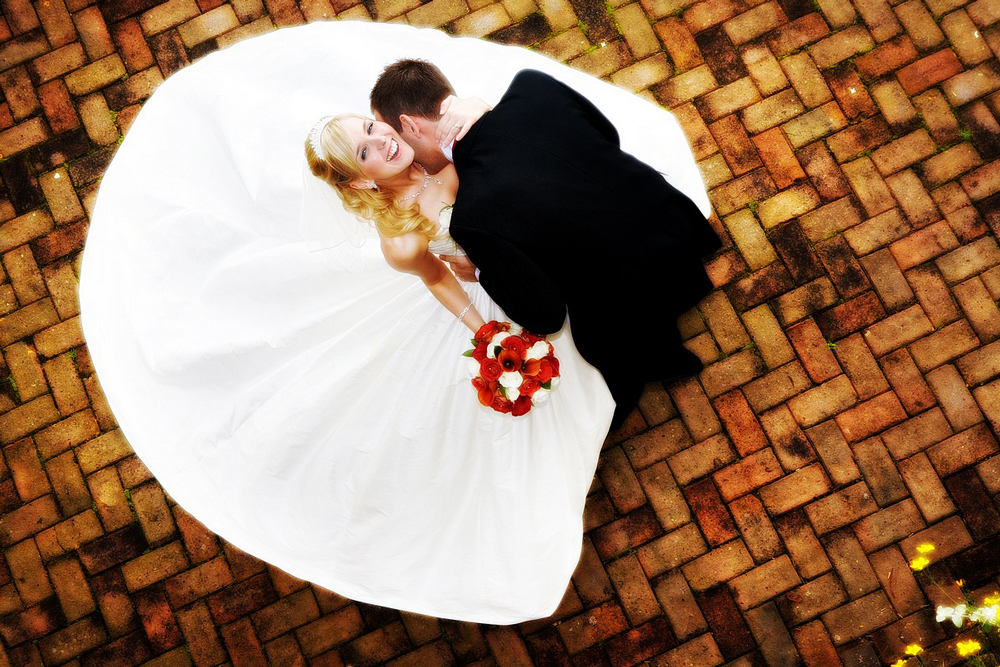
Give the second photographer room to create
A good second photographer shouldn’t simply follow the main photographer around and take the same photograph from six feet away.
Give them a job to do.
While you are organising a series of family groups, they might be photographing reactions and interactions between guests. While you are concentrating on the couple, they might be looking for an alternative composition.
They may see opportunities that you have missed simply because you’re concentrating on something else.
This is one of the real benefits of having another photographer: two people see a wedding differently.
Use that difference rather than trying to make both photographers work in exactly the same way.
Communicate before the wedding
Good teamwork starts before the wedding day.
Talk through the schedule, important family groups, ceremony arrangements and any restrictions at the venue.
Make sure both photographers understand what the couple are expecting.
If there are particular photographs that are especially important, make sure the second photographer knows about them.
It is also worth discussing your working styles.
Who takes the lead during formal photographs?
Who organises groups?
Who handles details?
Who photographs guests while the main photographer is working with the couple?
The more of these questions you answer beforehand, the less time you will spend working them out when the wedding is already underway.
Use the pre-wedding meeting to set expectations
The relationship between photographer and couple is just as important as the photography itself.
If you want to create more creative or carefully directed portraits, explain that before the wedding.
Show couples examples of the type of photographs you want to create and explain what will be involved.
If a particular photograph needs ten or fifteen minutes, tell them.
If you need them to move away from their guests for a short period, explain why.
This gives couples a choice and, more importantly, prevents surprises on the wedding day.
It also means that when you say, “I need another five minutes with you,” they understand that you’re not simply disappearing with them for no reason.
Client expectations come first
Every couple is different.
Some will be happy to spend plenty of time creating portraits. Others will want to get back to their guests as quickly as possible.
Some couples love being directed. Others prefer something much more relaxed.
Your job is to understand what they want and then work within those expectations.
That doesn’t mean you have to accept every request without discussion.
If a couple shows you a portfolio image they particularly like, explain what was involved in creating it.
Perhaps the photographer needed a particular location, lighting setup or a significant amount of time.
If you want to create something similar, make sure the couple understands what you need from them.
Good communication before the wedding makes the photography much easier on the day.
Look for the photographs that aren’t on the shot list
A wedding photography list is important, but it shouldn’t be the entire day.
Once the essential photographs are covered, keep looking.
Watch the guests.
Look for interactions between family members. Watch for children playing, friends laughing and quiet moments between the couple.
A second photographer can be particularly useful here because they can concentrate on these photographs while the main photographer is dealing with the formal requirements.
These photographs can become some of the most memorable images in the final collection.
Don’t confuse creativity with unnecessary risk
Creative wedding photography sometimes means getting into an unusual position or finding an unexpected viewpoint.
That’s fine, provided it is sensible and safe.
You don’t need to climb onto roofs, balance on railings or put yourself or anyone else in danger simply to get a different angle.
Instead, look for creative opportunities that are already around you.
Try changing your viewpoint.
Move closer or further away.
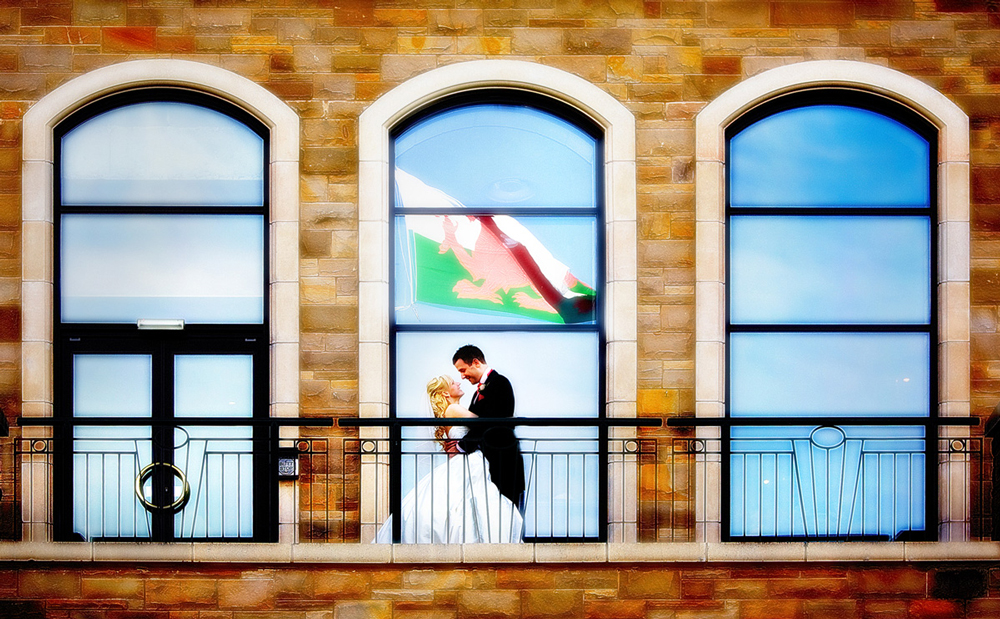
Use reflections.
Look for strong foregrounds.
Photograph through doorways.
Use architecture.
Change your lens.
Try a different angle.
Sometimes a small change in viewpoint is enough to turn an ordinary photograph into something much more interesting.
Make the experience part of the photography
Couples remember more than their finished photographs.
They remember how you behaved on the day.
They remember whether you were friendly, whether you made them feel comfortable and whether you appeared to be enjoying yourself.
That doesn’t mean you have to turn the wedding into a performance.
It simply means that your attitude matters.
If the photographer is calm, confident and positive, that tends to make the couple’s job easier.
And when people are comfortable, they generally photograph better.
Two photographers can bring different strengths
A successful partnership doesn’t require two photographers who work identically.
In fact, the differences can be an advantage.
One photographer might be highly organised and focused on keeping the schedule moving. The other might be more instinctive and constantly looking for unusual compositions.
One might be particularly good at working with large groups. The other might have a talent for creating relaxed portraits.
The important thing is understanding those strengths and using them.
The second photographer should add something rather than simply duplicate what the first photographer is already doing.
Remember why you’re there
Wedding photography can become stressful.
There are schedules to manage, groups to organise, changing weather, difficult lighting and sometimes very little time to create the photographs you have in mind.
It’s easy to become frustrated when things don’t go according to plan.
A useful change in mindset is to treat those problems as part of the job rather than as reasons why the photography cannot work.
The venue may not be ideal.
The weather may be terrible.
The couple may have less time than expected.
The light may disappear.
None of that means there aren’t good photographs to be made.
Adapt.
Look for another location. Change the composition. Use the weather. Simplify the lighting. Work with what you’ve got.
The ability to produce good photographs in imperfect circumstances is one of the most valuable skills a wedding photographer can develop.
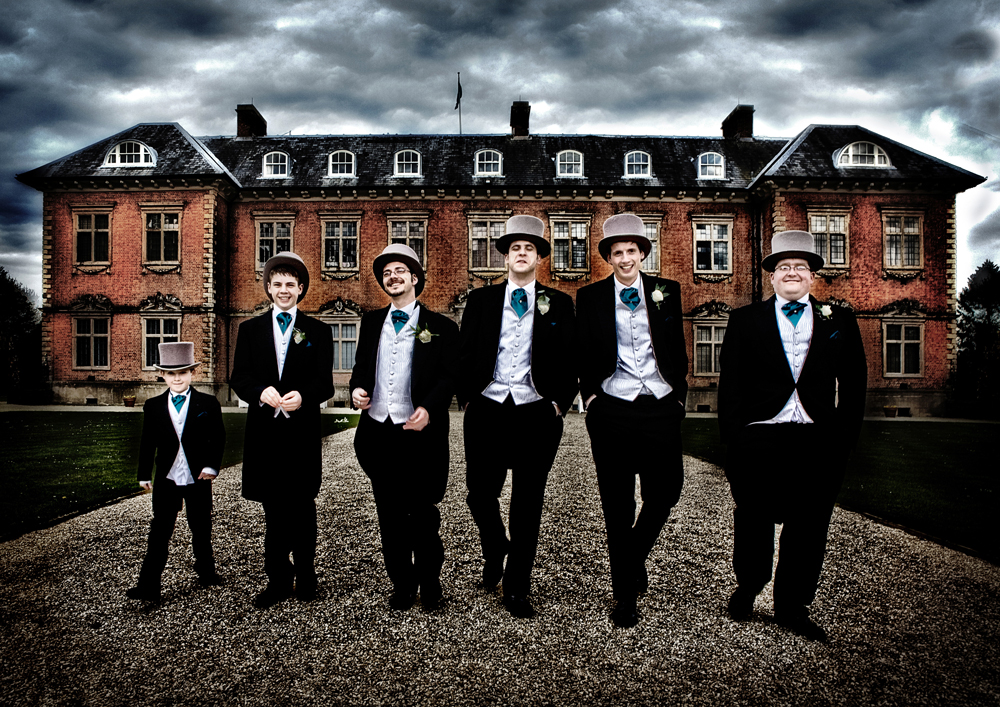
Don’t let creative ambition get in the way of the client
There is a balance to find between creating photographs you’re proud of and giving the couple what they actually paid you to do.
The best wedding photographers can do both.
Get the important photographs.
Keep the couple happy.
Make sure the family groups are done.
Capture the moments.
Then create something different when the opportunity arises.
Having a second photographer can make this much easier because you don’t have to choose between covering the wedding and looking for creative opportunities.
You can divide the responsibility.
Make the most of the second pair of eyes
The real value of a second photographer isn’t simply having twice as many photographs.
It’s having another person who is watching, thinking and looking for opportunities.
Used well, that second pair of eyes can help you:
- cover more of the wedding
- capture different perspectives
- photograph guests while you work with the couple
- create alternative compositions
- reduce the pressure on the main photographer
- experiment without neglecting essential coverage
- provide a more varied final collection
But the key is teamwork.
Before the wedding, communicate.
During the wedding, trust each other.
After the wedding, look at what worked and what didn’t.
Over time, a good partnership can become much more than one photographer and an assistant. It can become a creative team, with each person contributing something different to the finished story.
And that may be the biggest advantage of all: you don’t have to photograph the entire wedding on your own.