
How to Create Better Wedding Portraits: Posing, Locations and Expression
By Gordon McGowan
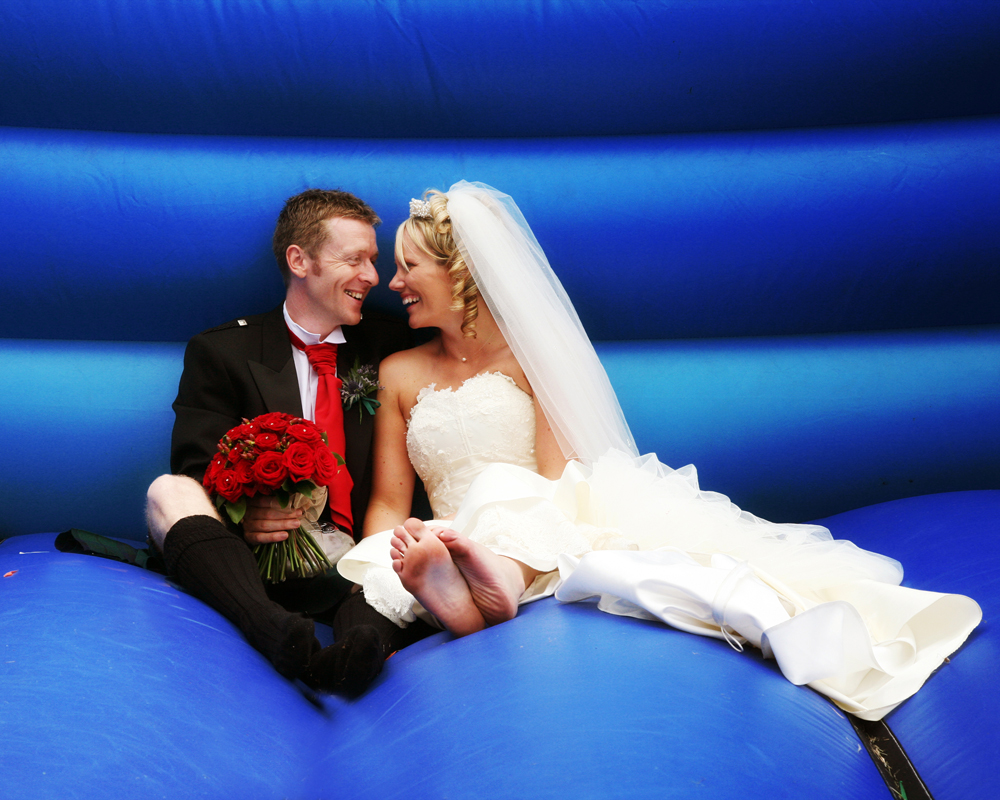
A great wedding portrait isn’t simply about putting a couple in front of a beautiful backdrop and pressing the shutter. The location matters, but so do the way you direct your couple, the pose you create and, ultimately, the expression you capture.
For wedding photographer Gordon McGowan, those elements have always been closely connected. His approach was built around three things: finding the right background, creating a strong pose and then making sure the couple’s expression completes the image.
That approach is still useful today, particularly if you want your wedding portraits to look deliberate and distinctive rather than simply documenting what happened.
Start with the location, not the pose
It’s tempting to think about wedding portraits in terms of poses first. Where should the couple stand? What should they do with their hands? Which direction should they look?
But the background can have just as much influence on the finished photograph.
A good location doesn’t have to be a grand wedding venue or an impressive piece of architecture. A city street, hotel entrance, garden, doorway, staircase or even an otherwise unremarkable wall can become an effective backdrop if you see how the elements around it can work together.
Look for:
- interesting lines or shapes
- good light
- texture
- contrasting colours
- depth behind your subjects
- areas that help separate the couple from the background
- something that adds context without distracting from the people
The important skill is learning to recognise possibilities quickly.
Wedding photographers don’t always have the luxury of spending an hour scouting locations. The weather may change, the light may move and your couple may only have a limited amount of time away from their guests.
Rather than looking for a perfect location, look for a location that gives you something to work with.
Don’t be afraid to direct your couple
One of the biggest challenges for many wedding photographers is that their couples aren’t professional models.
They may feel awkward in front of the camera. They may not know what to do with their hands. They may become self-conscious when they’re being watched.
Simply telling them to “stand there and look natural” rarely solves the problem.
Good direction gives people something specific to do.
Move a hand. Turn a shoulder. Ask one person to look towards the other. Change the position of their feet. Ask them to walk towards you. Bring them closer together. Then make small adjustments rather than constantly starting again.
The aim isn’t to create a rigid pose. It’s to give the couple enough direction that they stop worrying about what they’re supposed to be doing.
Give your couples some preparation before the wedding
The first time you properly direct a couple shouldn’t necessarily be on their wedding day.
If your style involves more structured posing, explain this before the wedding. You can even spend some time with the couple beforehand showing them the sort of direction they’ll receive.
This has two benefits.
First, they know what to expect. Secondly, you learn how they respond to direction.
Some couples will naturally fall into a pose. Others will need much more guidance. Some will be confident and playful; others may initially feel uncomfortable.
Understanding this before the wedding means you’re not trying to work everything out when the clock is ticking and the guests are waiting.
It also helps build trust. If the couple understands that you’re going to take control for the portrait session, they’re much more likely to relax and let you do your job.
Look beyond the pose
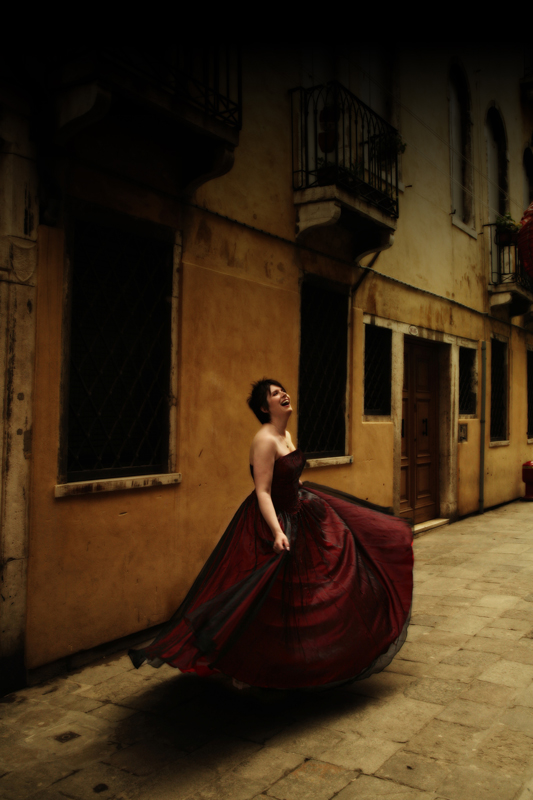
A technically good pose can still produce a fairly ordinary photograph.
The difference is often in the details.
Look at the couple’s hands, feet, shoulders and posture. Check clothing. Look for hair across the face or a jacket that has become untidy. Make sure the bride’s dress is sitting properly and that nothing distracting is sticking into the frame.
Then look at their expressions.
You can have a beautifully arranged portrait, but if the expressions aren’t right, the photograph won’t have the same impact.
Don’t be afraid to take several frames while making small changes. Sometimes the best expression comes immediately after you’ve made the adjustment rather than on the photograph where you initially thought everything was perfect.
Make the couple part of the surroundings
A wedding portrait doesn’t always need to isolate the couple from everything around them.
Sometimes the location is an important part of the photograph.
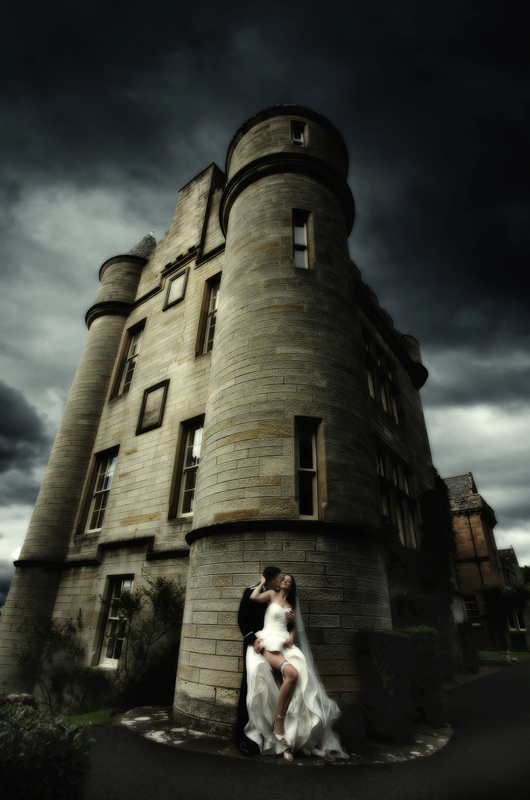
A couple standing beneath dramatic architecture, framed by a doorway or surrounded by the landscape of the venue can create a stronger image than simply placing them against a plain background.
Think about how the people interact with the environment.
Where do you want the eye to go first? Can the lines of the building lead towards the couple? Is there something in the foreground that can add depth? Does the background complement their clothing?
The couple should remain the main subject, but the surroundings can help tell the story.
You don’t need a castle
It’s easy to associate dramatic wedding photography with dramatic venues.
A castle certainly gives you plenty to work with, but great wedding portraits can be created almost anywhere.
A city-centre hotel, country pub, garden or ordinary street can provide just as much potential if you learn to see it.
This is particularly important when photographing weddings in unfamiliar venues.
Instead of arriving with a fixed list of photographs that must be recreated, look at what is actually available on the day.
The weather might give you dramatic clouds. A previously overlooked wall might have beautiful light. A staircase might provide a strong composition. A doorway could give you shade and a clean background.
Be prepared to change your plan.
Don’t rely on the weather being perfect
Wedding photographers have very little control over the conditions.
The location you had imagined using might be in bright sunlight. It might be raining. The sky might be completely different from what you expected.
That’s why it can be useful to develop the ability to find photographs rather than simply recreate photographs you’ve already planned.
Look at the light first.
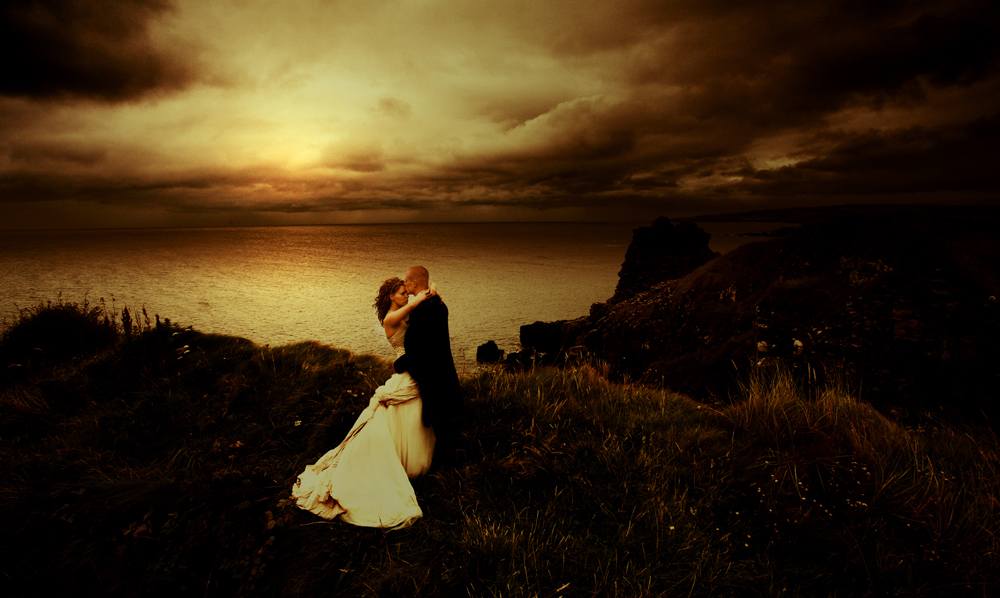
If the sun is harsh, find shade or use the direction of the light to your advantage. If the sky is dramatic, make more of it. If the weather changes, consider whether the new conditions actually give you something more interesting.
A good photographer adapts.
Develop your own visual influences
Inspiration doesn’t have to come exclusively from other wedding photographers.
Fashion photography, music videos, cinema, portraiture, advertising and even the way clothes are styled can all influence the way you approach a wedding portrait.
The point isn’t to copy another photographer’s work.
Instead, look at photographs and ask yourself what attracted you to them.
Was it the lighting?
The composition?
The colour?
The styling?
The expression?
The way the subject was posed?
The relationship between the person and their surroundings?
Once you start identifying those elements, you can experiment with them in your own work.
Decide what you want before you press the shutter
One of the most useful habits you can develop is to stop treating the camera as the place where the photograph is created.
The photograph should be taking shape in your head before you press the shutter.
Look at the background. Decide where your subjects should go. Think about the light. Arrange the pose. Check the details. Then wait for the expression.
This doesn’t mean every photograph has to be meticulously planned. Some of the best wedding images happen spontaneously.
But when you’re creating a more deliberate portrait, taking a few extra seconds to think can make a huge difference.
Create a style through consistency
A recognisable style doesn’t necessarily come from applying the same editing effect to every photograph.
It can come from the decisions you make before you take the photograph.
Perhaps you consistently look for strong backgrounds. Maybe you prefer carefully directed posing. Perhaps you make use of dramatic skies or interesting architecture. You might have a particular approach to lighting, composition or colour.
Over time, these decisions become part of your visual identity.
The important thing is to develop them because they suit the way you want to photograph, rather than simply because another photographer is successful with them.
Don’t buy equipment to solve a creative problem
It’s also worth remembering that better photographs don’t automatically come from newer equipment.
New cameras, lenses and lighting equipment can certainly give you additional options, but they won’t replace the ability to recognise good light, find a strong composition or direct your subjects.
Before buying something new, ask yourself what problem you are trying to solve.
If you can’t clearly identify the problem, there is a good chance that practising with the equipment you already have will teach you more.
Learn what your existing cameras, lenses and lighting can actually do. Get comfortable working within their limitations. Then invest when you have a genuine need for something different.
Put the ideas together
When you take a couple away for their portraits, try working through a simple process:
1. Find the light.
Look at where the best light is coming from and how it affects the background.
2. Choose the background.
Find something that adds interest without distracting from the couple.
3. Position the couple.
Think about their relationship with the background, the light and each other.
4. Direct the pose.
Give them clear instructions rather than expecting them to know what to do.
5. Check the details.
Look at hands, clothing, hair, posture and anything else that could distract.
6. Work on the expression.
Keep communicating with the couple and watch for the moment when everything comes together.
7. Make small changes.
Don’t completely abandon a good setup when a simple adjustment might make it better.
8. Take another look.
Before moving on, ask yourself whether the photograph actually says what you wanted it to say.
The goal isn’t simply to make a posed photograph
The best wedding portraits can still feel like photographs of real people rather than exercises in posing.
That’s the balance to aim for.
Give the couple enough direction to create a strong image, but allow their personalities to come through. Find a location that adds something to the photograph, but don’t let the background overpower the people. Think about the final image before you press the shutter, but remain willing to respond to whatever happens in front of you.
Great wedding photography isn’t necessarily about finding the most spectacular venue or owning the latest equipment.
It’s about learning to see what is in front of you, making deliberate decisions and helping your couple look comfortable and confident while you do it.
That is a skill worth developing at every wedding.