
How to Pose People for Better Photos
By Joe Lenton
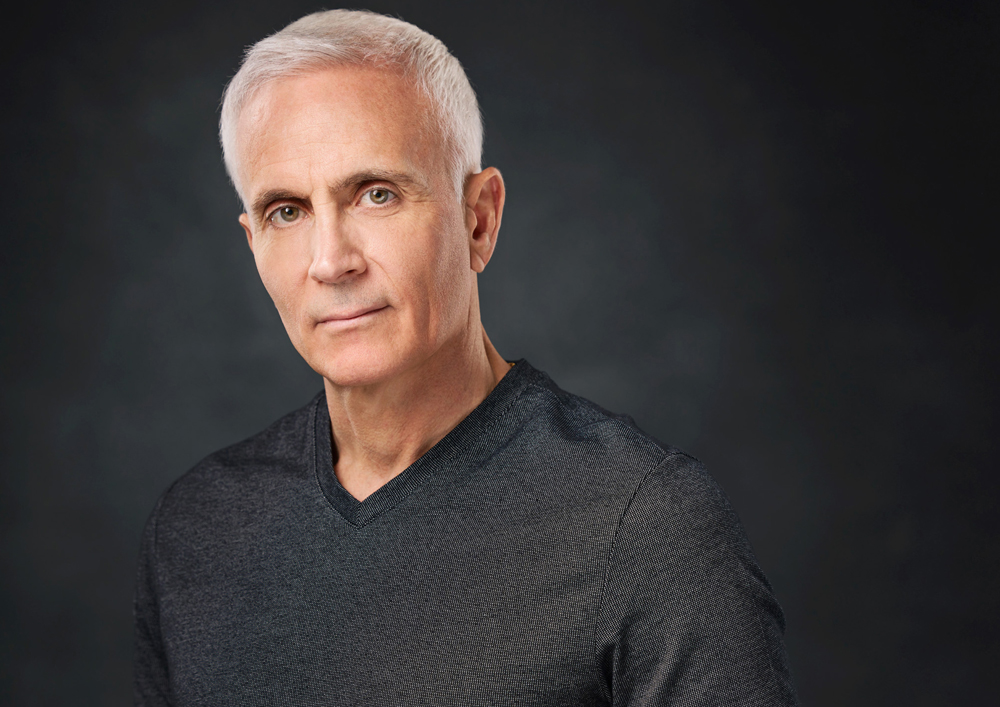
Good posing isn’t simply about telling someone where to put their arms.
The way a person stands, sits, turns their head or holds their hands can completely change the feeling of a photograph. A technically perfect image with awkward body language can still feel uncomfortable, while a simple pose can make a subject look confident, relaxed and natural.
Posing is therefore an important part of composition whenever you have some control over your subject.
It is particularly important in portrait photography, but the principles also apply to headshots, weddings, fashion, beauty and commercial photography.
The trick is understanding that there isn’t one perfect way to pose everybody. The right pose depends on the person, the purpose of the photograph and the story you are trying to tell.
Start with what looks right
When you’re photographing somebody who isn’t used to being in front of a camera, it can be tempting to immediately start correcting everything you think is wrong.
A better approach is often to look at what is already working.
Give your subject a little time to relax. Talk to them while you’re preparing the lights or camera. People often adopt a very unnatural posture as soon as they realise they are being photographed – shoulders pulled back, body stiff and chin pushed forward.
Wait.
As they relax, you may see them naturally lean to one side, put their hands somewhere comfortable or move towards rather than away from the camera.
That gives you something to work with.
Instead of constructing an entirely artificial pose, you can make a few small adjustments to a position that already feels natural.
Build the pose from the feet upwards
One of the simplest and most useful posing principles is to start at the bottom and work upwards.
Look at the:
- Feet
- Hips
- Shoulders
- Hands and arms
- Head
- Eyes and expression
If the feet and hips are in an awkward position, you can spend a long time trying to fix the shoulders and head without ever quite getting the pose to work.
Start with the base.
Ask your subject to stand comfortably with their feet roughly aligned with their hips. Then experiment with transferring their weight from one leg to the other.
That small change can have a surprisingly large effect.
The hips move, the shoulders respond, the arms find a more natural position and suddenly the body has shape rather than looking as though it has been placed rigidly in front of the camera.
Don’t forget the hands
Hands are one of the first things people become conscious of when they are being photographed.
“Just relax your hands” isn’t particularly useful advice if your subject doesn’t know what to do with them.
Give them something practical to do instead.
They might put a hand in a pocket, lightly touch an item of clothing, hold an object or simply allow one arm to hang naturally while the other moves slightly.
The important thing is to avoid creating tension.
Hands that are deliberately positioned can look elegant. Hands that have been placed somewhere simply because the photographer doesn’t know what else to do with them can look awkward.
Think about body language
Posing is really another form of communication.
A person’s posture can make them appear confident, approachable, powerful, relaxed, serious, energetic or vulnerable.
Consider what you want the photograph to say before you decide how you want the person to stand.
A corporate headshot might need to communicate confidence and competence.
A family portrait may benefit from warmth and connection.
A fashion image might deliberately use an exaggerated or unusual pose.
A beauty portrait could concentrate on symmetry and facial features.
The pose should support the message of the photograph rather than simply look attractive in isolation.
Headshots: small changes make a big difference
Headshot photography can be deceptively difficult because you’re concentrating on a relatively small part of the body.
Small changes in posture therefore become much more obvious.
A useful starting point is to avoid making your subject stand unnaturally straight with their head tilted backwards.
Once they relax, look for their natural posture and then make small adjustments.
You might alter the position of the shoulders, ask them to lean slightly towards the camera or make a small adjustment to the angle of the head.
Rather than constantly telling someone what part of their body to move, give them simple instructions that create the movement you need.
For example, asking someone to lean slightly towards you can produce a much more natural result than manually positioning every part of their body.
Make posing feel less like posing
Many people say they don’t like posed photographs.
Often what they actually mean is that they don’t like being photographed.
They become self-conscious because they don’t know what the photographer expects them to do.
Your job is therefore partly to educate and reassure them.
Talk to your subject. Give them clear instructions. Keep them moving when appropriate. Don’t leave them standing in one position while you stare at the back of your camera for several minutes.
Small movements can also help.
Ask somebody to shift their weight, turn slightly, look away and then back towards you, or walk a short distance.
You can then photograph the transitions between poses as well as the final position.
Often the most natural-looking photograph is made while somebody is moving into position rather than once they have stopped.
Change the pose according to the purpose
There is no universal portrait pose.
A headshot, wedding photograph, fashion image and boudoir portrait may all contain a person, but the photographer is trying to achieve very different things.
Headshots
The priority is generally the face, expression and communication.
Small changes to the shoulders, head angle and posture can make a significant difference.
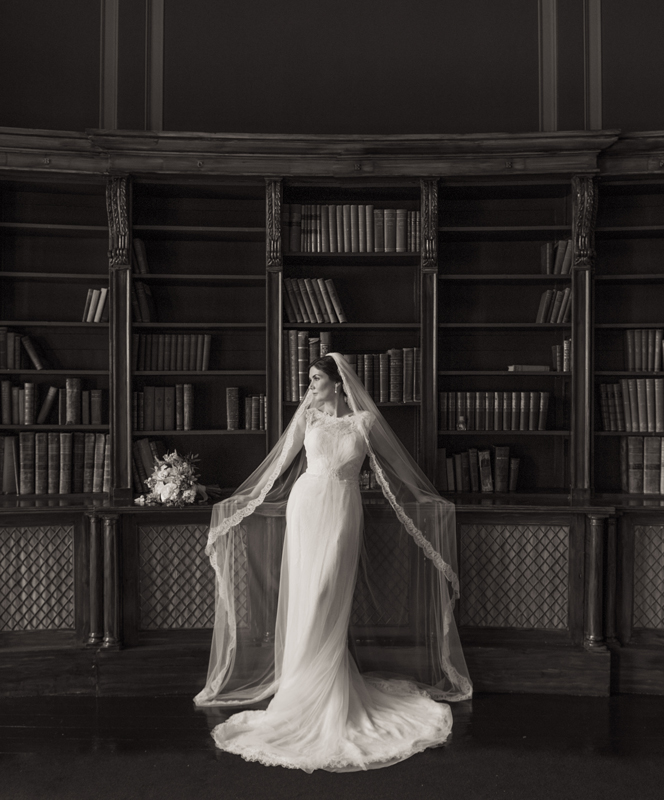
Weddings
Posing needs to work alongside relationships and emotion.
Rather than treating every couple as a collection of body parts that need positioning, think about interaction. Ask them to look at one another, walk together, talk or move into a position naturally.
The photographer is then shaping the situation rather than simply freezing a rigid pose.
Fashion
Fashion photography often uses posing to support the clothes, styling and overall concept.
The model’s body may be deliberately exaggerated, elongated, symmetrical, asymmetrical or even made to look almost sculptural.
The pose isn’t necessarily intended to make the model look conventionally natural. It is there to direct the viewer’s attention towards the product or idea.
Beauty
Beauty photography often relies on subtle adjustments.
The angle of the face, symmetry, expression, lighting and small changes in posture can all influence the final image.
When you’re photographing a face at close range, tiny differences can become very noticeable.
Boudoir
Boudoir posing requires particular sensitivity because the photographer is working with someone’s body and often with a subject who may already feel vulnerable in front of the camera.
Communication and trust are essential.
Rather than simply copying a pose from another photographer, consider the individual in front of you. Body shape, comfort, movement and expression all need to be taken into account.
The aim isn’t to force somebody into a shape that looks good in a photograph. It is to create an image in which they feel comfortable, confident and represented in a way they are happy with.
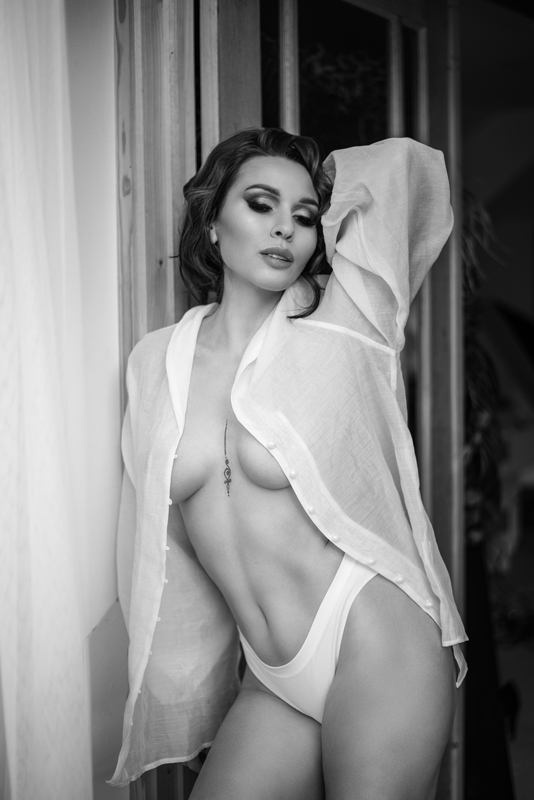
Use the shape of the body
Good posing often comes down to creating interesting lines and shapes.
Instead of photographing the body completely square-on to the camera, try small rotations.
Move a shoulder forward or back. Shift the weight onto one leg. Bend an elbow. Turn the head slightly.
These changes create depth and stop the body becoming a flat shape facing directly towards the camera.
For some styles of portraiture, an S-shaped curve through the body can be particularly effective. This can be created through a combination of hip position, leg placement and the direction of the shoulders.
The important thing isn’t to memorise a particular pose.
Understand the principle and then adapt it to the person.
Don’t pose only the body
The face and body need to tell the same story.
A relaxed body with a tense expression won’t look relaxed.
A confident posture combined with a nervous expression can send completely the wrong message.
Watch the eyes, mouth and jaw as you direct the pose.
Sometimes the best thing you can do is stop giving instructions for a moment and simply talk to your subject.
That gives them an opportunity to relax their face.
Learn by posing yourself
One surprisingly useful exercise is to stand in front of a mirror and try the poses yourself.
Put your feet together and then move them apart.
Transfer your weight from one hip to the other.
Rotate your shoulders.
Move your hands.
Tilt your head.
Notice what happens to the rest of your body.
If a particular instruction feels unnatural when you try it yourself, there’s a good chance your client will feel the same.
Understanding how movement affects your own body makes it much easier to explain what you want from somebody else.
Look at models and painters
Professional models spend a huge amount of time learning how to use their bodies in front of a camera.
Watch what they do.
Look at how they position their feet, create angles with their arms and hands, move between poses and use their eyes and expression.
You can also learn a great deal from portrait painters.
Painters have spent centuries thinking about how to position the human figure within a frame, how to create visual balance and how light interacts with the shape of the body.
Don’t restrict your research to photography.
Study paintings, fashion imagery, cinema and theatre. Look at how the human figure is arranged and ask yourself why the composition works.
Posing children and newborns requires specialist knowledge
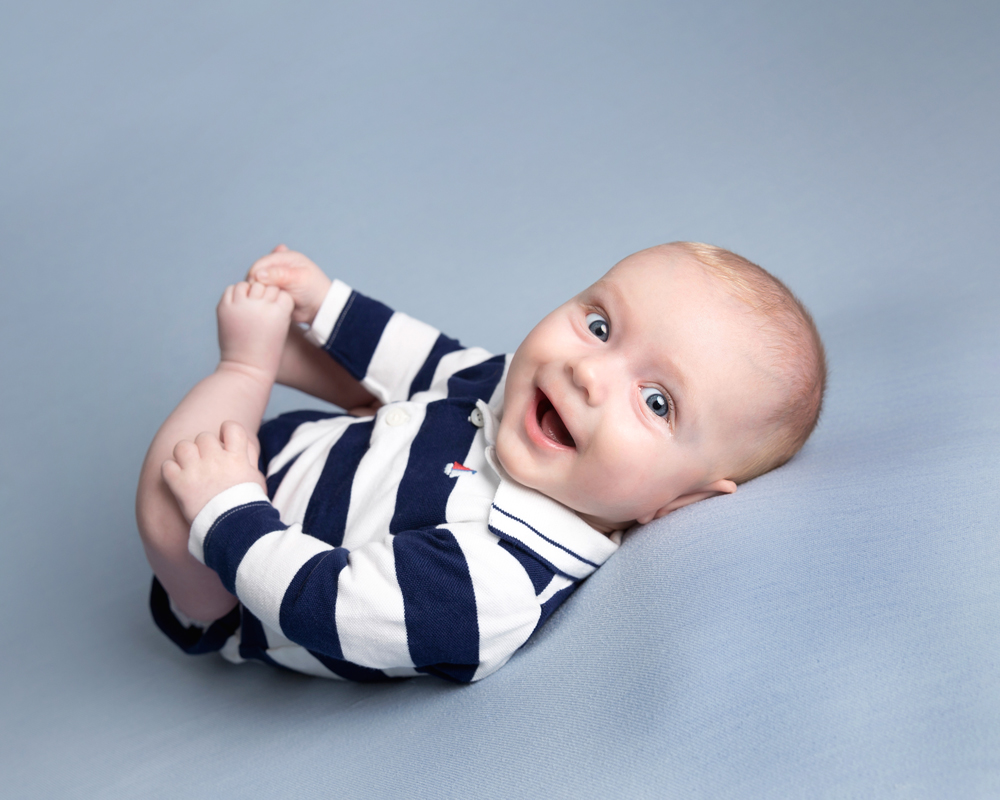
Posing babies and newborns is very different from posing an adult.
Newborns cannot follow instructions, their bodies are still developing and they cannot necessarily support themselves in the way an older child or adult can.
Some popular newborn poses use specialist posing equipment and techniques to support the baby.
These should only be attempted by photographers who have appropriate training and understand newborn safety. A pose should never be forced simply because it looks good in a photograph.
For older babies, natural movement can often provide much of the pose for you. As children develop, they begin to grab their feet, sit, crawl and interact with objects, creating opportunities for photographs without requiring elaborate positioning.
With children, allowing them to move is often more productive than trying to make them hold a complicated pose.
The pose should serve the photograph
The most important thing to remember is that posing is not an end in itself.
You aren’t trying to demonstrate how many different poses you know.
You’re trying to create a photograph.
The pose needs to work with the lighting, composition, expression, clothing, background and purpose of the image.
Sometimes the right pose will be carefully constructed.
Sometimes it will be almost completely natural.
Sometimes the best pose is simply asking someone to move and photographing what happens.
The photographer’s skill lies in recognising the difference.
Confidence comes from practice
Directing people becomes easier with experience.
The more you practise, the more quickly you’ll recognise when something isn’t working and know what small adjustment might improve it.
Don’t be afraid to experiment.
Photograph yourself. Practise with friends and family. Study photographs you admire and try to work out how the subject has been positioned. Watch experienced photographers directing models and pay attention not just to the final photograph but to the instructions they give.
And remember that your subject is usually looking to you for confidence.
If you appear uncertain about what you want, they are likely to feel uncertain too.
You don’t need to know hundreds of poses.
You need to understand people, body language, light and composition – and know how to make small adjustments that bring all four together.
Good posing isn’t about making everyone look the same.
It’s about helping each person look comfortable, confident and right for the photograph you’re trying to create.