How to Build a Successful Photography Business: Lessons from Simon Buck
Angela Adams talks to Simon Buck
Being a good photographer is only part of building a successful photography business.
You need to make good pictures, of course, but you also need to find clients, maintain relationships, understand what makes your work different and learn how to run the business around the photography.
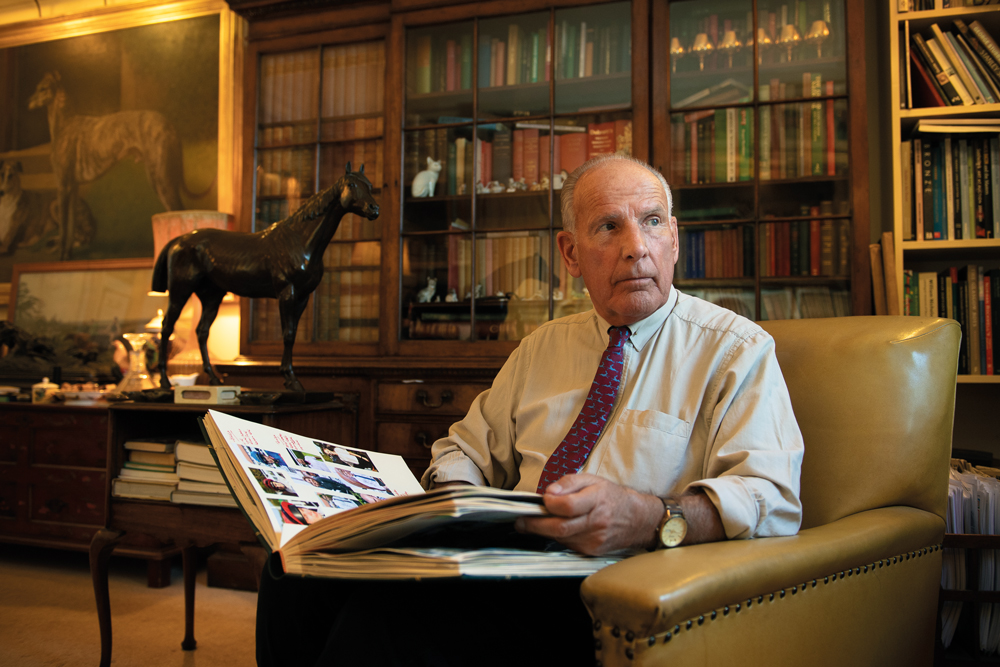
Professional photographer Simon Buck has spent nearly 20 years doing exactly that. His work spans commercial, advertising and editorial photography, with clients and publications ranging from major brands to Country Life. His photographs have appeared in publications including The Times, The Telegraph, The Observer and Country Life, as well as in specialist outdoor and music titles.
His approach to business is refreshingly straightforward: make photographs you believe in, talk to people, look after your clients and don’t become too distracted by the numbers on social media.
Here are some of the lessons from his career.
Start with photography you genuinely enjoy
One of Simon’s simplest pieces of advice is also one of the most important:
Learn to shoot what you enjoy looking at.
It sounds obvious, but it’s easy for photographers to become distracted by what they think the market wants. Trends come and go, popular styles change and social media can make it tempting to imitate whatever appears to be performing well.
Simon believes photographers should instead concentrate on becoming as good as possible at making the pictures they actually enjoy.
That doesn’t mean ignoring clients or commercial requirements. It means developing a visual style and approach that genuinely belongs to you.
The better you become at producing work that you love, the easier it becomes for the right clients to recognise what you can offer.
Don’t confuse social media attention with a photography business
Social media can be useful, but Simon is wary of treating followers, likes and shares as a measure of commercial success.
His approach is much more traditional: maintain relationships with existing clients and actively look for new ones.
For Simon, nothing beats speaking to a potential client directly, ideally face-to-face or at least by telephone. Cold emails have their place, but he sees them more as a follow-up to a genuine conversation rather than the foundation of a marketing strategy.
That’s an important distinction.
A photographer can spend hours producing social media content without ever speaking to someone who might actually commission them.
Your online presence matters, but it is there to support your business rather than become the business.
Go after clients you actually want to work with
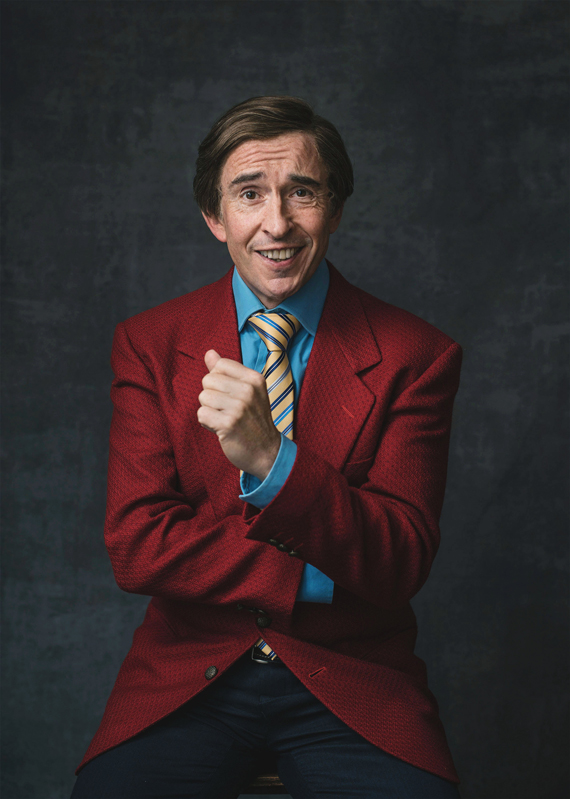
Simon doesn’t try to appeal to absolutely everyone.
He looks for publications, businesses and brands that interest him or appear to share his values and visual aesthetic.
That doesn’t mean he has a narrowly defined subject.
His commissions have included everything from trucks and agricultural stories to musicians, food and drink, outdoor subjects and portraits.
The common thread is not necessarily the subject. It is the way he photographs it.
For photographers building a career, this is a useful distinction. You don’t necessarily need to choose one subject and photograph nothing else. You do need to give potential clients a reason to understand why your particular approach is right for them.
Your portfolio should show what you want to be commissioned to shoot
A portfolio is more than a collection of your best photographs.
It is also an indication of the kind of work you want to attract.
If you want to work with commercial brands, editorial publications or outdoor companies, the portfolio needs to make it easy for those clients to imagine using you.
Simon takes a relatively humble view of his own portfolio. Rather than worrying about whether it demonstrates some grand artistic statement, he concentrates on making the most engaging photograph he can and fulfilling the client’s brief.
There is an important lesson here.
A professional photographer needs to balance personal style with the ability to solve a client’s problem.
The best portfolio isn’t necessarily the one containing the most technically impressive images. It is the one that makes the right client think: “That’s the photographer I need.”
Relationships can be more valuable than advertising
Simon puts considerable emphasis on maintaining existing client relationships and actively developing new ones.
That matters because getting the first commission is only part of the job.
If a client is happy with the photographs, the experience of working with you and the service you provide, there is an opportunity for further work.
This is one reason professional photography can be less about constantly finding new customers and more about building a network of people who already know what you can do.
A good photograph may get you noticed. A good experience can get you hired again.
The business is much bigger than taking photographs
One of Simon’s bluntest observations is that taking pictures is only a small part of running a photography business.
There is marketing, administration, accounts, enquiries, quoting, production, client communication, insurance, licensing, post-production and all the other jobs that happen before and after the camera comes out.
It’s an important reality for photographers moving from hobbyist to professional.
Being technically good with a camera doesn’t automatically make you good at running a business.
Learning the business side is part of becoming a professional photographer.
Simon also makes the practical point that professional advice can be worth paying for. For him, a good accountant has been one of the best investments he’s made.
Don’t build your business around awards
Simon entered competitions early in his career and won several awards, including BPPA Pet Photographer of the Year in 2008.
But he eventually came to question how much awards actually contributed to his commercial career.
His experience was that clients were much more interested in the work itself, the commission they needed completed and whether they were happy with the result.
That doesn’t mean photography competitions have no value.
Awards can provide recognition, help build confidence and potentially give a photographer useful publicity, particularly early in a career.
But they shouldn’t become a substitute for building a portfolio and developing relationships with clients.
For a working photographer, having a client commission you again can be a far more meaningful endorsement than another trophy.
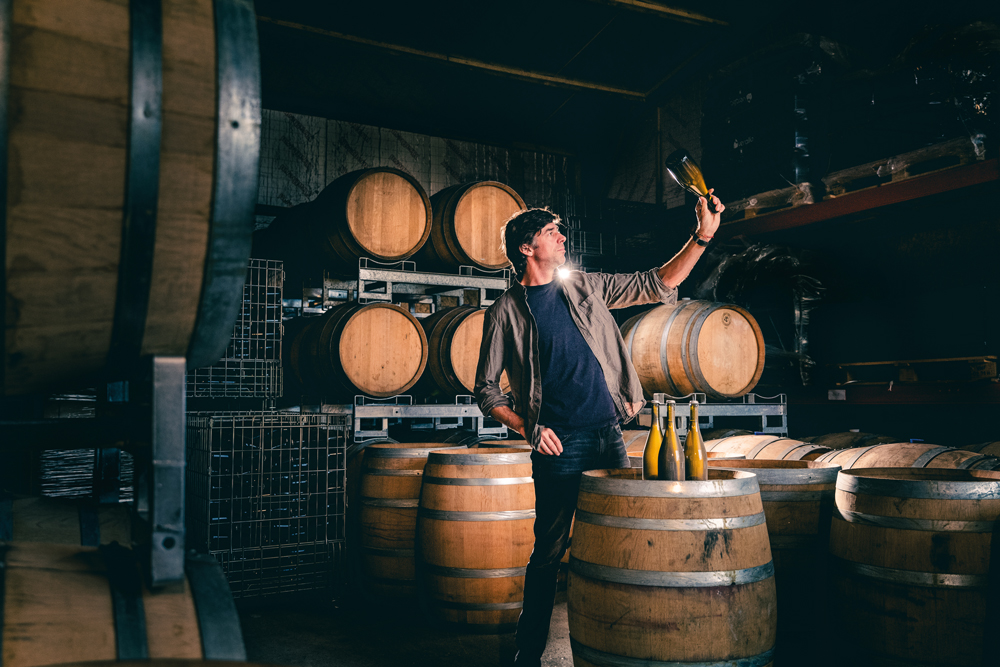
Learn to be different rather than trying to be the best
Photography is a crowded market.
There will almost always be someone with better equipment, more awards, more followers or more experience.
Simon suggests concentrating instead on the things that make your work and your approach different.
That’s good business advice.
A client doesn’t necessarily need the world’s best photographer. They need the right photographer for their particular project.
Your personality, visual style, experience, reliability, subject knowledge and way of working can all form part of that difference.
Trying to compete with everyone is exhausting.
Finding the clients who value what you specifically offer is much more sustainable.
Learn from great photography – and great painting
Simon also recommends photographers study the work of great photographers as well as great portrait painters.
One of the things he particularly values in painters is their control and placement of light.
That’s a useful reminder that improving your photography doesn’t necessarily mean spending more time looking at camera equipment.
Look at paintings. Study cinema. Look at lighting in films, advertising, theatre and the real world.
Ask yourself why the light works, where your eye is drawn and how the photographer or artist has controlled the frame.
There is an enormous amount to learn outside photography itself.
Don’t expect software to rescue a weak photograph
Post-production is powerful, but it cannot replace a good photograph.
Simon believes photographers should learn to process their images according to their own intentions rather than relying entirely on somebody else’s presets, filters or actions.
A preset can be useful. An action can save time. Neither can decide what you were trying to say with the photograph.
The more control you have over your own processing style, the more consistently your finished work can reflect your original intention.
Major commissions can arrive when you least expect them
Perhaps the most powerful part of Simon’s career story is the commission that came shortly after the death of his father.
His father had introduced him to photography as a child. He helped develop Simon’s early films and provided the foundation for his interest in photography.
When his father died suddenly in 2020, Simon found himself questioning whether he wanted to continue as a photographer at all.
Then, unexpectedly, Country Life offered him a major commission documenting Sandringham Estate’s move towards more sustainable farming practices.
The assignment involved repeated visits to the estate and several portrait sessions with the then Prince of Wales, now King Charles III. Simon spent around ten months documenting the project, covering the estate through the seasons as well as creating portraits.
The resulting feature was considerably larger than originally planned, and several of his portraits appeared on Country Life covers.
Country Life’s own coverage confirms Simon’s photographs from the project, including portraits and documentary images of Sandringham and the then Prince of Wales.
For Simon, the commission became a defining moment in his career – and a particularly poignant one because his father never lived to see it.
It is also a useful reminder that opportunities don’t always arrive through a carefully planned marketing campaign.
Sometimes years of doing good work lead to a phone call at exactly the right moment.
Preparation matters when the opportunity arrives
A major commission also requires a different level of preparation.
Simon describes the portrait sessions at Sandringham as meticulously planned, with lighting and multiple locations prepared in advance so that he could adapt if the weather or schedule changed.
That level of preparation is part of being a professional.
The final photograph might look effortless, but getting it can involve considerable planning.
For commercial and editorial photographers in particular, clients aren’t simply paying for someone who can operate a camera. They are paying for someone who can turn up prepared, solve problems and deliver when circumstances change.
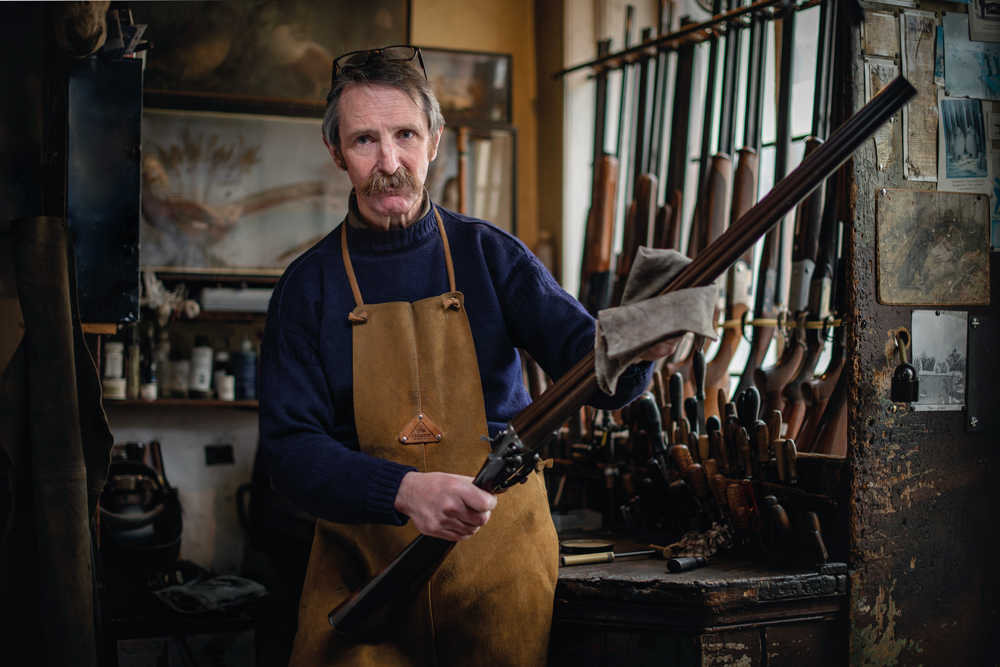
Mistakes are part of becoming a professional
Simon has another useful piece of advice for photographers starting out: don’t let your ego get in the way of learning.
Mistakes happen.
You may miss a shot, misunderstand a brief, make a technical error or realise afterwards that you could have handled a situation better.
The important thing is to deal with the problem, learn from it and move on.
Photography is a long career. One mistake rarely defines you unless you allow it to.
Professionalism isn’t about never getting anything wrong. It is about how you respond when something does.
Don’t work for free – but understand what you’re getting
Simon takes a nuanced view of the often-repeated advice never to work for free.
His point is that payment doesn’t always have to mean money.
There can be legitimate situations where a photographer accepts another form of value – experience, access, portfolio material, introductions or something else that has genuine value to their career.
The important thing is understanding the exchange.
Working for free because someone promises “exposure” is very different from deliberately taking on a project because it gives you access to a market or opportunity that you have consciously decided is worth pursuing.
Know what you are getting in return.
The camera can open doors
Perhaps Simon’s most revealing comment is that his camera has given him access to places, people and occasions he could never have imagined reaching as a photography-obsessed teenager.
That’s one of the great attractions of professional photography.
A camera can be a passport into other people’s worlds.
It can take you backstage with musicians, onto farms and estates, into businesses, studios and sporting environments, or simply into conversations with people you would never otherwise meet.
But the camera is only the starting point.
The career comes from what you do with those opportunities.
The real measure of success
Simon has been a professional photographer for many years, but he doesn’t sound particularly interested in declaring himself successful.
His attitude is more practical: make the best photograph you can, keep learning, look after your clients and try to improve the next time.
That may be a healthier way of looking at a creative career than constantly comparing yourself with everybody else.
Followers will rise and fall. Awards become older. Equipment gets replaced. Trends change.
A satisfied client who comes back and commissions you again is much harder to argue with.
And ultimately, that may be the best measure of a photography business that is doing what it should.