
Is Flash Photography Safe for Dogs? What Photographers Need to Know
By Jim Barrett-Smith
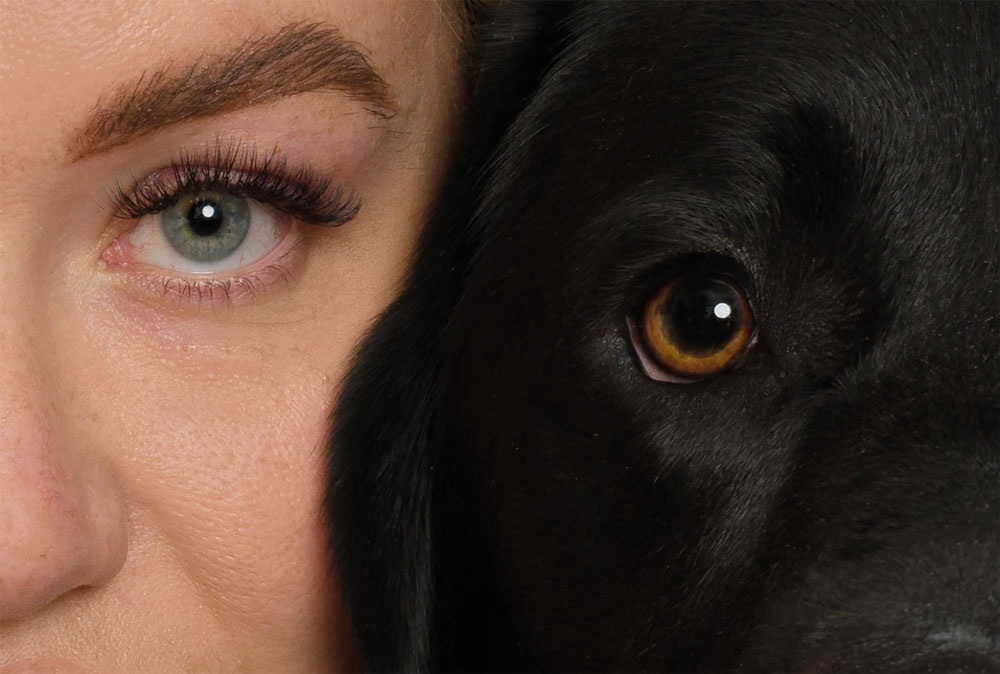
Using flash when photographing dogs is a subject that divides opinion among pet photographers and dog owners.
Some people worry that a sudden burst of light could damage a dog’s eyes, while others believe that flash photography is perfectly safe.
So, can you use flash when photographing dogs?
The important distinction is between physical harm to a dog’s eyes and a dog’s reaction to the sudden burst of light. For healthy dogs, occasional photographic flash is not generally considered likely to damage their eyes. However, a flash can startle some dogs, and photographers should always pay attention to the animal’s behaviour and welfare.
To explore the subject, photographer Jim Barrett-Smith spoke with veterinarian Chris Tomlinson, who has more than 40 years of veterinary experience.
Can camera flash hurt a dog’s eyes?
Dogs’ eyes are adapted to work in very different lighting conditions from our own.
The retina contains two main types of light-sensitive cells: rods and cones. Rods are particularly important for vision in low-light conditions and detecting movement, while cones are associated with colour and vision in brighter conditions.
Dogs have a much higher proportion of rods than humans, which is one reason they are well adapted to lower-light environments.
But does this mean that a camera flash is dangerous?
According to veterinarian Chris Tomlinson, a normal photographic flash should not hurt a healthy dog’s eyes.
The bigger consideration is therefore not necessarily whether the flash is physically damaging, but how the individual dog responds to it.
That distinction is important for pet photographers.
A dog that is comfortable with the flash and remains relaxed is very different from a dog that becomes anxious, frightened or overwhelmed by repeated flashes.
Can a flash startle a dog?
Yes.
Even if the light itself isn’t harmful, the sudden combination of light and sound from a flash can surprise an animal.
Every dog is different. Some will barely react, while others may become nervous after the first flash.
Before beginning a session, give the dog an opportunity to settle into the environment.
Watch its behaviour rather than concentrating solely on your camera settings.
Signs that a dog may be uncomfortable can include:
- Trying to hide or move away
- Repeated yawning
- Turning away from the photographer
- Becoming disengaged
- Showing other signs of anxiety
- Becoming unusually restless or unsettled
If you notice these behaviours, stop and give the dog some space.
The aim of a successful pet photography session isn’t simply to get the photograph. The dog should be comfortable throughout the process.
What does pupil size tell you?
One useful observation is the dog’s pupils.
If the environment is relatively dark, a dog’s pupils will naturally become larger to allow more light into the eye.
Introducing a bright flash in a dark environment may therefore be more startling than using flash in a brighter studio.
This doesn’t mean that a large pupil automatically means you shouldn’t use flash. It is simply another indication that photographers should consider the overall lighting conditions before beginning.
Rather than creating a very dark studio and then introducing a powerful burst of light, consider maintaining comfortable ambient lighting around the dog.
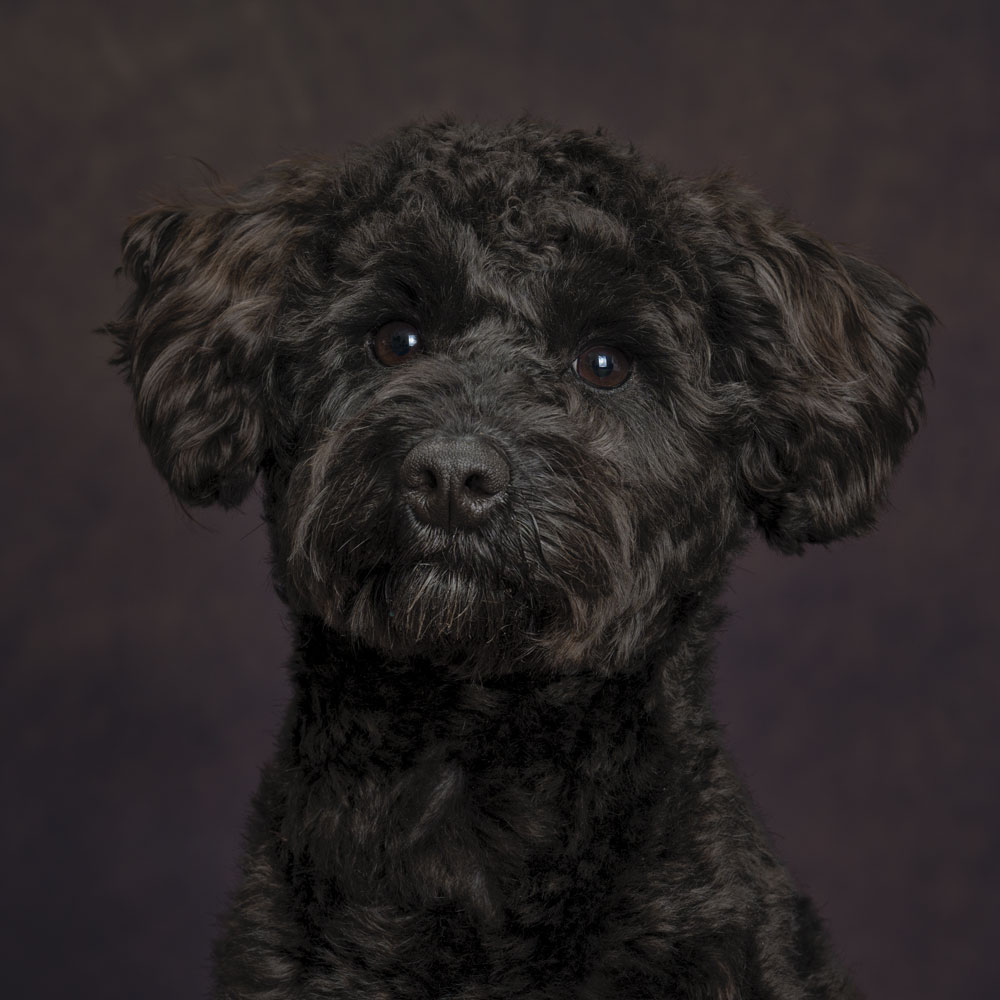
How should you introduce a dog to flash?
Don’t assume that a dog will immediately accept studio flash simply because other dogs have done so.
A gradual introduction can help.
If the dog is already relaxed and comfortable with you, start by positioning the light so that it isn’t firing directly towards the dog.
For example, you could bounce the flash from a wall or other suitable surface while the dog observes what is happening.
Give the dog time to investigate the equipment.
You can then gradually introduce the dog to your preferred lighting setup.
Another useful technique is to create a positive association with the flash.
For example, you might trigger the flash and immediately reward the dog with a treat, provided the owner is happy for you to do so.
The dog can begin to learn that the unfamiliar sound and burst of light are followed by something positive.
Keep the sessions short and never force the process.
Let the owner help
If the dog isn’t yet confident around you, don’t assume that you should be the person introducing unfamiliar equipment.
The owner may be able to help the dog feel more secure.
Ask the owner to remain nearby and, where appropriate, let them introduce the dog to the flash while you concentrate on the lighting.
This can be particularly useful with nervous dogs, puppies or animals that are unfamiliar with studio environments.
The owner’s knowledge of their dog’s behaviour can also be invaluable.
They may recognise subtle signs of stress that a photographer who has only just met the dog could miss.
What about dogs with eye conditions?
Some dogs develop eye conditions as they age.
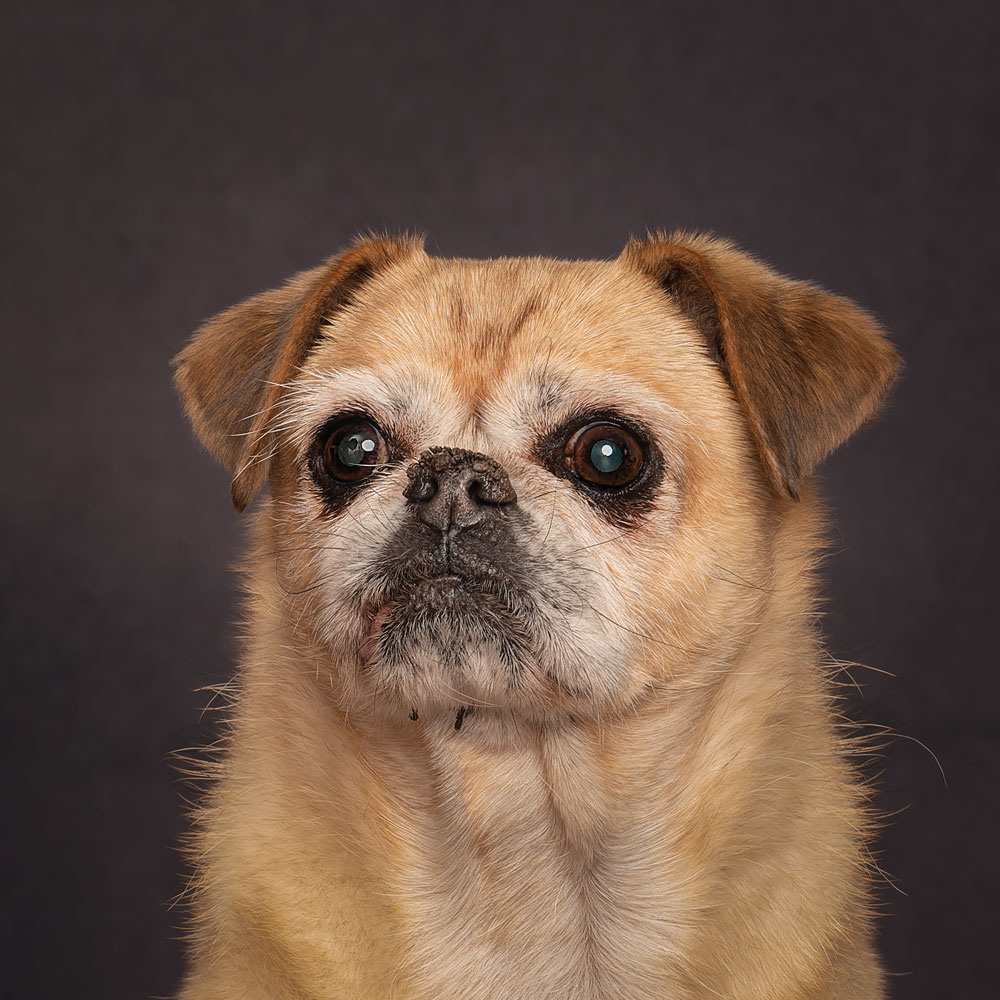
One example is lenticular or nuclear sclerosis, a common age-related change that can give the eye a cloudy or bluish appearance.
Other eye problems, such as conjunctivitis, can have a variety of causes.
The presence of an eye condition is a reason to take extra care rather than making assumptions.
In the veterinary discussion behind this article, Chris Tomlinson advised that photographic flash would not normally aggravate these conditions. However, a photographer should never use an article like this to determine whether flash is appropriate for an individual dog with an eye problem.
If a dog’s owner has concerns about its eyes, or the dog appears to be experiencing discomfort, the appropriate course of action is to seek veterinary advice.
Think about the dog, not just the photograph
Pet photographers have a responsibility to consider animal welfare throughout every session.
A technically perfect photograph isn’t worth causing an animal unnecessary stress.
Before using flash, consider:
Is the dog relaxed?
Give the dog time to become comfortable in the environment before introducing unfamiliar equipment.
Is the environment already bright enough?
Avoid creating an unnecessarily dark environment and then introducing a sudden burst of bright light.
How is the dog reacting?
Watch its body language and behaviour throughout the session.
Can you change the lighting?
If direct flash appears to be making the dog uncomfortable, consider bouncing the light, diffusing it, repositioning it or using continuous lighting or natural light instead.
Does the dog have a known eye problem?
If there is any concern about an existing eye condition, discuss the situation with the owner and recommend veterinary advice where appropriate.
Try the flash yourself
One practical consideration is often overlooked: photographers should understand what the experience is like from the dog’s position.
Before photographing the dog, position yourself where the animal will be sitting or standing.
Trigger the lighting setup and consider what the dog is experiencing.
Is the flash extremely bright?
Is the flash firing repeatedly?
Is there a loud recycling or triggering sound?
Is the room unusually dark between flashes?
This doesn’t provide a scientific test of what a dog experiences, but it can encourage photographers to think more carefully about their setup.
Should you use flash when photographing dogs?
For most healthy dogs, photographic flash is not generally expected to cause eye damage.
However, safe dog photography is about more than whether the flash is physically harmful.
Some dogs may find a sudden burst of light startling or stressful, particularly when combined with an unfamiliar environment or repeated flashes.
The best approach is therefore to introduce lighting gradually, keep the dog comfortable, watch its behaviour and be prepared to change your setup.
There is no single lighting solution that works for every dog.
Natural light, continuous lighting, bounced flash and diffused studio lighting can all produce excellent results. The most appropriate choice depends on the dog, the environment and the style of photography you are trying to achieve.
Ultimately, the welfare of the animal should come before the photograph.
A relaxed dog is also much more likely to give you the natural expressions, movement and personality that make great pet photography.
A final note for photographers
This article discusses general considerations around photographic flash and dogs and includes expert veterinary commentary. It should not be regarded as veterinary advice for an individual animal.
If a dog has a diagnosed or suspected eye condition, is showing signs of pain or discomfort, or its owner has concerns about exposure to bright light, seek advice from a qualified veterinary professional.