Self-Publishing for Photographers: How to Build Your Brand, Grow Your Business and Raise Money for Charity
By Chris Miller
Publishing a photography book might sound like a project reserved for established photographers with years of experience, a large following and a publishing deal.
It doesn’t have to be.
Self-publishing a photography book can be an effective way for photographers to build credibility, generate new enquiries, strengthen their brand and create a long-term marketing asset. It can also become a powerful fundraising project when combined with a charity that fits your photography niche.
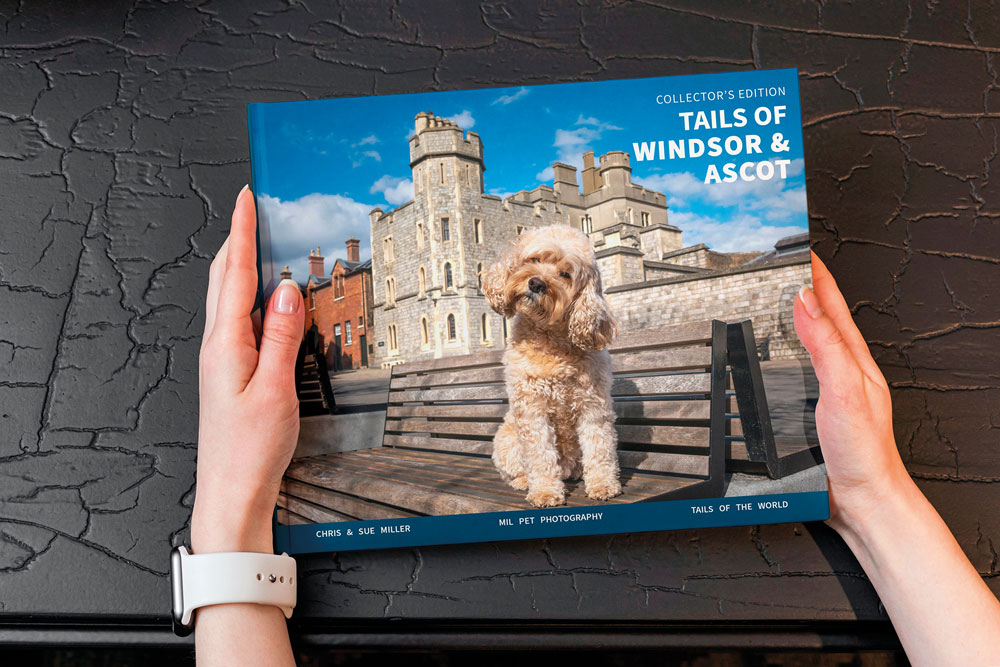
For photographer Chris Miller, creating a coffee-table book featuring dogs from the Windsor and Ascot area became much more than a book project. It helped generate new clients, create opportunities for publicity, provide content for social media and YouTube, and raise money for charity.
The experience demonstrates why a photography book can be valuable even if you don’t sell hundreds or thousands of copies.
Why should a photographer publish a book?
The obvious reason to publish a book is to sell copies. However, selling books doesn’t necessarily need to be the main objective.
For a professional photographer, a book can be a powerful marketing and branding tool.
A well-produced photography book can help you:
- Establish yourself as an authority in your specialist area
- Strengthen your photography brand
- Generate publicity and press coverage
- Attract potential clients
- Create new opportunities with businesses and organisations
- Build relationships with potential partners
- Generate content for social media
- Grow your email marketing list
- Give you a substantial long-term photography project
- Support a charity or community organisation
This is particularly useful for photographers working in specialist genres such as pet photography, family photography, newborn photography, portrait photography or wedding photography.
A book gives potential clients something tangible that demonstrates what you do.
You don’t need to be an established photographer
One of the biggest misconceptions about publishing a photography book is that you need to have been in business for many years before attempting it.
You don’t.
You need a clear idea, a defined audience, a manageable project and the commitment to see it through.
In fact, creating a book can be particularly valuable for a newer photographer because it gives you a project around which you can build your reputation.
Instead of simply telling prospective clients that you are a professional photographer, you can demonstrate your expertise through a finished body of work.
That credibility can be particularly useful when approaching local businesses, publications, charities and potential commercial partners.
Consider making your photography book a charity project
Combining a photography book with a fundraising project can make the idea considerably more powerful.
Rather than simply asking people to take part in a photography project, you can give them an additional reason to participate.
Choose a charity that has a genuine connection with your photography and your target audience.
For example, a pet photographer could work with an animal rescue charity, while a landscape photographer might choose an environmental organisation.
A local charity can be particularly effective because it can potentially help with publicity and promotion in your area.
Before launching the project, discuss your plans with the charity and establish exactly how the fundraising will work. Make sure both sides understand what will be donated, how donations will be collected and what promotional support is expected.
The charity can also become an important part of the story when you approach local newspapers, magazines, radio stations and online publications.
A story about a photographer producing a book is interesting.
A story about a photographer producing a book while raising money for a local charity is potentially much more compelling.
Plan the project before you start
A photography book project can involve a surprising amount of work, so don’t underestimate the planning required.
A useful approach is to work backwards from your intended book launch date.
A project lasting around 11 or 12 months gives you plenty of time to photograph participants, collect the necessary information, edit your images, design the book and organise your marketing.
Four dates are particularly useful when building your project plan:
- Project launch – when you begin promoting the opportunity and accepting registrations.
- Book pre-sales – when customers can order their copies.
- Print deadline – when the final book needs to be submitted to your printer.
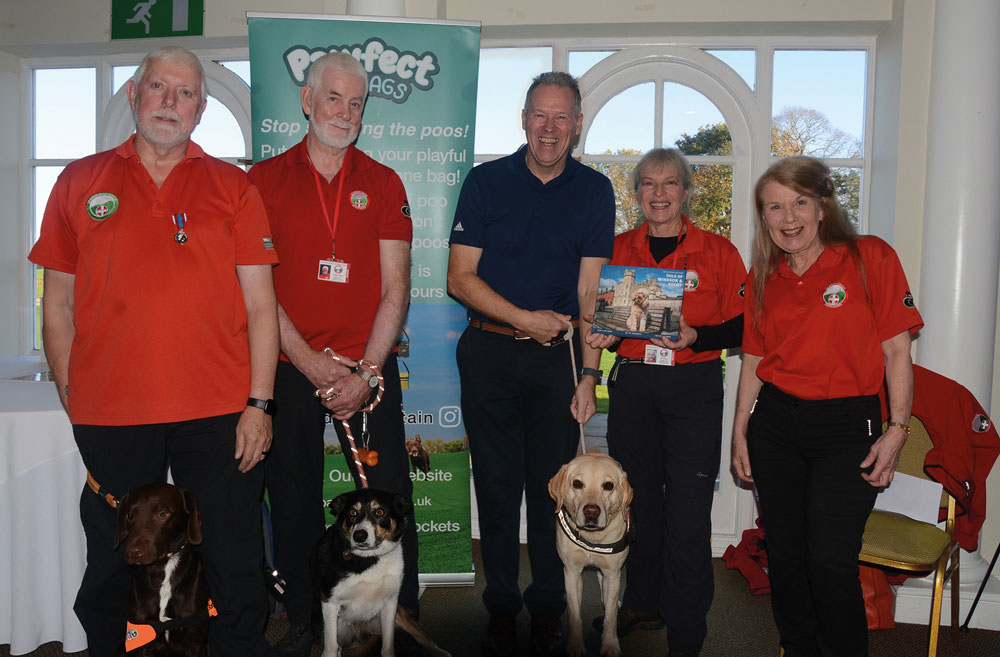
- Book launch event – when participants, supporters, the charity and local media can come together.
Working backwards from the launch date helps you establish realistic deadlines for every stage.
You can complete a project more quickly, but rushing it can create unnecessary pressure.
Decide what your photography book will be about
A successful project needs a clear concept.
Don’t try to create a book about everything you photograph.
Instead, identify a subject that fits your niche and gives potential participants a reason to get involved.
For example:
- A pet photographer could document dogs from a particular town or region.
- A family photographer could create a project celebrating local families.
- A wedding photographer could document stories from couples in a particular area.
- A landscape photographer could produce a collection celebrating a local landscape.
- A portrait photographer could create a project showcasing people who make a contribution to their community.
A strong concept makes your marketing much easier because people immediately understand what the project is about.
Work out your costs and pricing
Before inviting clients to participate, establish exactly what the project is going to cost.
Consider expenses such as:
- Book printing
- Design and layout
- ISBN or publishing costs
- Photography sessions
- Marketing and advertising
- Venue costs
- Payment processing
- Charity donations
- Samples and proof copies
- Packaging and postage
- Any software, training or professional services you require
The specification of the book will also affect the cost.
Think about:
- Hardcover or softcover
- Book size
- Number of pages
- Paper quality
- Number of copies
- Printing method
- Colour reproduction
Once you understand your costs, you can decide how much to charge for participation and how much to charge for the finished book.
Don’t forget to separate the participation fee from optional photography products if that is how your business normally operates.
Your book project can generate income through your normal photography sales as well as through book sales.
Use the project to generate photography clients
One of the biggest opportunities is that the book itself can become a reason for people to book a photography session.
For example, rather than advertising:
“Book a pet photography session.”
you could invite local dog owners to participate in:
“A photography project celebrating the dogs of our local community.”
The second proposition gives people a story to become part of.
Once someone participates, your normal photography sales process can continue.
You can offer wall art, albums, prints and digital products just as you would with any other client.
The important thing is that the book project creates the initial reason for someone to contact you.
Create a dedicated landing page
Your website should have a dedicated page explaining the project.
Keep it simple and make the important information obvious.
Include:
- What the project is
- Who can participate
- Why you’re creating the book
- The charity you’re supporting
- How much participation costs
- What is and isn’t included
- How the photography session works
- How the finished book can be purchased
- The expected launch date
- How people can register
Use strong photography throughout the page.
The landing page can then become the destination for your social media posts, email campaigns and press activity.

Make social media part of the project
A book project can provide months of content.
You can share:
- Behind-the-scenes photographs
- Participant stories
- Individual images from the project
- Progress updates
- Book design previews
- Cover ideas
- Charity updates
- Interviews with participants
- Countdown posts
- Book production updates
- Launch preparations
You could even involve your audience in decisions such as choosing between potential book covers.
This turns the book into an ongoing story rather than a single marketing announcement.
Get local media involved
Don’t overlook local newspapers, magazines, radio stations and community websites.
Create a simple press pack containing the key information about your project, along with a selection of strong photographs.
Explain the story clearly.
Who are you?
What is the project?
Why are you doing it?
Which charity are you supporting?
How much money are you hoping to raise?
Who is taking part?
When will the book launch?
Good photography is already a strong visual asset for a press story. Adding a local community or charity angle gives journalists another reason to take an interest.
Don’t forget the book itself
Creating the photographs is only one part of the process.
You’ll also need to select the images, gather any text, design the pages and proofread everything carefully.
If people are being featured in your book, consider asking them to complete a questionnaire before their photography session.
Their answers can provide useful background information and help you tell the story behind each photograph.
Don’t rely on spellcheck alone.
Have several people proofread the finished book and, if possible, order a single proof copy before committing to a larger print run.
Seeing the physical book gives you an opportunity to spot problems that aren’t always obvious on a computer screen.
Use the book after publication
The value of a photography book doesn’t stop when the books arrive.
In fact, that’s when one of its most useful marketing phases begins.
Give copies to carefully selected people and organisations that could help introduce your work to new audiences.
Depending on your niche, this could include:
- Local businesses
- Complementary service providers
- Community organisations
- Influencers
- Journalists
- Potential commercial partners
- Charities
- Existing clients
For a pet photographer, for example, a copy might be displayed by a local veterinary practice, groomer or pet-related business.
The book becomes a physical representation of your brand.
Turn the book into a year’s worth of content
A major advantage of a long-term photography project is the amount of content it produces.
The finished photographs can be used across your website, social media, email marketing and video channels.
You can also write articles about individual photographs, participants, locations or stories from the project.
This creates opportunities to build a much larger online presence around your specialist subject.
For example, a pet photographer could turn one book project into articles about:
- Photographing dogs outdoors
- Preparing a dog for a photography session
- Choosing locations for pet photography
- Photographing dogs with their owners
- Capturing natural dog portraits
- The story behind individual dogs featured in the book
The original book project can therefore continue generating marketing material long after publication.
A photography book doesn’t need to sell thousands of copies
Perhaps the most important lesson is that the success of a photography book shouldn’t be measured solely by the number of copies sold.
If the project generates new photography clients, improves your credibility, creates publicity, strengthens your network, produces useful marketing content and raises money for a good cause, it can be successful without becoming a bestseller.
The book is the finished product, but the real value can come from everything that happens while creating it.
Could self-publishing work for your photography business?
Self-publishing isn’t a shortcut to success, and producing a professional photography book requires planning, time and investment.
But for photographers with a strong concept, it can be an unusually effective business project.
It can bring together photography, marketing, networking, PR, content creation and community engagement into one project.
Most importantly, it gives you something meaningful to work towards.
Whether you specialise in pets, portraits, weddings, families, landscapes or another area of photography, consider whether there is a story within your niche that deserves to become a book.
You might not become a bestselling author.
But you could become better known, attract new clients, strengthen your brand and make a difference to a charity along the way.
This article was inspired by the experience of professional photographer Chris Miller, who documented his own journey creating a charity-focused photography book.