
Alison Carlino on Building a Successful Photography Business
Angela Adams talks to Alison Carlino

What does it take to build a successful photography business?
For Alison Carlino, the answer involves much more than taking great photographs. After two decades in business, she has developed a distinctive style, built a team, established a strong niche in senior photography and created a business that allows her to combine photography, education and family life.
Alison first crossed paths with Angela Adams before Covid, when she travelled to London to judge at The Societies’ Convention and they were placed on the same judging panel. They met again at The Convention earlier this year.
A former elementary school teacher with a master’s degree, Alison now educates photographers around the world using the same accessible and practical approach she brings to judging.
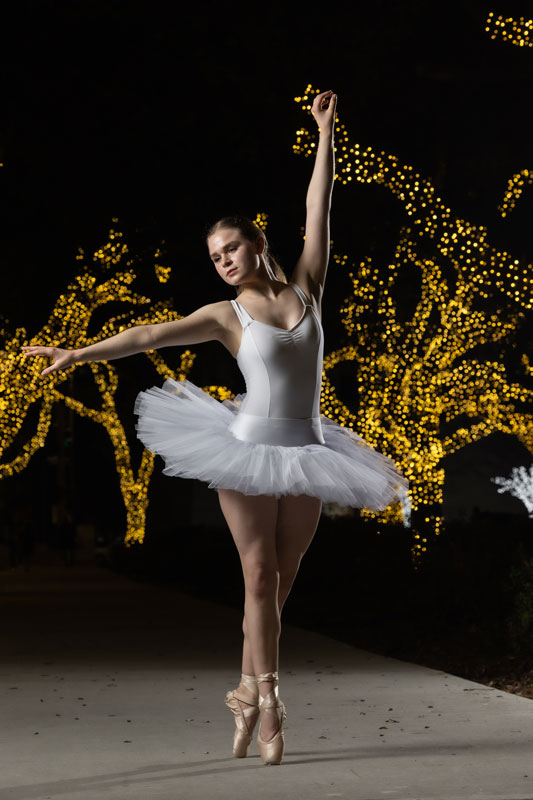
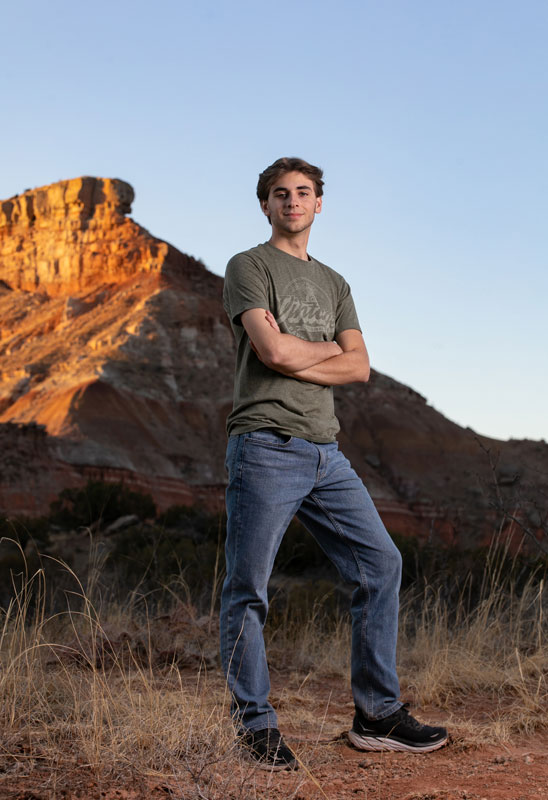
Her photography business has evolved considerably over the past 20 years. Today, she is best known for dramatic lighting, bold colours, fun locations and modern posing, while also photographing landscapes and the night sky as part of her fine art photography business.
We caught up with Alison to talk about her journey, finding a photographic style, building a team, attracting clients and the business lessons she has learned along the way.
What motivated you to start a photography business?
I left a full-time classroom teaching career to stay at home with our sons and started taking photographs of them.
I soon realised how bad the images were and sought out every piece of photography education I could afford to attend.
That education became the foundation for what would eventually become a 20-year career in photography.
What is your mindset when you get up in the morning?
Thank God for the new day and then jump into the tasks ahead.
Mornings are my jam! I make most of my important business decisions between 7am and 11am.
How long did it take to establish your photography style and brand?
This is my 20th year in the industry.
For the first three years, I was terrified of off-camera flash and had no idea what it could do for me.
My style seemed to come into view about seven years ago. Dramatic lighting, bold colours, fun locations and modern poses are what I am now known for.
Finding a recognisable style took time. Rather than trying to define everything from the beginning, my visual identity developed as I gained experience and became more confident with lighting and photography.
How do you build a photography team?
I currently employ seven females part-time.
Three of the ladies are college-aged and assist me with sports and school bookings. Another three are mums and, along with me, we are the Core 4 in the business.
One handles graphic design, another customer service and another ordering.
They all work at scattered hours, so organisation and communication are particularly important. We use online platforms such as ClickUp and Dropbox to keep track of where everyone is on a particular job and to transfer files between us.
I am the only photographer. I handle the actual photography, marketing and anything related to my photography workshops.
What has been the biggest challenge in growing your photography business?
Hiring staff, trusting them with my vision and dealing with clients have been, and continue to be, some of the biggest challenges.
I did everything myself for the first 10 years. Eventually, I decided to go bigger and knew I needed help.
That transition from doing everything yourself to building a team can be difficult for photographers. You have to learn to trust other people with parts of the business that you previously controlled personally.
How did you find your photography niche?
We have really settled into the high school senior market in the Houston area.
Graduation photography is so much more than a cap and gown.
We go to fun locations that surround the student’s style, hobby or sport. We also have clothing and prop consultations so we know what they are bringing to the session.
There is usually a fun group of their friends on location with us, and we are advertising to those friends while we shoot.
How do you attract photography clients?
Understanding your target market is important.
Our senior photography sessions are designed around the individual rather than simply producing traditional graduation photographs.
We find locations that reflect the student’s interests and personality, plan clothing and props in advance and create an experience around the session.
Their friends also become an important part of the marketing process.
When a group of students is together at a session, we are not only photographing one client. We are creating an opportunity for other potential clients to see what we do.
Do you manage your own website, SEO and social media?
We use PhotoBiz and refresh the website in-house. It is very easy to do.
I handle Facebook and Instagram posts myself, whether they are sales posts, current work or behind-the-scenes content with a client.
Keeping marketing connected directly to the photography business means the content reflects what we are actually doing rather than feeling disconnected from the work.
What piece of photography equipment could you not live without?
If we’re talking about gear, I will need my 70–200mm lens forever.
I love that glass, and the new mirrorless cameras are so much lighter!
What is the best business advice you can give a photographer?
Be a businessperson who happens to be a photographer and not the other way around.
I think that’s a really important distinction.
Photography may be the skill that gets you into business, but running a successful photography business requires you to think about much more than taking photographs.
You have to understand clients, marketing, sales, finance, organisation, staff and the overall experience you provide.
What do you love about photographing people?
We have the power to allow people to remember moments that they might forget, or visit places that they may never get to.
That’s one of the things I love most about photography.
A photograph can preserve an experience, a person or a moment and give it a life beyond the day on which it was created.
Do you enter photography competitions?
I don’t enter often, as competition isn’t something that drives me.
I enjoy the “rules” and the judging process, but enjoy them even more when people break those rules on purpose.
What does your portfolio reveal about you?
Curating my work shows that I love bold colours, dramatic lighting and fun locations.
A portfolio should communicate more than technical ability. It should give potential clients an immediate sense of what you enjoy creating and what they can expect from you.
What do you love most about being a photographer?
It’s lovely to hear that my photographs meant something to someone.
For me, that’s one of the greatest rewards.
What is your “why”?
During this season of my life, my “why” centres on paying for our two sons to go through their college years.
Having a clear reason for building your business can provide a strong sense of direction, particularly when the work becomes challenging.
Who inspires you?
I often like to look outside the photography industry.
I look at sculptors, clothing designers and magazine layout editors to see what they are doing.
Inspiration doesn’t have to come from another photographer. Looking at how other creative industries use shape, colour, composition, texture, typography and presentation can introduce completely new ideas.
What do you love, hate and can’t live without?
I love Jesus, light, my family and felines.
I hate evil, anything sour and green peas.
What have you learned from 20 years in photography?
Perhaps the biggest lesson is that becoming a successful photographer isn’t simply about becoming better at photography.
Your photographic style matters, but so does understanding who you want to photograph, how you will reach those people, what experience you will give them and how you will build a business around your skills.
Alison’s journey from photographing her children to running a 20-year photography business with a team demonstrates how dramatically a photography career can evolve.
Her advice is particularly straightforward:
Be a businessperson who happens to be a photographer and not the other way around.
For photographers looking to build a sustainable career, that may be one of the most important lessons of all.
Alison Carlino: quick-fire questions
City or country?
A blend of both, based on where my mindset is at any given time.
Spender or saver?
A good balance of both is preferred.
Sunrise or sunset?
It all depends on whether I’ve been out shooting the Milky Way and star trails overnight!
Chocolate or cheese?
Chocolate always and forever.
Coffee or tea?
Tea.
Movies or books?
Both.