How to Become a Successful Headshot Photographer: Ivan Weiss on Building a Photography Career
Angela Adams talks to Ivan Weiss
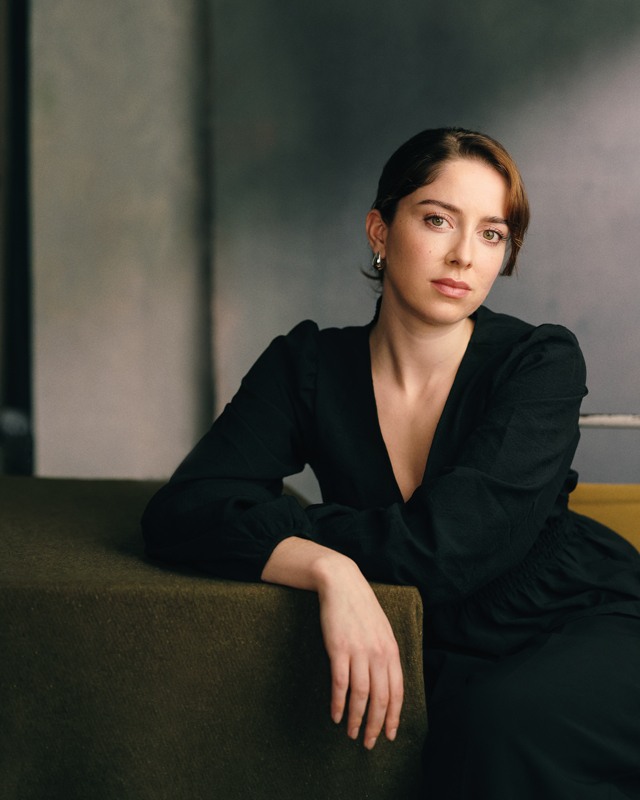
What does it take to build a successful career as a headshot photographer? For London-based photographer Ivan Weiss, the answer isn’t simply about owning the right camera or creating technically perfect images. It’s about finding the type of photography you love, understanding how to reach the right clients and continually improving your craft.
Angela Adams caught up with Ivan to discover more about his journey from corporate life to professional headshot photography, his approach to studio lighting, how he attracts clients and the lessons he has learned along the way.
From childhood photography to a professional career
Photography was part of Ivan’s life from an early age. His father was a photographer, so Ivan grew up surrounded by cameras, photographs and the workings of a studio.
Despite that early interest, his teachers and career advisers encouraged him towards more academic subjects. By the age of 16, Ivan was already familiar with darkroom techniques and wanted to study photography at A-Level, but ultimately left school at 18 without the qualifications he had originally been encouraged to pursue.
His first career was a long way from professional photography.
Ivan spent five years working as a bicycle courier in London before qualifying as a TEFL tutor and moving to Florence, Italy. He spent 12 years there, meeting artists from a wide range of creative disciplines.
That experience changed his perspective on what a career could be.
“I met artists of various disciplines who made a living from their work,” Ivan explains. “It made me realise there was more to life than office work.”
Although Ivan subsequently moved into a corporate career, photography remained a constant presence. He began developing his photography business alongside his employment before eventually deciding that photography was where he wanted to be.
In 2017, he made the leap to become a full-time photographer.
Knowing when it’s time to change career
For many aspiring professional photographers, moving from a secure job to photography full-time can seem like an enormous risk.
For Ivan, the turning point came during jury service.
He spent two weeks sitting in a Coroner’s Court and found the experience unexpectedly significant. Compared with his normal corporate routine of meetings and maintaining the status quo, being involved in something where his opinions genuinely mattered made him question what he was doing with his own life.
It prompted him to take photography seriously as a career.
“I realised I was wasting my life in an office,” he says. “I needed to follow my gut instinct of working as a photographer.”
Ivan’s journey is a useful reminder that there isn’t necessarily one correct route into professional photography. Some photographers study photography at university, some work as assistants, others build a business alongside another career.
What matters is finding a route that works for you.
Finding your niche as a headshot photographer
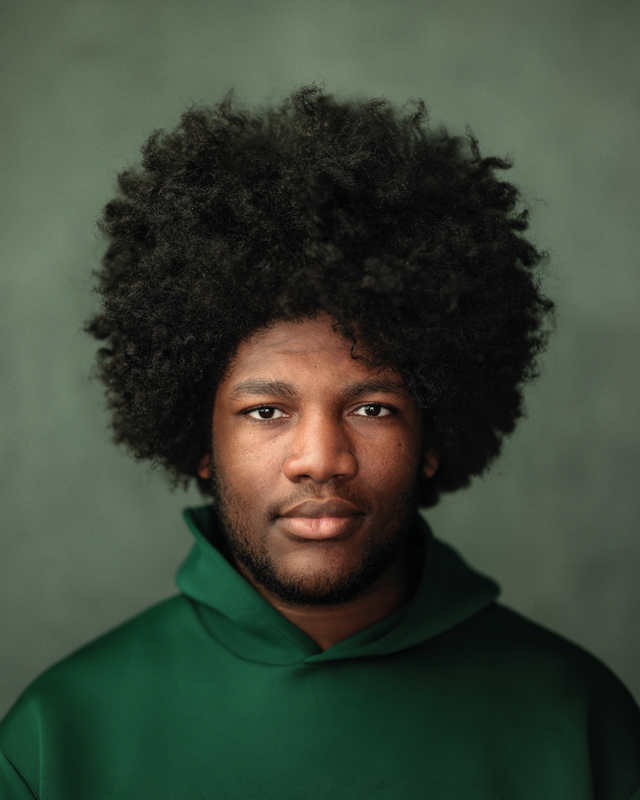
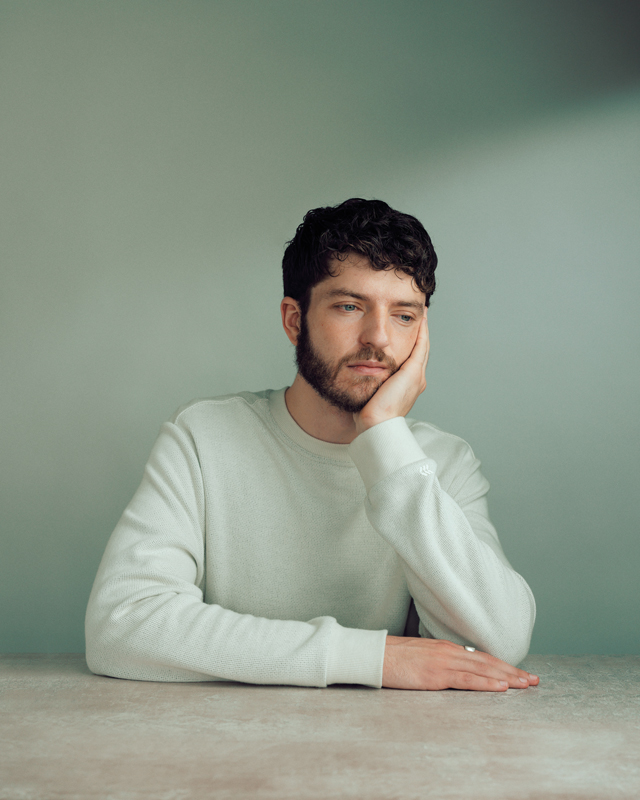
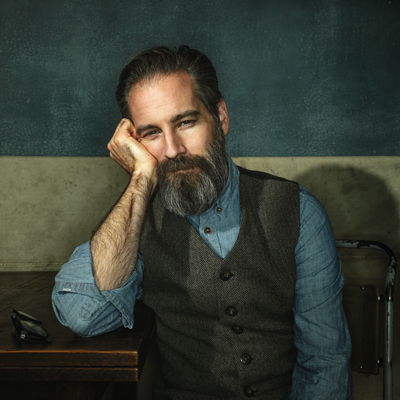
Ivan’s work is particularly associated with headshot and portrait photography, working with actors, performers, architects, designers and other clients who appreciate his distinctive aesthetic.
However, he is reluctant to put too many boundaries around his client base.
His approach is straightforward: create work he enjoys and put it in front of as many potential clients as possible.
“We’re lucky because our product can serve as marketing,” he says. “I get paid to create images, and those images serve as my advertisements on social media.”
This is particularly relevant for portrait and headshot photographers. Every successful shoot can create another opportunity to demonstrate your style, whether through your website, social media or other marketing channels.
Rather than trying to appeal to absolutely everyone, photographers can use their portfolio to attract people who connect with their particular approach.
How do you attract clients as a photographer?
Ivan describes his marketing strategy as relatively simple: get his work in front of as many people as possible.
There is a numbers element to his approach. The more potential clients see his photography, the greater the opportunity for enquiries and bookings.
But there is another important lesson here: your photography is part of your marketing.
For a headshot photographer, every session provides an opportunity to create images that demonstrate what you can do for the next client.
This makes building a strong portfolio particularly important.
Your website and social media shouldn’t simply tell people that you’re a professional photographer. They should show potential clients what their own photographs could look like if they booked you.
Why Ivan prefers studio lighting
Ivan is a strong advocate of studio lighting.
For him, the biggest advantage is control.
By using lighting, modifiers and different setups, he can create a wide range of moods and appearances regardless of the weather outside.
“I love the control I have in the studio,” he says. “By manipulating light and using modifiers, I can create any scene I desire.”
That control is particularly useful when photographing headshots.
A photographer can alter the direction, softness, contrast and intensity of the light to create different looks for the same client. Rather than relying on whatever natural light happens to be available, the photographer can deliberately construct the lighting that best suits the subject.
For Ivan, that also means being able to create a variety of looks during a single headshot session.
Natural light certainly has its place in portrait photography, but studio lighting offers consistency and repeatability — something that can be especially valuable when photography is your business.
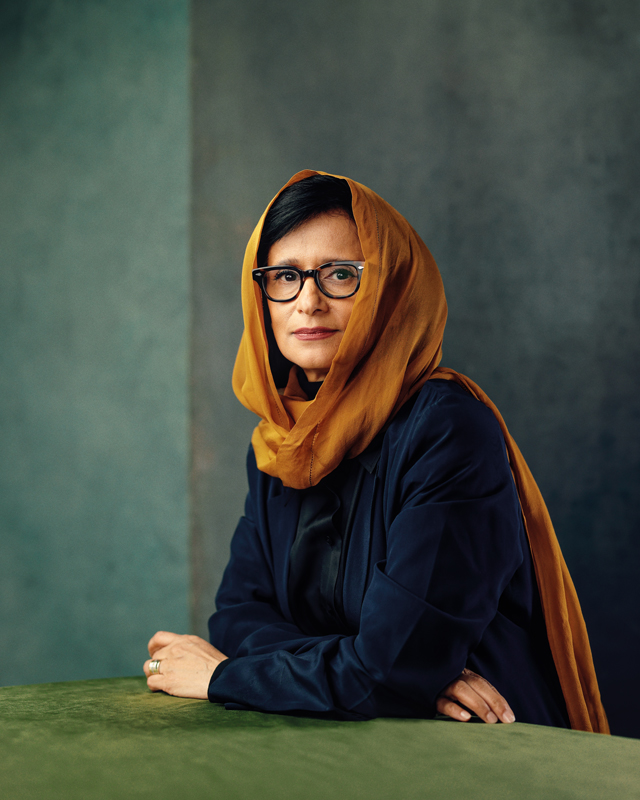
The one piece of kit Ivan couldn’t work without
Asked what piece of photography equipment he wouldn’t want to be without, excluding his camera, Ivan doesn’t hesitate.
Lighting equipment.
For Ivan, lighting isn’t simply a technical necessity. It is fundamental to the creative process.
“If I’m not using studio lighting, I’m typically just snapping pictures on my phone,” he says.
It is an interesting perspective for photographers who can sometimes become focused on cameras, lenses and other equipment.
The most important piece of equipment isn’t necessarily the newest camera. For a photographer whose work depends heavily on shaping light, lighting equipment is what enables the creative process.
What makes a successful photographer?
Ivan believes aspiring photographers should first work out exactly what aspect of photography gives them the most satisfaction.
That might be weddings, landscapes, commercial photography, portraits, wildlife or any other genre.
Once you’ve identified that area, the next step is learning everything required to become good at it.
And that doesn’t just mean learning how to use a camera.
A wedding photographer, for example, needs to understand people management, communication, organisation and the entire process of delivering a wedding photography service.
Likewise, a headshot photographer needs more than good lighting and camera skills. They need to know how to communicate with clients, direct people who may feel uncomfortable in front of a camera, manage a shoot efficiently and deliver a consistent service.
Ivan also believes photographers should be careful about how they define success.
Income, social media followers and being published can all be useful measures, but they aren’t necessarily what makes someone successful.
For Ivan, satisfaction comes from being in the studio, working with people and creating interesting images.
“Focus on the process and your workflow,” he says. “Everything else – income, success – will follow.”
The importance of having a route to market
One of the most useful pieces of advice Ivan received came from Matt Downling of the Freelancer Club.
Ivan explained that he wanted to become a headshot photographer.
The response was a simple question:
“What’s your route to market?”
It made Ivan think beyond the photography itself.
Having a great portfolio is one thing. Building a sustainable photography business requires you to work out how the people who want your services are actually going to find you.
That could mean social media, search engines, networking, referrals, personal contacts, partnerships, advertising or a combination of several approaches.
The lesson is particularly important for photographers starting a business: don’t just think about what you want to photograph. Think about who will pay you to photograph it and how you will reach them.
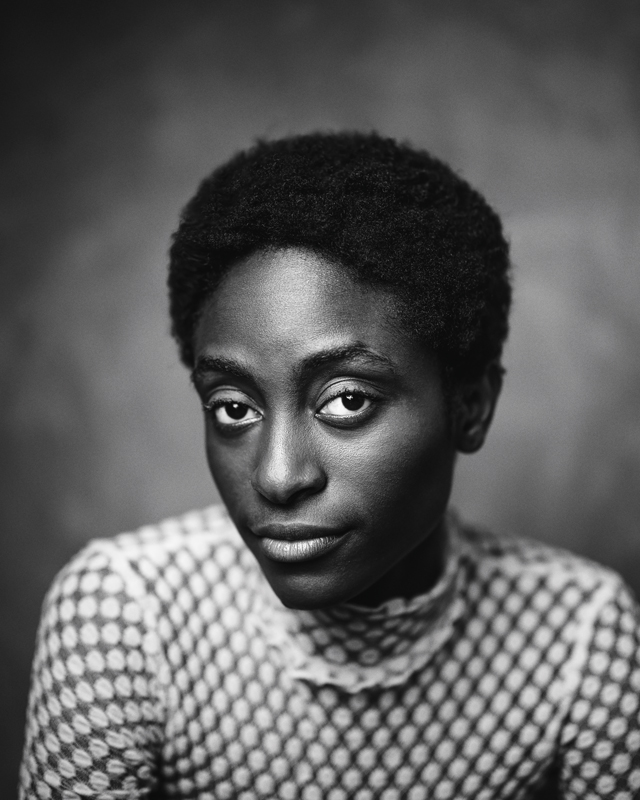
Learning from other photographers
Ivan also credits a comment from renowned headshot photographer Peter Hurley as having a significant impact on his approach to photography.
During a two-day headshot course in New York, Hurley discussed the idea that a portrait photographer is in control of everything within their studio.
For Ivan, the important point was that the “studio” isn’t necessarily a traditional physical studio. It can be a street, a set or a home studio. Ultimately, what the photographer sees through the viewfinder is their studio.
That idea reinforced something Ivan enjoys about portrait photography: the photographer has the opportunity to create the image rather than simply document what happens in front of them.
Don’t let other people define your career
Ivan’s own career demonstrates that there isn’t a single route into professional photography.
He was discouraged from pursuing photography when he was younger. He worked as a bicycle courier, taught English, lived abroad and spent years working in the corporate world.
Eventually, he chose to build the career he actually wanted.
One of the biggest obstacles he has overcome has therefore been ignoring the people who told him that he couldn’t make a good living from photography.
His advice is simple: work out what you want to do, learn how to do it properly and then work out how to get your work in front of people who want to buy it.
Continuing to evolve as a photographer
Ivan doesn’t have a single favourite photograph.
That might seem surprising, but his explanation reveals something important about his approach.
He is always thinking about the next photograph.
When he looks back at older work, he is more interested in seeing how his process has developed — the lenses, colours, backdrops and techniques he was using at different points in his career.
The photographs become evidence of that evolution.
“I love the work I create and seeing it printed and displayed,” he explains, “but to have a favourite would be like saying I’ve achieved perfection.”
For Ivan, there is always another photograph to make.
Turning challenges into new opportunities
Like many photographers, Ivan faced a major challenge when the photography industry was disrupted during lockdown.
Unable to rely on normal photography commissions, he looked for other ways to use his skills and knowledge.
Interest in his work from other photographers led him to create LUTs in association with Affinity Photo. He also began offering one-to-one coaching and mentoring and created a full-length video showing his photography process.
What started as a difficult period therefore became an opportunity to develop additional income streams around his photography expertise.
For professional photographers, this is an important business lesson.
Your photography skills can potentially create more than one source of income.
Workshops, mentoring, education, digital products, presets, LUTs and other photography-related services can all complement client commissions when they genuinely reflect your expertise.
The biggest lesson from a career in photography
Perhaps the most important lesson Ivan has learned is that you don’t have to follow the path somebody else has chosen for you.
He describes the realisation as freeing.
During his corporate career, he often felt he was trying to meet the expectations of other people. Photography gave him the opportunity to make his own decisions and accept responsibility for the consequences.
That doesn’t mean becoming a professional photographer is easy.
There are financial risks, difficult clients, administration, marketing and all the other responsibilities that come with running a business.
But for Ivan, the freedom and satisfaction are worth it.
What’s next for Ivan Weiss?
For Ivan, retirement isn’t something he particularly thinks about.
He loves being in the studio, meeting new people and creating photographs. When he isn’t photographing, he notices the difference.
His motivation comes from the possibility that tomorrow’s photograph could be better than last week’s.
That continual desire to improve may be one of the most valuable lessons for photographers at any stage of their careers.
You don’t have to have everything figured out.
You need to keep learning, keep making photographs and keep finding ways to put those photographs in front of the right people.
Follow Ivan Weiss
You can find out more about Ivan’s headshot and portrait photography, LUTs and educational work through his website and social channels.
Website: Ivan Weiss
Instagram: @ivanweiss.london
Ivan also offers photography products and educational resources, while photographers interested in developing their headshot skills may want to explore headshot workshops and mentoring opportunities.