
Hybrid Wedding Photography: Should You Offer Stills and Video?
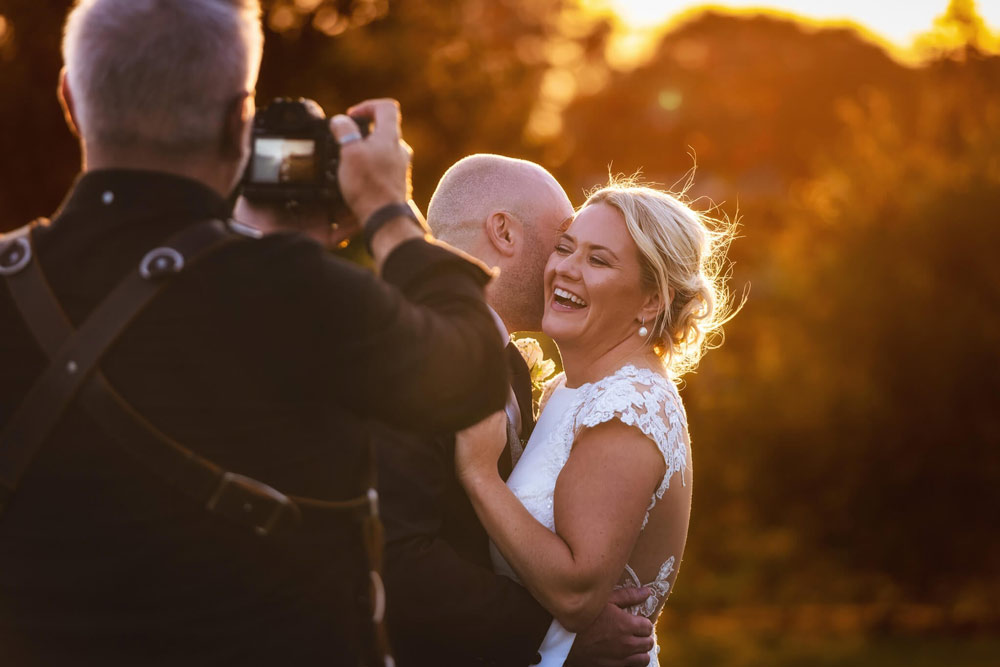
David Stanbury FSWPP explains how combining wedding photography and video can create new opportunities for photographers and give couples more ways to remember their wedding day.
Wedding photography has changed considerably over the years.
Couples are no longer necessarily looking for a collection of still photographs alone. Short-form video, social media clips and highlight films have become increasingly popular ways of capturing and sharing the atmosphere of a wedding.
For photographers, this creates an interesting opportunity:
Should you offer both photography and video?
Award-winning wedding and portrait photographer David Stanbury has embraced a hybrid approach, combining still photography with short-form video to give couples more complete coverage of their day.
But, as David explains, hybrid photography isn’t about trying to replace professional wedding videography.
It’s about knowing where stills and short-form video can work together.
What Is Hybrid Wedding Photography?
Hybrid wedding photography means capturing both stills and video during the same wedding coverage.
Rather than having a photographer responsible exclusively for photographs and a separate videographer producing a complete cinematic film, the hybrid approach allows the photography team to capture short video clips alongside their still images.
These clips can then be edited into a short highlight film.
For David, this typically means creating a collection of short segments that can be combined into a concise film telling the story of the wedding.
It’s a very different proposition from producing a full-length cinematic wedding film.
Why Combine Photography and Video?
Modern cameras make switching between stills and video considerably easier than it once was.
Features such as in-body image stabilisation can make handheld video more practical, while modern cameras allow photographers to move quickly between different types of capture.
That means photographers can potentially capture:
- Behind-the-scenes moments while the couple is getting ready
- Short clips during the ceremony
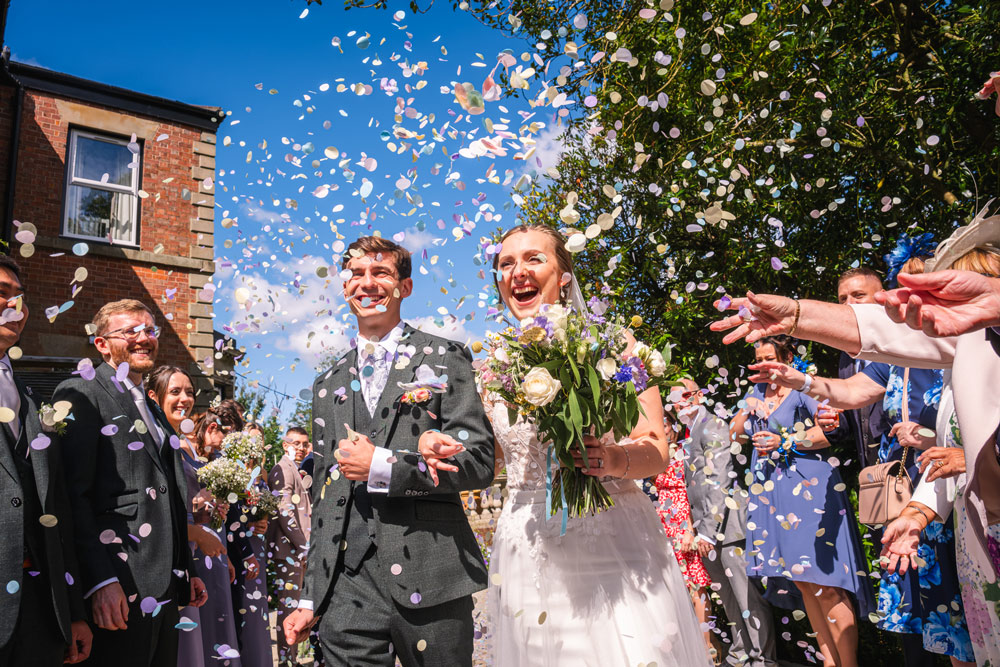
- Reactions and emotions
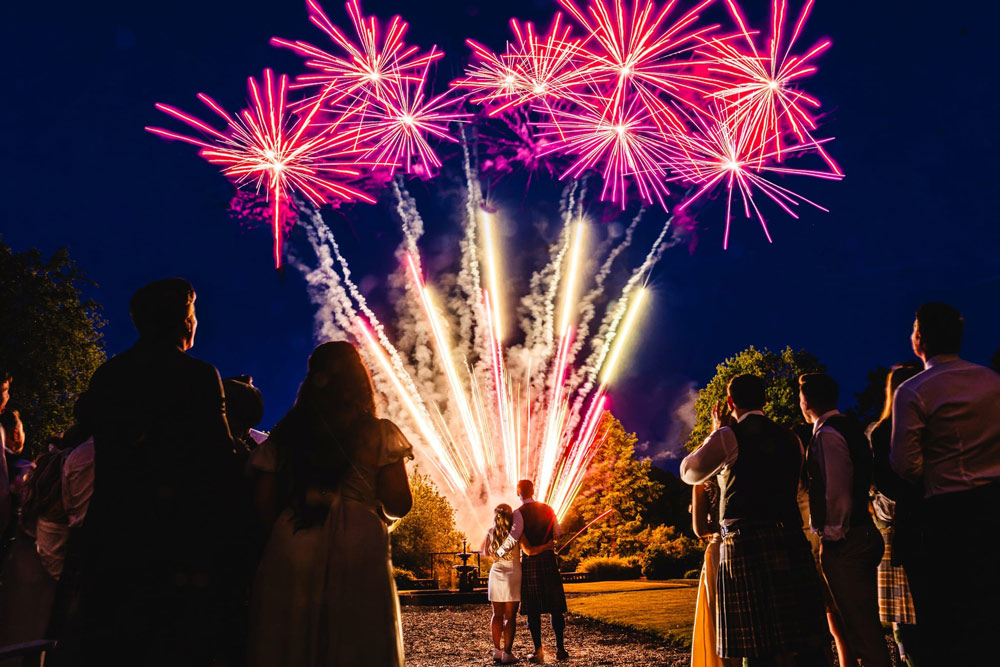
- Details of the venue
- Guests enjoying the reception
- Dancefloor moments
- Short snippets of speeches
- Environmental footage
- Social media content
The key is that the video doesn’t necessarily replace the still photography.
It complements it.
You Don’t Have to Offer Full Wedding Films
One of the most important points from David’s experience is knowing what you’re actually offering.
If a couple wants a full cinematic wedding film, hybrid photography may not be the right solution.
A dedicated professional wedding videographer is likely to be better equipped for that requirement.
Hybrid coverage is better suited to couples who want something more concise.
For example, a short highlight film can provide movement, sound and atmosphere alongside a collection of still photographs.
This distinction is important when marketing the service.
Don’t promise a cinematic wedding film if your service is actually a short highlight video.
Set expectations clearly from the beginning.
Finding Opportunities During the Wedding Day
The biggest challenge with hybrid photography is obviously time.
You can’t photograph and film the same moment simultaneously.
So the key is learning to recognise when you’ve already captured the important still images and can safely switch to video.
David describes moments during the preparations, ceremony and reception where the necessary still photographs have already been captured.
Those can provide opportunities to collect short video clips.
A ten-second clip might not sound like much.
But several well-chosen clips can become a compelling sequence when edited together.
The trick is not to film everything.
It’s to film the right things.
Think in Short Sequences
When shooting video alongside stills, it helps to think differently.
Instead of simply recording long pieces of footage, look for short sequences that work together.
For example:
Wide shot: Establish the venue.
Medium shot: Show the couple or guests.
Close-up: Capture a detail, expression or interaction.
That combination can give an editor enough material to create a sense of movement and place without requiring hours of footage.
It also makes hybrid coverage much more manageable for photographers who are primarily stills shooters.
Muscle Memory Matters
One reason an experienced wedding photographer may be able to introduce video into their workflow is that many of the fundamentals of wedding photography have already become instinctive.
You know how to read a room.
You know where the light is.
You understand exposure.
You anticipate moments.
You know where the couple and guests are likely to move.
You understand the rhythm of a wedding day.
That experience means you don’t necessarily have to think about every photographic decision from scratch.
It gives you more mental space to think creatively about the video you’re capturing.
But that doesn’t mean video requires no additional learning.
If you’re considering offering it professionally, you still need to understand video exposure, frame rates, shutter speed, audio, focus, stabilisation, colour and editing.
Working as a Two-Person Team
Hybrid coverage can become particularly practical when you work as part of a team.
David works alongside his wife Jane, who acts as a second photographer and can often manage the highlight-film elements of the coverage.
This allows the team to divide responsibilities rather than expecting one person to capture everything simultaneously.
For photographers considering hybrid services, this is an important question to ask:
Do you need to do everything yourself?
A second photographer or hybrid team member could potentially make the service considerably easier to deliver.
Hybrid Photography Can Be a Marketing Tool
The benefits of hybrid photography don’t stop with the finished product.
Video captured during weddings can also become valuable marketing content.
Behind-the-scenes footage can be used across social media to show prospective clients:
- How you work
- What a wedding day looks like
- How you interact with couples
- Your personality
- Your approach to photography
- The atmosphere you create
This type of content can be particularly useful because potential clients aren’t simply seeing your finished photographs.
They’re seeing you in action.
Think About Social Media When You Shoot
If you’re already capturing video for marketing purposes, it’s worth considering how you’ll use it afterwards.
Vertical video is particularly useful for platforms such as Instagram and other short-form video channels.
David also recommends thinking about composition so that you can potentially capture material that works in both landscape and portrait formats.
This doesn’t mean every shot needs to be designed specifically for social media.
But considering how footage will eventually be used can save time later.
Hybrid Photography Isn’t Just for Weddings
The same concept can work in other areas of photography.
Portrait Photography
Short behind-the-scenes clips can show the experience of a portrait session and help potential clients understand what working with you is like.
Fine Art Photography
Artists can use video to show the creative process behind a project, exhibition or individual image.
Commercial Photography
Commercial clients increasingly need both still and moving content for websites, advertising and social media.
A fashion shoot, product launch or event can potentially generate multiple types of content from the same production.
Personal Branding
For personal branding photographers, short video clips can be particularly valuable because clients often need both photographs and social media content.
Should You Add Hybrid Photography to Your Business?
Before adding video to your packages, consider a few questions.
Do your clients actually want it?
Don’t introduce a new service simply because the technology allows it.
Talk to existing and prospective clients and find out whether there’s genuine demand.
Can you deliver it well?
There’s a difference between being able to record video and being able to deliver a professional video product.
Make sure you understand the additional skills involved.
Does it fit your existing workflow?
Wedding days are already demanding.
Your hybrid service needs to work without compromising the quality of your still photography.
Do you need additional help?
A second photographer or dedicated team member may make hybrid coverage much more practical.
What are you actually selling?
Be very clear about whether you’re offering:
- Short social media clips
- Behind-the-scenes footage
- A short highlight film
- A full wedding film
- Or a combination of these
The client needs to understand exactly what they’re receiving.
Make Hybrid Photography a Product, Not an Add-On
David’s approach is particularly interesting because hybrid coverage isn’t treated as something bolted onto an existing wedding package.
It’s a product in its own right.
That’s an important distinction.
If you’re offering both photography and video, don’t simply add “video available” to the bottom of your price list.
Think about the complete service.
What does the client receive?
How long is the finished film?
How much video do you capture?
Who edits it?
How long does delivery take?
What does it cost you to produce?
And, most importantly, what value does it provide to the couple?
Final Thoughts
Hybrid wedding photography won’t be right for every photographer—or every couple.
If someone wants a comprehensive cinematic wedding film, a specialist videographer is likely to be the better choice.
But for couples who want the emotion and permanence of professional wedding photographs combined with the movement, atmosphere and sound of a short highlight film, hybrid coverage can be a compelling proposition.
For photographers, it can create another product, another revenue stream and another way to differentiate your business.
The important thing is to start with the client rather than the technology.
What do they want to remember about their wedding day—and how can stills and video work together to tell that story?
About the Author
David Stanbury FSWPP Master Photographer
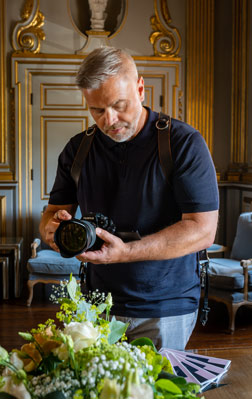
David Stanbury is an award-winning wedding and portrait photographer who has developed a hybrid approach to wedding coverage, combining professional still photography with short-form video and highlight films.
His work demonstrates how photographers can incorporate moving images into their existing services without attempting to replace the role of a dedicated cinematic wedding videographer