How to Publish a Photography Book and Build Your Photography Business
Publishing a book might seem like an ambitious project, but for photographers it can be much more than a creative achievement. A well-produced book can help establish your expertise, introduce your work to new audiences and create opportunities that might never come from photography alone.
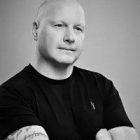
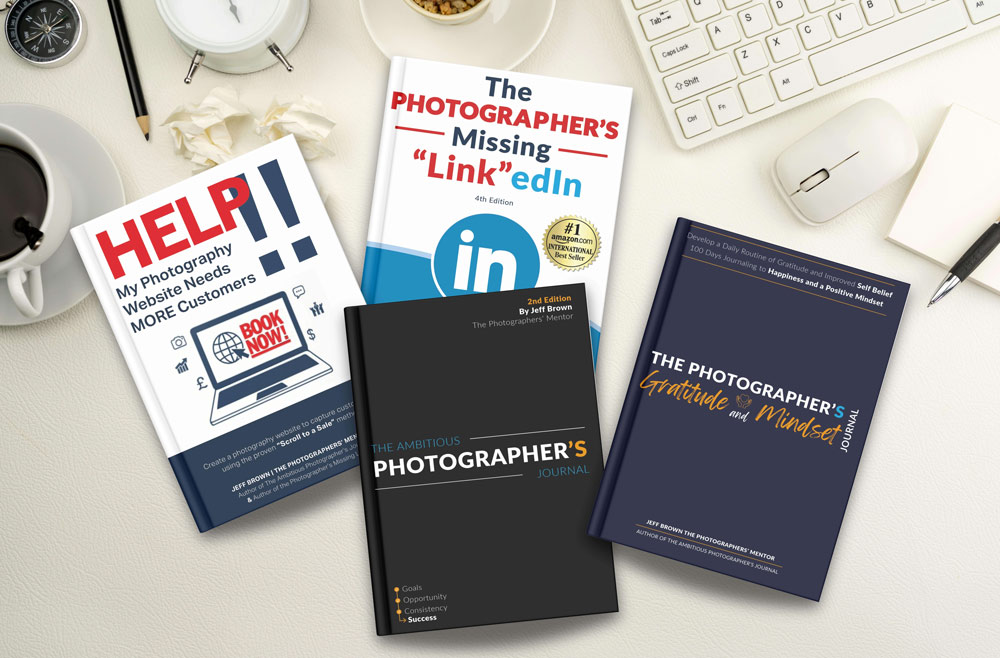
For photographer and author Jeff Brown, becoming a published author has led to international speaking engagements, ambassadorships, sponsorships, collaborations and new business opportunities.
Jeff left his career as a Royal Navy photographer in 2004 to start his own photography business. At the time, he had always dreamed of writing a book, but the cost of producing one and his dyslexia made the idea seem difficult to achieve.
Today, self-publishing is considerably more accessible.
Why should a photographer publish a book?
A book gives you something that is difficult to achieve through social media or a portfolio alone: it positions you as someone with knowledge and expertise worth sharing.
Being a published author can strengthen your professional reputation and potentially lead to opportunities such as:
- Speaking engagements
- Magazine features
- Podcast and radio interviews
- Workshops and educational events
- Brand collaborations
- Sponsorship opportunities
- New photography clients
- Additional income from book sales
For Jeff, becoming a published author significantly increased his profile within the photography industry.
“A book is the best business card you can have,” he says.
A physical book also gives your audience something tangible. Rather than simply showing someone a collection of photographs on a website or social media platform, you are giving them a finished product that represents your knowledge, creativity and experience.
You don’t have to be a professional writer
One of the biggest barriers photographers face is the thought that they aren’t good enough at writing to produce a book.
Jeff is dyslexic and has found that modern technology has made the writing and editing process much more manageable.
Tools such as Grammarly, Hemingway Editor and Microsoft Word’s Read Aloud function can help identify errors and awkward passages. AI tools such as ChatGPT can also be useful during the planning stage, helping with tasks such as brainstorming ideas, organising chapters and developing an initial structure.
The important distinction is that these tools should support the writing process rather than replace your own knowledge and experience.
Your expertise, stories and photographic perspective are what make the book worth reading.
What should your photography book be about?
This is often the first question photographers ask.
“What would I write about?”
The answer doesn’t necessarily have to be photography.
Think about your experience, your interests and the things you know particularly well. Your book could be based on your photographic speciality, but it could also combine photography with another subject you are passionate about.
For example, you might create:
- A guide to your photography niche
- A book about starting a photography business
- A collection of your best images
- A photographic travel guide
- A local history book
- A book documenting a particular community or place
- A practical photography guide
- A journal or workbook
- A book combining photography with another hobby or interest
- A personal story or photographic project
The strongest ideas are often found where your photography overlaps with another area of genuine knowledge or passion.
Turn your passion into a photographic book project
Jeff gives the example of his mentee Susan Allan, an architectural photographer from Edinburgh.
Susan is combining her passion for history with her architectural photography to create a book about historic Edinburgh and the Scottish Borders.
The project isn’t simply a collection of photographs. It connects her photography with a subject that matters to her and has potential relevance to her ideal clients, including architects, designers and construction companies.
That is an important consideration when developing a book.
Ask yourself:
Who would be interested in this book, and how does that audience relate to the photography business I want to build?
A book aimed at your ideal clients can become a powerful way of demonstrating your expertise while putting your work directly in front of the people you want to reach.
Your book doesn’t have to be about photography
Jeff’s own interests have led him into travel publishing.
Having travelled to more than 60 countries, he has accumulated years of photographs and stories that could eventually form the basis of a travel book series.
But one of his more recent projects started much closer to home.
Living in Northumberland near the Scottish Borders, Jeff recognised an opportunity to document the Northumberland 250, a scenic driving route through the region.
Working with fellow author Debby Rapier, he spent a year researching, writing and photographing the area.
The result was a 377-page, full-colour guidebook containing more than 100 personally reviewed places to eat and drink and over 150 recommended sights, including many lesser-known locations.
This is a good example of how a photographer can turn local knowledge, photography and another personal interest into a substantial publishing project.
How much does it cost to publish a photography book?
The cost of producing a professional photography book has traditionally been a major barrier.
Photographers once faced the prospect of ordering large print runs, paying thousands of pounds upfront and then finding somewhere to store the finished books.
Print-on-demand has changed that model.
Services now allow authors to produce books without committing to a large quantity in advance. This can make self-publishing considerably more accessible, particularly for photographers who want to produce a high-quality book without taking on the financial risk of a large print run.
For Jeff’s Northumberland 250 project, BookVault was used to produce the book. Its print-on-demand model was particularly suited to a photography-heavy publication, while options such as hardback covers and other premium finishes can be used when appropriate.
The exact cost will depend on the size, page count, paper, binding, colour requirements and print quantity of your book, so it’s worth obtaining quotes before committing to a project.
How can photographers self-publish?
Once your manuscript and images are ready, there are several routes available.
Amazon Kindle Direct Publishing, commonly known as KDP, allows authors to upload manuscripts and cover artwork for publication through Amazon. Books can be made available as physical editions as well as Kindle ebooks, depending on the project.
For photographers, however, don’t assume that the cheapest publishing route will automatically produce the best result.
Photography books depend heavily on print quality.
Consider:
- Colour reproduction
- Paper quality
- Image resolution
- Binding
- Page layout
- Cover design
- Trim size
- Whether the book needs to lie flat
- Production and fulfilment costs
If your book is primarily a collection of photographs, the physical experience of the finished book is part of the product.
Think about discoverability before you publish
Publishing the book is only half the job.
People need to be able to find it.
Jeff has helped photographers with areas such as Amazon research, including selecting appropriate keywords and categories.
The principle is similar to search engine optimisation for your photography website: if you understand what your potential readers are searching for, you can make better decisions about the title, description, categories and keywords used to describe your book.
Think about your ideal reader before publication.
What would they type into Amazon or Google?
What problem does your book solve?
What destination, subject or photographic niche does it cover?
The answers can help shape both the book itself and the way you market it.
A book can create new photography opportunities
Jeff’s experience with other photographers demonstrates how a book can become the starting point for additional work.
Steve, a travel and adventure photographer, only began writing around 18 months before publishing three travel-related books.
One of his projects focused on the Scottish North Coast 500, a route he knew extremely well.
His books helped establish him as an authority in travel and landscape photography, while also supporting the development of landscape photography workshops and guided tours.
The book therefore became more than a publication. It became part of his wider business.
That’s an important way to think about publishing.
Your book doesn’t have to make its money solely through book sales.
It can act as a marketing tool that leads people towards your photography, workshops, tours, talks, mentoring or other services.
Your photography can tell a bigger story
Another example is Samantha, a boudoir photographer whose work focuses on helping women and teenage girls develop confidence and feel comfortable in their own skin.
She recognised that her photography represented only part of what she wanted to communicate.
That led to the creation of guided body-confidence journals for women and teenagers, containing prompts, reflections and encouragement.
The journals helped her develop a closer connection with her audience and contributed to opportunities including magazine features and radio interviews.
Again, the important lesson isn’t that every photographer should create a journal.
It’s that your photography may be part of a much bigger idea.
Ask yourself what you want people to understand, feel or do after experiencing your work.
Your book could be the vehicle for communicating that idea.
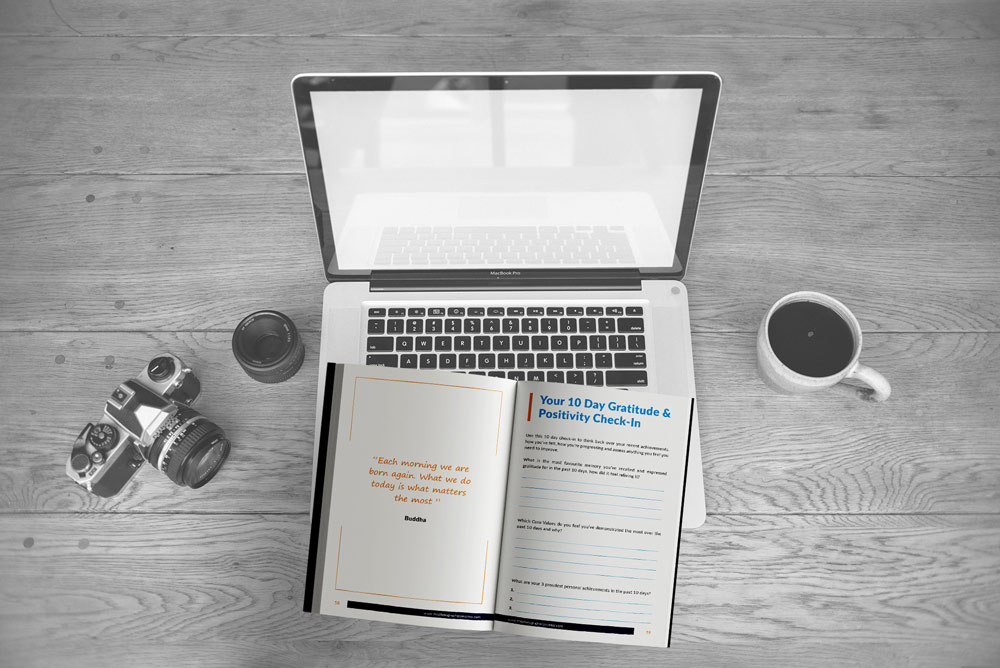
How to start writing your first photography book
The hardest part of writing a book is often starting.
Don’t begin by worrying about the finished 200-page publication.
Start with the idea.
Write down what you want the book to achieve and who you want to read it.
Then break the project into manageable sections or chapters.
Your first draft doesn’t need to be perfect.
Jeff typically writes between 250 and 500 words at a time, several days a week. Small, consistent writing sessions can eventually become a substantial manuscript.
For a photography book, you should also begin thinking about the images and design alongside the written content.
Consider:
- Which photographs tell the story best?
- What sequence should they appear in?
- Where will photographs need supporting text?
- What size will the finished book be?
- How will the cover look?
- Who is the intended audience?
Design your cover early
Don’t underestimate the motivational value of seeing your book become a real product.
Jeff recommends getting the cover designed relatively early in the process.
A finished cover can turn an idea into something tangible and help maintain momentum while you’re working through the manuscript.
There are inexpensive design options available through services such as Canva and freelance marketplaces, while photographers producing premium books may want to work with an experienced book designer.
The right choice depends on the type of book you are producing and the audience you want to reach.
Your first draft doesn’t have to be perfect
Perhaps the most important advice is simply to start.
Your first draft is not the finished book.
Write the ideas down. Get the stories onto the page. Build the chapters. Select your photographs.
The editing process comes later.
This is particularly important for photographers who are used to producing polished visual work. A book can feel intimidating because the finished product appears so far removed from the blank page.
Break it down.
A few hundred words at a time can eventually become thousands.
A collection of ideas can become chapters.
A collection of photographs can become a coherent visual story.
And an idea can eventually become a published book.
Could publishing a book be your next photography project?
You don’t need to be a bestselling author to benefit from publishing a book.
You don’t even need to write a traditional photography book.
Your knowledge, experiences, interests and photographs could combine to create something that is genuinely useful or inspiring to an audience.
For some photographers, the book may generate direct sales.
For others, it could lead to workshops, speaking engagements, media coverage, collaborations or new clients.
And for many, simply having a finished book that represents years of experience and creativity can be an achievement in its own right.
The important thing is to stop thinking of your first book as an impossible project.
Start with an idea.
Break it into chapters.
Write a little at a time.
And see where it takes you.