
Remembering Tigers: A Wildlife Photography Book Supporting Conservation
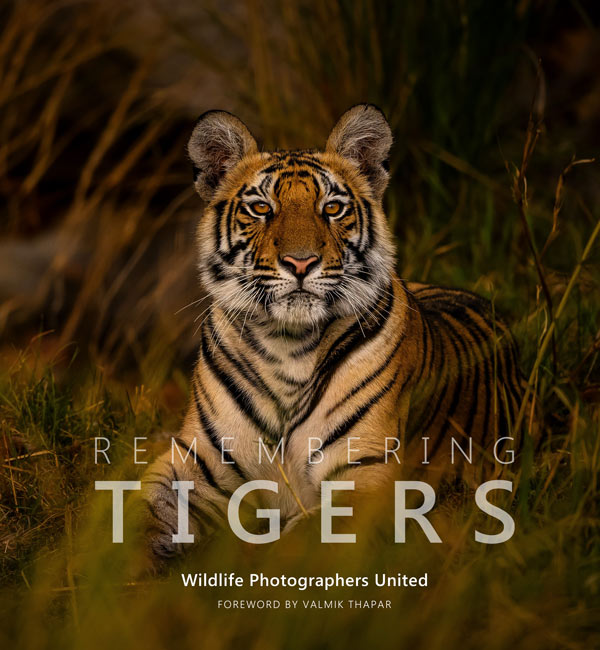
The arrival of a new book in the Remembering Wildlife series is always something to look forward to. With its combination of exceptional wildlife photography and conservation, the series has established itself as an important platform for raising awareness of some of the world’s most threatened species.
Remembering Tigers, the ninth book in the series, continues that tradition with a stunning collection of photographs celebrating one of the world’s most iconic big cats.
A book where wildlife photography makes a difference
The Remembering Wildlife series was created not simply to showcase beautiful wildlife photography, but to use photography as a way of supporting conservation.
The series was founded by Margot Raggett MBE, and each book focuses on a different threatened species. Previous editions have celebrated elephants, rhinos, great apes, lions, cheetahs, African wild dogs, bears and leopards.
With Remembering Tigers, the focus turns to one of the world’s most recognisable—and endangered—animals.
The project demonstrates the potential of wildlife photography to do more than create beautiful pictures. Powerful photographs can encourage people to learn about threatened species, understand the challenges they face and support organisations working to protect them.
Inside Remembering Tigers
Following the format of previous books in the series, Remembering Tigers is predominantly photographic, allowing the images to take centre stage.
Alongside the photography are sections exploring tiger distribution and behaviour, essays from experts, and introductions to some of the major tiger populations.
The book includes coverage of the Bengal, Indochinese, Siberian, Malayan and Sumatran tigers, providing readers with an insight into the diversity of this remarkable species.
The combination of photography, conservation information and expert contributions makes the book more than simply a collection of wildlife images.
The changing world of the tiger
Tigers once occupied a vast area across Asia, but their natural range has declined dramatically.
Habitat loss, human-wildlife conflict, poaching and other pressures have all contributed to the decline of wild tiger populations.
That makes conservation photography particularly important. A photograph can create an emotional connection that statistics and scientific reports sometimes struggle to achieve.
For wildlife photographers, this is one of the most powerful aspects of conservation photography: the image becomes a way of telling a story.
Why wildlife photography matters
Wildlife photography has a unique ability to bring people closer to animals they may never have the opportunity to see in the wild.
A technically excellent image can demonstrate the skill of the photographer, but the most memorable wildlife photographs often go further. They communicate character, behaviour, vulnerability or a sense of place.
Projects such as Remembering Tigers use that emotional connection to encourage greater awareness of conservation issues.
For photographers, it is an important reminder that the value of an image isn’t always measured by its technical qualities alone. Photography can educate, inspire and help raise funds for causes that matter.
A celebration of tiger photography
For anyone interested in wildlife photography, Remembering Tigers offers plenty to appreciate.
The scale and variety of the project demonstrate the extraordinary opportunities available when talented photographers turn their cameras towards wildlife and conservation.
It also provides inspiration for photographers considering their own wildlife projects. Rather than simply photographing an animal, think about the wider story.
Where does it live?
What threats does it face?
How does it interact with its environment?
What can a single photograph communicate about its life?
Those questions can turn a wildlife photograph into something much more powerful.
A book with a purpose
One of the most impressive aspects of the Remembering Wildlife project is its commitment to conservation.
The series has sold more than 50,000 books and raised more than £1.15 million for conservation projects, demonstrating how photography and publishing can work together to create a tangible impact.
For photographers, it is an inspiring example of how our images can have a purpose beyond simply being displayed.
Remembering Tigers – the details
Remembering Tigers is a hardback book featuring 160 pages of wildlife photography, conservation information and expert contributions.
Title: Remembering Tigers
Authors: Wildlife Photographers United, Margot Raggett MBE (Founder)
Format: Hardback
Pages: 160
ISBN: 978-1-9996433-8-6
Publisher: Remembering Wildlife
Remembering Tigers is a beautiful celebration of one of the world’s most iconic animals, but its greatest strength is its purpose. By combining outstanding wildlife photography with conservation, the book helps demonstrate how powerful images can contribute to protecting the species they portray.
For wildlife photographers, it is both an impressive collection of photography and a reminder of the role our images can play in telling important stories.