Dog Photography Studio Hygiene and Temperature: A Guide to Dog Welfare
By Jim Barrett-Smith
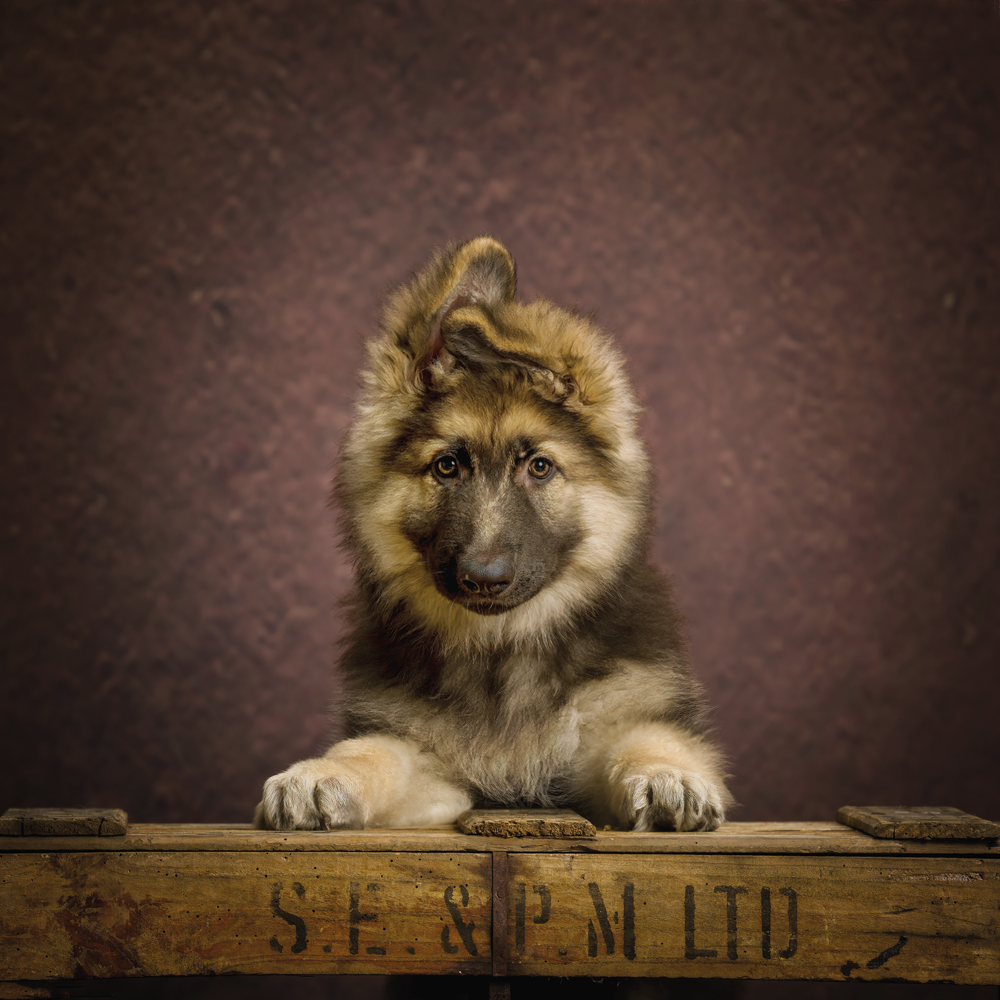
When dogs are the stars of your photography sessions, their welfare should always come first. A professional dog photography studio needs to be more than visually appealing and well equipped — it should also be clean, hygienic, well ventilated and comfortable for every dog that walks through the door.
From cleaning toys and water bowls to managing studio temperatures during hot or cold weather, there are several simple steps dog photographers can take to reduce risks and create a safer environment for their clients.
For this article, photographer Jim Barrett-Smith spoke to veterinary professionals about practical ways photographers can maintain good hygiene and monitor dogs for signs of discomfort.
Keeping a dog photography studio clean
Dogs are naturally curious. They may jump on furniture, lie on rugs and backdrops, play with toys or drink from a communal water bowl during a session.
That means anything that comes into contact with multiple dogs should be considered when planning your cleaning routine.
Good studio hygiene doesn’t have to be complicated, but it does need to be consistent.
Clean dog toys between sessions
Toys can be touched, chewed and carried around a studio, making them an obvious item to include in your cleaning routine.
The Royal Veterinary College notes that respiratory infections such as kennel cough can spread between dogs through shared objects, including toys and food or water bowls. Kennel cough is highly contagious and can be caused by a number of different viruses and bacteria.
Wash reusable toys regularly using an appropriate cleaning method recommended by the manufacturer. Toys that cannot be cleaned effectively should be removed from use or replaced.
Another simple option is to ask clients to bring their dog’s favourite toys to the session. This reduces the number of dogs sharing the same objects and can also help the dog feel more comfortable in an unfamiliar studio.
Don’t overlook the water bowl
Fresh drinking water should always be available to dogs during a photography session, particularly during warmer weather or after exercise.
However, a communal water bowl can also be exposed to saliva, food particles and dirt from multiple dogs.
Wash and refill water bowls regularly, and ideally clean them between sessions when they are being shared by different dogs. Make sure the cleaning product you use is suitable for the surface and rinse thoroughly according to the manufacturer’s instructions.
The aim isn’t to create a sterile environment — it is to maintain a clean environment that minimises unnecessary opportunities for infection to spread.
What about accidents?
Even well-trained dogs can have accidents in a photography studio.
Excitement, nervousness and an unfamiliar environment can all cause a dog to urinate or defecate during a session, so having a cleaning procedure ready is essential.
Remove faeces promptly and clean the affected area thoroughly using a suitable disinfectant or cleaning product. Follow the manufacturer’s instructions carefully, particularly regarding dilution, contact time and whether the product needs to be rinsed afterwards.
For urine, thorough cleaning is particularly important because lingering smells can encourage dogs to investigate or re-mark the same area.
It is also worth considering the surfaces in your studio when designing your set. Flooring and furniture that can be cleaned easily will make dealing with accidents considerably simpler.
Clean between dogs, not just at the end of the day
A busy dog photography studio may have several different dogs visiting throughout the day.
Rather than relying solely on an end-of-day deep clean, build quick cleaning tasks into your workflow.
After each session, consider:
- Vacuuming or removing visible hair and debris.
- Cleaning floors where necessary.
- Wiping down furniture and frequently touched surfaces.
- Cleaning toys that have been used.
- Washing shared water bowls.
- Removing any faeces or urine immediately.
- Checking that blankets, mats and other fabric items are clean before the next session.
A simple checklist can make this much easier to manage when you are busy.
What temperature should a dog photography studio be?
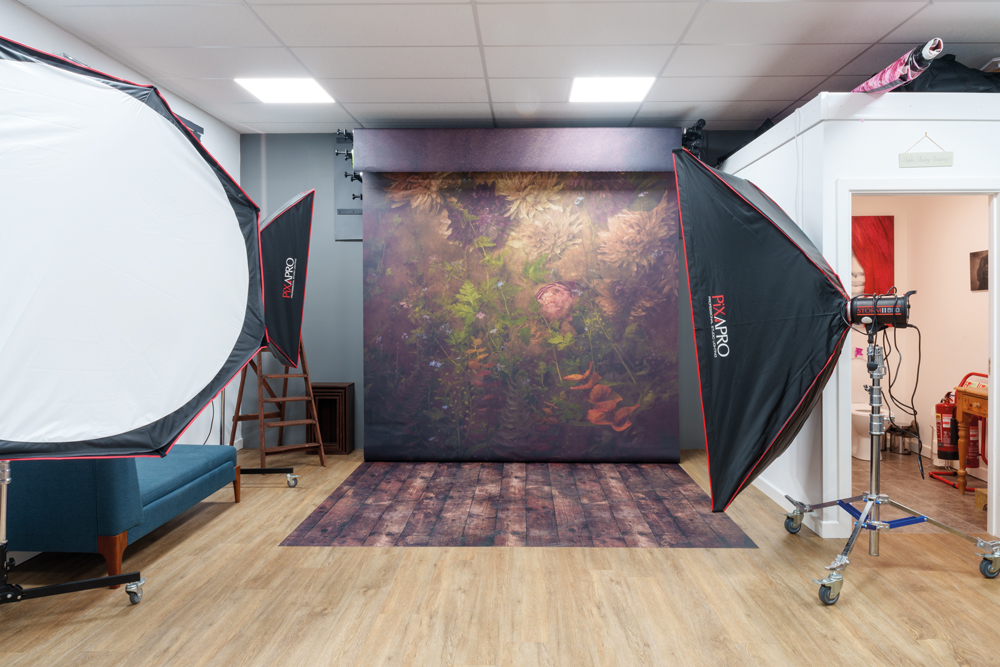
There isn’t one perfect temperature that is suitable for every dog.
Breed, coat, age, size, health and individual tolerance can all affect how a dog responds to temperature. Puppies, older dogs, dogs with short coats and some dogs with underlying health conditions may be more vulnerable to cold, while thick-coated and flat-faced breeds can be particularly susceptible to overheating.
UK government guidance for licensed dog-care environments states that dogs should be monitored to ensure they are not too hot or too cold, and that action should be taken if an individual dog shows signs of discomfort. It also emphasises the importance of suitable ventilation and avoiding excessive temperatures.
For a photography studio, the important principle is therefore not simply to set the thermostat to one fixed number. Monitor the individual dog and the environment.
A comfortable room temperature for one dog may not be comfortable for another.
Watch for signs that a dog is too hot
Dogs primarily cool themselves through panting, so some panting during activity or excitement is completely normal.
However, excessive panting can be a warning sign, particularly when a dog is resting or has not been exercising.
Other potential signs of heat-related distress include:
- Heavy or rapid breathing
- Excessive drooling
- Lethargy
- Weakness
- Vomiting or diarrhoea
- Confusion
- Difficulty breathing
- Collapse
PDSA warns that heatstroke can become life-threatening and recommends taking excessive panting and other signs of heat-related illness seriously.
This is particularly important when photographing dogs under studio lighting, where the equipment, enclosed space and physical activity can all contribute to the temperature rising.
Don’t wait for the dog to become distressed
If a dog appears to be struggling with the heat, stop the session and allow it to rest somewhere cooler with access to fresh water.
Good ventilation and appropriate air conditioning or cooling can make a significant difference during warmer weather.
Flat-faced breeds, older dogs, puppies, overweight dogs and dogs with thick coats can be particularly vulnerable to heat-related problems.
If you are concerned that a dog is suffering from heatstroke or is seriously unwell, seek veterinary advice immediately.
How can you tell if a dog is too cold?
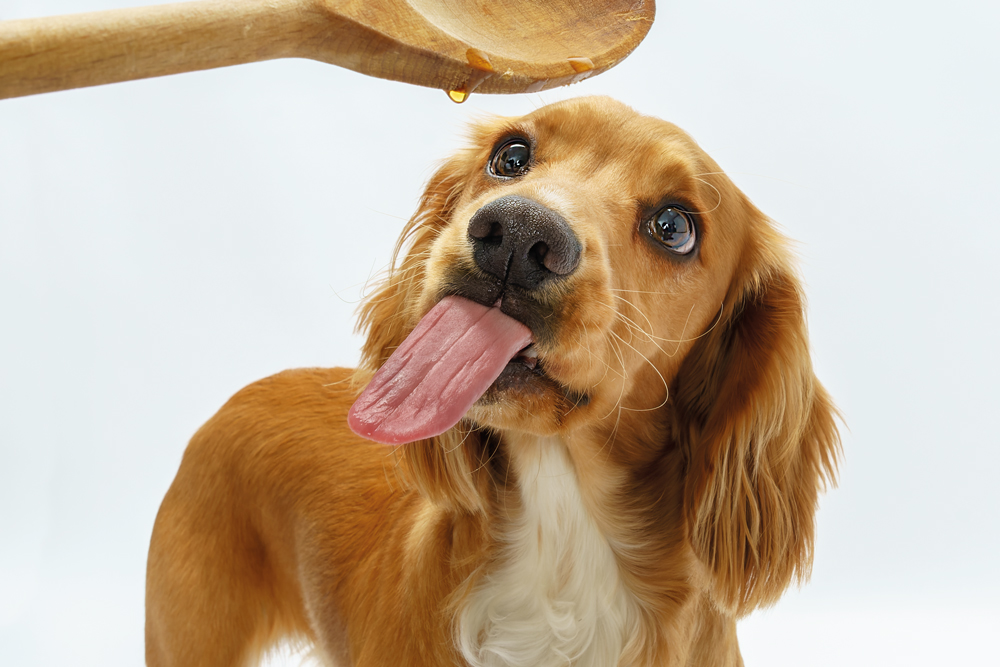
Cold tolerance also varies considerably between individual dogs.
A small, short-haired dog may become uncomfortable much sooner than a large dog with a thick coat.
Shivering can be an obvious indication that a dog is cold, while repeatedly seeking warm areas or curling tightly into a ball may also suggest that the dog is uncomfortable.
The RSPCA highlights small, young, old and short-coated dogs as being particularly susceptible to cold conditions.
If a dog appears cold or uncomfortable, allow it to move to a warmer area and consider whether the session should continue.
Think about ventilation as well as temperature
Temperature isn’t the only environmental factor that matters.
A studio can feel uncomfortable even when the thermometer shows a reasonable temperature if there is poor ventilation, excessive humidity or inadequate airflow.
UK guidance for dog-care environments specifically highlights the importance of adequate ventilation while avoiding excessive localised draughts.
For photographers, this is particularly relevant during longer sessions or when several people and dogs are sharing a relatively small studio.
Check the conditions before outdoor dog photography
The same principles apply when photographing dogs outdoors.
Before a session, check:
- The forecast temperature
- Humidity
- Direct sunlight
- Available shade
- The length and intensity of the session
- Whether the dog has access to fresh water
- The breed, age and condition of the individual dog
A session that would be perfectly comfortable in the morning may become unsuitable later in the day if temperatures rise.
Be prepared to change the time, location or duration of the shoot if conditions become uncomfortable.
Make dog welfare part of your studio workflow
Good dog photography isn’t simply about getting the perfect expression or pose.
A dog that is comfortable, relaxed and happy is also far more likely to produce the natural expressions and engaging images that clients want.
A simple welfare routine can therefore become part of your normal photography workflow:
Before the session
- Check the studio temperature.
- Make sure fresh water is available.
- Check that floors, furniture and props are clean.
- Make sure toys and other equipment are ready.
- Consider the dog’s age, breed, coat and individual needs.
During the session
- Watch the dog’s behaviour.
- Take regular breaks.
- Monitor signs of heat or cold stress.
- Keep fresh water available.
- Avoid forcing a dog to continue if it is uncomfortable or distressed.
After the session
- Clean the areas used by the dog.
- Wash shared bowls.
- Clean toys and props.
- Remove hair and debris.
- Deal with accidents immediately.
- Prepare the studio for the next client.
Prevention is better than cure
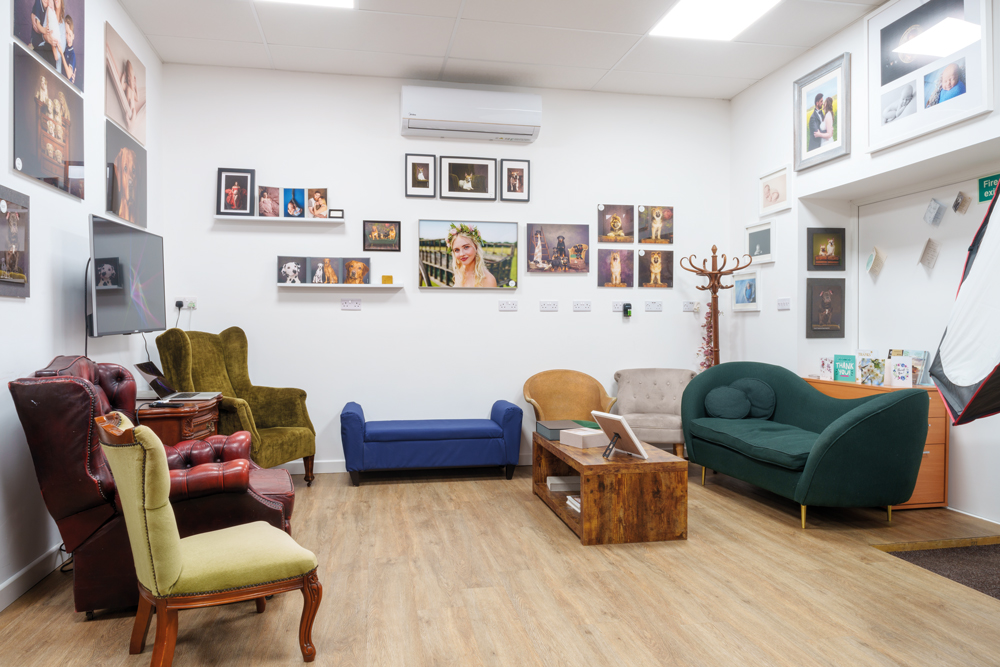
Running a dog photography studio comes with a responsibility to consider the welfare of every animal that enters your premises.
Good hygiene, sensible temperature control, ventilation, fresh drinking water and careful observation don’t require complicated procedures. They simply need to become part of the way you work.
Every dog is different, so don’t rely solely on a thermometer or a fixed studio routine. Watch the dog in front of you.
If a dog appears uncomfortable, overheated, excessively cold, unwell or distressed, stop the session and take appropriate action. When in doubt about a dog’s health, seek advice from a veterinary professional.
For professional dog photographers, looking after the animal isn’t separate from the photography — it’s part of being a responsible professional.