
Headshot Photography Tips: How to Make Clients Look and Feel Their Best
Julietta Arden-Taylor shares practical advice for building trust, directing non-models and creating a headshot experience that clients will remember.
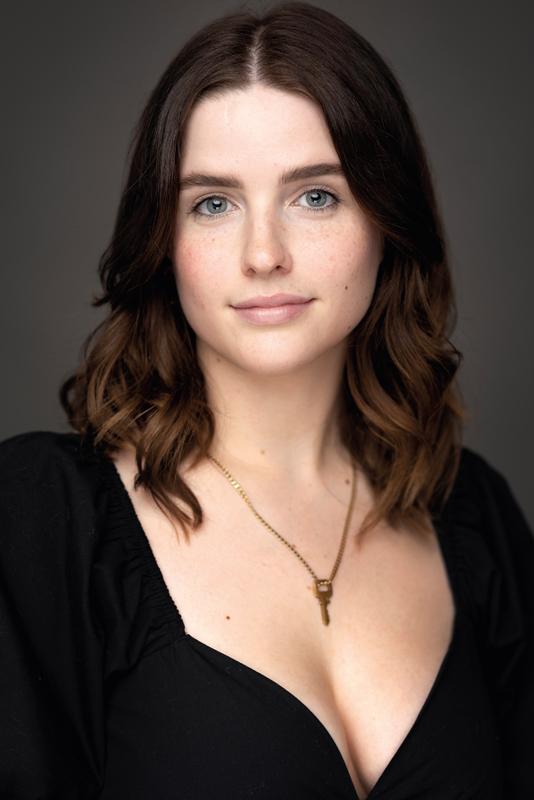
Headshot photography can look deceptively simple.
The final photograph might be a straightforward portrait against a clean background, but producing a genuinely effective headshot requires much more than knowing how to use your camera.
Your client needs to trust you.
They need to feel comfortable in front of the camera. They need to understand what you want them to do. And, most importantly, they need to leave the session feeling that they have been seen at their best.
That experience can be just as important to the growth of your business as the photographs themselves.
In a competitive headshot market, your reputation is one of your most valuable assets.
Great headshots start with the experience
Technical and creative skills obviously matter.
You need to understand lighting, composition, exposure, posing and how to produce a flattering image. But those skills alone don’t guarantee that someone will recommend you to a colleague.
Think about the language people use when they recommend a photographer.
They might say:
“She put me at ease immediately.”
“I hate having my photograph taken, but she made it easy.”
“We had fun and the session flew by.”
Those comments are incredibly valuable.
Many business clients aren’t professional models. Some may actively dislike being photographed. They may be worried about how they will look, concerned that they won’t know what to do or simply feel uncomfortable being the centre of attention.
Your job isn’t just to take their photograph.
Your job is to make being photographed feel easy.
Build the relationship before the camera comes out
The client experience starts before the session.
Your first contact might be an email, telephone call, online enquiry or booking form. Every interaction is an opportunity to start building trust.
You don’t need to manufacture a friendship.
Instead, look for something genuine that gives you a starting point for conversation.
Perhaps you have a shared interest. Maybe they mention a particular job, hobby, location or project. Even something small can help turn an impersonal transaction into a more relaxed interaction.
A short questionnaire attached to your booking process can also be useful.
Ask questions that are relevant to the session and that might help you understand what the client wants from their photographs.
For example:
- Where will the images be used?
- What impression do you want the photographs to create?
- Is there a particular style you like?
- What do you normally dislike about photographs of yourself?
- Is there anything you’d particularly like to achieve during the session?
That information can make the shoot much more productive.
Remember that most clients aren’t models
This is one of the biggest differences between photographing professional models and photographing business clients.
Models are generally accustomed to being directed.
They understand how to move, how to hold a pose and how their body responds to the camera.
Your average headshot client probably doesn’t.
If you tell someone, “Just relax and look natural,” you may actually make them more nervous because they have no idea what “natural” means in front of a camera.
Give them something specific to do instead.
Small adjustments can make a considerable difference:
- Ask them to move their shoulders.
- Change the direction they’re looking.
- Adjust their chin slightly.
- Ask them to shift their weight.
- Give them a reason to change their expression.
- Talk to them while you’re shooting.
- Show them successful images as you go.
The aim isn’t to create a complicated pose.
It is to give the client enough direction that they don’t have to worry about what they’re supposed to be doing.
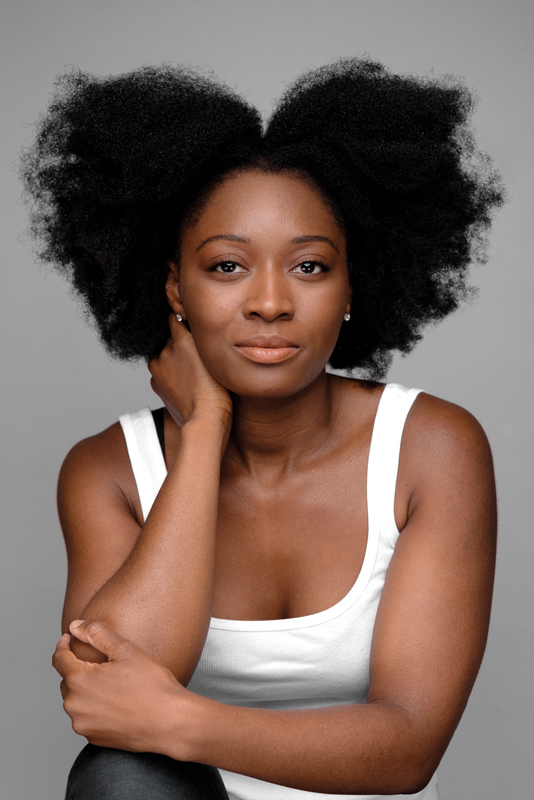
Don’t tell people they look uncomfortable
There’s a useful distinction between correcting a pose and criticising the person.
If something isn’t working, don’t say:
“That doesn’t look right.”
Instead, simply make an adjustment.
“Let’s try turning your shoulders slightly this way.”
Or:
“That’s great. Now bring your chin forward just a little.”
Positive, specific direction keeps the session moving forward without making the client self-conscious.
When you capture something that works, let them know.
Showing someone a genuinely good photograph of themselves can be transformative.
They suddenly understand that the photographer knows what they are doing — and that they can look good on camera.
That confidence often makes the next few photographs considerably easier.
Be yourself
Authenticity matters.
Your clients have probably already looked at your website, portfolio and social media before booking you. They have chosen you partly because they like your style and the way you present yourself.
Don’t suddenly become somebody else when they arrive.
Whether your personality is energetic, serious, quirky, calm or humorous, be yourself.
That doesn’t mean every client will immediately respond to your personality.
That’s normal.
If you don’t naturally click with someone, look for common ground rather than trying to force a connection.
The important thing is that the client feels respected and comfortable.
Conversation is a photographic tool
Conversation can be one of the most useful tools in a headshot photographer’s kit.
Not because you need to become your client’s best friend, but because talking gives them something else to concentrate on.
A person who is silently thinking, “What does my face look like? What am I doing with my hands? Am I smiling properly?” is likely to look tense.
A natural conversation can interrupt that internal monologue.
Ask an open question and listen to the answer.
You might talk about:
Work and interests
If the person has an interesting profession, ask them about it.
People often become animated when talking about something they know well.
That change in expression and body language can produce much more natural photographs.
Hobbies
Sport, music, cooking, gardening, travel, cars, books or almost anything else can provide an easy conversation.
You don’t need to have the same interests.
Being genuinely interested is enough.
Places
Travel and favourite places can be useful conversation starters, particularly if you’ve photographed in the same area or have a shared destination.
Food
Food is an easy subject for conversation and usually carries very little pressure.
Ask about a favourite restaurant or dish and see where the conversation goes.
Music, films and television
These can be useful when the client seems comfortable discussing them.
They can also produce a quick moment of humour or enthusiasm.
Future projects
For business clients, asking what they are currently working towards can shift the conversation away from the photograph and towards something they’re enthusiastic about.
That can produce a completely different expression.
A little humour
Humour can be incredibly effective — provided it suits the person.
Julietta has a particularly useful trick: telling people that they will always be funnier than she is, and inviting them to tell a joke.
It gives the client something to do and can create a genuinely spontaneous expression.
The important point is not to force humour.
If your joke falls flat, move on!
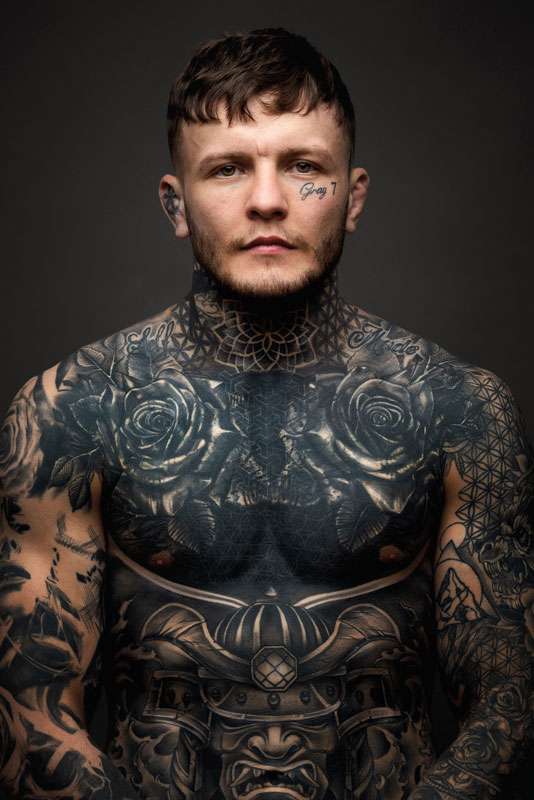
Listen more than you talk
Conversation isn’t a performance by the photographer.
One of the easiest mistakes is to think you have to keep talking constantly.
Instead, listen.
If your client mentions something interesting, follow it up. If they become animated when talking about a particular subject, let the conversation continue.
You’re looking for moments when their expression becomes natural.
That is often when you’ll capture your strongest photographs.
And remember that not everybody wants to chat.
Some clients prefer a quiet session.
Pay attention to their cues and adapt your approach accordingly.
Find the right level of direction
A good headshot photographer needs to know when to direct and when to leave the client alone.
Too little direction can leave someone feeling lost.
Too much direction can make the session feel mechanical.
The answer is to give small instructions and watch the response.
Instead of constructing one elaborate pose, make a series of small adjustments.
For example:
“Turn your shoulders slightly.”
“Good. Bring your chin forward a touch.”
“Now look just past my shoulder.”
“Great. Hold that for me.”
This creates a natural progression rather than expecting the client to understand an entire pose at once.
Give people confidence
Confidence is contagious.
If you look uncertain, your client will probably become uncertain too.
You don’t need to pretend that every photograph is perfect, but you should project confidence in your process.
Keep the session moving.
Give clear instructions.
Praise what is working.
Show successful images when appropriate.
And don’t spend five minutes staring at the back of the camera in silence.
Your client doesn’t know what you’re thinking.
They may assume something is wrong.
Think about the purpose of the headshot
A good headshot isn’t necessarily the most glamorous photograph you can create.
It needs to be appropriate for the person and the way the photograph will be used.
A corporate executive, actor, author, entrepreneur, doctor and creative professional may all need very different images.
Before the shoot, establish the purpose.
Will the photograph appear on:
- LinkedIn?
- A company website?
- A press release?
- An annual report?
- An actor’s portfolio?
- Social media?
- A personal website?
- Marketing material?
Understanding the intended use can influence everything from lighting and background to expression and crop.
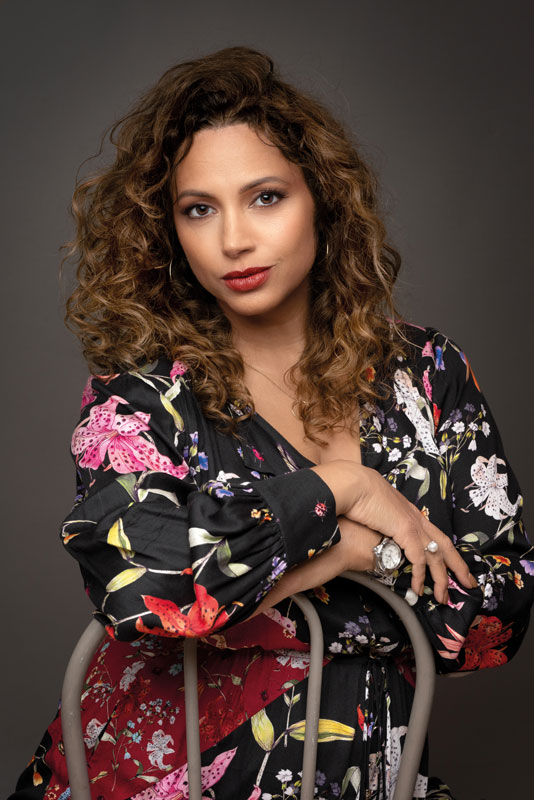
Reputation is built one client at a time
A successful headshot business doesn’t necessarily need thousands of clients.
It needs happy clients who are prepared to recommend you.
One satisfied customer can lead to another colleague.
That colleague may recommend you to another company.
A company might then book you to photograph an entire team.
This is why the experience matters so much.
A technically excellent photograph is expected.
A technically excellent photograph combined with an enjoyable experience is memorable.
Ask for feedback
After a session, take a moment to think about how it went.
How did you feel?
How did your client seem to feel?
Were there moments when they appeared uncomfortable?
When did they relax?
Which prompts produced the best expressions?
Which parts of the session felt awkward?
Then ask the client.
A simple question such as:
“How did you find the session?”
can provide valuable information.
You may discover that something you thought was insignificant was actually the part they enjoyed most.
You may also uncover something that could be improved.
Don’t take criticism personally.
Use it to make the next session better.
Build a repeatable client experience
There may not be a single formula for great headshot photography, but you can develop a process.
Your workflow might include:
- Understand the client before the session.
- Discuss how the photographs will be used.
- Create a welcoming first impression.
- Start with conversation rather than immediately reaching for the camera.
- Give clear, simple direction.
- Look for natural expressions rather than forcing them.
- Show successful images when it helps build confidence.
- Keep the atmosphere positive.
- Ask for feedback afterwards.
- Refine your approach with every session.
Over time, these small details become part of your brand.
Your reputation is your marketing
Marketing can bring someone to your website.
Your photographs can convince them to enquire.
But the experience you provide can determine whether they recommend you afterwards.
That’s particularly powerful in headshot photography because your clients often work alongside other people who need exactly the same service.
One good experience can therefore lead to many more opportunities.
The ultimate aim isn’t simply to become known as someone who takes good headshots.
It’s to become known as the photographer who makes people feel comfortable, confident and good about themselves in front of the camera.
That is a reputation worth building.