Photography After Retirement: Keeping the Passion Alive Without Clients with Clive Figes
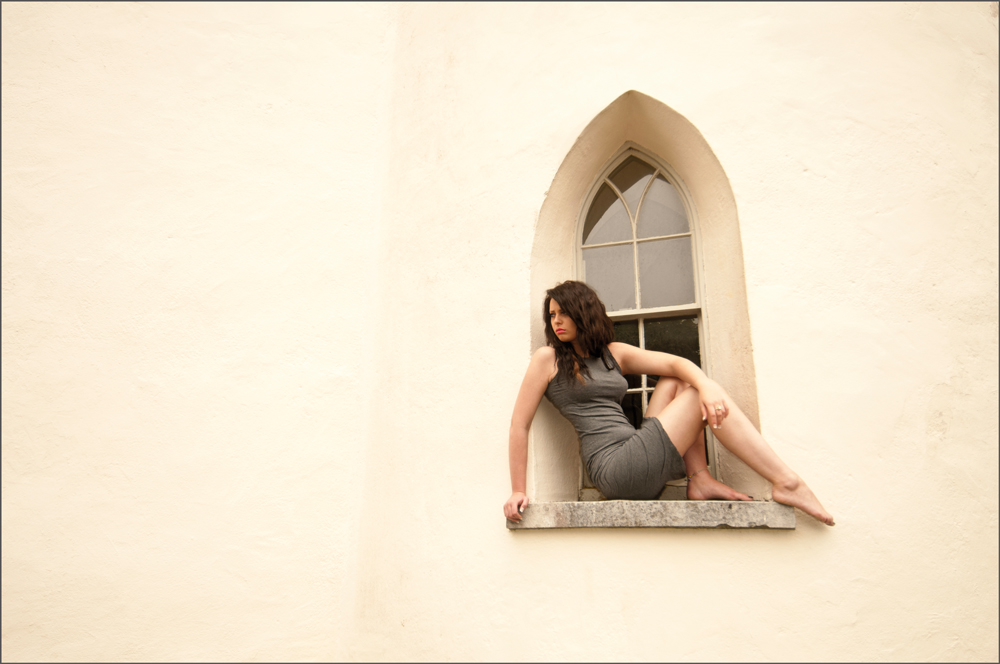
Retiring from professional photography doesn’t necessarily mean retiring from photography.
For some photographers, stepping away from clients, deadlines and commercial pressures is an opportunity to discover photography all over again. With no brief to follow and no client waiting for the finished images, photography can become something much more personal — a chance to experiment, revisit old work, learn new techniques and simply enjoy making pictures.
Longtime Society member and photographer Clive Figes is a good example. After retiring from the photography business, he didn’t put his cameras away. Instead, he found himself approaching photography differently, working on personal projects, photographing during walks, teaching others and continuing to explore his distinctive style.
Retirement can change the way you photograph
Professional photography comes with responsibilities. A commercial photographer has to think about the client’s requirements, deadlines, budgets, equipment and the final deliverables.
When those pressures disappear, photography can become much more relaxed.
For Clive, retirement meant being able to undertake shoots for himself and work with models he had photographed regularly over many years. He could explore ideas because he wanted to, rather than because someone had commissioned them.
That freedom can be one of the great advantages of continuing photography after retirement.
You don’t have to produce a certain number of images, satisfy a brief or worry about whether an idea is commercially viable.
You can simply follow your curiosity.
You don’t need professional equipment to keep making photographs
One of the interesting things about Clive’s approach is that retirement hasn’t meant abandoning the equipment and techniques accumulated over a lifetime.
He still has his medium-format film equipment and continues to revisit photographs from decades ago. Negatives dating back to the 1970s can be scanned and processed digitally, giving old photographs a new lease of life.
At the same time, he has embraced a much simpler camera that is always available: the smartphone.
Photography doesn’t have to involve a large camera bag.
Taking an iPhone on a walk can turn an ordinary journey into a photographic exercise. It also encourages a different way of thinking because you’re working within the limitations of a small, convenient camera.
Sometimes those limitations can actually improve your photography.
Personal projects become more important
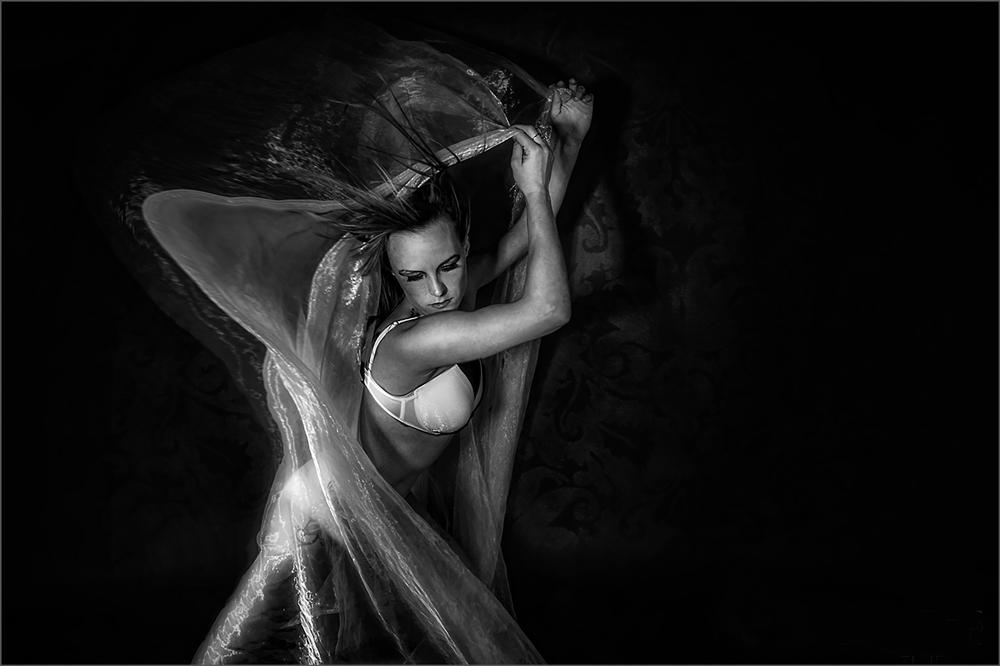
Without clients providing the subject matter, personal projects can provide the motivation to keep photographing.
These projects don’t need to be complicated.
You might document your local area, photograph people you know, revisit a location over the course of a year or explore a subject that has always interested you.
For Clive, personal photography has included portraits, unusual concepts, models, costumes, make-up and props. His distinctive, quirky style has continued long after the commercial pressures of photography have disappeared.
That is an important lesson for any photographer approaching retirement:
You don’t have to stop being creative simply because you stop working commercially.
In fact, retirement may give you more freedom to develop the creative side of your photography.
Revisit your photographic archive
One of the benefits of having photographed for many years is having an archive of images that can be explored again.
Old negatives and transparencies can be scanned, restored and processed using modern software. Images that were technically difficult to process decades ago may reveal considerably more information when revisited with today’s tools.
This can also be a fascinating way of measuring how your photography has developed.
Look at photographs from 10, 20 or 30 years ago and ask yourself:
- What would I do differently today?
- Would I process the image differently?
- Would I choose a different crop?
- What have I learned about light since I took it?
- Is there a photograph I overlooked at the time?
Your archive isn’t simply a collection of old photographs. It can be a source of new projects.
Photography can become a way of exploring your surroundings
When photography isn’t connected to a commercial assignment, there is more opportunity to photograph whatever catches your eye.
A walk with a camera or smartphone can become a photographic exercise.
Look at the light. Notice reflections, architecture, textures, people, landscapes and changing weather. Try photographing the same location at different times of day.
You don’t even need to set out with a particular subject in mind.
The act of looking is often more important than the equipment you are carrying.
Share what you have learned
Retirement can also provide an opportunity to pass photographic knowledge on to other photographers.
Many experienced photographers learned their craft before digital cameras, autofocus systems and sophisticated exposure automation became commonplace. Understanding exposure, light metering, balancing artificial and natural light, depth of field and the limitations of film remains valuable knowledge.
Clive continues to share these skills with photography clubs and other photographers, including delivering talks remotely to groups overseas.
There is enormous value in experienced photographers passing knowledge to the next generation.
And teaching doesn’t have to mean becoming a professional lecturer. A camera-club talk, informal demonstration, mentoring session or practical workshop can all make a difference.
Sometimes the best way to reinforce your own knowledge is to explain it to somebody else.
Try something completely different
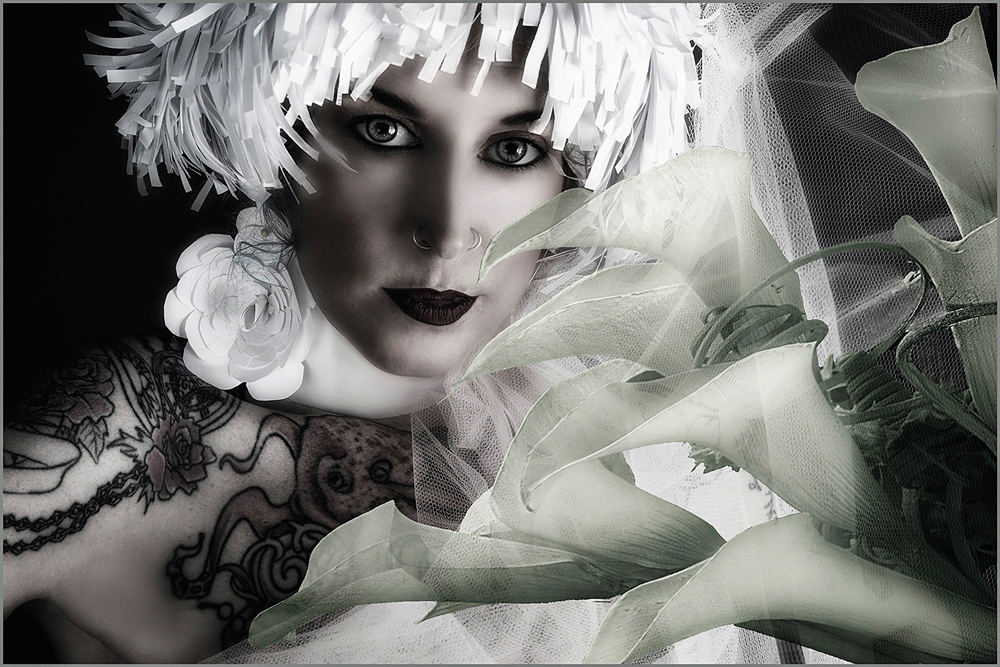
Retirement is also an ideal time to move outside your usual photographic comfort zone.
A photographer who spent decades photographing people might discover a love of landscapes. A wedding photographer might start photographing wildlife. A commercial photographer might experiment with film, macro, astrophotography or street photography.
There is no client brief telling you what you should photograph.
That freedom is worth embracing.
If you’ve spent your career producing technically perfect images for other people, try making photographs that exist purely because you like them.
They don’t have to be commercially useful.
They don’t even have to be particularly sensible.
They just have to interest you.
Technology is another reason to keep learning
Retirement doesn’t mean you have to stop learning new technology.
Photography continues to change rapidly, from computational photography and smartphone cameras to sophisticated editing software and artificial intelligence.
There is plenty of debate about where AI fits within photography, and photographers will naturally have different opinions about it. But new technology can still be worth exploring, even if you ultimately decide that it isn’t for you.
The important thing is to remain curious.
Photographers have already lived through enormous technological changes, from film to digital, manual focusing to autofocus and darkroom printing to digital post-processing.
The arrival of AI is another significant change, but it doesn’t remove the fundamental skill of seeing and creating an image.
Retirement doesn’t have to mean retiring from photography
Perhaps the biggest lesson from photographers who continue creating after retirement is that photography doesn’t have to be a job to remain important.
Once the clients disappear, the deadlines disappear too.
What remains is the reason you picked up a camera in the first place.
You can photograph people because you enjoy photographing people. You can revisit old negatives. You can experiment with a smartphone. You can take on personal projects, join a camera club, mentor another photographer or simply take your camera on your next walk.
You might even discover that photography becomes more enjoyable when nobody is paying you to do it.
Photography for yourself
Professional photography can teach you discipline, consistency and technical skill. But retirement can offer something different: freedom.
Freedom to photograph what interests you.
Freedom to experiment.
Freedom to learn.
Freedom to make photographs that don’t need to satisfy anyone except yourself.
For photographers who have spent years working to other people’s briefs, that can be an exciting new chapter rather than the end of their photographic journey.
Photography doesn’t have to retire just because the photographer does.