
How to Create Better Wedding Portraits: Planning, Posing and Light
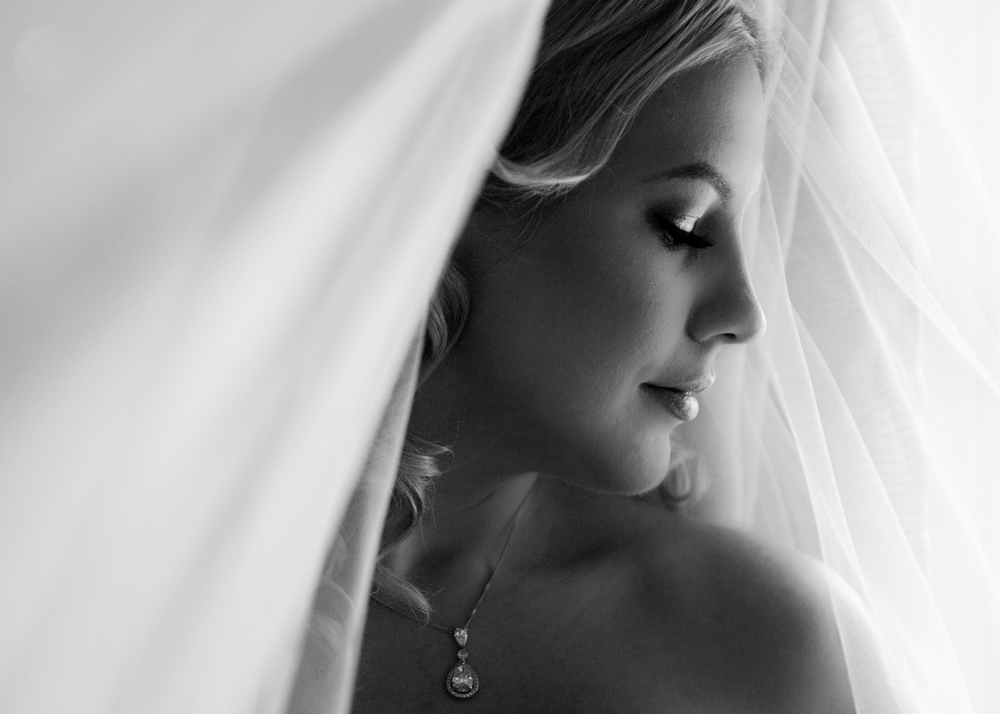
Great wedding portraits don’t simply happen. They come from preparation, observation, confident direction and an understanding of the people standing in front of your camera.
Wedding photography is, first and foremost, about telling the story of the day. There are moments that shouldn’t be directed: the nervous excitement during the preparations, laughter between friends, tears during the ceremony and all the small interactions that happen throughout the day.
But there is another part of wedding photography that requires a different set of skills.
When you have your couple in front of the camera for their portraits, you have an opportunity to create something rather than simply record something.
That is where you can begin to develop a recognisable style.
Don’t just document the wedding – create something
Most couples want photographs that show what their wedding day felt like. They want to see themselves enjoying the day, surrounded by friends and family, and they want those photographs to feel natural.
That doesn’t mean every photograph has to be completely spontaneous.
As wedding photographers, we need to be able to document what happens while also knowing when to take control and create a portrait.
A well-crafted portrait can show the couple at their best. It can make the most of the wedding dress and surroundings, use the available light creatively and give the couple an image that feels very different from the photographs they might have taken themselves.
This doesn’t mean every couple wants an elaborate, award-winning portrait. Most people simply want to look fantastic and feel comfortable in their photographs.
Our job is to give them that confidence.
Building trust with your couples
One of the biggest challenges when creating more creative wedding portraits is getting the couple to trust you.
Being directed by a photographer can feel uncomfortable. Most people aren’t used to being told where to stand, where to look or what to do with their hands. If you suddenly start giving lots of instructions without having established any rapport, the experience can become awkward very quickly.
Trust starts long before the wedding day.
When you first speak to a couple, take the time to understand who they are and what matters to them. Find out what they are expecting from their photography, what they like about other wedding photographs and what they don’t like.
You don’t need to become their best friend in ten minutes. What matters is understanding who will be standing in front of your camera and how you can help them feel relaxed.
Once your clients believe that you know what you’re doing, they are much more likely to follow your direction.
That confidence works both ways.
You become more comfortable directing them, and they become more comfortable allowing you to try something different.
Plan the portrait time before the wedding
One of the easiest ways to improve your wedding portraits is to stop leaving everything to chance.
Before the wedding, think about when you will have opportunities to photograph the couple.
A wedding day can move incredibly quickly. If you arrive without a plan, you may find yourself trying to create something creative while everyone is waiting for you, the light is disappearing and the next part of the day is already running late.
Planning doesn’t mean deciding exactly which photograph you are going to take.
It means making sure you have enough time and opportunity to create one.
A wedding itinerary can be extremely useful here. Discuss the timings with your couple and make sure there is dedicated time for their portraits, rather than hoping you will be able to squeeze them in somewhere between the group photographs and the reception.
Even a relatively short period can be enough if you know what you want to achieve.
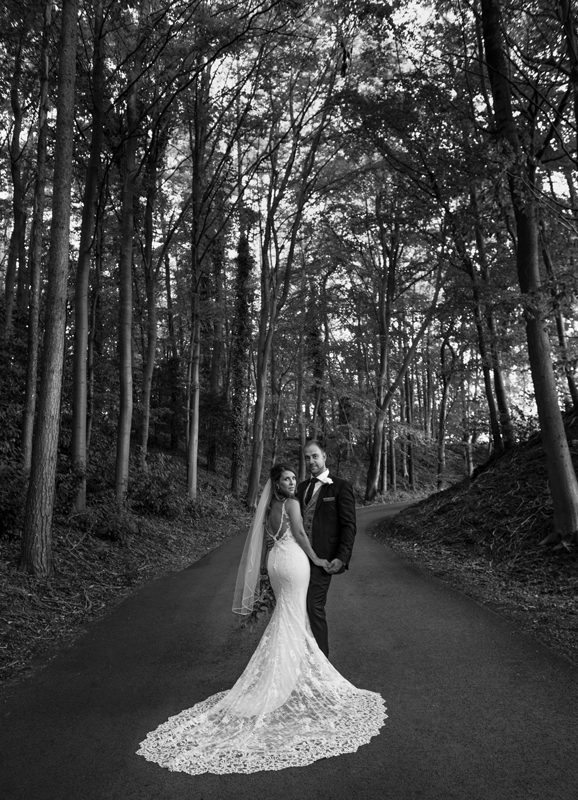
Visit the venue before the wedding
If possible, arrange a pre-wedding consultation at the venue.
This isn’t necessarily about taking engagement photographs. Use the opportunity to walk around the venue together and talk through how the wedding day will work.
Where will the group photographs take place?
Where could you photograph the couple?
Where is the best light?
Are there interesting architectural features, doorways, staircases, windows, gardens or other backgrounds that could become part of the photographs?
Walking around the venue beforehand allows you to start seeing possibilities before the pressure of the wedding day arrives.
You can also explain to your couple how you work.
If they understand that you may take them away for a few minutes to create their portraits, it won’t come as a surprise when you start directing them on the day.
Slow down and look at the light
One of the biggest lessons in creating more distinctive photographs is to slow down.
Wedding days are fast. There are always people to photograph, moments happening around you and someone asking where you need to be next.
It is easy to fall into the habit of constantly reacting.
But creating a strong portrait requires you to stop and observe.
My starting point is always the light.
Before thinking about where to put the couple, look at the light around you. Where is it coming from? Is it soft or hard? Can you use a window? Is there a doorway creating contrast? Can you use shadows? Is the background helping or distracting from the subject?
Once you start looking for light, ordinary locations can become much more interesting.
A kitchen, hotel corridor, staircase or quiet corner of a venue may not initially look like an obvious place for a portrait. But if the light is right, it can provide everything you need.
Build the photograph rather than simply taking it
Once you have found good light, start building the photograph in your mind.
Think about the background first.
Then consider where you want your couple to stand, how you want them positioned and how the light will fall across them.
Look at the details too.
Is the wedding dress sitting correctly? Are hands and feet positioned naturally? Is there anything distracting in the background? Are you giving the couple enough direction to feel comfortable?
These small details can make a huge difference.
A technically competent photograph can still feel ordinary if nobody has considered the composition.
Great portraiture is often about making a series of small decisions deliberately.
Direct your couple with confidence
Many photographers worry that directing their couples will make the photographs look staged.
In reality, good direction can have the opposite effect.
If people don’t know what to do, they often become more self-conscious. They may stand awkwardly, keep their arms close to their bodies or repeatedly ask whether they’re doing it right.
Clear, calm direction gives them something to concentrate on.
You don’t necessarily need complicated poses. Small adjustments can make a big difference.
Ask them to move slightly closer together. Turn a shoulder. Change where they are looking. Adjust a hand. Ask one person to take a small step forward.
Then watch what happens.
The aim isn’t to force the couple into an elaborate pose. It’s to create a situation where they look comfortable, connected and confident.
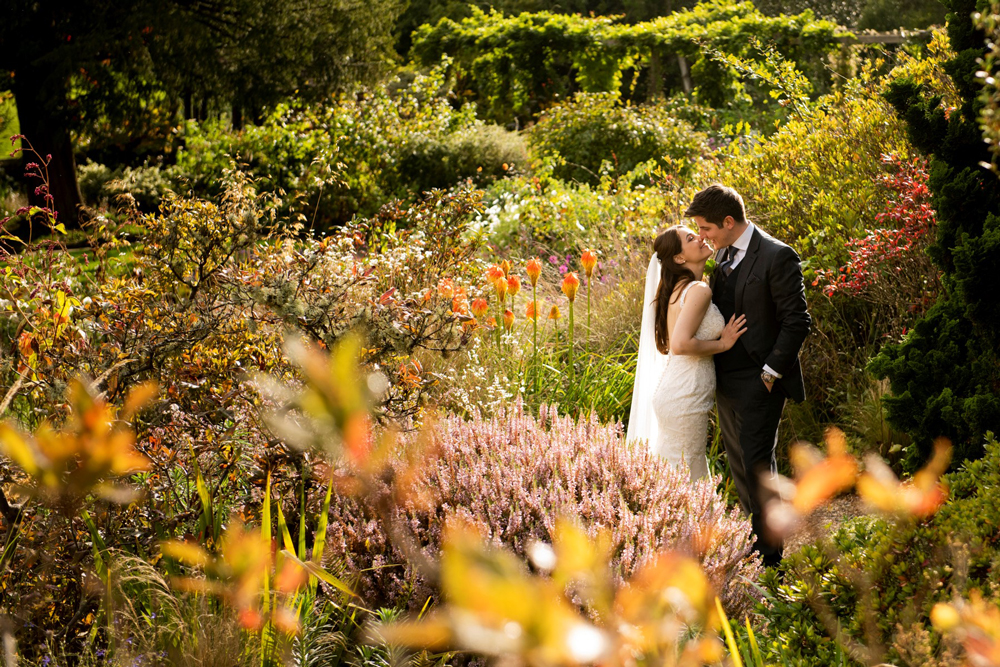
Give yourself permission to be creative
There is always a balance to find between giving couples the photographs they expect and creating something that reflects your own style.
You shouldn’t ignore what your clients want. They have chosen you because they like your work.
But that doesn’t mean you have to simply reproduce the same photographs they have seen elsewhere.
If you have established trust, use the opportunity to push your creativity.
Try something different with the light. Use the environment in an unexpected way. Look for a stronger composition. Give yourself a few minutes to create the image you have imagined.
Even if the couple’s gallery contains plenty of natural documentary photographs, having a handful of carefully crafted portraits can give the collection something distinctive.
Over time, those decisions become part of your photographic identity.
Developing a recognisable style
A signature style isn’t necessarily something you invent overnight.
It develops through repetition.
The more you observe light, direct people, study your surroundings and deliberately create photographs, the more you begin to recognise what you enjoy.
You might discover that you love dramatic lighting.
Perhaps you prefer environmental portraits that place the couple within the architecture of the venue.
Maybe your style is quieter and more natural, using beautiful available light and minimal direction.
The important thing is to understand why you are making those choices.
Don’t simply copy whatever style is currently popular on social media. Trends will change.
Instead, learn the fundamentals well enough that you can make your own decisions.
Shoot with purpose
The difference between simply taking photographs and creating photographs often comes down to intent.
Instead of constantly asking yourself, “What should I photograph next?”, start asking:
What am I trying to create here?
Look at the people. Look at the environment. Look at the light.
Then make a decision.
Wedding photography will always involve a mixture of anticipation and reaction. Some of the best photographs will happen unexpectedly and cannot be planned.
But when you have the opportunity to create a portrait, don’t be afraid to take control.
Build trust with your couple, plan your time, understand the light and use your surroundings.
You don’t need to turn every wedding portrait into a dramatic production.
Sometimes the most powerful image is created simply by slowing down, seeing the light and giving yourself the time to make something intentional.
That is where your own style begins to emerge.