Motorsport Photography Tips: How to Photograph Racing Safely and Creatively
by Damian McGillicuddy
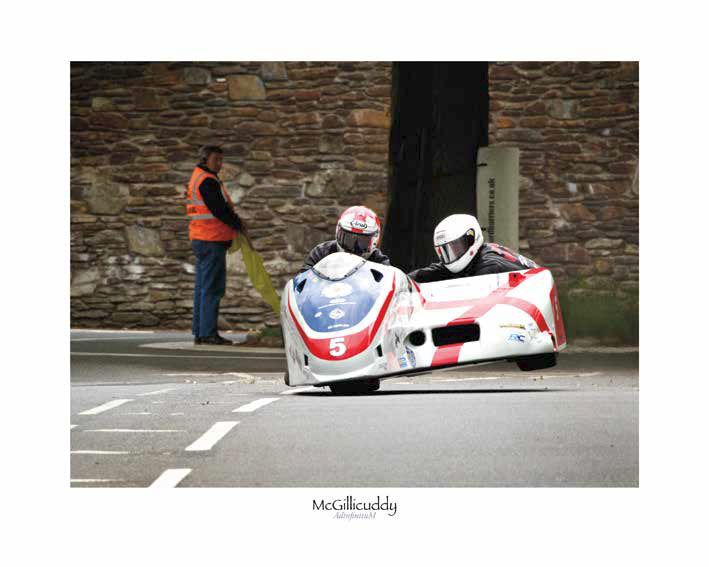
My Dad always advised that if everybody was zigging, I must zag. I often think the same principle applies to photography.
There isn’t much I haven’t photographed in my near 30-year career, but motorsport is particularly close to my heart. Bikes and rally cars are fantastic subjects for testing both technique and the photographer.
Fast-moving vehicles test your camera handling, focusing ability, lens quality and, ultimately, you.
But don’t make the mistake of thinking that great motorsport photography is simply about having the latest equipment. As long as your tools are up to the job, it’s the photographer who makes the difference.
Can you imagine finishing a beautiful Gordon Ramsay meal and saying, “Gordon, thank you, that was lovely. I bet you have a fantastic oven”?
Or saying to a skilled tradesman, “Fab wall, mate. Bet you’ve got a super trowel.”
It’s the same with photography. The equipment matters, but knowledge, preparation and technique matter considerably more.
So, rather than concentrating on equipment, here are some of my top tips for getting more from your motorsport photography.
Do Your Research
Preparation is critical.
Study the sport and gain as much general information about it as possible.
If you can, check out the track or course before the event. If you’re allowed to walk the course, do so.
Look for angles, backgrounds and elements that will help you make interesting images rather than simply recording the vehicles as they pass.
Try to choose an area that gives you some opportunity to move around, so you can change your viewpoint, backgrounds and angles and increase the variety of your photographs.
Remember that once you are in position at certain courses or events, you may be there for the duration.
Be Prepared to Stay Put
If you’re going to be in one location for several hours, prepare accordingly.
Bring something to eat and, certainly, something to drink.
It sounds obvious, but being uncomfortable, hungry or cold isn’t going to improve your photography.
Wear comfortable, warm and waterproof clothing. If you’re exploring unusual angles, you may find yourself lying or kneeling down, provided the location is safe enough to do so.
A camera with a tilting or articulated screen can also be useful when working from low positions, but never compromise your own safety simply to achieve a lower viewpoint.
Watch the Pace or Test Vehicles
Many events send vehicles around the course before the competitors are allowed to race.
Watch them very carefully.
The drivers will usually know the route extremely well, and you can learn a great deal by watching the line they take around bends, over dips and through different sections of the course.
This gives you a good idea of which part of the road or track the competitors are likely to use.
You can also look for rubber marks on the racing surface. These can provide another indication of where vehicles are travelling.
The more you understand the course before the race begins, the better prepared you will be when the real action starts.
Safety Comes First
Motorsport is a dangerous environment.
I always shoot with my motorsport buddy, and the experience and insight of someone who understands the sport can be invaluable. From a safety point of view, two pairs of eyes are also far superior to one.
Always look for a clear escape route in case something goes wrong.
And listen to the marshals.
Their knowledge, guidance and assistance are invaluable. Their word is final, so don’t argue. Obey their instructions or you may not be welcomed back.
No photograph is worth putting yourself, another photographer, a marshal or a competitor in danger.
Think About Your Position
Good motorsport photography isn’t simply about finding somewhere from which you can see the track.
Think about what you want the photograph to look like.
Consider:
- Where will the vehicle enter the frame?
- Where will it leave?
- What will be behind it?
- Can you change your position to improve the background?
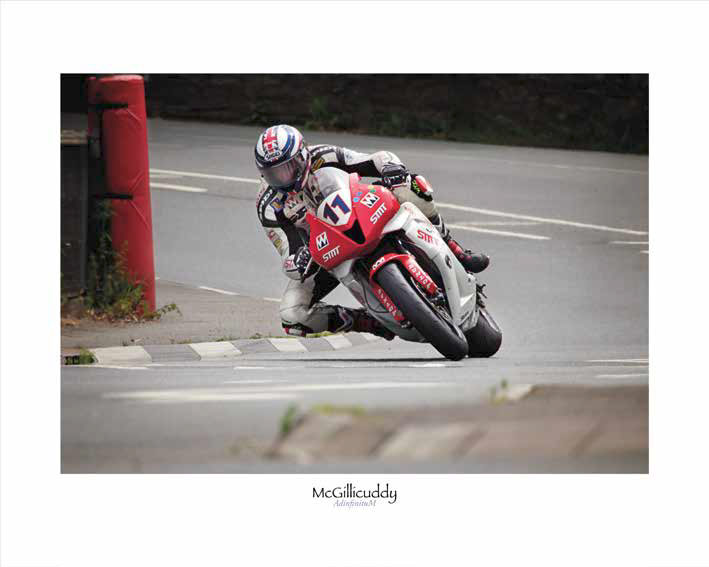
- Is there enough space in the frame to convey speed and movement?
- Can you create variety by changing your viewpoint?
If the area is safe and permitted, getting low can produce a completely different perspective.
But never allow the desire for a particular angle to override the safety requirements of the venue.
Don’t Machine-Gun the Action
Modern cameras can shoot at extremely high frame rates.
That doesn’t mean you should hold down the shutter release throughout the event.
In my experience, some of the best motorsport photographers are very selective about what they shoot.
I’m not interested in endless multi-frame-per-second sprees. I prefer short, considered bursts.
Like every photographic discipline, knowledge and technique will always trump technology.
The legendary press photographer David Hurn, for example, demonstrated that great photography has never depended upon firing huge numbers of frames. The important thing is understanding what you are trying to capture and being ready for the moment.
Choose Your Equipment Carefully
Think carefully about the equipment you take with you.
You want the right tools and the right amount of versatility, but remember that you have to carry everything and, often, move around with it.
Don’t burden yourself unnecessarily.
The best camera system is the one that allows you to work effectively in the environment you are photographing.
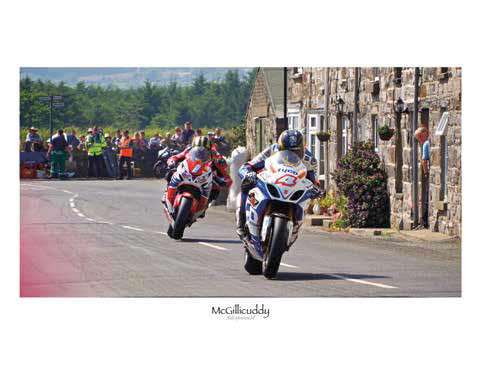
And don’t assume that you have to stand miles away from the action simply because you’re photographing motorsport. Depending on the event and the access available to you, you may be able to get considerably closer than you imagine.
Get the Straight Pictures First
When I’m working on a motorsport shoot, I like to make sure I’ve captured the essential photographs first.
Get the straight pictures.
Make sure you’ve got the sharp, well-composed action shots that tell the story of the event.
Then, once I’m satisfied that I’ve got what I need, I like to indulge in a little bit of what I call ‘rally art’.
This is where you can become more experimental.
Try:
- Slower shutter speeds
- Intentional camera movement
- Unconventional crops
- Unusual angles
- Creative compositions
- Techniques that emphasise speed and movement
The idea isn’t necessarily to produce a technically perfect record of the vehicle.
You’re trying to create a photograph that feels fast.
Give it a go. It’s fun and, if you get it right, a little bit cool.
Be Creative
My final tip is the most important of all.
Be creative.
Think outside the box.
Look for the unusual.
Look for different angles.
Look for photographs that other people aren’t making.
Once you’ve got the obvious images, challenge yourself to see the event differently.
And enjoy it.
Above All, Stay Safe
Motorsport photography is exciting precisely because you’re working around speed, noise, movement and unpredictability.
But that also makes it an environment where complacency can have serious consequences.
Do your research. Know the course. Understand the sport. Listen to the marshals. Work with others where possible. Know your escape route and never compromise your safety for a photograph.
Get the essential images.
Then experiment.
And above all, enjoy the shoot.
That’s my number one top tip.