
Wedding Photography: How to Get the Essential Shots Without Missing the Moments
By John Jenkins and Richard P Walton
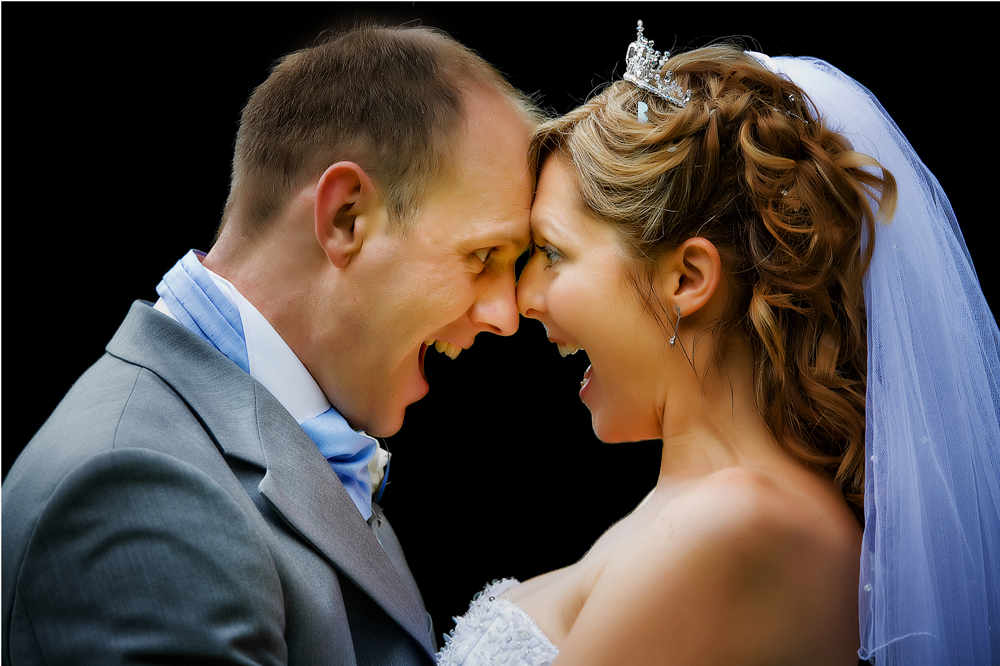
Wedding photography can be a balancing act.
There are photographs that simply need to happen: the couple together, family groups, parents, important details and all those photographs that families will expect to see when they look through the finished album.
Then there are the photographs you can’t plan quite so easily. The expressions, interactions, unexpected moments and creative images that give the wedding collection its personality.
The challenge is making sure you have time for both.
A completely hands-off approach can mean important photographs are missed. But if you spend the entire day directing people from one pose to another, you can miss the atmosphere and spontaneity that make wedding photography so rewarding.
The answer is organisation.
Know the essential photographs
Before the wedding day, talk to the couple about the photographs that matter most to them.
Every wedding is different, and there is no universal list that will suit every couple. One family may place enormous importance on photographs with grandparents, while another may have a long list of friends and relatives they want included.
Make sure you know about those priorities before the day.
There are also some photographs that are easy to overlook when you’re concentrating on the excitement of the day:
- The couple together
- Each partner with their immediate family
- Parents and grandparents
- Larger family groups
- Important details such as the rings, flowers and cake
- The wedding party
- Important people who may not be around for long
The exact list will vary, but the principle is simple: decide what matters before you arrive.
You don’t want to discover after the wedding that nobody photographed the couple with an important family member.
Create a mental shot list
You don’t necessarily need to walk around with a clipboard ticking off photographs all day.
An experienced wedding photographer will often have a mental list of essential images that needs to be covered.
This gives you something to fall back on when the day becomes hectic.
Once the important photographs have been taken, you can concentrate on being more creative without constantly wondering whether you’ve forgotten something.
That can make a huge difference to your confidence.
Instead of thinking, Have I photographed the parents yet?, you can think about composition, light, location and interaction.
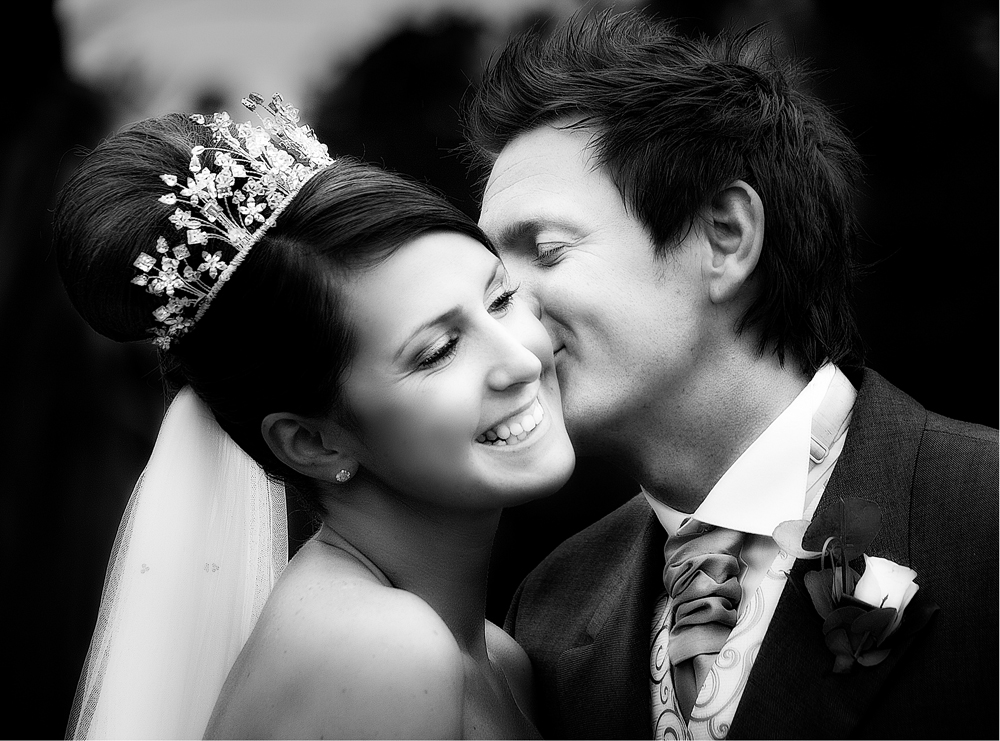
Communicate with the couple
Good wedding photography starts with communication.
Talk to the couple before the wedding about how they feel about being photographed.
Some people love being directed. Others become uncomfortable the moment a camera is pointed at them.
Understanding that before the wedding helps you decide how much direction they’ll need.
On the day itself, keep communicating.
Tell them what you’re doing and where you need them to go. Keep instructions clear and positive.
You don’t need to bark orders across the venue.
A calm photographer who knows what they’re trying to achieve will usually create a much more relaxed atmosphere than somebody who is constantly shouting instructions from across the room.
Get the formal photographs done early
If you’ve got a limited amount of time with the couple and their families, it can make sense to photograph the essential groups early in your allocated portrait period.
Once those photographs are safely in the bag, you have much more freedom.
You can then start experimenting with different locations, compositions and approaches without worrying that you’ve forgotten the photographs the family is expecting.
This is particularly useful when the wedding schedule is tight.
The formal photographs don’t necessarily have to dominate the entire portrait session. They simply need to be organised efficiently.
Don’t let people stand around waiting
One of the biggest enemies of a wedding photography schedule is wasted time.
If you need six people for a photograph and spend ten minutes trying to find them, that isn’t ten minutes you’re going to get back later.
Planning helps.
Before starting a large family group, make sure you know who needs to be there. If possible, ask the couple or a member of the wedding party to help gather people.
This is where a confident, organised approach pays off.
The quicker you can get people into position, take the photograph and release them, the sooner everyone can get back to enjoying the wedding.
And importantly, the couple won’t feel as though their entire wedding day has been taken over by photography.
Once the essentials are covered, get creative
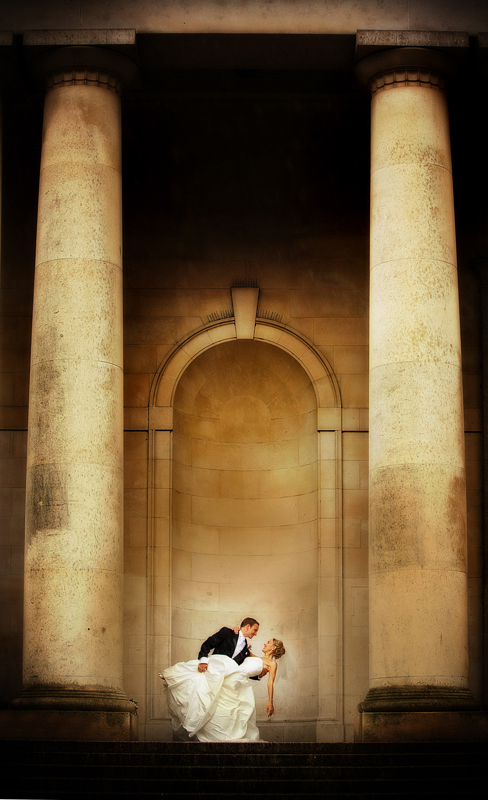
After the important photographs are complete, that’s when you can start pushing the creative side.
Try a different location.
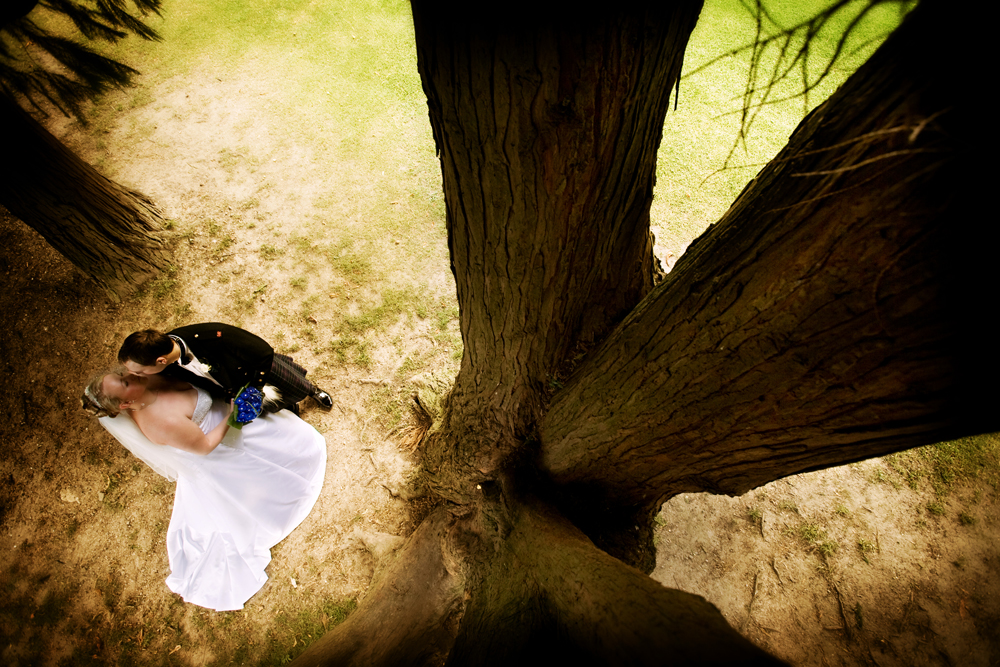
Change your viewpoint.
Look for interesting backgrounds.
Use architectural features, reflections, shadows or available light.
Move closer.
Move further away.
Look for opportunities that weren’t in your original plan.
The couple may have expected a conventional portrait of themselves, but that doesn’t mean you have to stop there.
Give them the photographs they need, then look for the photographs they didn’t know they wanted.
Combine different approaches
There’s no reason a wedding photographer has to choose between traditional and contemporary photography.
A strong wedding collection can contain both.
The formal family photograph serves a purpose.
So does the beautifully lit portrait of the couple.
So does the photograph of a friend laughing during the reception.
So does the completely unexpected frame that nobody knew was happening.
These different approaches aren’t competing with each other. They give the finished collection variety.
A wedding album shouldn’t necessarily look as though every photograph was created using the same technique.
Working with a second photographer
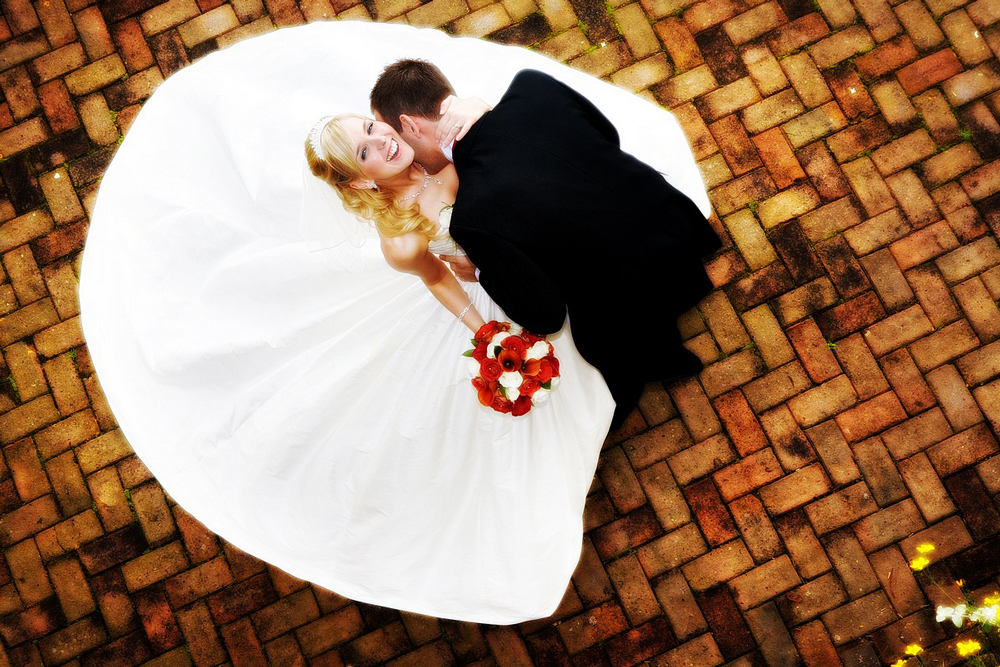
A second photographer can make this approach considerably easier.
Two photographers don’t have to stand next to each other photographing the same thing.
With good communication, they can have different roles.
One photographer might concentrate on the essential portraits while the other looks for a different angle or works on a more creative interpretation.
For example, one photographer could be working relatively close to the couple while the second looks for a wider composition that includes the surroundings.
The important thing is that both photographers understand what the other is doing.
A quick conversation before moving into position can save a lot of confusion.
You don’t want the couple waiting while two photographers work out where they should stand.
Work as a team
The best two-photographer teams don’t simply divide the wedding in half.
They understand each other’s strengths.
One photographer might be particularly good at directing people and organising groups, while the other might be constantly looking for unusual angles and opportunities.
Those roles can complement each other.
The same principle applies even if you’re working alone.
You can still think in terms of different roles within the day: first make sure the essential photographs are covered, then give yourself permission to look beyond the obvious.
Keep the couple moving
Wedding photography can quickly become frustrating for a couple if every photograph involves standing around waiting.
Once you’ve decided what you’re trying to achieve, keep the session flowing.
If you’re photographing the couple in one location, have an idea of what you’re going to do next.
You might start with a straightforward portrait, move them into a different position, change your angle and then take advantage of something interesting in the surroundings.
The photographs can evolve naturally without the couple having to stop and wait while you decide what happens next.
This is where experience becomes valuable.
The more ideas you have in your head, the less time you spend trying to invent the next photograph while the couple stands in front of you.
Give people direction without over-directing them
Taking control of a wedding photography session doesn’t mean controlling every movement.
Give people enough direction to help them feel comfortable, then watch what happens.
For example, instead of constantly telling a couple exactly where to look and how to stand, you might give them a simple instruction and allow their interaction to develop naturally.
You can then react to what you see.
That’s often where the more genuine photographs come from.
Direction and spontaneity aren’t opposites.
Good direction can create the conditions in which spontaneous moments happen.
Don’t forget the photographs between the photographs
Some of the best wedding photographs happen immediately before or after the image you originally planned.
A couple relaxes after a formal portrait.
Someone makes a joke during a family group.
A parent looks at their child while everyone else is looking at the camera.
The couple walks away from the formal portrait location.
These moments can be easy to miss if you’re constantly thinking about the next item on the shot list.
Once the essentials are covered, slow down occasionally and watch.
You might find the photograph you weren’t expecting.
Plan the important things, leave room for everything else
A successful wedding photographer doesn’t have to choose between being organised and being creative.
You need enough structure to make sure the important photographs happen.
You also need enough flexibility to respond to the day as it unfolds.
Know the essential photographs.
Communicate with the couple.
Organise family groups efficiently.
Use your time intelligently.
If you’re working with a second photographer, communicate clearly and give each other room to work.
Then, once you’ve got the important images safely captured, look beyond the checklist.
The goal isn’t to control every moment of a wedding.
It’s to control the parts of the photography that need control, so you have the freedom to capture everything else.