
Newborn Photography Tips: How to Photograph Babies and Work With Parents
By Sandy Puc
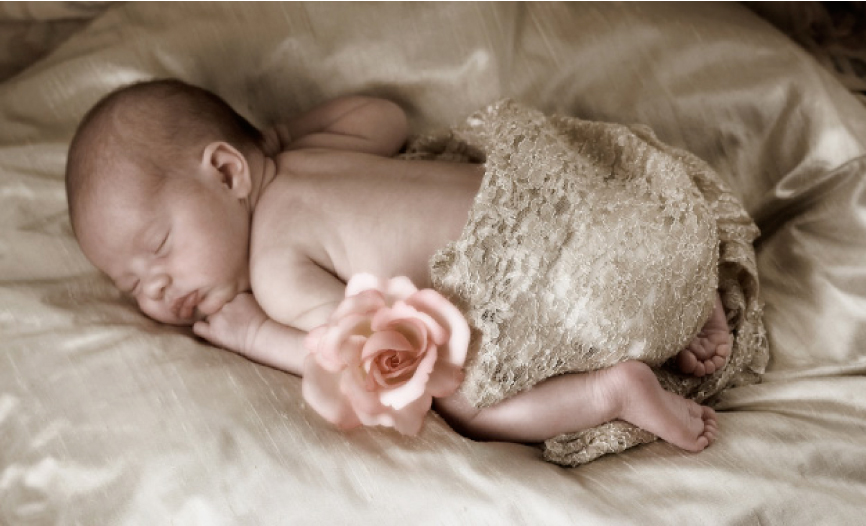
Photographing a newborn is very different from photographing an adult portrait client.
Babies don’t understand posing instructions, they don’t care about your schedule and they certainly aren’t interested in whether you’ve got the perfect shot lined up.
That’s part of what makes newborn photography so rewarding.
The best sessions are usually the ones where the photographer works with the baby rather than against them. Allow plenty of time, watch for the baby’s cues, involve the parents and be prepared for the session to take a few unexpected turns.
These principles are useful whether you’re photographing a baby at a few weeks old or working with an older baby approaching three months.
Give everyone time to settle
For new parents, a photography session can feel like quite a big occasion.
They may still be getting used to handling their baby, particularly if this is their first child. They may also have had very little sleep and be understandably nervous about whether their baby will behave for the camera.
Don’t add to that pressure.
Build some extra time into the session so that parents don’t feel as though they’re being rushed from one photograph to the next.
Let them settle in, explain what you’re going to do and reassure them that the baby doesn’t have to cooperate perfectly for you to create good photographs.
In fact, some of the best images can come from the moments when nobody is trying too hard.
Make the parents part of the photographs
It’s easy to concentrate entirely on the baby.
But for many families, the relationship between the parents and their new child is the most important part of the session.
Encourage parents to get involved.
This might mean holding the baby, looking at them, talking to them or simply sitting together. You don’t always need to create a complicated pose. A quiet interaction can produce a much more meaningful photograph.
These relationship portraits can also help parents relax because they’re no longer standing on the sidelines watching you work.
The photograph becomes something they’re experiencing together.
Allow time for feeding
Newborn sessions need to work around the baby, not the other way around.
If a baby becomes hungry, stop and allow time for feeding.
Trying to rush through because you’ve allocated a certain amount of time to a particular photograph rarely helps. A hungry or unsettled baby is unlikely to produce the relaxed expressions or natural moments you’re looking for anyway.
If you’re working in a studio, make sure parents know where they can feed privately if they want to.
It’s a small consideration, but it makes a difference to the overall experience.
Having water available for parents is another simple touch that costs very little but shows that you’re thinking about their comfort as well as the photographs.
Expect the unexpected
Babies have an impressive ability to disrupt even the best-laid photographic plan.
They may need feeding. They may need changing. They may suddenly decide that sleeping is no longer on the agenda.
And yes, they may also produce something that ends up everywhere except the nappy.
Don’t make parents feel embarrassed when it happens.
Have wipes, cleaning materials, towels and spare coverings ready before the session begins. If something needs cleaning, help rather than standing back and leaving the parents to deal with everything.
It sounds like a small thing, but client experience is built from dozens of these little moments.
Parents will remember how you treated them just as much as they remember the photographs.
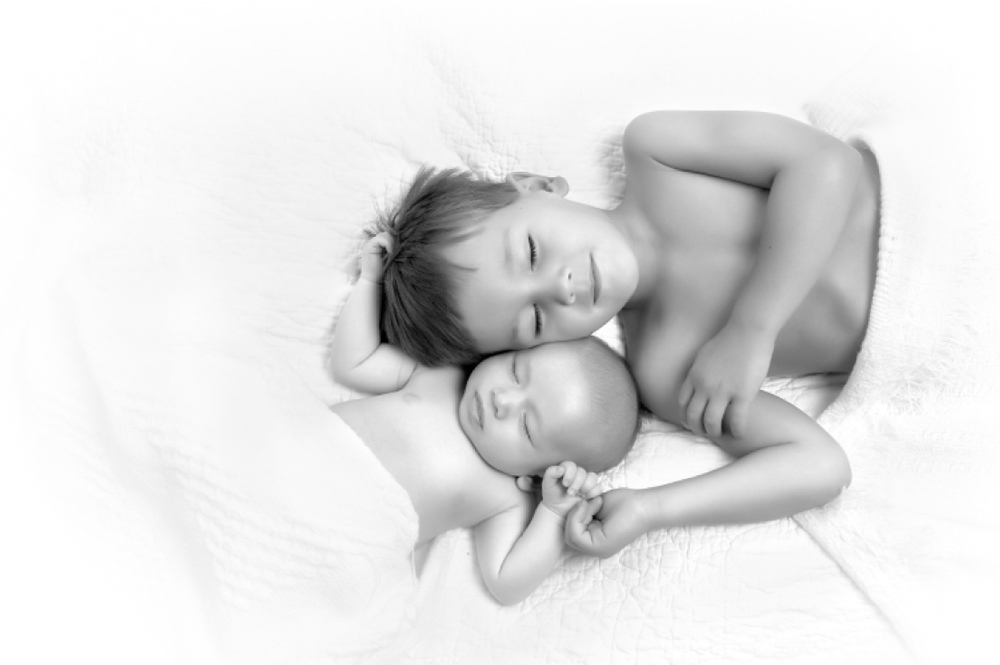
Follow the baby’s lead
One of the biggest changes in approach between newborn photography and many other types of portraiture is that you can’t simply tell your subject what to do.
Watch the baby.
If they’re settled and comfortable, don’t unnecessarily disturb them just because you’ve decided it’s time for another pose.
If they’re becoming restless, change your approach.
Sometimes the photograph you planned isn’t going to happen. That’s fine.
Look at what the baby is actually doing and see whether you can make a photograph from that moment instead.
The more experienced you become, the better you get at recognising opportunities rather than trying to force every session into the same sequence.
Keep newborn posing simple
Newborn photographs are often associated with elaborate poses, baskets and carefully arranged props.
Those images can be beautiful, but they aren’t the only way to photograph a newborn.
Simple photographs can be incredibly effective.
Close-ups of tiny hands and feet, a parent’s hand resting alongside the baby, a face photographed from close range, or a quiet moment between parent and child can all tell the story of those first few weeks.
If you do use props or posed setups, the baby’s comfort and safety should always take priority over achieving a particular photograph.
Never force a baby into a position simply because you’ve seen the pose somewhere else.
If you’re not properly trained and confident in safe newborn posing and handling, keep your approach simple and seek appropriate training before attempting more complex setups.
Photograph the details
Newborns change incredibly quickly, which makes the small details particularly valuable.
Look for:
- Tiny hands and fingers
- Feet and toes
- Eyelashes
- The shape of the baby’s face
- Expressions
- Hair
- The baby’s interaction with a parent’s hands
- Little details of clothing or blankets
Don’t feel that every photograph has to show the entire baby.
Moving in close and concentrating on one small detail can create a very different photograph from a wider portrait.
These details also help tell the story of the child at that particular stage of life.
Use the parents to get a reaction
As babies become more alert, getting their attention can become a little easier.
A parent’s voice is often far more effective than a photographer making strange noises from behind the camera.
Ask the parent to talk softly to the baby, use their name or make a familiar sound.
When you get the baby’s attention, be ready.
Don’t immediately look away to check the camera or start changing settings if you can avoid it. Babies can lose interest remarkably quickly.
Have your exposure and focus sorted before you start trying to get the expression.
The moment may only last a second or two.
Photographing a baby at around three months
A baby approaching three months can be a very different photographic subject from a newborn.
They’re generally becoming more alert and interested in their surroundings. They may respond more readily to voices and interaction, and you may start to see more deliberate expressions.
But development varies considerably from one baby to another, so don’t build the session around a fixed list of milestones.
Instead, work with what this particular baby can do.
If they’re happy lying down, photograph them there.
If they’re responding to their parents, make that part of the session.
If they’re fascinated by something happening just outside the frame, use that interest to your advantage.
The aim isn’t to make every three-month-old look like every other three-month-old.
It’s to photograph the baby you actually have in front of you.
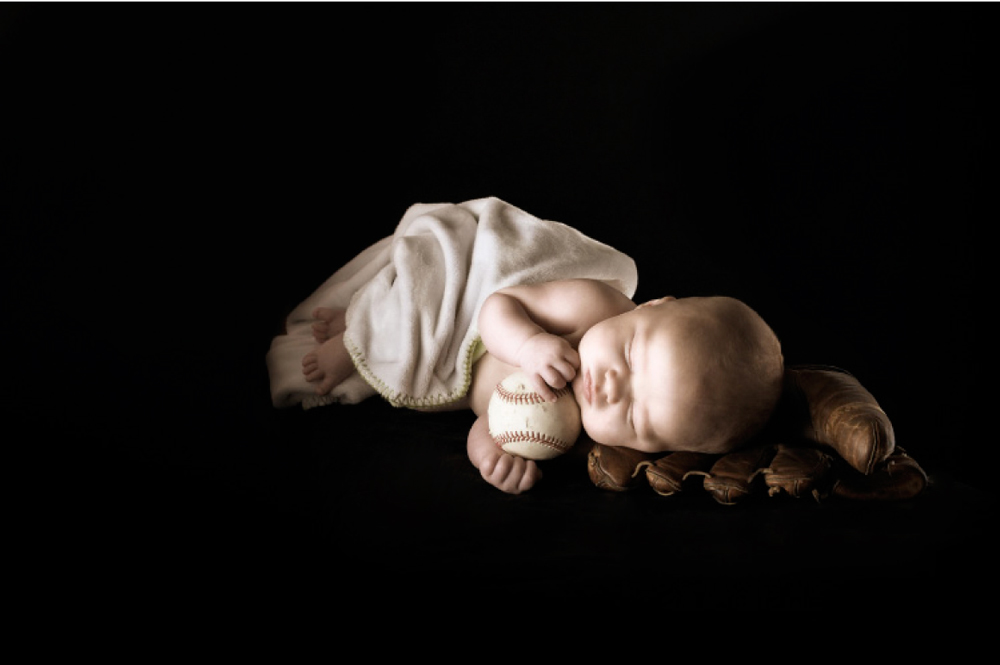
Don’t forget the relationship portraits
If the family didn’t have a newborn session, a three-month session is still a wonderful opportunity to create photographs of the parents and baby together.
In some ways, the increased alertness of the baby can make these photographs even more interactive.
Parents can talk to their baby, make them smile, hold them close or simply enjoy being together.
These photographs often become some of the most meaningful images from the session because they record a relationship rather than simply recording what the baby looked like.
Prepare your studio before the client arrives
A smooth newborn session starts before the camera comes out of the bag.
Think about what the parents and baby might need.
Have your basic cleaning supplies ready. Keep the environment comfortable. Make sure you have enough time in your schedule and avoid booking sessions so tightly that one delayed feeding puts the entire day behind.
Have your camera and lighting settings prepared before you start working with the baby.
The less time you spend fiddling with equipment while the baby is settled, the more attention you can give to the people in front of you.
This is particularly important when photographing small children because their expressions and interactions can change in an instant.
The experience is part of the photograph
Newborn photography isn’t just about producing technically good images.
You’re also looking after people who have entrusted you with photographing a hugely important period in their lives.
That means patience matters.
Kindness matters.
Being organised matters.
Knowing when to stop matters.
If the baby needs feeding, let them feed.
If the parents need a few minutes, give them those minutes.
If an idea isn’t working, move on.
The photographer who makes a family feel comfortable will usually have far more opportunities to capture genuine expressions and interactions than the photographer who is determined to stick rigidly to a shot list.
Let the baby be the baby
It’s tempting to arrive at a newborn session with a long list of photographs you want to create.
Have ideas, certainly. But don’t become so attached to them that you stop seeing what is happening in front of you.
Some of the best photographs may not be the ones you planned.
A sleepy moment.
A tiny hand gripping a parent’s finger.
A sudden expression.
A parent laughing because something unexpected happened.
A baby looking directly into the camera for the briefest moment.
These are the things that make a session personal.
Newborn photography is partly about technique, but it’s also about observation.
Get the technical side under control, give yourself enough time, look after the family and then pay attention to the moments as they happen.
That’s often where the photographs worth keeping are found.