How to Plan a Photography Safari: Tips for Getting Better Wildlife Photos
By Jim Barrett-Smith
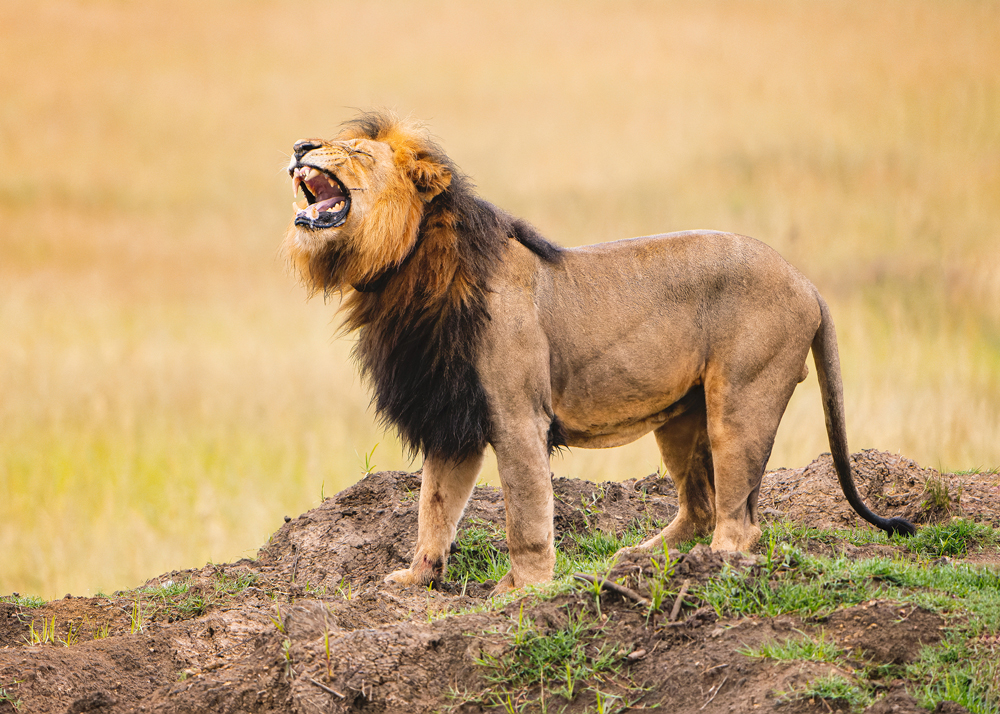
A photography safari can be one of the most rewarding trips a photographer can take. You have wildlife, dramatic landscapes, changing light and the possibility that something extraordinary could happen at any moment.
But a successful photography safari isn’t simply a matter of booking a lodge and taking your biggest lens.
The experience is affected by everything from where you sit in the vehicle and how many people are with you to the amount of time you have available, the accommodation and whether the rest of your travelling companions actually want to spend every waking hour taking photographs.
Photographer Jim Barrett-Smith has spent more than two decades travelling to South Africa on safari. His experience has taught him that the best photography holiday isn’t necessarily the one with the most intensive photography. It’s the one that works for everyone.
Decide what you want from the trip
Before booking anything, think about what you actually want to photograph and how seriously you want to approach it.
There is a big difference between a general safari where you happen to take photographs and a dedicated wildlife photography trip where photography is the main purpose.
A specialist photography safari might offer photographic hides, guides with an understanding of photography, vehicles arranged specifically for photographers and more time spent waiting for particular subjects.
That can be fantastic if photography is your priority.
But if you’re travelling with a partner who isn’t a photographer, you may want something more balanced.
A safari can be just one part of a longer holiday, giving you dedicated time for photography without making the entire trip revolve around it.
Think about your travelling companions
One of the biggest lessons from Jim’s experience is that a photography safari doesn’t have to mean leaving your partner behind.
In fact, combining photography with other activities can make the trip considerably more enjoyable.
While the photographer is out on a game drive, a non-photographer might prefer a spa treatment, time by the pool, sightseeing, food and wine or simply some peace and quiet.
The important thing is to find a balance.
A successful photography holiday should give you enough time to concentrate on photography without making everyone else feel that they have been dragged along on someone else’s photographic assignment.
Don’t underestimate the importance of the safari vehicle
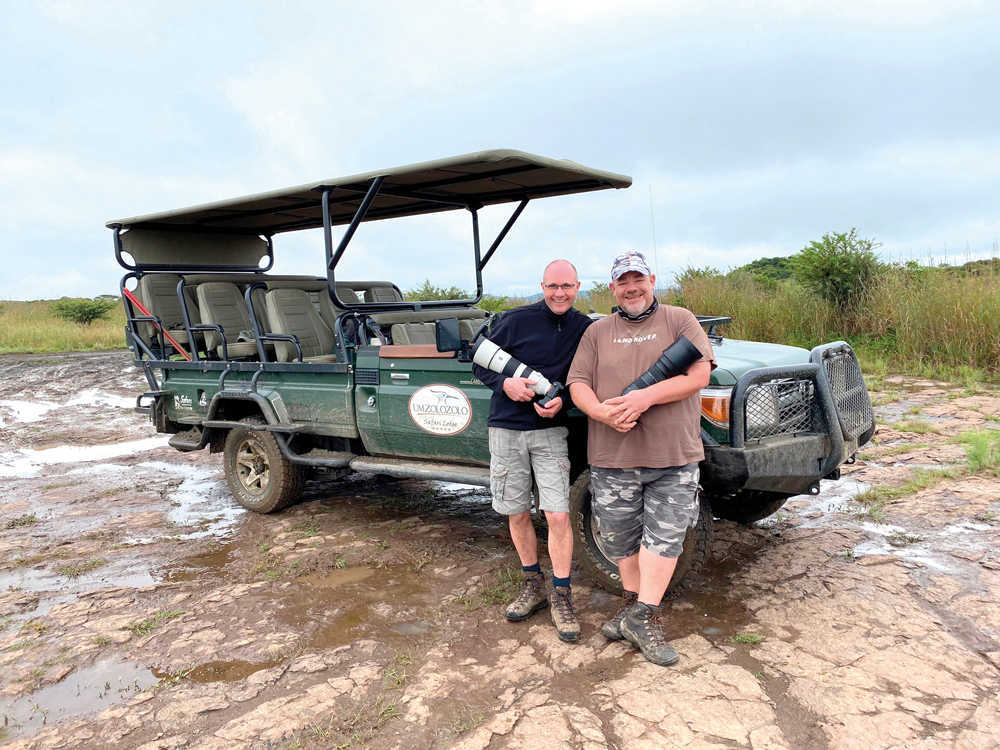
For wildlife photographers, the vehicle can make a surprisingly big difference.
Your position determines what you can see, how easily you can use your camera and, importantly, what direction you can photograph in.
You might spend hours waiting for an animal to appear, only for it to walk out on the opposite side of the vehicle.
If you’re travelling with a group, think about how the seating arrangements work before you arrive. A vehicle full of photographers can be very different from a vehicle carrying a mixture of photographers and holidaymakers.
If possible, ask the operator about the vehicle layout, how many people will be travelling together and whether photographers have any flexibility over where they sit.
Fewer people can mean more photography
One of the reasons specialist photography safaris can be so appealing is the amount of control they offer.
A vehicle containing several photographers who all understand what the others are trying to do can be a very different experience from a crowded tourist vehicle.
Photography requires concentration.
A sudden phone call, someone standing up in front of you, a child becoming restless or a group of passengers talking loudly can all mean missing a fleeting moment.
This doesn’t mean ordinary safari visitors are doing anything wrong. They simply have different reasons for being there.
If photography is important to you, ask how many people will share your vehicle and whether the operator offers smaller or private groups.
Give yourself enough time
Wildlife photography is unpredictable.
You can’t schedule the perfect photograph.
An animal may appear for seconds, the light can change suddenly and sometimes you can spend hours seeing very little before everything happens at once.
That’s why a longer trip can be much more rewarding than trying to squeeze an entire safari experience into a couple of days.
It also takes the pressure off.
If you know you have several more game drives ahead, you don’t have to try to make every sighting produce a portfolio photograph.
Sometimes you can simply enjoy watching the animals.
Be prepared for changing weather
A safari isn’t necessarily endless sunshine.
Rain, cloud and changing weather can completely alter the character of the landscape and the quality of the photographs.
Don’t be disappointed when conditions aren’t perfect.
Overcast light can be excellent for wildlife portraits, while dramatic skies can add atmosphere to environmental photographs. Rain can also produce opportunities that you simply wouldn’t get on a dry, sunny day.
The important thing is to be prepared to photograph in whatever conditions the environment gives you.
Think beyond the Big Five
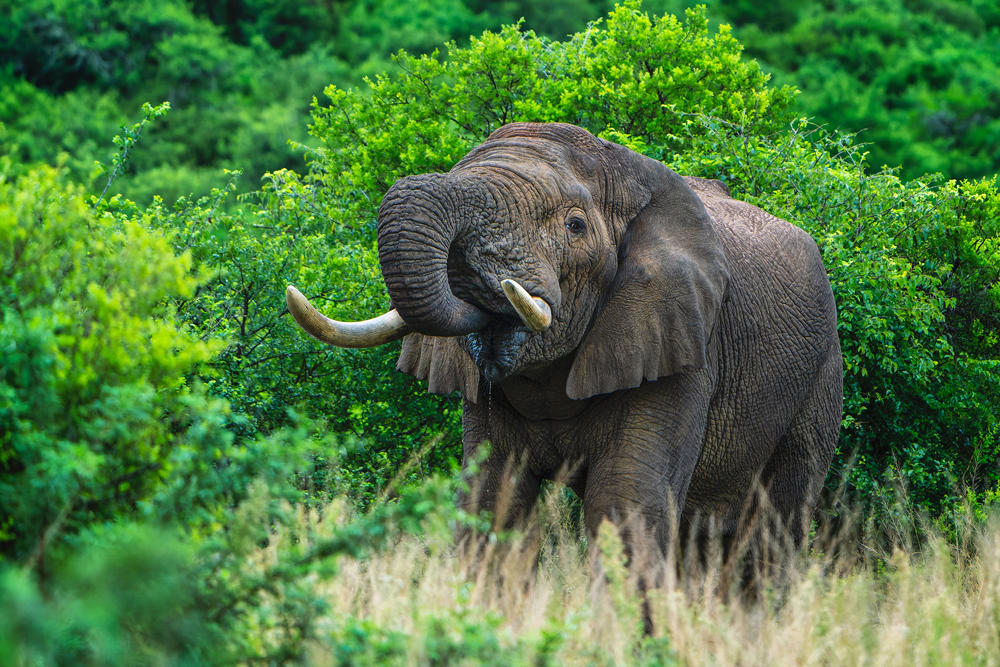
The traditional safari experience often revolves around the Big Five: lion, leopard, elephant, rhinoceros and buffalo.
They’re obviously spectacular subjects, but don’t make the mistake of measuring the success of your safari by how many of them you photograph.
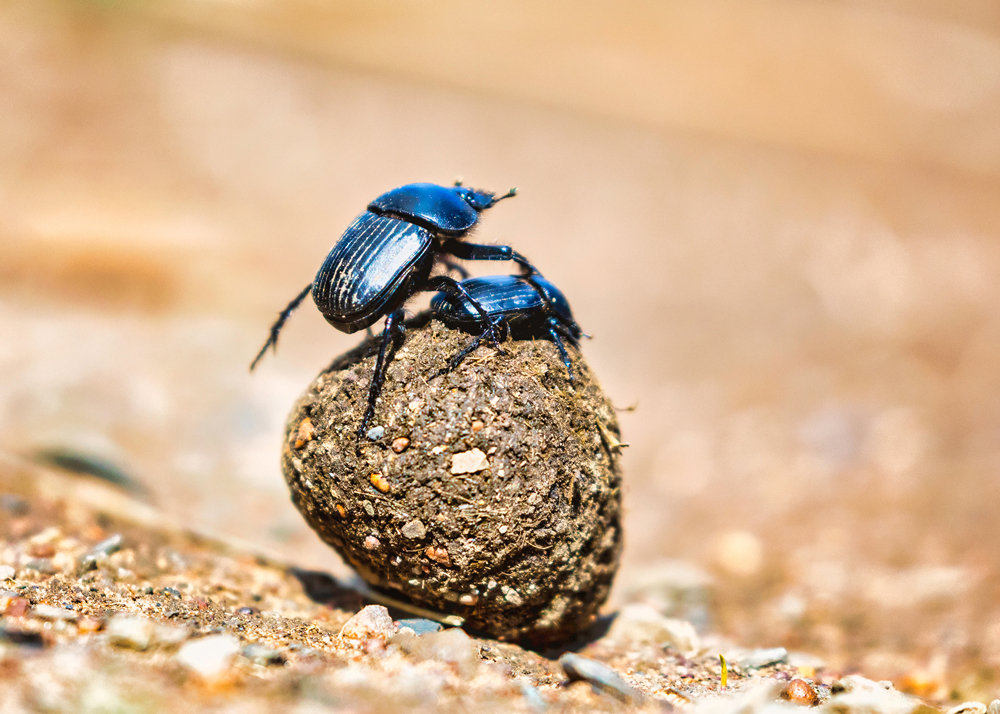
Giraffes, zebras, antelope, birds, insects and smaller mammals can all make excellent subjects.
Look at behaviour rather than simply looking for particular species.
A common animal doing something interesting can produce a much stronger photograph than a rare animal standing in the middle of a landscape.
Look for behaviour, not just portraits
Wildlife photography becomes much more interesting when you start watching what the animal is doing rather than simply waiting for it to look towards the camera.
Look for interaction between animals, movement, feeding, fighting, playing and unusual behaviour.
Think about the background too.
A technically perfect photograph of an animal against a messy background may be less successful than a simpler image with a clean composition.
As with any form of photography, you’re not simply recording what you saw. You’re deciding what to include in the frame and what to leave out.
Use the time between sightings
There can be a lot of waiting on safari.
Don’t see that as wasted time.
Watch the light. Look at the landscape. Photograph birds or smaller animals. Experiment with different focal lengths. Look for interesting shapes and patterns.
It can also be useful to review your photographs when you have time back at the lodge.
Check your focus, exposure and compositions rather than simply looking at the photographs that you like.
If you discover that your shutter speed was too slow for moving animals, or that you’re consistently leaving too much empty space around your subjects, you can make adjustments before the next drive.
Don’t forget the rest of the holiday
One of the best things about a safari destination is that photography doesn’t have to be the only activity.
If you’re travelling with a partner or family, build some non-photographic time into the itinerary.
That might mean relaxing at the lodge, exploring the surrounding area, enjoying local food and wine or taking part in other activities.
It also gives you a chance to put the camera down.
After several days of concentrating on photography, you may find that a few hours without a camera actually leaves you more enthusiastic when it’s time to pick it up again.
The perfect photography safari is different for everyone
There isn’t one formula for the perfect safari.
For one photographer it might mean a dedicated vehicle, specialist guides and spending every available hour photographing wildlife.
For another, it might mean four days of intensive photography surrounded by a longer holiday exploring the country with their partner.
The important thing is to decide what you want before you book.
Think about the amount of photography you want to do, who you’re travelling with, how many people will share your vehicle, how much time you have and what you want to experience away from the camera.
And remember that the best photograph isn’t necessarily the reason you went.
Sometimes the most memorable part of a safari is simply seeing an animal in the wild for the first time.
The camera gives you a way of preserving that experience, but don’t let the search for the perfect photograph stop you from enjoying it.