
Fine Art Ballet Photography: Sinéad Bunn on Turning Dance into Art
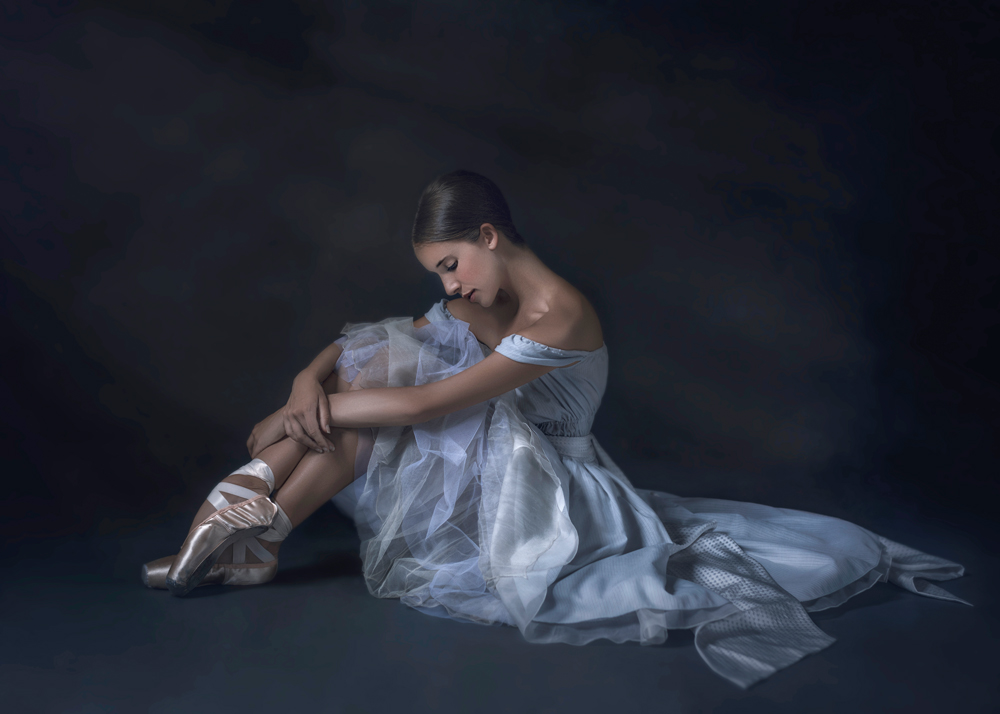
For Sinéad Bunn, photography provides another way to express the creativity and emotion she has experienced throughout her career as a professional ballerina.
Born in Derbyshire, Sinéad began her ballet training at Birmingham Royal Ballet before performing with the company and touring Virginia. In 2010, she performed Swan Lake with Birmingham Royal Ballet, and the following year she was promoted to corps de ballet dancer with the Bayerisches Staatsballett (Bavarian State Ballet) in Munich.
Alongside her demanding career as a professional dancer, Sinéad has developed her own fine-art photography business, concentrating on ballet, portraiture and still-life photography. She sells fine-art prints through her online shop and has ambitions of eventually opening her own gallery.
We spoke to Sinéad about finding her creative voice, photographing dancers, learning studio lighting and her ambitions for the future.
What inspired you to become a photographer?
I’ve always been inspired by art. As a professional ballerina, creativity and visual aesthetics delight my senses.
Art is also a way for me to express myself. I’m quite shy and fairly quiet, so photography gives me a way to communicate without words.
Fine art, like ballet, allows me to present myself and my ideas visually.
Why fine-art photography?
My background in ballet has had a huge influence on the way I approach photography.
Ballet is about movement, form, composition and emotion. Those same ideas can be explored through a photograph, except that the photographer has the opportunity to control the entire visual experience.
I love the freedom that comes with creating an image and being able to develop an idea from the initial concept through to the finished artwork.
What do you love photographing?
I particularly love photographing my ballerina colleagues.
They can move their bodies in incredibly graceful but individual ways, and they already have a very good understanding of how to pose for maximum artistic effect.
That makes working with dancers particularly rewarding because they understand movement and can translate an idea into their bodies.
Still-life photography
Alongside ballet, I’ve also become increasingly interested in still-life photography.
It’s a relatively new skill for me, but one that I’ve been developing and refining.
There is something very peaceful about working on a still-life image. You can photograph and edit in your own space and feel completely free to experiment.
During a portrait session, I’m conscious of the time I’m taking from the model. An apple, on the other hand, will quite happily sit there all day while I work!
How important is emotion to your photography?
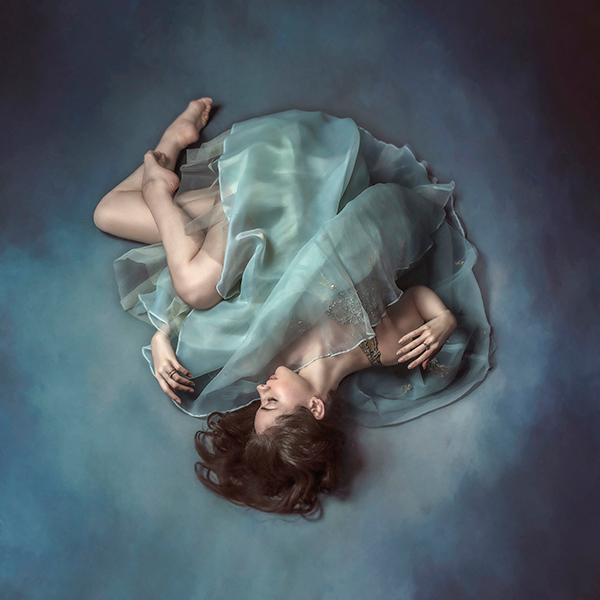
A lot of my portrait work is self-portraiture, and my images often reflect feelings and emotions that I’m experiencing at the time of the shoot.
The process of creating a self-portrait can help me explore and develop those emotions.
When I work with models, I often explain the emotion or idea that I want to communicate before we start shooting. I want the model to understand what I’m trying to express so that we can create the image together.
Learning studio lighting
One of the biggest challenges I’ve faced as a photographer has been understanding studio lighting.
I’m completely self-taught, so learning how to control and shape light was largely a process of trial and error.
Studio lighting can be intimidating when you’re starting out because there are so many variables to understand — the position of the light, its size, direction, intensity and how it interacts with the subject.
But learning through experimentation has been an important part of my development.
What does your photography portfolio say about you?
My portfolio is very personal.
Because so much of my portrait work is self-portraiture, the images often reflect how I am feeling at a particular point in my life.
I don’t necessarily photograph simply to document what something looks like. I want the finished image to communicate something.
That’s particularly important to me when creating fine-art work.
Do you photograph specifically for competitions?
I do enter photography competitions, but that isn’t my main reason for creating an image.
My ultimate ambition is to create art that could one day hang in a gallery, where many people can see it and enjoy it.
Competitions and exhibitions are useful because they give me opportunities to put my work and ideas in front of people, but the artwork itself is always the priority.
Building a fine-art photography business
I’m currently a true sole operator and manage everything myself.
That includes my website, SEO, marketing, social media and PR.
I’ve been working to develop myself and my business alongside my full-time career for several years, although I’m not sure I would say that I’ve completely established my name and brand yet.
There is always more to learn and improve.
Reaching collectors and clients
My dream is to become a gallery artist.
I’d eventually love to own my own gallery and use it to promote other deserving artists as well as my own work.
For now, I’m using competitions and exhibitions to get my work and ideas in front of new audiences.
I’ve also started approaching homeowners and interior designers to explore opportunities for my artwork to be displayed as part of interior and property projects.
It’s about finding different ways to get the work seen.
What is the best business advice you’ve received?
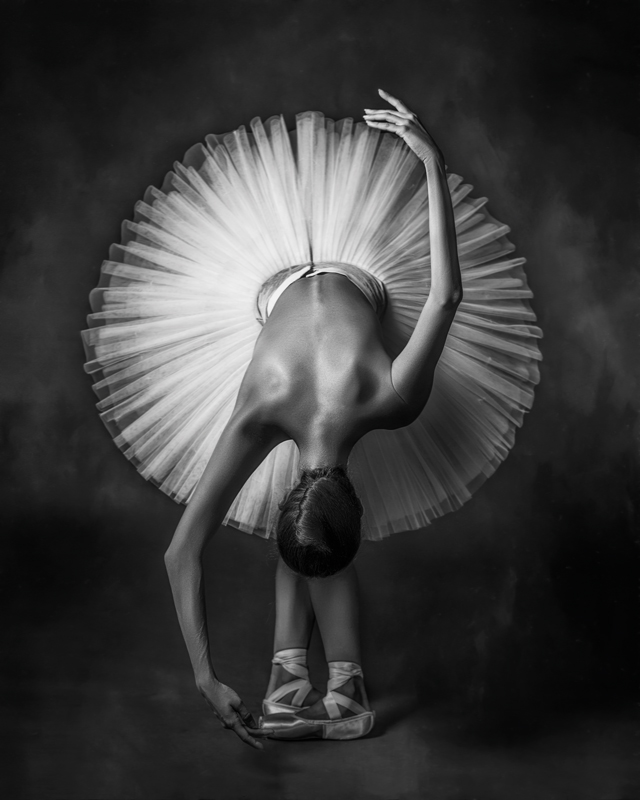
Trust in the process and be patient.
It’s easy to become frustrated when you’re trying to build a creative career or business, particularly when you’re doing it alongside another full-time career.
But building a name and developing a body of work takes time.
What do you enjoy most about photography?
The freedom.
As a ballerina, I’m used to being told what to do, where to go and how something should be performed.
Photography puts those decisions in my hands.
I can decide what I want to create, how I want it to look and what I want it to communicate. That’s a wonderful feeling.
What’s your ‘why’?
To put more art into the world.
It’s a simple ambition, but one that drives much of what I do.
Who inspires you?
I’m inspired by many of the Dutch Masters and painters of the Renaissance.
What particularly interests me is the pride they took in their work and the enormous amount of time they invested in creating beautiful artworks.
Their work reminds me that patience is important.
You don’t necessarily have to rush the creative process.
What can photographers learn from ballet?
For Sinéad, the connection between ballet and photography goes far beyond simply photographing dancers.
Both disciplines require patience, discipline and an understanding of composition and form.
A dancer spends years developing control over movement and expression. A photographer can use that same awareness when considering posture, gesture, shape and emotion within a frame.
For a photographer working with dancers, having an understanding of those elements can help turn a technically competent portrait into something more artistic and expressive.
What’s next for Sinéad Bunn?
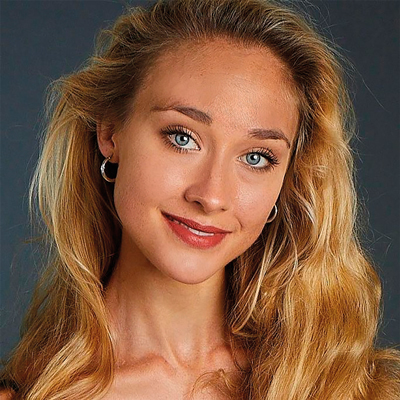
The long-term ambition remains clear: to become a gallery artist and, eventually, open a gallery of her own.
In the meantime, Sinéad continues to develop her fine-art photography, photograph fellow dancers, explore still-life work and build an audience for her prints.
Her journey is a reminder that a creative career doesn’t necessarily have to follow a single path.
Photography has become a second creative language for a professional ballerina — one that allows Sinéad to explore ideas, emotions and artistic expression in a completely different way.
And perhaps that is the most interesting thing about fine-art photography: there doesn’t have to be a single definition of what a photograph should be.