
Long-Distance Trail Photography: A Photographer’s Guide
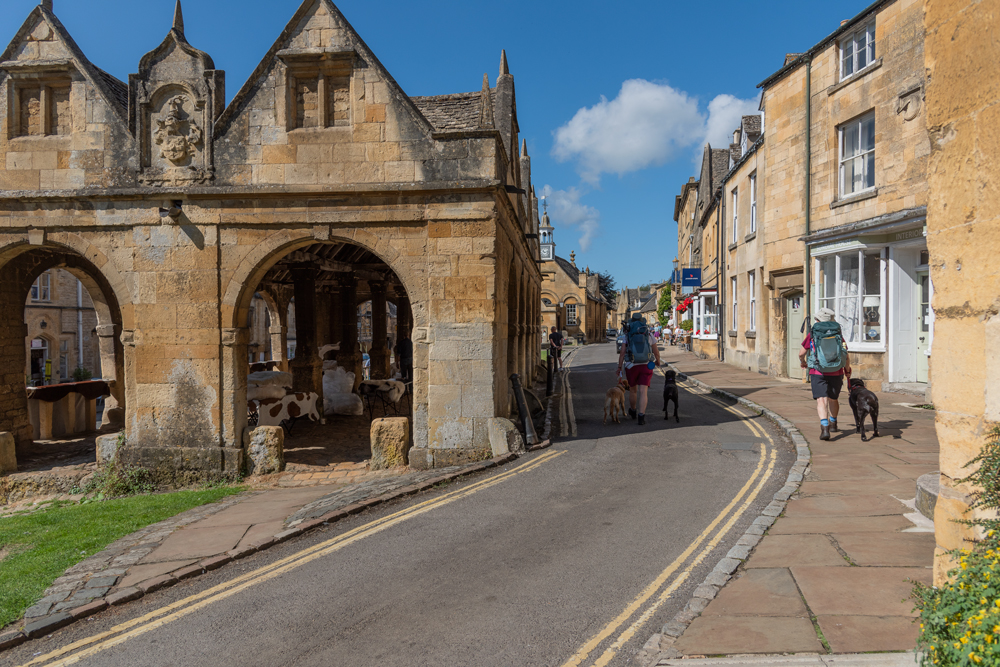
Long-distance trails can offer much more than spectacular landscapes. Photographer Mike McNamee explores how walking routes can provide the framework for a photography project, from planning locations and navigating trails to finding stories along the way.
Long-distance trails are a fantastic opportunity for photographers.
Across the UK, thousands of miles of footpaths and trails pass through landscapes, villages and historic sites, providing an almost endless collection of potential subjects. A single route might take you through ancient woodland, dramatic countryside, historic villages, industrial heritage, churches, rivers and coastline.
For a photographer, that variety can make a long-distance trail much more than a walk. It can become the framework for an entire photography project.
Photographer Mike McNamee recently explored this idea while photographing along the Cotswold Way, and his experience highlights some of the practical considerations involved in photographing a long-distance trail.
Why long-distance trails make good photography projects
A long-distance path gives a photographer something extremely useful: a ready-made structure for a project.
Instead of deciding where to go next, the route provides a continuous line through the landscape. Along the way, there are often countless opportunities to explore different photographic subjects.
Depending on the trail, these might include:
- Landscape and scenic photography
- Architecture and historic buildings
- Churches, abbeys and other heritage sites
- Villages and local communities
- Industrial heritage
- Wildlife and nature
- Geology and distinctive landscapes
- Documentary photography
- Local history and folklore
Some trails also have their own themes.
A route might follow an old pilgrimage path, a former railway line, a canal network or a historic trade route. Others follow dramatic coastlines or connect areas of particular geological or cultural interest.
That theme can provide a starting point for developing a more focused photographic project.
You don’t have to photograph the whole trail
One of the attractions of long-distance trail photography is that there is no requirement to complete an entire route.
A photographer could spend weeks documenting a complete trail, but equally, a short section might provide everything needed for a successful project.
In fact, limiting the scope can sometimes produce a stronger body of work.
Rather than attempting to photograph every viewpoint, village and landmark, consider choosing a specific theme and following it throughout the route.
For example, you could create a project based around:
- Historic churches
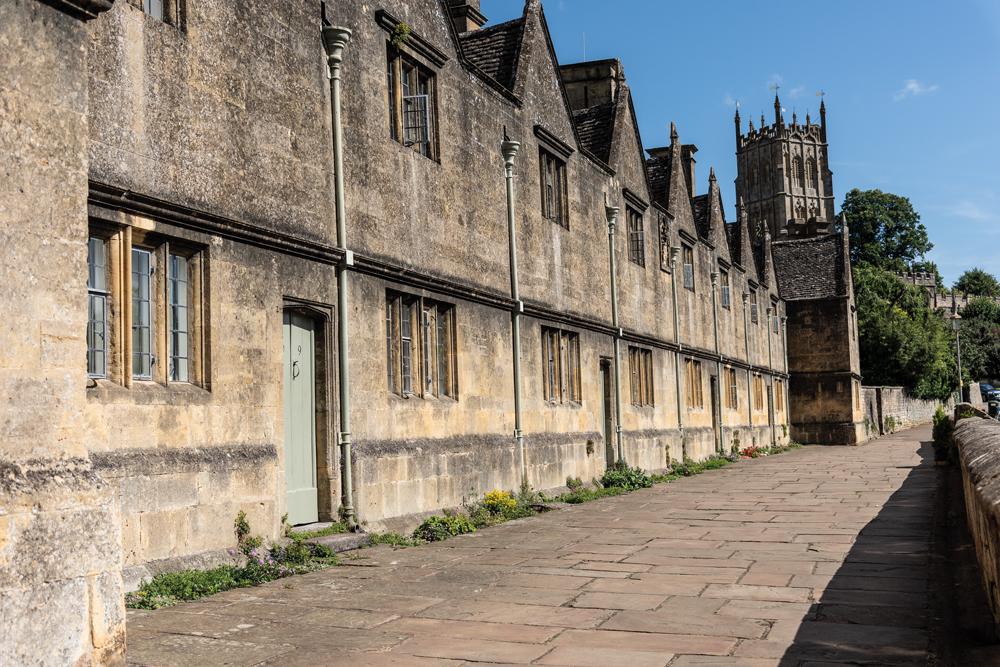
- Stone cottages and villages
- Industrial heritage
- Bridges and waterways
- Wildlife along the route
- Coastal landscapes
- Local pubs and communities
- Geological features
- Signs and waymarkers
- The changing seasons
The trail becomes the structure, while your chosen subject provides the visual consistency.
Photographing the Cotswold Way
The Cotswold Way is a particularly good example of the photographic possibilities offered by a long-distance trail.
The National Trail runs for around 100 miles between Chipping Campden and Bath, following much of the Cotswold escarpment.
The route offers extensive views across the surrounding countryside, but its appeal for photographers goes much further.
The Cotswolds are renowned for their villages and traditional stone architecture, while the area’s history is closely connected with the wool trade. Churches, mills, manor houses and historic buildings provide plenty of subjects away from the classic landscape viewpoints.
For photographers, this means that a walk along the Cotswold Way can incorporate several different genres of photography within a single project.
You might begin the morning photographing a landscape from the escarpment, spend the afternoon exploring a village and finish the day photographing historic architecture at golden hour.
Research before you walk
Good trail photography starts before you leave home.
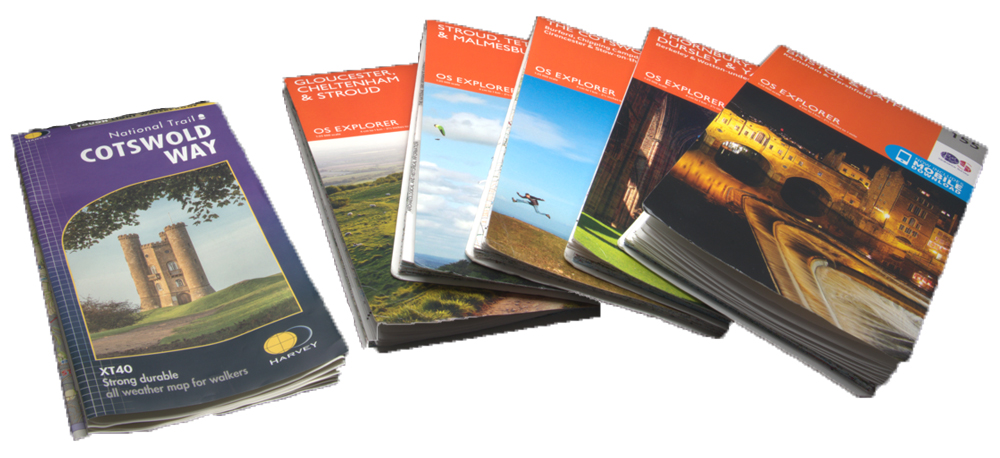
A route guide and map can help identify potential locations, but photographers should also carry out their own research.
Look beyond the obvious viewpoints.
Historic maps, local history websites, village information and architectural records can reveal subjects that aren’t necessarily highlighted in standard walking guides.
For a photographer, a small village with an interesting church, unusual building or historic feature may be more valuable than a famous viewpoint crowded with visitors.
Mike found that researching the Cotswold Way uncovered plenty of places that weren’t visited during the original trip but provided potential subjects for another visit.
That can be a useful philosophy for any photography project:
You don’t have to photograph everything on the first visit. Leave something for next time.
Walking photographer or support driver?
There is an important practical question to consider when photographing a long-distance trail: how are you going to travel?
A photographer walking the route experiences the entire trail, but has to carry all their equipment.
A photographer travelling with a support vehicle has considerably more freedom with equipment and can explore locations away from the route, but won’t experience every part of the trail.
Both approaches have advantages.
Photographing while walking
Walking gives you access to every part of the route and allows you to discover photographs that you might never have found from a road.
The disadvantage is weight.
Every camera body, lens, tripod, battery and accessory has to be carried, and that can become significant after several hours of walking.
This is where careful equipment selection becomes important.
Instead of taking every lens you own, consider what the project actually requires.
Photographing with a support vehicle
A support vehicle allows the photographer to carry more equipment and explore locations away from the main trail.
It also makes it possible to arrange meeting points with walkers at specific locations.
The downside is that the driver doesn’t see everything the walking party sees.
One solution is to research the route carefully and identify opportunities where the road crosses or comes close to the trail. The photographer can then walk a short section before meeting the group further along.
This can provide a useful compromise between mobility and access.
Choosing photography locations
One of the biggest challenges is deciding where to stop.
For a landscape photographer, the obvious choice might be a recognised viewpoint. However, these aren’t always the most interesting locations.
Look for places where several elements come together.
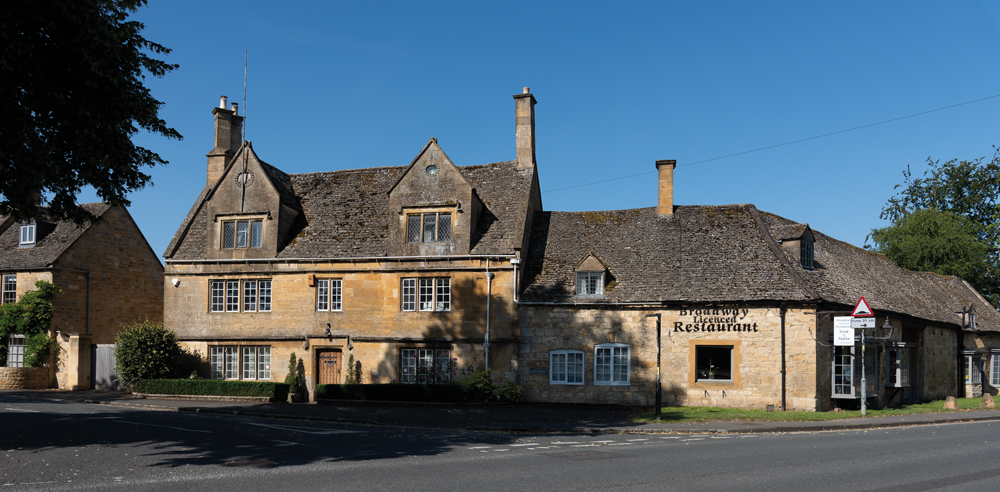
A village viewed from a surrounding hill, for example, might provide a landscape photograph as well as opportunities for architecture and environmental details.
Likewise, a historic church can become more than a building photograph. Its surroundings, interior details, graveyard, people and relationship with the landscape can all contribute to a wider photo essay.
Think about how individual photographs will work together rather than treating every image as a standalone shot.
Planning rendezvous points
If you’re photographing a walking group while using a support vehicle, planning meeting points becomes particularly important.
A good rendezvous needs to be:
- Accessible by vehicle
- Easy for both parties to identify
- Close to the walking route
- Appropriate for the group’s progress
- Safe for stopping
- Clearly identifiable on maps
A named landmark can be particularly useful.
A church with a prominent tower, a recognised monument or a clearly marked road crossing is generally easier to identify than an anonymous stretch of track.
Digital mapping makes this much easier than it once was, but it is worth checking the route rather than relying entirely on a sat-nav.
A road that appears to provide access on a map may be unsuitable for a normal vehicle.
Maps and navigation for photographers
Navigation is an important consideration whenever photography takes you into unfamiliar countryside.
Digital mapping and GPS have transformed outdoor navigation, but traditional maps still have an important role.
A phone can be extremely useful for route planning and locating specific features, but battery life and mobile signal can become issues on longer or more remote walks.
For serious outdoor photography, it is sensible to have a backup navigation method and to understand how to use it before setting off.
A paper map and compass remain useful even when most of your navigation is digital.
Specialist trail maps can also be particularly convenient because they concentrate on the route itself rather than covering a large surrounding area.
Using digital mapping to plan photographs
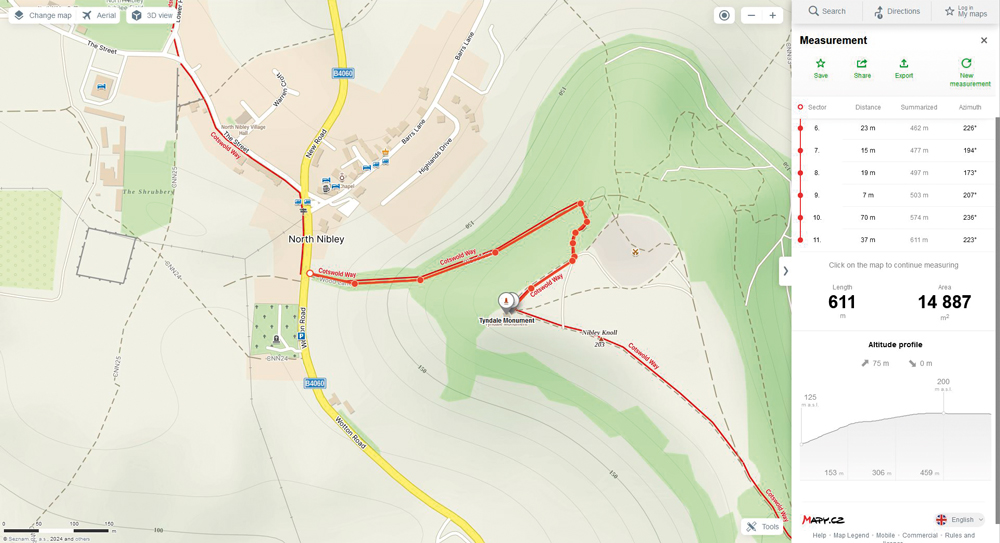
Mapping applications can be valuable photographic tools, not simply navigation aids.
Before setting off, you can use them to investigate:
- Distance between locations
- Elevation changes
- Road access
- Viewpoints
- Buildings and landmarks
- Possible meeting points
- Alternative routes
- Sunrise and sunset locations
Some mapping applications also allow routes to be downloaded for offline use, which can be extremely useful when working in areas with poor mobile coverage.
For photographers, this kind of preparation can save considerable time once you’re on location.
Don’t forget the logistics
A photography project on a long-distance trail involves considerably more than choosing lenses.
If you’re walking several miles a day, think carefully about:
Battery power: How many batteries will you need and where can they be recharged?
Weather: Can your camera equipment be protected if conditions deteriorate?
Food and water: Don’t assume that shops, cafés and pubs will be open when you reach them.
Transport: If you’re walking a linear route, how will you get back to your vehicle?
Accommodation: Where will you stay, and how far is it from the route?
Parking: Can you legally and safely leave your vehicle where you intend to start or meet the group?
These details can make the difference between an enjoyable photographic adventure and a very long day.
Look beyond the classic landscape
One of the biggest mistakes in trail photography is concentrating exclusively on the scenery.
A long-distance path is a journey, and a good photo essay should communicate that journey.
Photograph the details.
Waymarkers, boots, gates, bridges, maps, weathered buildings, wildlife, people, local signs and roadside details can all help tell the story.
Try different perspectives and focal lengths.
A wide-angle lens can communicate the scale of a landscape, while a longer lens can isolate details in the distance. A standard lens can be particularly useful for documentary-style photographs of people and places.
The best equipment is ultimately the equipment that allows you to make the photographs you want without becoming a burden.
Creating your own photographic trail
There is another possibility for photographers who want to take the idea further: create your own trail.
You don’t necessarily need to follow an established long-distance path.
A photographer could design a route connecting a particular type of subject.
Imagine a project linking:
- Windmills across a region
- Historic railway stations
- Medieval churches
- Former textile mills
- Canal bridges
- Industrial heritage
- Coastal lighthouses
- Historic market towns
The route itself becomes part of the story.
This can also provide a more distinctive publishing opportunity. Established trails have often been photographed extensively, so finding a specific angle or theme can help a project stand out.
Can you make money from trail photography?
There is a substantial market for books and guides covering Britain’s best-known walking routes, but that also means there is considerable competition.
A collection of conventional photographs of attractive villages is unlikely to stand out simply because the photographs are technically good.
A more focused project may have greater potential.
Outdoor magazines, heritage publications, tourism organisations and specialist websites can all provide potential outlets for strong documentary and landscape work.
Prints and exhibitions are another possibility, particularly when the project has a clear visual identity.
The key is to identify what makes your project different.
Instead of asking, “How can I photograph the Cotswold Way?”, ask:
“What can I photograph along the Cotswold Way that hasn’t already been done thousands of times?”
That change in thinking can transform a walk into a genuine photographic project.
A lifetime of photographic opportunities
The UK has an extraordinary network of long-distance paths, from coastal routes and national trails to historic pilgrim ways and trails created around particular landscapes or themes.
For photographers, that represents an enormous resource.
You don’t have to walk the longest or most difficult route. You don’t even have to complete an entire trail.
Choose a section that interests you, research it thoroughly and give yourself a photographic objective.
Then slow down.
The greatest benefit of combining walking and photography may simply be the opportunity to spend time somewhere new. Walking gives you access to places that are difficult to appreciate from a car, while photography encourages you to stop, observe and look more closely.
A long-distance trail isn’t just a line on a map.
For a photographer, it can be the beginning of a story.