
How to Grow Your Photography Business: Finding a Profitable Niche
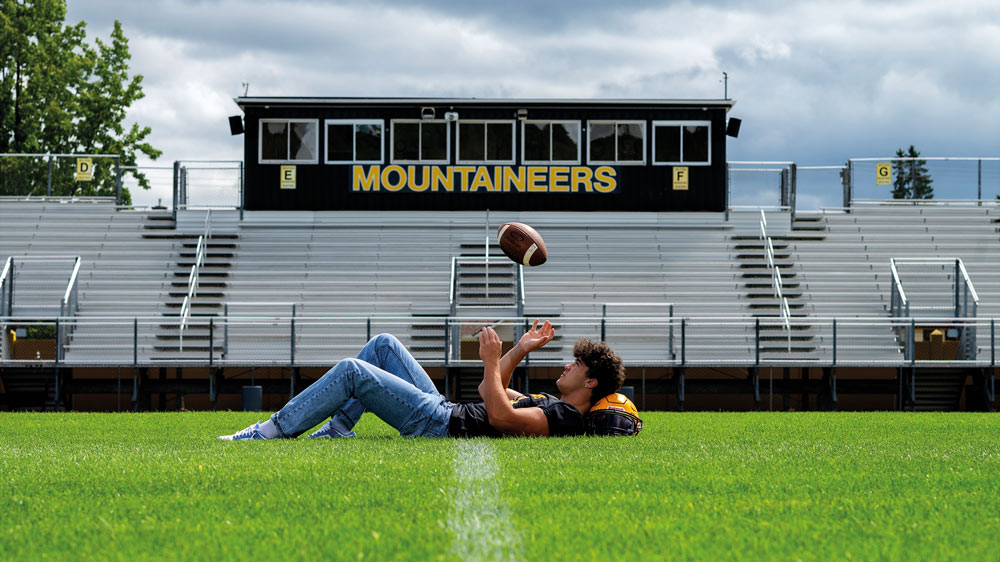
The photography industry never stands still.
Technology changes, new photographers enter the market, consumer expectations evolve and some types of photography become more competitive while new opportunities emerge.
For professional photographers, adapting to those changes can make the difference between simply surviving and building a sustainable, profitable business.
But adapting doesn’t mean chasing every new trend.
Sometimes the smartest move is to look closely at your existing business, identify where demand is growing, find an underserved market and gradually reposition yourself as a specialist.
That is exactly what photographer, educator and international speaker David Hakamaki did.
His experience moving from a broad photography business into high-school senior and youth sports photography provides some valuable lessons for any photographer considering a change of direction.
Why Photographers Need to Adapt
The photography industry has undergone enormous changes over the past few decades.
The move from film to digital transformed the way photographers worked. Smartphones made high-quality cameras available to almost everyone. Social media changed how photographs are consumed, shared and marketed, while online platforms created new opportunities — and new competition.
At the same time, customer expectations have changed.
For photographers running a business, this means that the services that worked particularly well five, 10 or 20 years ago may not necessarily be the services offering the best opportunities today.
The answer isn’t to abandon everything and start again.
Instead, photographers should regularly ask:
Where is demand coming from?
Which parts of my business are most profitable?
Which services are becoming harder to sell?
What am I particularly good at?
Is there an underserved market I could serve?
Those questions can reveal opportunities that aren’t immediately obvious.
David Hakamaki’s Photography Business Pivot
David’s photography business originally covered a broad range of genres, including weddings, family portraits, events, older people and youth sports.
As the general photography market became increasingly competitive, he realised that continuing to offer everything to everyone wasn’t necessarily the best way forward.
Around 20 years ago, he noticed growing opportunities in two particular areas:
High-school senior photography and youth sports photography.
Rather than abandoning his existing clients overnight, David gradually increased his focus on these areas while reducing the parts of his business he wanted to move away from.
That gradual transition is an important lesson.
Changing direction doesn’t necessarily mean starting from zero.
Your existing skills, clients, reputation and relationships can often provide the foundations for your next stage of growth.

Find a Photography Niche
One of the most effective ways to differentiate a photography business is to become known for something specific.
That doesn’t necessarily mean choosing an extremely narrow niche.
It could mean specialising in:
- Wedding photography
- Commercial branding
- Headshots
- Property photography
- Sports photography
- Pet photography
- School photography
- Food photography
- Product photography
- Corporate photography
- Wildlife photography
- Family photography
The right niche will depend on your location, experience, interests and local demand.
David identified high-school seniors and youth sports as markets where he could offer something different from the general photographers around him.
Look for Underserved Markets
Finding a niche isn’t simply about choosing something you enjoy.
You also need to look for demand.
Research the photography services available in your area.
Who is already serving the market?
What are they offering?
What do their packages look like?
Are there clients who aren’t being served particularly well?
Are there businesses or organisations that need photography regularly rather than just once?
Recurring demand can be particularly valuable.
For David, youth sports provided opportunities to work with teams and schools repeatedly, while the same young athletes could eventually become senior portrait clients.
One market naturally fed into another.
Don’t Compete on Price Alone
Once you’ve identified a niche, the next challenge is giving clients a reason to choose you.
David focused on developing products and services that weren’t readily available from other photographers in his area.
For senior portrait sessions, this included multiple locations, clothing changes and distinctive products with different finishes.
Rather than simply selling photographs, he created a more complete and distinctive experience.
That allowed the service to develop a boutique feel and helped differentiate his work from photographers competing primarily on price.
This is an important lesson for any photography business.
If the only obvious difference between you and your competitors is price, you are likely to find yourself in a race to the bottom.
Instead, ask:
What could I offer that clients can’t easily get elsewhere?

Develop Products Around Your Niche
Specialisation also creates opportunities to develop products specifically for your audience.
For youth sports, David created custom-designed senior banners as well as team and individual photography packages.
He also introduced a distinctive “sandlot” photograph — an informal, stylised image processed in a gritty black-and-white look.
It became something clients began looking forward to and provided an additional purchase opportunity.
The lesson isn’t that every photographer needs to invent a completely new product.
It’s that understanding your market can reveal opportunities for products and services that fit naturally around what your clients already want.
Build Relationships with the People Who Control Access to Your Market
Finding a niche is only half the job.
You also need to build relationships with the people who can connect you with potential clients.
David invested significant time developing relationships with schools, athletic directors, sports coaches and local organisations.
He attended meetings, introduced himself to decision-makers and made sure people knew what he could offer.
That direct relationship-building helped establish him as a trusted specialist.
For photographers, this could mean identifying the people who influence purchasing decisions in your chosen market.
For a wedding photographer, that might mean venues and wedding planners.
For a commercial photographer, it could be marketing managers, agencies and business owners.
For a property photographer, estate agents and property developers could be key relationships.
The principle is the same:
Go where the decisions are being made.
Don’t Underestimate Repeat Business
One of the biggest advantages of finding the right niche is the potential for repeat work.
Winning a new client generally takes more effort than working with someone who already knows and trusts you.
David’s youth sports work provided exactly this type of continuity.
Teams return each season. Schools need photography year after year. Young athletes eventually become high-school seniors — creating another potential photography opportunity.
A well-chosen niche can therefore create a customer journey rather than a series of disconnected bookings.
Think about what happens after your first sale.
Can that client come back next year?
Can they buy another product?
Can they introduce you to another organisation?
Can one service naturally lead to another?
Step 1: Assess Your Photography Market
Before changing direction, take a proper look at the market around you.
Look at:
- Local competitors
- Pricing
- Demand
- Consumer behaviour
- Business trends
- Emerging industries
- Existing clients
- Your own sales data
Don’t rely entirely on what you see on social media.
Talk to people.
Ask existing clients what they need. Speak to local businesses. Attend networking events. Look at the services people are actively paying for.
The best opportunities may be hiding in plain sight.
Step 2: Evaluate Your Current Photography Services
Look at your own business objectively.
Which services generate the most revenue?
Which are the most profitable once your time and costs are taken into account?
Which do you enjoy?
Which are becoming harder to sell?
Which clients are most likely to return?
You might discover that the photography you enjoy most isn’t necessarily the photography producing the best business results — or you may discover the opposite.
The goal isn’t automatically to eliminate less profitable services.
It is to understand where your time and money are going.
Step 3: Identify Potential Growth Areas
Once you’ve analysed your current business and the market around you, look for opportunities.
Perhaps there is a growing business sector in your area that needs regular commercial photography.
Maybe local schools have poor-quality photography.
Perhaps businesses need more professional headshots because of the growth of LinkedIn and online personal branding.
Or there may be a specialist genre that nobody locally is serving particularly well.
Don’t simply ask:
“What photography do I want to shoot?”
Also ask:
“What photography does my market need?”
The strongest business opportunities often sit where those two things overlap.
Step 4: Invest in the Right Skills and Equipment
Moving into a new niche may require investment.
That could mean new lighting equipment, specialist lenses, software, backgrounds, studio equipment or other tools.
It could also mean investing in education.
Workshops, courses, conferences and networking can all accelerate the learning process.
And don’t underestimate the value of talking to photographers who are already successful in the market you’re considering.
You don’t need to reinvent everything yourself.
Learning from other professionals can help you avoid expensive mistakes and understand what clients actually expect.

Step 5: Reposition Your Photography Brand
Once you’ve decided where you want to take the business, your marketing needs to reflect that decision.
Look at your:
- Website
- Portfolio
- Social media
- Business cards
- Brochures
- Advertising
- Email marketing
- Google Business Profile
If you want to become known as a commercial branding photographer, for example, your website shouldn’t primarily showcase unrelated family and landscape photography.
Show prospective clients the work you want them to buy.
This is one of the most important principles of photography marketing:
If you want more of a particular type of work, make that work highly visible.
Build Authority in Your New Niche
Becoming a specialist isn’t simply about changing the title on your website.
You need to demonstrate expertise.
Create useful content around your niche. Share relevant case studies. Explain your approach. Photograph projects that demonstrate your capabilities. Gather testimonials from clients in the sector.
If you’re targeting schools, show how your photography solves their particular problems.
If you’re targeting commercial businesses, demonstrate how your images can support branding and marketing.
The more clearly you communicate the value you provide, the easier it becomes for potential clients to understand why they should choose you.
Don’t Try to Change Everything Overnight
One of the strongest lessons from David’s experience is that a successful business pivot doesn’t have to happen immediately.
He gradually increased his focus on senior and youth sports photography while reducing other areas of work.
That approach can make a transition much less risky.
You can test a new niche while continuing to serve existing clients.
Try a new service.
Approach potential customers.
Run a pilot project.
Measure the response.
Then decide whether to invest further.
This gives you evidence before making major changes.
Adaptation Doesn’t Mean Chasing Every Trend
There’s an important distinction between adapting your business and chasing trends.
Not every new technology, platform or photography genre will be right for you.
Ask whether an opportunity fits three things:
Your skills.
Your interests.
Your market.
If all three align, it may be worth exploring.
If something is popular but doesn’t fit your business or your clients, it may simply become another distraction.
Successful adaptation is strategic rather than reactive.
What Photographers Can Learn from David’s Story
David’s journey demonstrates that growth doesn’t always come from finding more clients for the exact same service.
Sometimes it comes from changing the service itself.
By identifying a specific market, developing products for that audience, building relationships with key decision-makers and creating repeat business opportunities, he was able to move from a broad photography business towards a highly specialised model.
You don’t have to copy his particular niche.
The lesson is to understand why the strategy worked.
Find a market.
Understand its needs.
Become exceptionally useful to that market.
Build relationships.
Create something distinctive.
Then keep improving.
Is It Time to Change Direction?
If your photography business feels increasingly difficult to grow, don’t immediately assume you need to work harder.
Take a step back and look at the business objectively.
Ask yourself:
- What is working?
- What isn’t?
- Where is demand growing?
- Which clients do I most enjoy working with?
- Which services are most profitable?
- Where is competition lowest?
- What could I offer that competitors don’t?
- Can I create repeat business?
- Who are the key decision-makers in my target market?
The answers may reveal that you don’t need a completely new business.
You may simply need a new direction.
Final Thoughts
The photography industry will continue to change.
New technology will appear. Consumer behaviour will evolve. New photographers will enter the market and established markets will become more competitive.
The photographers who build sustainable businesses aren’t necessarily those who predict every change correctly.
They are the ones willing to recognise when something isn’t working, investigate new opportunities and adapt when necessary.
David Hakamaki’s experience is a useful reminder that becoming more specialised can sometimes create more opportunities rather than fewer.
You don’t have to photograph everything for everyone.
Find the clients you want to work with, understand what they need and become the photographer they think of when that need arises.
Adapt, specialise and build relationships — and give your photography business room to grow.