
Photographing the 2026 Solar Eclipse – A Photographer’s Guide
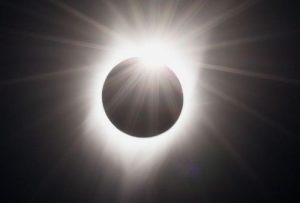
On Wednesday 12 August 2026, photographers across the UK will have the opportunity to capture one of nature’s most spectacular events a solar eclipse. While many parts of Europe will witness a total eclipse, observers across much of the UK will experience a deep partial eclipse, making it a fantastic opportunity for both landscape and astronomical photography.
Whether you’re planning to travel into the path of totality or photograph the event from closer to home, preparation is the key to success.
Safety Comes First
Before reaching for your camera, remember that photographing the Sun requires the same precautions as viewing it.
Never look directly at the Sun through an optical viewfinder without a certified solar filter attached to the front of your lens. Doing so can cause permanent eye damage and may also damage your camera’s sensor.
Only remove your solar filter during the brief period of totality and only if you are within the path of totality. For photographers in the UK outside this path, the filter should remain in place throughout the eclipse.
Choosing Your Equipment
You don’t need specialist astronomy equipment to produce impressive eclipse images.
A telephoto lens between 300mm and 600mm will provide a good-sized image of the Sun while still allowing flexibility in framing. Longer focal lengths, such as 800mm or 1000mm, will reveal even greater detail but require very stable support.
Essential equipment includes:
- DSLR or mirrorless camera with full manual controls
- Certified solar filter for your lens
- Sturdy tripod
- Remote release or self-timer
- Spare batteries and memory cards
If you own a telescope, it can also be used with the correct solar filters and adapters.
Achieving Sharp Focus
Autofocus may struggle when photographing the Sun through a solar filter.
Switch to manual focus, enlarge the live view image, and carefully focus until the edge of the Sun appears crisp. Once focus is achieved, avoid changing it during the session.
Think Beyond Close-Ups
While detailed images of the Sun are always impressive, don’t overlook the wider story.
Include interesting foreground elements such as:
- Historic buildings
- Coastal landscapes
- Mountains
- Trees
- Famous landmarks
These images help place the eclipse in context and often create more memorable photographs than close-ups alone.
Capture the Changing Light
One of the most fascinating aspects of an eclipse is the change in the surrounding environment.
As the Moon covers more of the Sun, you’ll notice:
- A drop in temperature
- Unusual shadows beneath trees
- Softer, almost twilight-like light
- Changes in wildlife behaviour
These moments often produce unique documentary and landscape images.
Planning is Everything
Weather will be the biggest challenge.
Monitor forecasts in the days leading up to the eclipse and be prepared to travel if necessary. Scout your location in advance, checking for clear horizons and potential foreground interest.
Apps such as PhotoPills, Stellarium or Sky Guide can help predict the Sun’s position and assist with composition planning.
Practice Before Eclipse Day
Don’t wait until eclipse day to familiarise yourself with your equipment.
Practice photographing the Sun on clear days using your solar filter. This allows you to refine your focusing technique, determine suitable exposure settings and ensure everything works as expected.
Enjoy the Experience
It’s easy to become so focused on capturing the perfect photograph that you forget to enjoy the event itself.
Take time to step away from the camera for a few moments and appreciate the spectacle unfolding overhead. The memories will last just as long as the photographs.
With careful planning, the right equipment and a little luck with the weather, the 2026 solar eclipse offers photographers an excellent opportunity to create striking images of one of astronomy’s most captivating events.