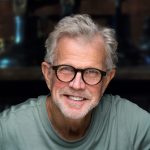
Photographing the Heart of Buckinghamshire’s Volunteers
By Christopher Hall
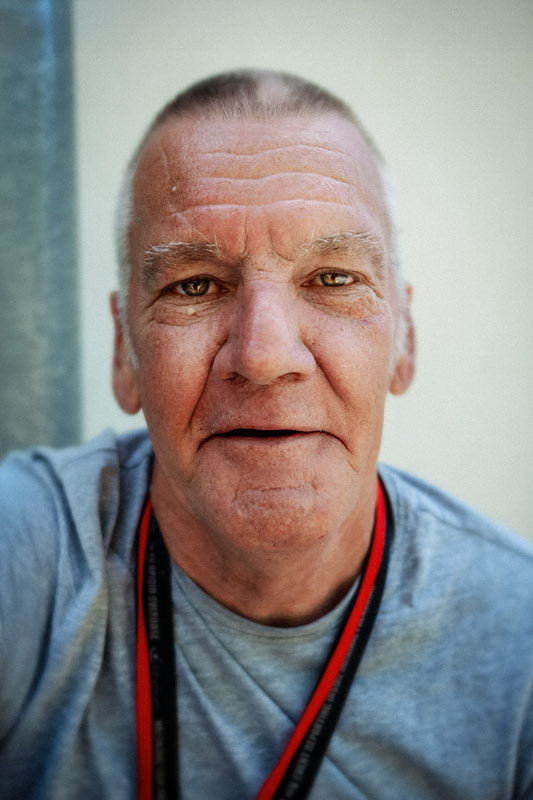
When people think of volunteering, they usually picture someone in a high-vis jacket waving a clipboard like they’re marshalling lost parents at a school fête.
I used to think that too.
But seven months into this project, I’ve learned that volunteering is so much wider, deeper and more extraordinary than anything I imagined.
I’ve photographed people supporting frightened witnesses as they enter a courtroom, volunteers pedalling tandem bikes so visually impaired riders can feel the wind on their faces, people running dementia singing groups and others quietly packing food parcels at night so families can eat in the morning.
It’s vast, messy, funny, heartbreaking and endlessly human.
I thought I was taking portraits. Instead, I found myself holding the heartbeat of a county.
A year-long documentary photography project
Back in April, I began a volunteer storytelling project commissioned by the High Sheriff of Buckinghamshire.
On paper, the brief sounded simple: go out and capture the voices of volunteers.
In reality, it became one of the biggest and most emotional pieces of work I’ve ever taken on.
More than a hundred volunteers.
Dozens of organisations.
Conversations in kitchens, muddy fields, church halls, corridors, driveways, community centres and café corners with kettles that never stop hissing.
The project was originally supposed to last a year.
It’s already clear that it needs to grow far beyond that.
Why documentary photography?
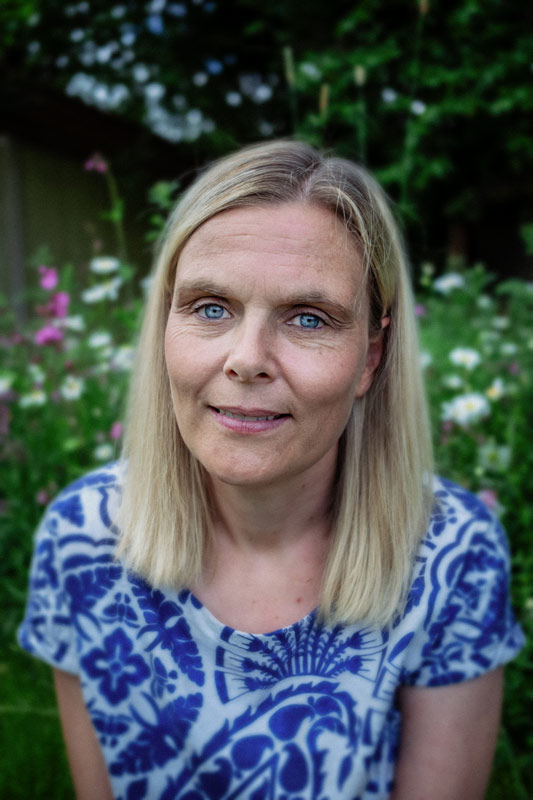
My photography has always lived in the retro, documentary world — soft tones, natural light, real expressions and nothing over-polished.
I like photographs that look as though they’ve lived a little; the sort you could find in an old shoebox decades later and still feel the story inside them.
No studio.
No lights.
No one being told to “tilt your chin.”
Just the truth.
Perhaps that comes from my own story.
I wasn’t always a photographer.
Years ago, I was homeless — two years of drifting, trying to survive and slowly disappearing from view.
After leaving rehab in 2015, someone at my local church handed me a camera and said:
“Try this.”
They had no idea what that meant to me.
I didn’t either, not then.
The camera didn’t rescue me. It gave me a reason to rescue myself.
From that moment, I found myself drawn to people who didn’t feel seen.
I understood them.
I was them.
And in photographing others, I started to re-enter the world myself.
Listening before photographing
When this volunteering project started, I didn’t want it to feel like an interview or a survey.
I wanted real conversations. Proper ones. The kind where people open up without meaning to.
I wrote a list of questions with the future in mind — evidence that could help councils and organisations improve the volunteering experience.
But I learned every question by heart.
I kept the paper folded in my pocket, but almost never looked at it.
People talk differently when they know you’re truly listening.
Every conversation was recorded on audio so I didn’t need to take notes.
That meant I could sit, look people in the eye and let the story come out naturally.
And the things people shared…
I wasn’t prepared for the honesty.
The vulnerability.
The strength.
The camera comes last
Only then does the camera come out.
Always last.
Because after a real conversation, people relax.
Because nerves drop when someone has been heard properly.
Because you cannot fake the expression someone makes after saying something they’ve never said out loud before.
And because the moment someone suddenly realises their own value, you see it in their face before they feel it in their chest.
That’s when I raise the camera.
The stories behind the portraits
The things volunteers have shared with me will stay with me.
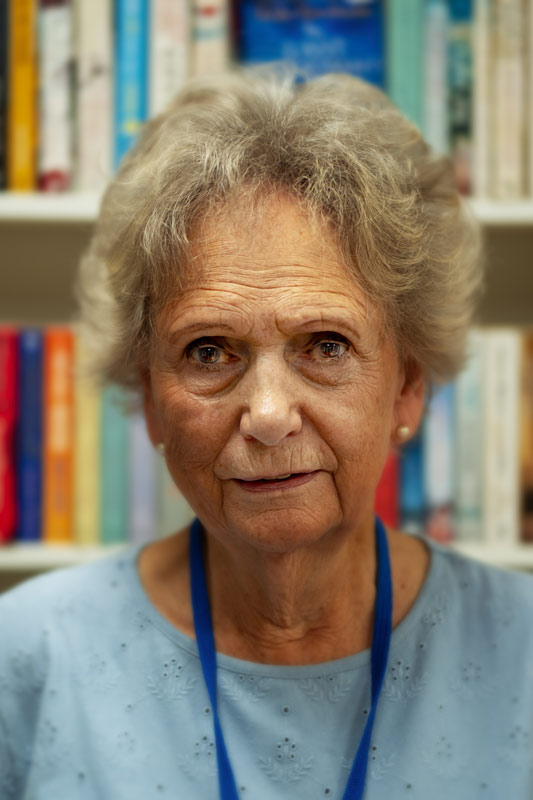
A 76-year-old woman told me she volunteers because otherwise she would sit at home all week and not see a single person.
A man told me he started litter-picking because:
“The silence in the house was too loud.”
Someone else said volunteering was the first thing that gave them a reason to get dressed again after losing their partner.
And there were moments that made me laugh hard enough to worry about my back — like the volunteer who tried to help me put up a gazebo and looked genuinely concerned I might not make it out alive.
But beneath the humour, there was something profound.
Every story seemed to point towards the same truth:
Volunteering wasn’t just helping others. It was saving the volunteers themselves.
People told me:
“It gave me structure.”
“It stopped the loneliness.”
“I felt wanted again.”
“I laughed for the first time in months.”
“I felt like myself.”
“I mattered.”
You can’t force that out of someone.
You can only listen long enough for them to hand it to you.
Photographing people without intimidating them
The photography kit matters too — this is a photography magazine, after all.
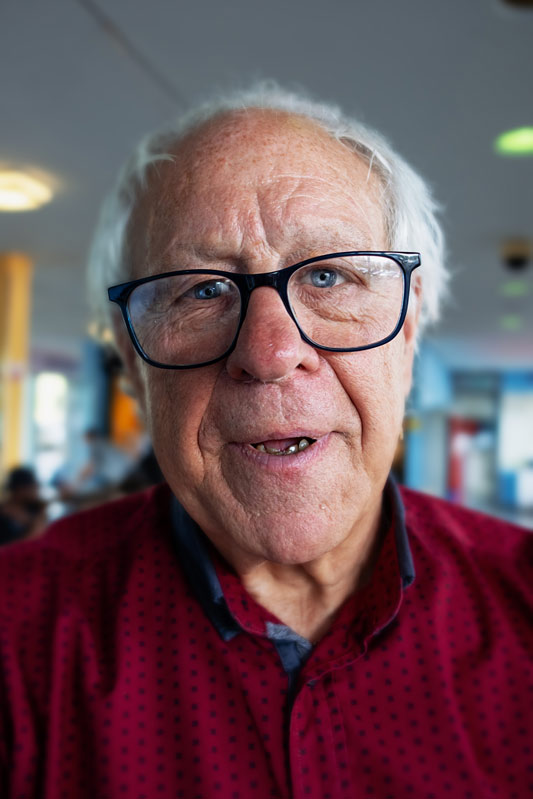
I shoot this project entirely on the Fujifilm X-T5 and X100VI.
They’re small, quiet and have that nostalgic, film-camera feel that instantly puts people at ease.
Before this, I used Sony full-frame equipment.
They’re incredible cameras, but the size alone could make some volunteers freeze.
They looked like I’d turned up with a satellite dish.
The Fujifilm cameras don’t intimidate.
They blend.
They allow space for emotion.
They let the moment breathe.
For this particular project, that’s incredibly important.
The aim isn’t to create a technically impressive photograph at the expense of the person in front of the camera.
It’s to create a portrait that feels like them.
Photographs don’t have to win competitions
The images from this project won’t win me competitions or get me qualifications.
None of my work will.
I know that.
But these are photographs that tell the truth — and truth is worth more than any trophy.
That has become increasingly important to me during this project.
Photography can be judged in competitions, displayed in galleries and assessed for qualifications.
But there are other ways for a photograph to matter.
Sometimes its value is simply that it allows somebody to see themselves differently.
Photography as evidence
The stories and images together have shown us things that spreadsheets never could.
They reveal where services are struggling, where volunteers carry the heaviest loads, where communities thrive and where support is desperately needed.
The photographs are therefore doing more than documenting individual people.
Together with the stories, they provide human evidence.
That evidence is already helping to demonstrate why the project needs to expand beyond its original one-year plan.
There is now potential for the work to feed into county strategy, influence wider thinking and help reshape how volunteering is supported in the future.
That was never the original plan.
But sometimes a project tells you what it needs to become.
Seeing themselves through someone else’s eyes
The portraits will be exhibited in public spaces across Buckinghamshire, giving volunteers the opportunity to see themselves through someone else’s eyes.
Many of them say:
“I’m nothing special.”
Then they stand in front of their portrait and watch strangers reading their story.
Something shifts.
The moment someone recognises their own worth — that’s the moment the whole project makes sense.
What the project has taught me
Seven months in, I’m still surprised by how much this project has changed me.
I’ve sat in my car after interviews in tears.
I’ve laughed until it hurt.
I’ve driven home in silence after someone said something that stayed with me for days.
I’ve seen how community holds people up when nothing else does.
I’ve also learned that documentary photography isn’t simply about observing.
It’s about paying attention.
It’s about listening.
It’s about allowing someone enough space to show you who they really are.
And sometimes, it’s about knowing when not to take the photograph yet.
By the time you read this, I’ll probably be in another village hall, walking across another muddy field or sitting in someone’s kitchen with a mug of tea that’s gone cold because the story was too important to interrupt.
Communities don’t build themselves.
People build them.
One hour at a time.
One act at a time.
And yes — one photograph at a time.
About Christopher Hall
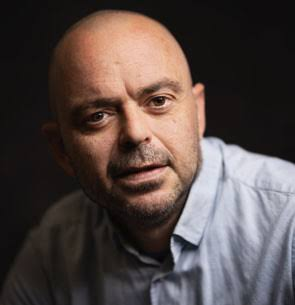
Christopher Hall is a documentary photographer focused on real moments and real lives, from wedding days to everyday experiences that often go unnoticed.
His work is rooted in observation rather than staging, conversation rather than assumption, and honesty rather than perfection.
By creating space for genuine interaction, Christopher captures people as they truly are, preserving not just the moment but the meaning behind it.
Alongside wedding photography, Christopher works on long-term documentary projects with charities, organisations and communities across the UK, giving people opportunities to share their stories in their own words.
His journey into photography began in 2015, when he was given a camera during a period of rebuilding his life — an experience that shaped his belief that photography is ultimately about paying attention to people and the stories that connect us.
Website: christopherjameshall.co.uk