
Dog Photography: Capturing Personality, Emotion and Storytelling
Angela Adams talks to Veronika Shandor
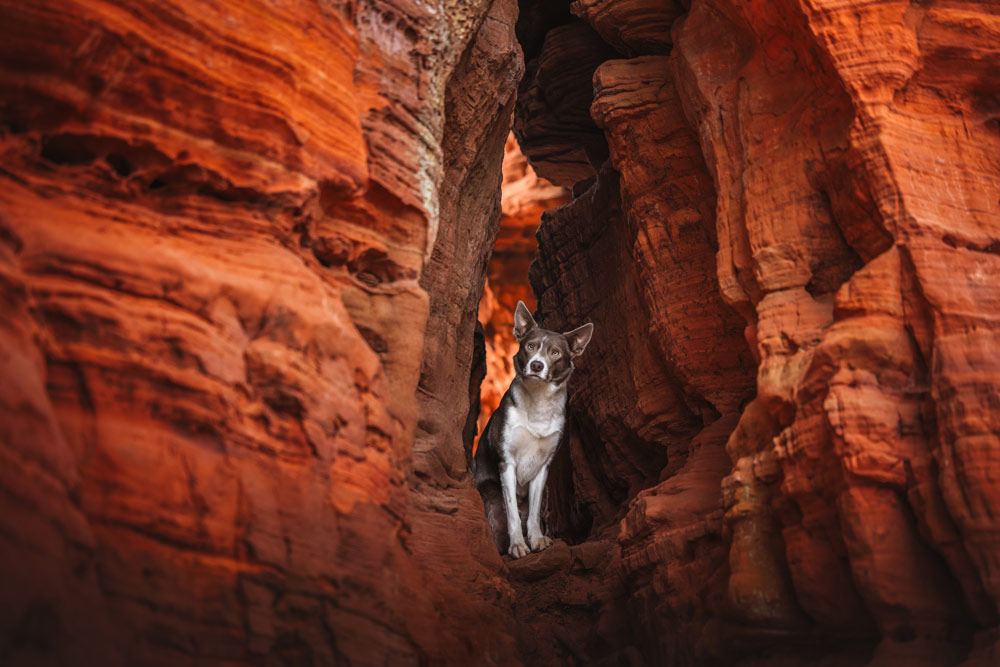
What makes a great dog photograph?
For Veronika Shandor, it isn’t simply about capturing a technically perfect image. It’s about revealing something of the dog’s personality and creating a photograph that tells a story.
Her distinctive outdoor dog photography combines dramatic landscapes, bold colour and natural light with an obvious affection for her subjects. Whether she’s photographing a dog in a forest, on a mountainside or splashing through a stream, she is prepared to go the extra mile to create an image that feels different.
Veronika’s ultimate ambition is equally adventurous: to photograph a dog in every country in the world, capturing not only the animal but also something of the spirit of each place.
From photographing garden insects to photographing dogs
Veronika’s interest in photography began when she was young.
She was always attracted to art, nature and animals, and borrowed her parents’ camera to photograph insects and flowers in the garden.
The real turning point came when she got her first dog, Nabu.
Like many dog owners, she began photographing almost everything her new companion did. When Jada arrived later, Veronika found herself with another willing subject.
What began as documenting her own dogs eventually became something more.
“I was telling stories. And I never stopped.”
That idea of storytelling remains central to her photography today.
Why natural light works for dog photography
Veronika almost exclusively uses natural light.
Rather than trying to control every element of a scene, she enjoys the unpredictability of working outdoors.
For her, light becomes part of the story.
She particularly enjoys photographing dogs in nature because they are generally more relaxed and able to behave naturally.
This also means accepting that the conditions won’t always be perfect.
A dramatic sky, changing light or unexpected weather can become part of the photograph rather than something to be avoided.
For photographers working with animals, this approach can be particularly valuable. The less artificial the environment feels, the more opportunity there can be to capture genuine behaviour and personality.
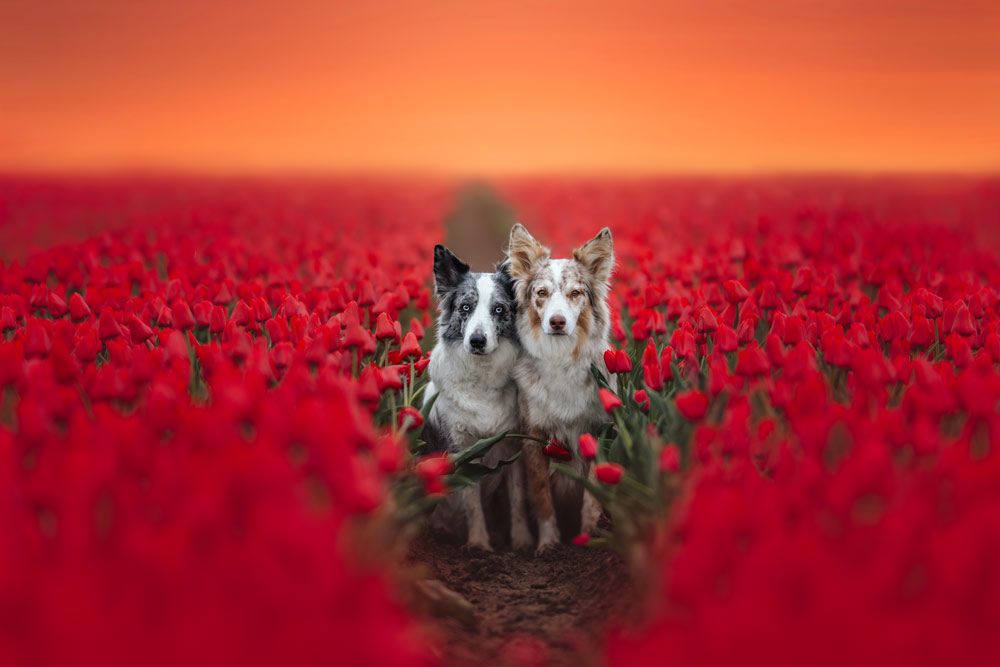
Photographing dogs is about personality
One of the biggest challenges of pet photography is producing an image that feels like that particular dog rather than simply another attractive photograph of a dog.
Veronika’s approach is built around personality.
She uses sounds and vocalisations to attract a dog’s attention, sometimes producing what she describes as “all kinds of strange noises”. She also keeps a sound app available as a backup.
But perhaps the most important piece of equipment is patience.
Dogs don’t necessarily understand what the photographer wants them to do.
Sometimes the best photograph happens when they aren’t doing what was planned at all.
When the perfect dog meets a muddy puddle
One of Veronika’s favourite stories involves a freshly groomed dog arriving at a shoot looking immaculate.
Its first decision?
Jump straight into a muddy puddle.
Another client came along primarily to help his partner and ended up requesting photographs of himself with the dog.
And apparently there is another recurring phenomenon in dog photography: the “Simba pose”, with the owner holding their dog triumphantly in the air.
Every photographer who has worked with pets will probably recognise the unpredictability.
And that’s part of the fun.
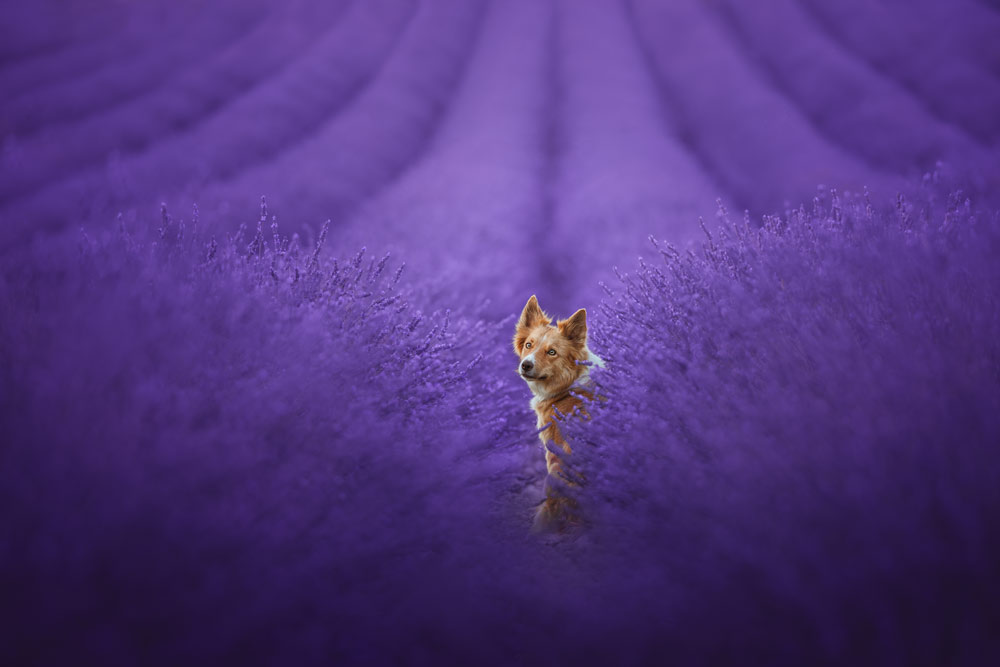
Building a dog photography business
Veronika spent years photographing as a passionate hobby while working in corporate marketing.
She has now been photographing dogs and other pets for more than eight years and running her photography business for five.
The timing of starting the business wasn’t exactly ideal.
She officially launched in 2020, just before the pandemic changed the photography industry.
Nevertheless, she managed to navigate the difficult period and establish a successful specialist business.
Her clients are people who see their pets as members of the family and want something more meaningful than a collection of snapshots.
Some have even travelled internationally for a photography session.
That illustrates an important lesson for photographers trying to establish a niche:
You don’t necessarily need to appeal to everyone. You need to find the people who value what you do.
How do you attract photography clients?
Veronika says that her clients primarily discover her through:
- Word of mouth
- Published work
Her specialist positioning is important here.
Rather than presenting herself simply as a photographer who happens to photograph dogs, her work has developed a recognisable identity around artistic dog photography in natural environments.
That gives potential clients a reason to choose her.
For photographers trying to establish their own niche, this is a useful distinction.
Being known for something can be more powerful than trying to be known for everything.
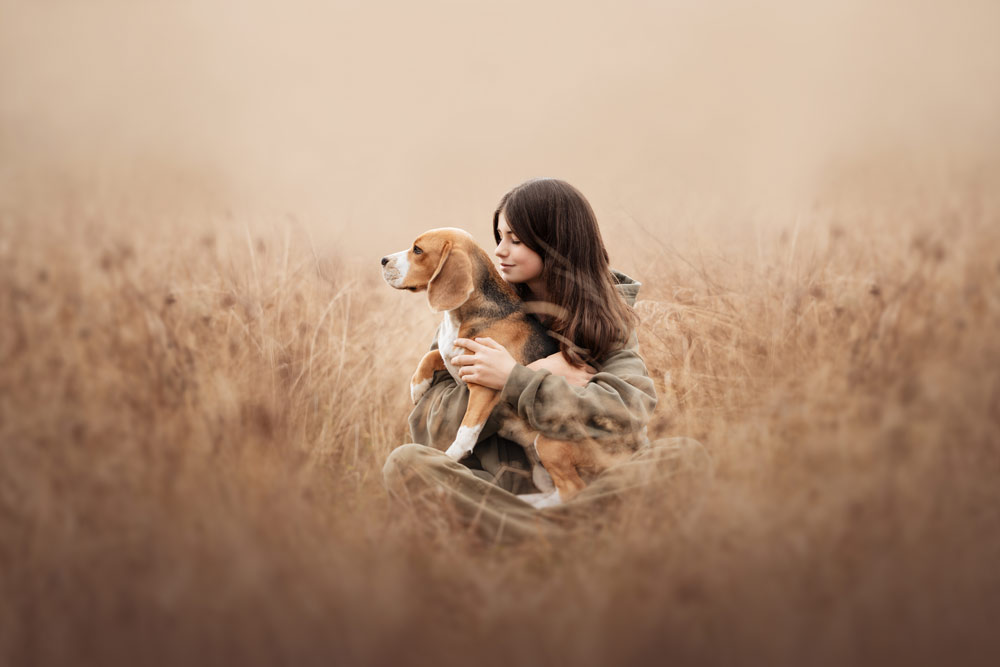
Don’t chase likes — chase meaning
Veronika’s advice to photographers starting out is particularly relevant in an era dominated by social media metrics.
She recommends learning the craft, understanding your value and resisting the temptation to measure success purely through likes and followers.
Her advice is to:
Stay curious.
Stay consistent.
Don’t compare yourself with everyone else.
Do the work that nobody sees.
And importantly, don’t ignore burnout.
A successful photography business isn’t simply about producing more work. Knowing when to stop, rest and protect your boundaries is part of building a sustainable career.
Learning to charge what you’re worth
One of Veronika’s biggest challenges was leaving the security of full-time employment and trusting that photography could provide a living.
She also had to overcome perfectionism and her own inner critic.
But perhaps one of the most important lessons was learning to say no.
No to underpricing.
No to burnout.
No to trying to be everything for everyone.
For photographers building a business, pricing can be one of the most difficult areas to get right. Veronika’s experience suggests that understanding your value is as important as improving your technical ability.
“You’re allowed to raise your prices.”
The photograph that almost got away
Veronika finds it difficult to choose a single favourite image because some of her most important photographs are connected to memories rather than technical perfection.
One image that stands out features a bearded collie with its coat blowing dramatically in the wind.
The photograph was taken only seconds before a hailstorm arrived.
That sort of experience illustrates what makes outdoor dog photography so rewarding.
You can’t always manufacture the moment.
Sometimes you simply have to recognise it when it happens.
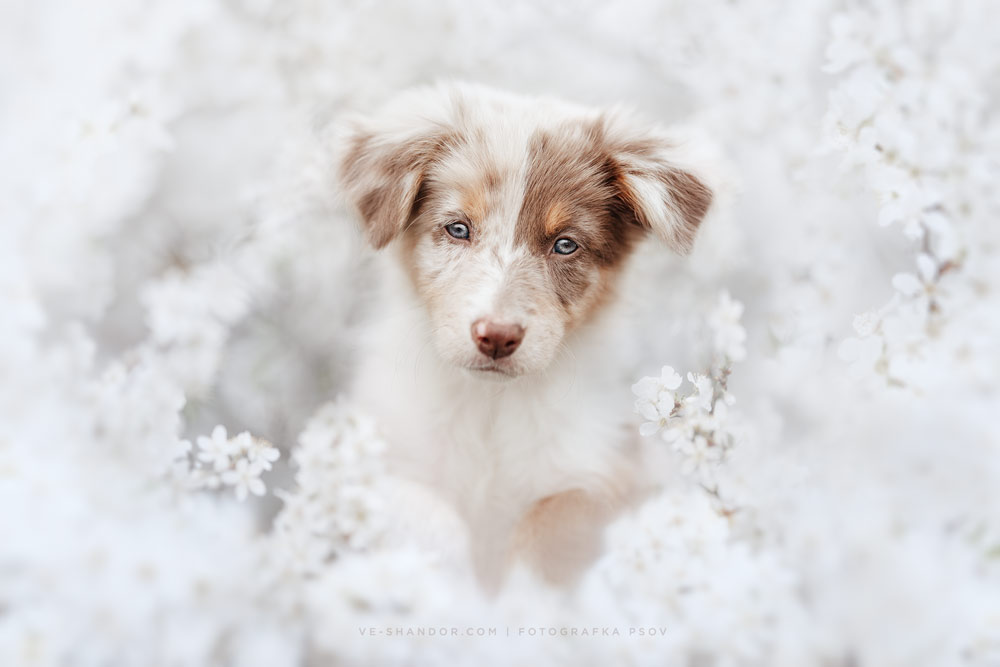
Photographing a dog in every country
Veronika’s long-term photographic ambition is wonderfully simple:
photograph a dog in every country.
But the ambition isn’t simply about collecting photographs.
She wants to capture the character of the place as well as the dog.
The Northern Lights with a dog in the frame is high on her wish list, as is photographing a dog during a mountain inversion above the clouds.
She would also love to photograph a wolf in the fog.
It’s an ambitious project, but it neatly encapsulates her approach to photography: animals, landscapes, light and storytelling combined in a single image.
What makes a successful pet photographer?
Veronika’s career suggests that technical ability is only one part of the equation.
Successful pet photography requires:
- Patience
- An understanding of animal behaviour
- The ability to work with changing light
- Creativity
- Strong communication with owners
- A distinctive visual style
- Business confidence
- The ability to adapt when things don’t go according to plan
Above all, it requires a genuine interest in the animals being photographed.
Veronika’s connection with her own dogs, Nabu and Jada, was the starting point for her career and remains central to her work.
Her proudest professional moment came when she won Pet Photographer of the Year 2021 at the International Pet Photography Awards, with images featuring Nabu and Jada.
Seeing those photographs subsequently appear in The Telegraph and The New York Post made the achievement even more special.
But perhaps the greatest compliment remains something much simpler:
When a client says that you’ve captured their dog’s soul.
For Veronika, that’s when she knows she’s done her job.
Quick-fire with Veronika
City or country? Country
Starter or pudding? Starter
Sunrise or sunset? Both
Chocolate or cheese? Cheese
Coffee or tea? Tea
Books or films? Books!
About Veronika Shandor
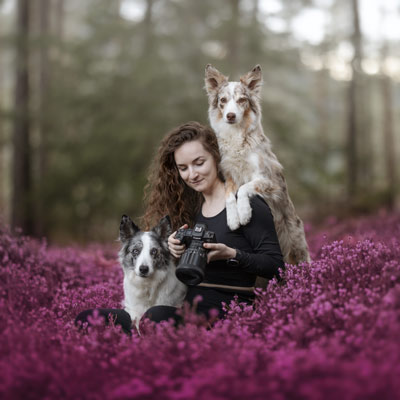
Veronika Shandor is an award-winning pet photographer specialising in artistic dog photography, particularly in natural outdoor environments.
Her work combines dramatic landscapes, natural light and a strong emphasis on capturing the personality of her canine subjects.
Instagram: @ve.shandor.photo
Website: ve-shandor.com