How to Sell Photography Prints: From Digital Prints to Fine Art Printmaking
For many photographers, taking the photograph is only the beginning.
A digital file can exist on a hard drive, computer or cloud account indefinitely, but there is something fundamentally different about seeing a photograph as a physical print.
For photographers looking to develop an additional income stream, selling prints can also provide an opportunity to earn from existing work rather than relying entirely on commissioned shoots.
But there is an important distinction between printing and printmaking.
Printing a photograph generally means producing a photographic reproduction using a process such as inkjet or photographic paper.
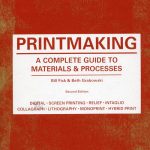
Printmaking is a broader artistic discipline in which the artist creates a physical process or matrix that can be used to produce a number of prints, often in relatively small editions.
Both approaches can have a place in a photography business.
What is printmaking?
Traditional printmaking involves creating an image using a matrix or printing surface and then transferring that image onto paper or another material.
Unlike making a single painting, printmaking allows an artist to produce multiple impressions of the same work.
There are several major printmaking techniques, including:
- Relief printing
- Intaglio
- Planographic printing
- Screen printing
- Digital printing
Some techniques have been used for hundreds of years, while digital printmaking is comparatively new.
The common thread is the creation of multiple physical works from an original artistic process.
Printing versus printmaking
For photographers, the distinction is useful.
A photographer might create an image digitally and produce 20 identical prints using a high-quality inkjet printer.
A traditional printmaker might carve a lino block, ink it and physically press paper against the block to create an edition.
The results can both be considered fine-art prints, but the processes and perceptions of value are very different.
This distinction becomes particularly important when considering limited editions.
What is a limited-edition photography print?
A limited edition is a predetermined number of prints that will be produced from a particular image or artwork.
For example, an artist might decide to produce an edition of 25 prints.
Once all 25 have been sold, no further prints from that edition should be produced.
The attraction for buyers is exclusivity.
For the photographer, however, there is a balancing act.
A smaller edition can potentially make each print more desirable and valuable, but it also limits the total number of sales.
A larger edition provides more opportunities to sell but reduces the scarcity of the work.
With digital photography, there is also an important difference from traditional printmaking: technically, another copy can usually be produced whenever the artist chooses.
The limited nature of a digital edition therefore depends heavily on the artist’s commitment to maintaining the agreed edition size.
Traditional printmaking techniques
Relief printing
Relief printing includes techniques such as woodcut, wood engraving and linocut.
The image is carved into a block, leaving the raised areas to receive ink.
The inked block is then pressed onto paper.
Linocut is one of the most accessible traditional printmaking methods and can be a relatively inexpensive way for photographers and artists to experiment with printmaking.
One particularly interesting variation is the reduction linocut.
Here, the same block is repeatedly cut away as successive colours are printed.
The process is effectively destructive: once part of the block has been removed, it cannot simply be restored.
This means the artist needs to plan the entire sequence carefully.
Intaglio printing
Intaglio works in the opposite way to relief printing.
Instead of the ink sitting on raised areas, it is held within recessed areas of the printing plate.
Traditional intaglio techniques include engraving and etching.
The plate is inked before being pressed against paper, transferring the ink from the recessed areas.
The process requires specialist equipment and considerable skill, but can produce beautifully detailed and distinctive prints.
One of the great historical masters of printmaking was Albrecht Dürer, whose engravings demonstrate just how sophisticated the medium can become.
Lithography
Lithography is a planographic printing process.
Rather than relying on raised or recessed areas, the technique uses the different properties of greasy and water-based materials to determine where ink is accepted.
Lithography became an important fine-art printing technique and was used by many major artists.
Screen printing
Screen printing, sometimes called serigraphy when referring specifically to fine-art prints, uses a stencil-based process.
Different screens can be used for different colours, with each colour carefully aligned with the previous one.
The technique can produce bold, graphic results and has been used extensively by artists and designers.
Digital and inkjet fine-art printing
For photographers, digital inkjet printing is probably the most accessible form of fine-art printmaking.
Modern professional inkjet printers are capable of producing extremely high-quality prints with wide colour gamuts and excellent longevity when the appropriate inks and media are used.
The technology has come a very long way.
Early digital inkjet printing had problems with fading, ozone sensitivity, metamerism and bronzing. Modern professional systems have overcome many of these limitations.
Today, high-end inkjet printing is firmly established as a serious medium for fine-art photography.
The term giclée is also widely used in the art market to describe certain high-quality digital prints, although the term itself isn’t a specific printing technology.
How photographers can make money from prints
Selling prints can take several forms.
1. Sell directly to your existing clients
Portrait and wedding photographers may already have an obvious market.
Rather than selling only a digital package, offer clients physical prints, wall art or albums.
The key is to make the physical product part of the photography experience rather than treating it as an afterthought.
2. Sell fine-art landscape prints
Landscape photographers can create collections of images specifically intended for wall display.
This works particularly well when the images have a recognisable style.
Instead of simply offering hundreds of photographs, consider creating a smaller collection with a consistent visual identity.
3. Sell limited editions
A limited edition can add a sense of exclusivity to a photograph.
Clearly communicate:
- Edition size
- Print number
- Paper or printing process
- Print dimensions
- Whether the print is signed
- Whether it comes with a certificate of authenticity
Transparency is important.
If you advertise an image as an edition of 25, buyers need to be able to trust that there will never be 100 more copies produced later.
4. Sell smaller prints and cards
Not every customer has the budget or wall space for a large fine-art print.
Smaller prints, greetings cards and other products can provide a lower-cost entry point.
They may not generate the same profit per sale as a large limited-edition print, but they can broaden your potential market considerably.
5. Work with galleries or agents
Selling directly isn’t the only option.
Galleries and specialist agents can handle aspects of marketing and sales on your behalf.
The obvious disadvantage is that they take a proportion of the sale, but the potential advantage is access to customers you might never reach yourself.
For some photographers, outsourcing sales allows them to concentrate on creating new work.
What makes a photographic print valuable?
There is no simple formula.
A technically perfect print isn’t automatically valuable.
The reputation of the photographer, originality of the image, quality of the physical print, scarcity, presentation and demand from collectors can all influence its value.
This is one reason why simply putting a photograph online and adding “limited edition” to the description isn’t necessarily enough.
The work itself needs to give buyers a reason to want it.
The importance of artistic identity
Two photographers can photograph the same subject and produce completely different work.
Successful fine-art photographers often develop a recognisable visual language through their use of:
- Colour
- Composition
- Subject matter
- Lighting
- Processing
- Printing
- Presentation
The photograph becomes more than a record of what was in front of the camera.
It becomes an artwork.
This is particularly important if you want to move from selling inexpensive open-edition prints towards a higher-value fine-art market.
Can digital tools help with traditional printmaking?
Absolutely.
Digital photography and software can be useful even when the final artwork is produced using a traditional process.
For example, a photograph can be simplified into a limited number of tones or colours before being used as a guide for a linocut.
Software can help the artist visualise how different colours will interact and determine the sequence in which the block should be cut.
The great advantage of digital planning is that mistakes can be undone.
A piece of lino doesn’t offer quite the same luxury.
The danger of traditional printmaking
Traditional printmaking can be extraordinarily rewarding, but it requires patience.
With a reduction linocut, for example, a mistake made late in the process can potentially destroy an entire edition.
Each colour needs to be carefully planned, cut and printed.
The process can involve considerable time, physical effort and specialist equipment.
That isn’t necessarily a disadvantage.
In an age of instant digital photography, the slow, deliberate nature of traditional printmaking can actually be part of its appeal.
Patience, resolution and conviction
There are three qualities that are particularly valuable to anyone wanting to make and sell prints:
Patience.
Printmaking can involve long periods of preparation, printing and refinement.
Determination.
Things will go wrong. A print may not work as expected, a colour may be wrong or an edition may take considerably longer than anticipated.
Conviction.
Perhaps most importantly, you need to believe that the work is worth creating.
This applies whether you’re carving lino, producing a traditional etching or making a high-quality digital fine-art print.
Turning photographs into products
For photographers, the real opportunity is to stop thinking of an image as something that exists only as a digital file.
A photograph can become:
- A fine-art print
- A limited edition
- A framed wall piece
- A greeting card
- A book
- An exhibition print
- A gallery product
- A commercial licence
- A hand-finished artwork
The more ways you can legitimately monetise your strongest work, the less dependent your business becomes on constantly finding the next client.
Final thoughts
Fine-art printing isn’t necessarily an easy way to make money from photography.
The market is competitive, and simply printing your favourite photographs won’t automatically create demand.
But for photographers who develop a distinctive style, understand their audience and produce physical work to a high standard, prints can become an important part of a photography business.
Whether you choose traditional printmaking, high-end inkjet printing or a combination of both, the fundamental principle remains the same:
Create work that people want to own.