
How to Develop a Concept for Creative Photography

A technically good photograph isn’t necessarily a great photograph.
Sharpness, exposure, composition and lighting are all important, but sometimes an image can get all of those things right and still feel as though something is missing.
That something is often the concept.
For creative, commercial and conceptual photography, the idea behind an image can be just as important as the way it is photographed. A strong concept gives the viewer something to respond to and gives the photographer a clear direction when planning the shoot.
Start with the idea, not just the photograph
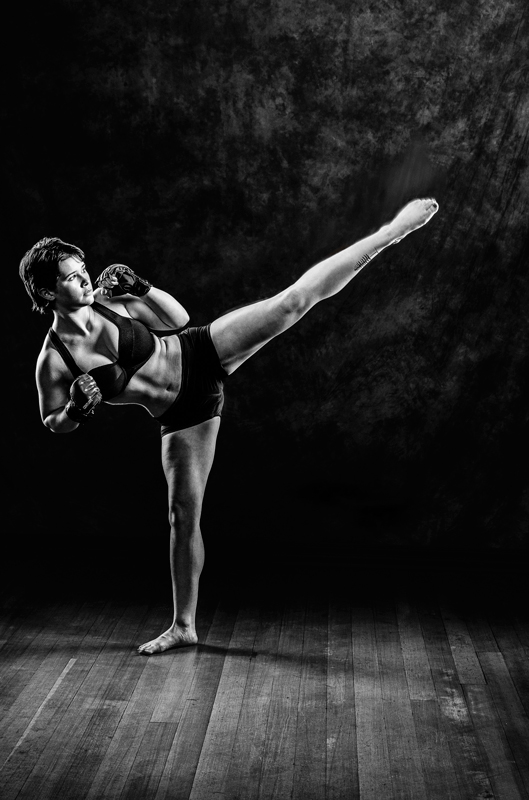
One of the easiest traps for photographers is to concentrate so heavily on making a technically impressive image that the idea gets forgotten.
Great lighting can make a subject look dramatic. A striking pose can create a strong shape. An interesting background can make an image visually appealing.
But ask yourself what the photograph is actually saying.
If you are creating a personal project or a conceptual image, try to develop the idea before you start shooting. Think about what you want the viewer to notice, feel or understand.
This doesn’t mean you need a complicated story behind every photograph. Sometimes a simple idea can produce a much stronger image than an elaborate one.
The important thing is that there is a reason for the visual decisions you are making.
Use research to develop your ideas
If you’re struggling to come up with a concept, start researching.
Look at photography, but don’t restrict yourself to photography. Posters, films, paintings, fashion, graphic design, architecture, music and even everyday environments can all provide inspiration.
The aim isn’t to copy someone else’s work. Instead, look for things that trigger an idea.
Ask yourself:
- What catches my attention?
- What colours or lighting styles interest me?
- Is there a particular shape or composition I could explore?
- Can I combine two apparently unrelated ideas?
- Is there a story or event that could provide a starting point?
- What could I change to make the idea my own?
Sometimes one small detail is enough to get the creative process moving.
Give yourself something to work with
A concept doesn’t have to arrive fully formed.
You might start with a person, a location, a prop, a piece of music, a particular type of light or even a date in the calendar.
From there, start asking questions.
What else is associated with that subject? Can you introduce another idea that changes its meaning? Could you exaggerate something, remove something or place two contrasting ideas together?
This is where brainstorming can become useful.
Don’t worry too much about whether the first ideas are good. Write them down and keep going. One idea will often lead to another, and eventually you may find something that is worth developing.
Think about the whole image
Once you have a concept, consider how every element of the photograph can support it.
This includes:
- The subject
- Pose and expression
- Location or background
- Clothing and styling
- Props
- Lighting
- Colour
- Composition
- Typography, where appropriate
- Post-production and compositing
This is particularly important for commercial photography.
If you’re creating an advertising image or promotional artwork, the final photograph may need to work alongside a headline, logo or other graphic elements. The space you leave in the composition can be just as important as the subject itself.
Instead of taking the photograph first and trying to fit the design around it afterwards, consider the final piece from the beginning.
Let the lighting support the concept
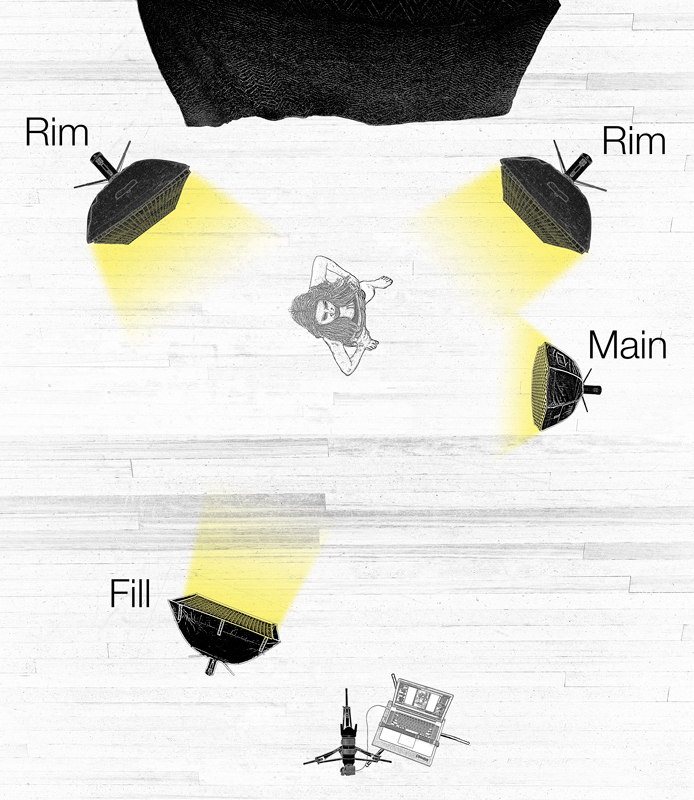
Lighting is one of the most powerful creative tools available to a photographer, but it should support the idea rather than become the idea by itself.
A dramatic lighting set-up can create atmosphere and depth, while softer light might produce something much more intimate.
Think about what the lighting is contributing.
Does it suggest a particular time of day? Does it create tension? Does it make the subject appear powerful, vulnerable, mysterious or isolated?
Once you know what you want the image to communicate, your lighting decisions become much easier.
This is also where technical experimentation can be useful. Test different positions, modifiers, ratios and backgrounds before the final shoot if you can.
Don’t be afraid to composite
Digital photography has made it much easier to combine elements from different photographs.
Compositing can be particularly useful when the concept you have in mind isn’t possible to capture in a single exposure.
You might photograph the subject in the studio and introduce a different environment afterwards. You could combine several exposures, add graphic elements or create an entirely fictional setting.
The important thing is that the compositing serves the concept.
Adding more elements doesn’t automatically make an image more creative. In fact, a simple composite with a strong idea can be much more effective than a complicated image containing lots of unrelated effects.
Working with background images
If you’re creating a composite, you may sometimes find that the background image isn’t particularly high resolution.
That doesn’t necessarily mean it can’t be used, particularly if the background will sit behind the main subject and isn’t intended to be the sharpest element in the image.
A background that is naturally soft or deliberately blurred can help hide some limitations in a lower-resolution source. It can also create a greater sense of depth by separating the background from the main subject.
However, don’t use this as an excuse to use unsuitable images. Whenever possible, start with the highest-quality source you can legally use and make sure you have the appropriate rights to use it.
If a heavily blurred background contains smooth areas of colour or tone, you may also encounter banding. Subtle noise or grain can sometimes help disguise these unwanted transitions and make the tonal changes appear more natural.
The principle is more important than the particular software or settings you use: understand what you’re trying to fix rather than relying on a preset recipe.
Remember that ideas have value
There’s another lesson here that’s particularly important for professional photographers.
When you’re working for a client, you’re not necessarily being paid simply to press the shutter.
Developing the concept, researching the idea, planning the shoot, working out the lighting and deciding how the final image should come together can all be part of the creative service you provide.
If a client is asking you to develop the visual concept for a campaign, make sure your pricing reflects that work.
Creative thinking takes time.
Look at the finished image as a whole
When you’ve finished an image, don’t only ask whether the photography is good.
Ask whether the idea works.
Is the lighting helping? Does the composition support the subject? Does the background belong there? Does the post-production strengthen the image or simply add effects? If there is typography, does it work with the photograph?
And most importantly, is there a reason for the viewer to stop and look?
A technically perfect photograph can still be forgettable. Equally, an image that isn’t technically perfect can sometimes be memorable because the idea behind it is strong.
The goal isn’t to choose between good photography and good concepts.
Ideally, you want both.
Give yourself time to think
Perhaps the biggest lesson when creating conceptual photography is not to rush straight to the camera.
Spend some time looking, researching, sketching, brainstorming and experimenting with ideas before you organise the shoot.
Once you have a strong concept, the technical decisions become much easier. You know what the lighting needs to do, what the subject needs to communicate and what elements you need to create the final image.
Good photography isn’t just about capturing what is in front of the camera.
Sometimes the most important part of the process happens before you pick the camera up.