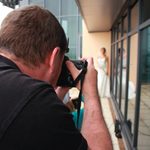
How to Become a Sports Photographer: Lessons from a Professional
Angela Adams talks to Ian Cook
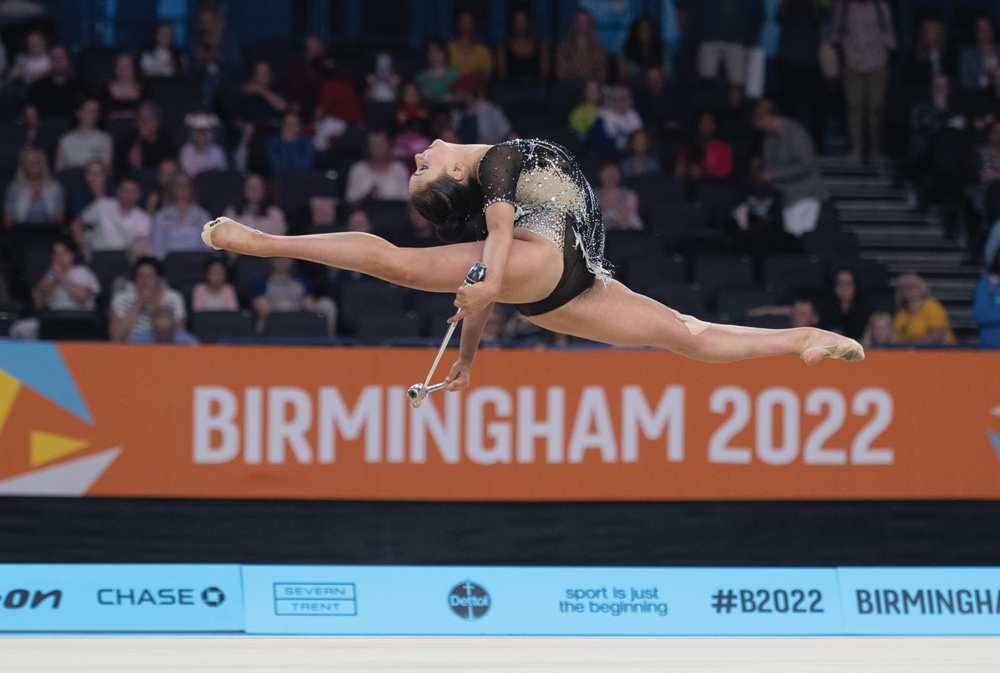
Professional sports photography can look like one of the most exciting jobs in photography.
You’re pitch-side at major matches, working at international competitions and travelling to some of the biggest sporting events in the world. You get to photograph athletes at moments when everything is happening at once.
But getting there takes considerably more than owning a long lens and a fast camera.
Sports photographer Ian Cook built his career gradually, working his way up, learning from established photographers and developing relationships that led to increasingly important assignments. His experience offers some useful lessons for anyone thinking about getting into professional sports photography.
Start by learning the craft
Ian’s interest in photography started when he was just seven years old, using his grandfather’s camera.
That early interest eventually developed into a career, but becoming established took time.
One of Ian’s key pieces of advice is to learn from photographers already working in the industry.
He spent years working his way up and listening to experienced professional sports photographers, learning how they worked and developing his own skills along the way.
That’s an important point for anyone starting out.
Professional sports photography isn’t simply about pressing the shutter at the right moment. You need to understand the sport, anticipate what is about to happen, work within restrictions, deal with clients and agencies, and consistently deliver images that meet a professional brief.
Those skills take practice.
You don’t become established overnight
Building a reputation in sports photography takes time.
Ian describes spending years working his way up from the bottom before establishing himself.
That can be difficult for photographers who are eager to jump straight into major assignments, but professional opportunities tend to follow experience and reputation.
Start with the opportunities available to you.
Local football, rugby, athletics, cycling, motorsport and other sporting events can provide valuable experience. You can learn how to position yourself, anticipate action, work quickly and deal with changing conditions without the pressure of a major international event.
Every assignment gives you another opportunity to improve.
Learn the sport, not just the camera
One of the challenges Ian highlights is photographing sports that he doesn’t have previous experience of covering.
When you’re unfamiliar with a sport, you don’t necessarily know where the important moments are going to happen.
You might miss an important piece of action simply because you weren’t expecting it.
Understanding the sport therefore becomes part of the photographer’s job.
Before covering an unfamiliar event, learn the rules.
Understand how the competition works.
Find out which athletes or teams are likely to be important.
Watch previous events.
Look at photographs taken by experienced sports photographers and consider where they positioned themselves and what moments they chose to capture.
The more you understand what is happening, the better prepared you are to anticipate it.
Sports photography is about more than action
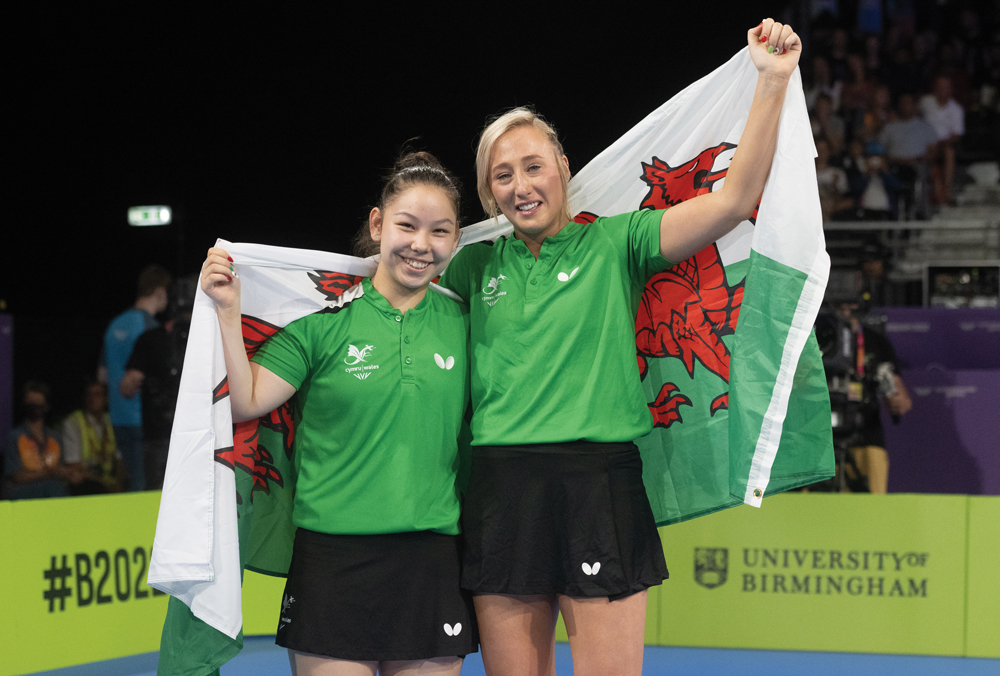
Ian describes his portfolio as being heavily focused on sport and action, but he also makes a point of photographing the wider story.
That includes:
- Fans and supporters
- Atmosphere
- Reactions
- Celebrations
- Disappointment
- Behind-the-scenes moments
- Sporting environments
- Commercial and advertising images
This is an important lesson when building a sports photography portfolio.
A portfolio containing 50 photographs of athletes running, jumping or kicking a ball may demonstrate technical ability, but it doesn’t necessarily demonstrate your ability to tell the story of an event.
Think beyond the obvious action.
What does the event feel like?
What are the spectators experiencing?
What happens immediately before and after the big moment?
Those photographs can give your portfolio much more variety.
The decisive moment still matters
Of course, action remains at the heart of sports photography.
You need to anticipate the moment rather than simply react to it.
By the time you see something happen, it may already be too late.
This is where practice becomes so important.
Spend time photographing local sport and concentrate on predicting what is going to happen next.
Don’t just follow the ball.
Watch the players.
Look at body language.
Anticipate the tackle, jump, celebration or finish.
The more familiar you become with a sport, the more accurately you can predict where the important moments will occur.
For more on the technical side of capturing fast-moving action, see our guide to [sports photography timing, shutter speeds and lenses] and our advice on [capturing the decisive moment].
You don’t need every piece of equipment
One of Ian’s most straightforward pieces of advice to photographers starting out is not to buy everything at once.
It is easy to look at professional sports photographers and assume that you need an expensive camera body, multiple professional zooms and a huge telephoto lens before you can begin.
You don’t.
Start with the equipment you have and learn to use it properly.
As your experience develops, you’ll discover which limitations are actually holding you back.
Perhaps you need a longer lens.
Perhaps you need a faster lens because you’re regularly working in poor light.
Perhaps your camera’s autofocus or high-ISO performance is becoming a limitation.
Those are much better reasons to invest than simply seeing another photographer using expensive equipment.
Ian’s own love of his 400mm lens is understandable — long telephoto lenses are an important part of professional sports photography — but there is little point buying expensive equipment before you have the experience and work to justify it.
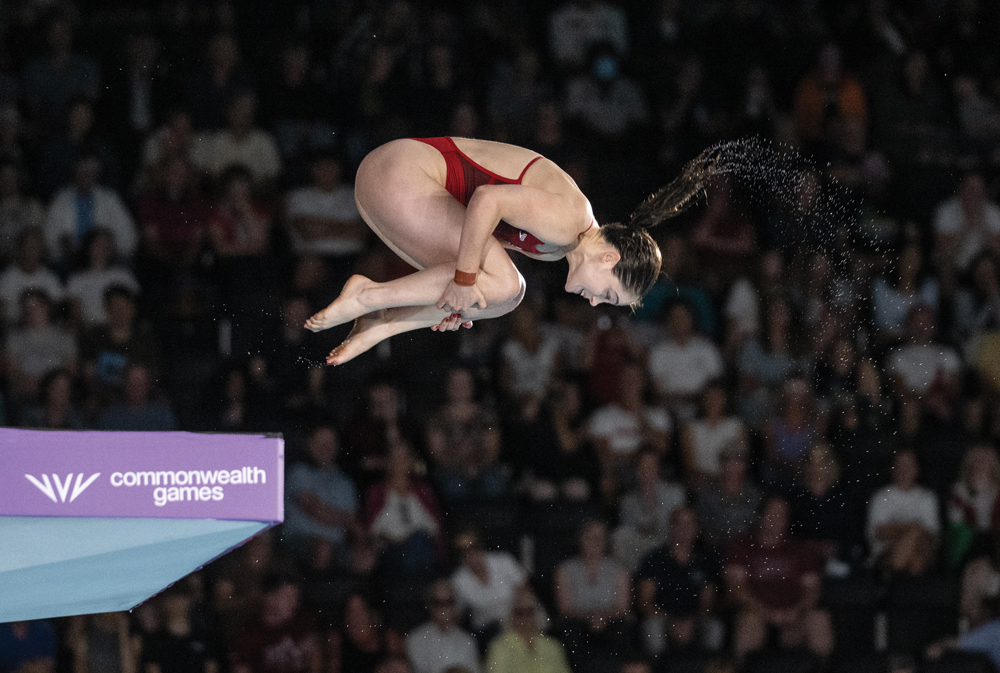
Build relationships as well as a portfolio
Ian says that much of his work comes through word of mouth.
That’s a valuable lesson.
A good portfolio might get you noticed, but relationships can lead to repeat assignments.
Be professional.
Turn up when you say you will.
Understand the brief.
Deliver your images when promised.
Be easy to work with.
Respect the venue, athletes, organisers and other photographers.
People remember photographers who make their lives easier.
Over time, those relationships can lead to further opportunities.
Consider working with agencies
Ian also works with CameraSport, a sports image library, and has experience covering major sporting events for agencies and clients.
Working through an agency can provide photographers with opportunities that would be difficult to create independently.
It also introduces another important part of professional sports photography: you aren’t necessarily photographing solely for yourself.
The images may need to meet a particular brief and be supplied quickly in a specific format.
Understanding how agencies work, how images are captioned and delivered, and how licensing works is therefore just as important as getting the photograph itself.
Accreditation and access matter
One of the biggest differences between photographing a local sports event and photographing a major international competition is access.
At high-profile events, photographers may work within strict accreditation, position and equipment rules.
You cannot simply turn up at a major football match or international tournament and walk to the best position.
Access is controlled by organisers, governing bodies, clubs, agencies and media organisations.
This is another reason why building experience and professional relationships matters.
Before worrying about photographing the biggest events in the world, concentrate on producing strong work at the events you can access.
Major sporting events create different challenges
Ian describes major events as some of the most challenging assignments because there can be so much happening at once.
An official team photographer may be expected to cover multiple events involving the same team or group of athletes.
That can mean moving between venues, covering heats as well as finals and trying to anticipate which competitors will progress.
There is also a simple physical challenge.
You can’t be everywhere.
The key is therefore preparation.
Study the schedule.
Know where you need to be.
Allow time to move between locations.
Understand which events are priorities.
And have a plan for what happens if things don’t go according to schedule.
Be prepared to work in difficult conditions
Sports photography isn’t always glamorous.
Sometimes you’re sitting outside for hours in freezing rain.
Sometimes you’re working late at night.
Sometimes you’re carrying heavy equipment around a venue all day.
Sometimes the light is terrible and the action is happening in the least convenient place imaginable.
Ian admits that those cold, wet Tuesday-night matches aren’t necessarily his favourite assignments.
But that is part of professional sports photography.
If you’re serious about making it a career, you need to enjoy the photography enough to accept the less enjoyable parts of the job.
Understand image rights
There is another important lesson in Ian’s comments about competitions.
Just because you took a photograph doesn’t necessarily mean you’re free to use it however you want.
When working for clients, agencies, teams or publications, the rights associated with an image can depend on the agreement under which it was created.
Ian points out that he sometimes has to obtain permission before entering an image into a photography competition.
This is an important consideration for any professional photographer.
Understand who owns the copyright, what usage rights have been granted and whether you are permitted to use the photograph for your own promotion, competitions, exhibitions or other purposes.
If you’re unsure, check the agreement rather than assuming that taking the photograph automatically gives you unrestricted permission to use it.
Your portfolio should show what you can offer
If you want to work professionally in sports photography, your portfolio needs to do some of the selling for you.
Don’t simply include every good photograph you’ve taken.
Be selective.
Show the quality of your action photography, but also demonstrate your ability to capture the atmosphere and story around an event.
If you want to work in football, make sure your portfolio contains strong football images.
If you’re interested in motorsport, show motorsport.
If you want to work commercially with sports brands, include work that demonstrates your ability to create images suitable for advertising.
Make it easy for a potential client to understand what you can do.
Don’t be afraid to diversify
Although Ian is best known for sports photography, he also recommends being open to working in different genres when necessary.
That’s good business advice.
Specialising can help you become known for a particular type of photography, but being able to work across different genres can create additional opportunities.
Sports photographers may find opportunities in:
- Commercial photography
- Corporate photography
- Portraits
- Events
- PR photography
- Advertising
- Editorial photography
The skills you develop in one area can often transfer into another.
Learning to work quickly, handle unpredictable situations and communicate with clients are useful skills far beyond sports photography.
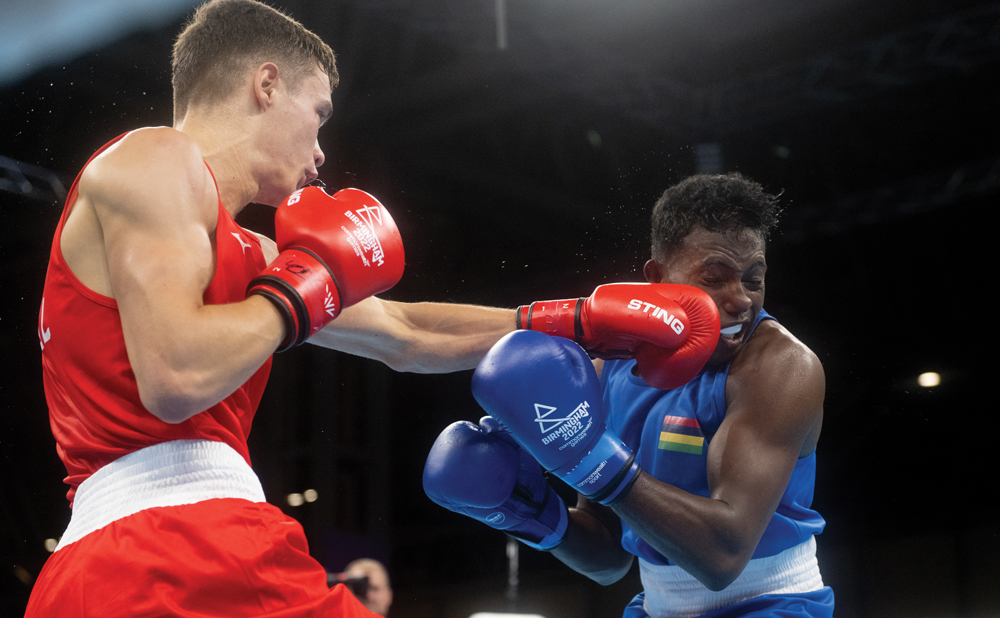
What does it take to become a professional sports photographer?
There isn’t one route into sports photography.
Some photographers start by assisting or working alongside established professionals. Others build portfolios by photographing local events and gradually move towards larger assignments.
Whatever route you take, the fundamentals remain similar.
Learn your equipment.
Learn the sport.
Practise constantly.
Build a strong portfolio.
Make professional connections.
Take opportunities when they arise.
Invest in equipment as your work demands it.
And perhaps most importantly, don’t expect everything to happen immediately.
Ian Cook’s career is a good example of what can happen when a photographer combines a genuine passion for sport with patience, experience and professional relationships.
The glamorous photographs from the world’s biggest sporting events are only the visible part of the job.
Behind them are years of practice, early starts, long journeys, difficult weather, careful preparation, missed moments, successful moments and a constant need to keep learning.
If you want to become a sports photographer, start where you are.
Find a sport you love.
Pick up the camera.
Go and photograph it.
Then keep getting better.