Food Photography Inspiration: Alessandra Bartoloni on Light, Style and Storytelling
Angela Adams talks to Alessandra Bartoloni
Food photography is about much more than making a dish look appetising.
At its best, it can tell a story, evoke a memory and create an emotional response before the viewer has even tasted the food.
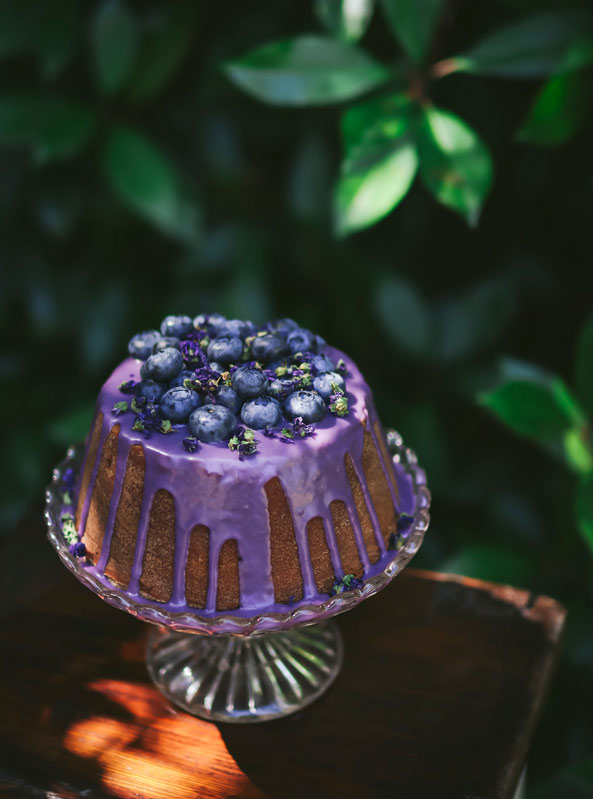
For Alessandra Bartoloni of Dark Food Tales, food photography is a way of turning ideas, emotions and memories into something tangible.
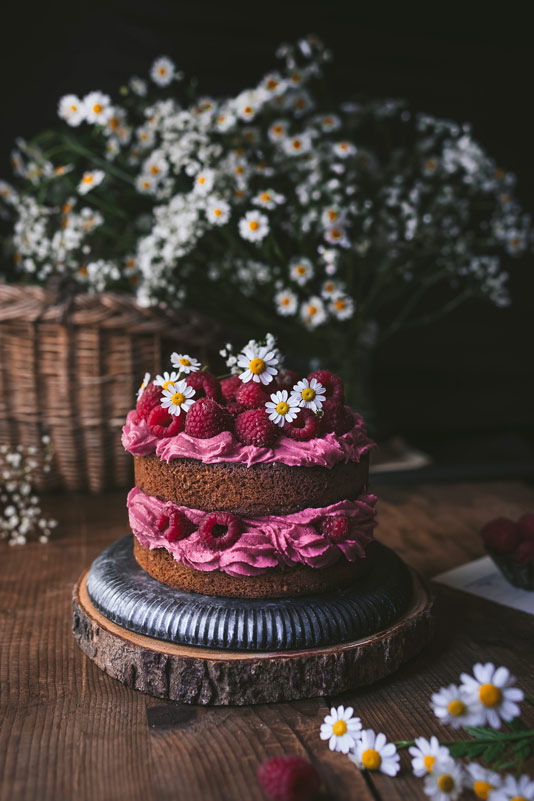
Based in Tuscany, Alessandra has developed a distinctive style built around dramatic natural light, carefully considered colours and atmospheric food storytelling.
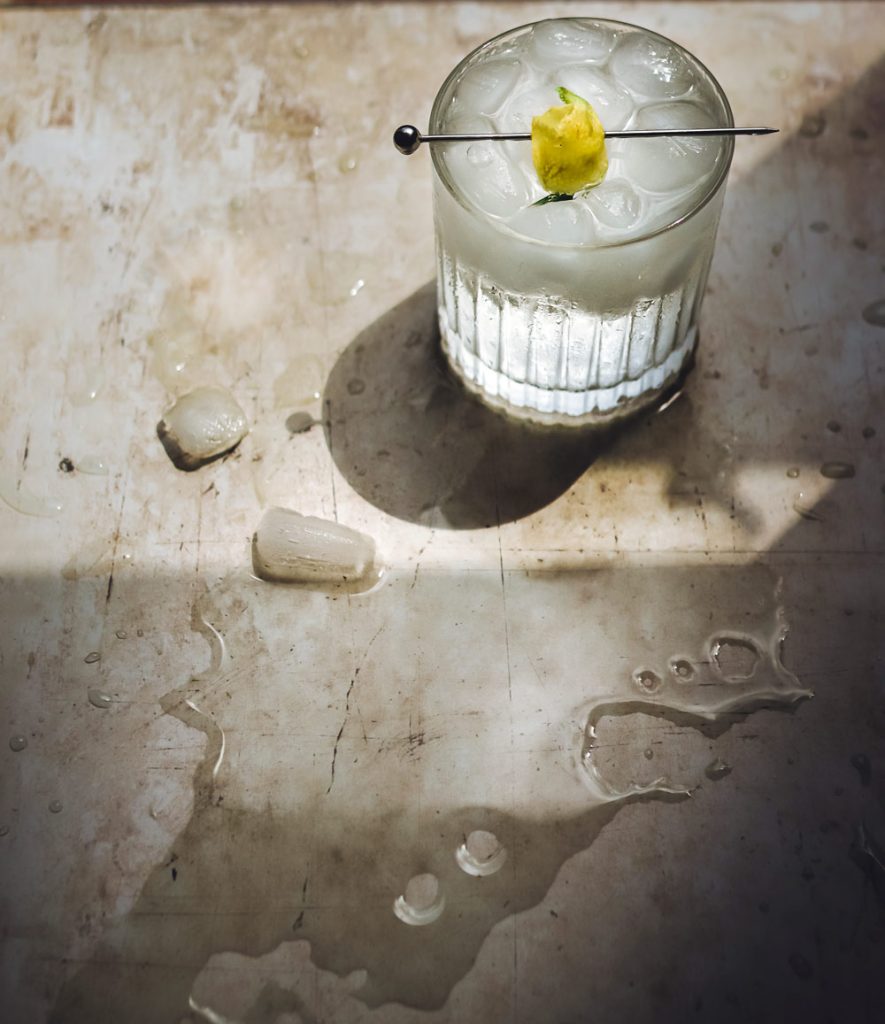
Her work recently received international recognition when she won the World of Drinks category at the 2025 World Food Photography Awards.
FSWPP Grand Master Photographer Angela Adams spoke to Alessandra about her photographic journey, her approach to lighting and styling, and how she has developed her own visual voice.
Finding a voice through photography
Alessandra’s journey into photography began with a need to express herself without words.
“I started taking photos because I needed a way to express myself without using words,” she explains.
For her, photography became a way of turning an idea or emotion into something visible and tangible.
Although she had been fascinated by photography since childhood — her father was an enthusiastic and talented photographer — she didn’t begin taking food photography seriously until 2020.
She now wishes she had started sooner.
That feeling of discovering photography later in life is something many photographers will recognise. There is often a temptation to compare your journey with people who started earlier, but Alessandra’s experience is a reminder that finding your photographic direction can happen at any stage.
Why natural light is so important
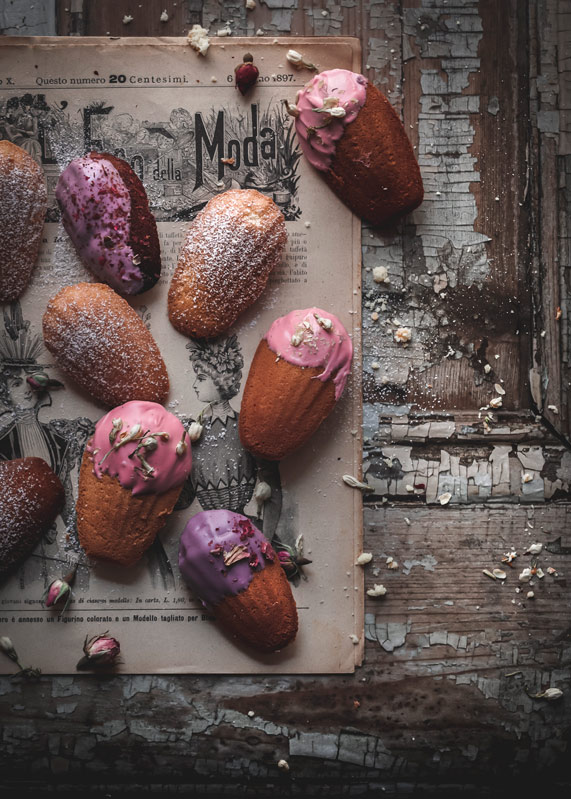
Light is central to Alessandra’s photography.
Whenever possible, she prefers to work with natural light rather than supplementary lighting.
For her, natural light isn’t simply a technical choice.
It contributes to the mood and authenticity of the image.
“It’s unpredictable, alive, and never the same twice — just like the dishes I photograph.”
That unpredictability is part of the attraction.
Rather than completely controlling the light, Alessandra works with what is available and uses it to create an atmosphere around the food.
When sunlight becomes too harsh, she uses a diffuser to soften it while maintaining the natural quality she wants.
This is a useful reminder for photographers experimenting with food photography: you don’t necessarily need an extensive lighting setup to create compelling images.
Understanding the light you already have can be just as important as owning additional equipment.
The importance of colour and backgrounds
Alongside light, Alessandra pays particular attention to the relationship between the food and the background.
Her photography backdrops are among the pieces of equipment she wouldn’t want to work without.
Choosing the right colour isn’t simply an aesthetic decision.
For Alessandra, the combination of food, backdrop and light helps the subject communicate something to the viewer.
The right background can elevate the dish, create contrast and contribute to the overall story of the photograph.
This is particularly important in food photography, where styling, colour and composition all work together.
Photographing memories as well as food
If Alessandra could photograph anyone or anything, she wouldn’t choose a famous chef or restaurant.
She would photograph her grandmother cooking.
Some of her most treasured memories are of her grandmother in the kitchen — the rhythm of her hands, the smells and the atmosphere surrounding those simple moments.
She wishes she had photographs of those experiences.
That desire to preserve memories is part of what makes her approach to food photography so personal.
For Alessandra, food isn’t simply a subject.
It connects people, places, memories and emotions.
The photograph that started it all
One of Alessandra’s favourite photographs is also one of her earliest: an image of carrot popsicles.
Looking at the photograph now, she can immediately see things she would change.
The lighting could be improved. The framing could be different. The composition could be stronger.
But none of that diminishes its importance.
It reminds her of the happiness she felt when she first saw an idea become a physical photograph.
More importantly, it represents the moment she realised she wanted to use photography to tell stories.
It’s a useful lesson for photographers looking back through their own archives.
Your earliest work may not be your most technically accomplished, but that doesn’t mean it isn’t important.
Sometimes a photograph matters because of what it represents rather than how perfect it is.
Winning a World Food Photography Award
Alessandra’s proudest photographic achievement so far came in 2025, when she won the World of Drinks category at the World Food Photography Awards.
The recognition came as an unexpected achievement, particularly because she was being judged alongside photographers whose work she had admired for years.
For Alessandra, the award provided more than recognition.
It gave her confidence to continue developing her work.
Awards can be valuable milestones for photographers, but perhaps their greatest benefit is the reassurance they can provide when you’re still finding your voice.
Learning from other photographers
Alessandra credits Francesco Pruneddu as one of the people who made the biggest difference to her photographic journey.
In 2020, he introduced her to food photography through her first food photography course.
She describes him as an artist, photographer, pastry chef and friend, and says he taught her almost everything she knows about the genre.
This highlights another important part of developing as a photographer: finding people whose work inspires you and being willing to learn from them.
Photography can be a solitary profession, but nobody develops their craft entirely alone.
Don’t try to become somebody else
Perhaps Alessandra’s most important advice to photographers is also the simplest.
Find your own style.
Trying to become somebody you’re not won’t make you a better photographer.
Forcing yourself into a particular visual style because it is popular or because you think it will make people like your work isn’t necessarily the route to a successful photographic career.
Some people won’t like your photographs regardless of what you do.
So why not make photographs that you genuinely love?
For Alessandra, appreciating your own photographs is the real measure of success.
That’s particularly relevant in an age when photographers are constantly exposed to other people’s work through social media.
It’s easy to compare.
It’s much harder — and ultimately much more rewarding — to develop your own visual language.
What’s next for Alessandra?
For now, photography remains closely connected to the things Alessandra loves most: family, travel, food, coffee and the process of creating photographs.
Her approach is a reminder that a strong photographic identity doesn’t necessarily come from following trends.
It can come from looking closely at the things that genuinely interest you and finding a way to photograph them in your own way.
Whether you’re an established food photographer or someone experimenting with the genre for the first time, her advice is worth remembering:
Take your time. Study the light. Stay curious. Photograph what genuinely moves you.
That’s where your own photographic voice begins.
Alessandra Bartoloni — Quickfire
City or country? Country
Starter or pudding? Starter
Sunrise or sunset? Sunrise
Chocolate or cheese? Cheese
Coffee or tea? Coffee
Books or films? Films
About Alessandra Bartoloni
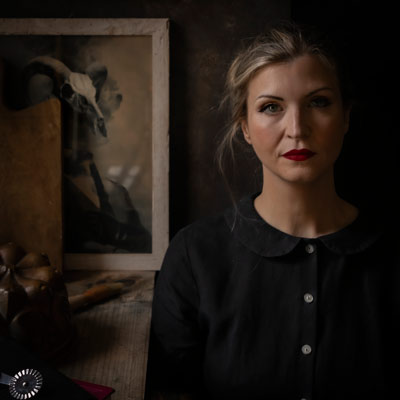
Alessandra Bartoloni is the photographer behind Dark Food Tales, based in Tuscany, Italy. Her food photography combines dramatic natural light, considered styling and atmospheric storytelling.
In 2025, she won the World of Drinks category at the World Food Photography Awards.
Instagram: @alessandra_darkfoodtales