
Storytelling in Photography: How to Give Your Photos a Voice
By Anne Thomas

There is a particular kind of magic that happens when someone stops scrolling, pauses on one of your photographs and stays for a moment before moving on.
It isn’t always about the lighting, the lens or whether the image has been edited to perfection.
Often, it’s about the story the viewer sees.
And that story will be different for everyone.
Storytelling is what can turn a technically good photograph into an image that lingers. Something that makes people feel, remember, wonder or connect.
Whether you’re a professional photographer or simply someone who loves having a camera in your hands, learning to tell stories through photography can give your images greater depth and meaning.
What Is Storytelling in Photography?
Photographic storytelling doesn’t mean that every image needs to contain an obvious beginning, middle and end.
You don’t need to create a five-part Netflix drama in every frame.
Instead, think about emotion, atmosphere and suggestion.
A storytelling photograph might make the viewer wonder what happened just before the shutter was pressed, what is about to happen next or what the person in the frame is feeling.
Sometimes the story is obvious.
Sometimes it is barely there.
The important thing is that the image gives the viewer something to discover.
Why Storytelling Matters in Photography
Anyone can take a technically sharp photograph.
Modern cameras and smartphones make it easier than ever to produce images that are correctly exposed, well focused and visually pleasing.
But technical perfection doesn’t automatically create an emotional connection.
A photograph can have beautiful light and perfect composition and still leave the viewer feeling nothing.
Another photograph might be slightly soft, imperfectly composed or contain some motion blur, yet stay in someone’s mind for years.
The difference is often the story.
For professional photographers, this can be particularly important. Clients aren’t simply buying photographs. They’re buying memories, experiences and the way those photographs make them feel.
For hobbyists, storytelling can make personal photography more rewarding too.
It gives you a reason to photograph something beyond simply recording what it looked like.
Start Asking Better Questions
One of the easiest ways to introduce more storytelling into your photography is to change the questions you ask when you pick up your camera.
Instead of asking:
What does this look like?
Try asking:
- What happened just before this moment?
- What’s about to happen next?
- What might this person be feeling?
- What do I want the viewer to feel?
- What is happening outside the frame?
- What detail could make this moment more meaningful?
These questions can shift you from simply documenting a scene to actively looking for its story.

Look for the Layers in an Image
Storytelling often lives in the details.
A half-drunk coffee sitting on a table.
Scuffed shoes.
A child’s discarded toy.
The shadow of someone just outside the frame.
An unfinished plate of food.
A handwritten note.
None of these things necessarily need to be the main subject of the photograph.
But they can provide clues.
Composition, light, body language and the environment all contribute to the story.
Consider how your subject is positioned.
Are they moving towards the light or away from it?
Are they looking directly at the camera or somewhere beyond it?
Does the light feel warm and comforting, or harsh and uncomfortable?
Is the environment tidy and controlled, or chaotic and lived-in?
Every decision communicates something.
Don’t Be Afraid of Imperfection
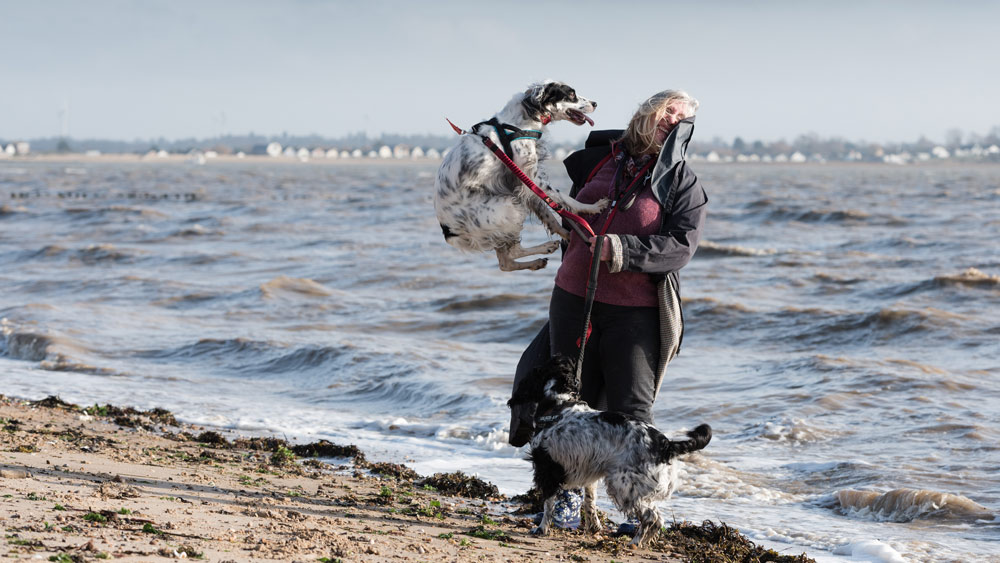
One of my favourite photographs was taken during a personal branding shoot with a woman who hated being in front of the camera.
She arrived nervous and apologetic, convinced she would look awkward in every photograph despite our earlier reassurances.
We were photographing at the beach when her energetic Springer Spaniel suddenly crashed into the shot.
Something changed.
The photograph we captured wasn’t technically perfect.
It was slightly soft and contained some motion blur.
But it was real.
You could feel the change in her.
And when it came to choosing her images, that was the photograph she selected as the hero image for her website.
That experience is a useful reminder that technical perfection isn’t always the priority.
Sometimes the photograph that tells the truth is more valuable than the photograph that ticks every technical box.
Use Emotion to Create Connection
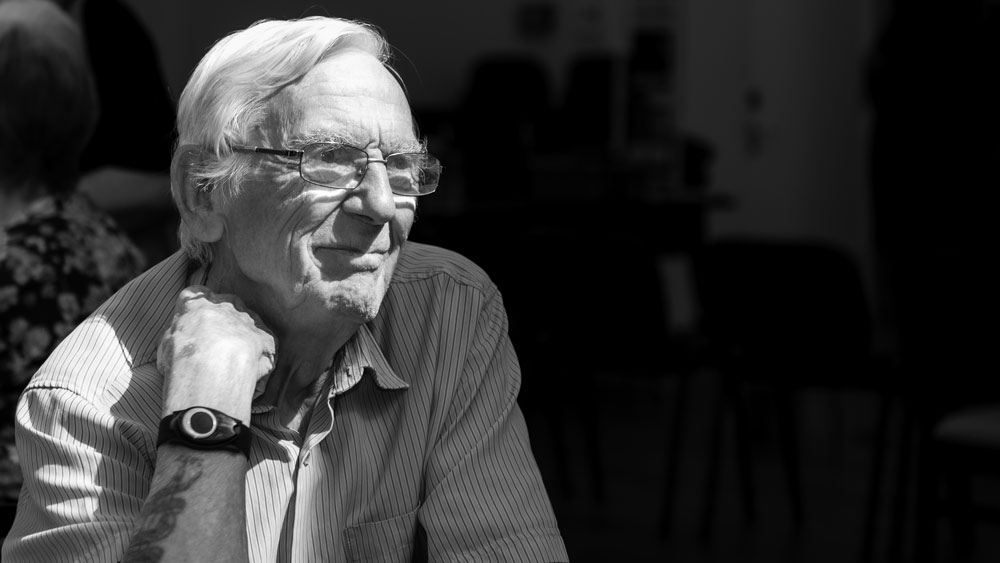
Storytelling works because humans naturally respond to stories.
We use stories to understand experiences, remember events and connect with other people.
The same principle applies to photographs.
A technically impressive image might make someone think:
“That’s lovely.”
But an emotional photograph can make them think:
“I know exactly how that feels.”
Or:
“What happened here?”
Or:
“That reminds me of…”
That emotional response is what can make an image memorable.
Storytelling and Photography Marketing
Storytelling is particularly powerful for photographers who are trying to attract clients.
Marketing can feel uncomfortable when you’re more comfortable behind the camera than in front of it.
Constantly telling people to BOOK ME! can quickly become exhausting.
Storytelling offers another way.
Instead of simply showing a photograph and saying that you had a great shoot, explain why the photograph matters.
Tell the story of the person.
Explain what they were nervous about.
Share something unexpected that happened.
Talk about why you love photographing this particular type of client.
The photograph becomes more than a portfolio image.
It becomes evidence of an experience.
Turn Your Captions Into Stories
Imagine you’re a personal branding photographer and you’ve photographed a client called Sarah.
A straightforward caption might say:
“Lovely shoot with Sarah today.”
There’s nothing wrong with it, but it doesn’t tell the audience very much.
Instead, you could write:
“Sarah booked this shoot because she’s launching a new business after years of putting everyone else first. This is her time—and even though she wasn’t sure she was ready, she did it anyway.”
Suddenly, the photograph has context.
The audience knows something about Sarah.
They understand why the photographs matter.
And potential clients who are in a similar situation may recognise themselves in the story.
That’s the power of storytelling in photography marketing.
Your Story Matters Too
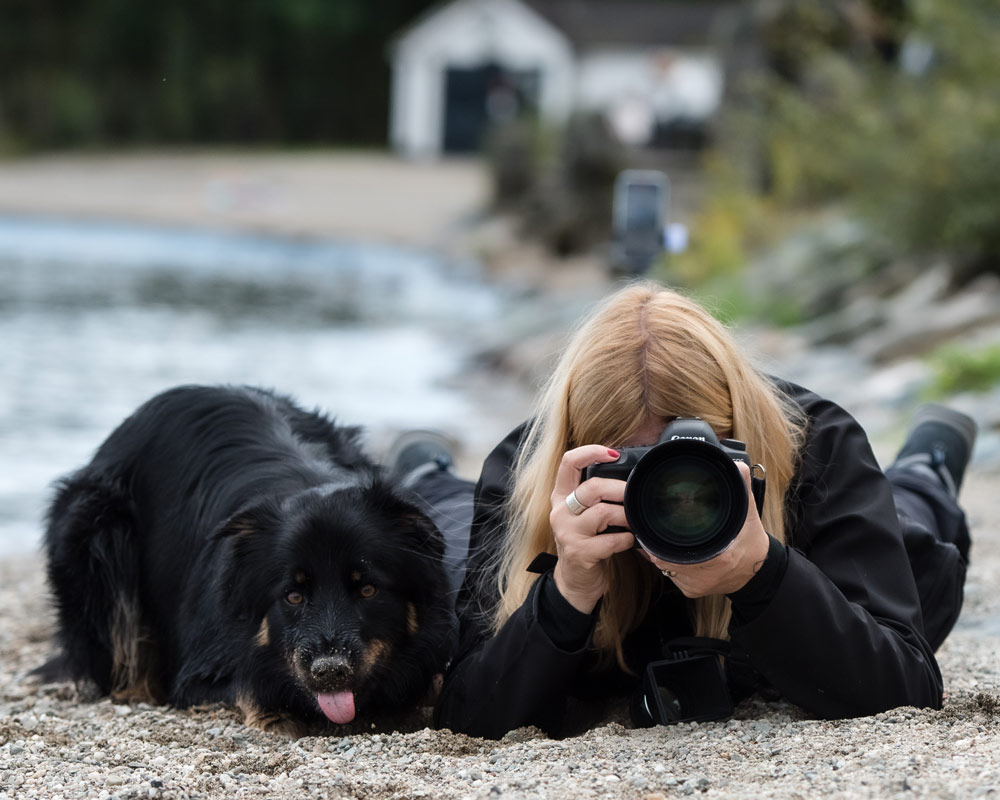
There’s another story photographers sometimes forget to tell: their own.
Your website doesn’t have to be entirely about your portfolio, prices and services.
People also want to know who they’re trusting with their photographs.
You don’t need to share every private detail of your life.
But you can talk about:
- Why you became a photographer
- What you love photographing
- Why you work with a particular type of client
- What you believe makes a great photograph
- What experiences have shaped your approach
- What you want your clients to feel
Your story can help potential clients understand whether you’re the right photographer for them.
And it can make writing your About page considerably easier.
What This Photograph Doesn’t Show
Here’s a simple exercise that can help you start thinking more deeply about storytelling.
Choose one photograph.
Then ask yourself:
What doesn’t this photograph show?
What was happening just outside the frame?
What did the location sound like?
What happened five minutes earlier?
What happened afterwards?
How were you feeling?
How was your subject feeling?
One of my favourite photographs shows a business owner walking through the woods with her dog.
It’s peaceful, beautifully lit and almost serene.
What the photograph doesn’t show is that she had just been venting about her teenage son.
It doesn’t show that five minutes later we were sitting in the car eating flapjacks.
The whole morning was a story.
The photograph is simply the highlight.
Once you start thinking this way, you begin to see your photographs differently.
You stop looking only for the aesthetically pleasing and start noticing what feels true.

A Simple Storytelling Photography Exercise
Try this challenge the next time you have your camera with you.
Tell the story of your morning
Take five photographs that tell the story of your morning without showing:
- Your face
- Your breakfast
- Your phone
Think about the details that reveal what happened.
A pair of shoes by the door.
Morning light across the kitchen.
A coffee cup.
A school bag.
Rain on the window.
A messy desk.
A train ticket.
The exercise forces you to think about how individual images can communicate information without simply showing the obvious subject.
More Storytelling Photography Exercises
Once you’ve tried the first exercise, experiment with some of these:
Photograph an ordinary moment as though it were a short story.
Look for the details that would normally be overlooked.
Create a series around one emotion.
Choose something such as joy, uncertainty, nostalgia or anticipation and photograph different interpretations of that feeling.
Use “What this photo doesn’t show…” as a caption prompt.
Choose a photograph you’ve already taken and write about everything happening outside the frame.
Photograph the same subject before, during and after an event.
Instead of searching for one perfect image, create a sequence that allows the viewer to understand what happened.
You Don’t Need to Reinvent Your Photography
Storytelling doesn’t mean completely changing the way you photograph.
You don’t necessarily need new equipment, a different camera or a more complicated editing workflow.
It starts with looking differently.
Pause.
Observe.
Ask questions.
Notice the details.
Think about what happened before the moment and what might happen afterwards.
Most importantly, care about what you’re photographing.
In a Nutshell
You don’t need to reinvent the wheel to bring storytelling into your photography.
You simply need to:
Be curious.
Pause.
Notice.
Care.
Whether you’re a professional photographer trying to stand out in a crowded market or a hobbyist who wants your images to have more meaning, storytelling can make the difference between a photograph that looks nice and one that says something.
Because photography isn’t just about what something looks like.
It’s about what it means.
And that’s where the magic is.
About the Author

Anne Thomas is a personal branding photographer and storytelling mentor who helps small business owners and photographers use story to attract their ideal clients without relying on uncomfortable sales tactics.
She is the creator of The Conversion Story, an online course designed to help businesses use photography and words as powerful marketing tools, and hosts masterclasses for business owners who want to sell through story rather than stress.
When she’s not behind the camera, she’s drinking coffee, doing handstands or planning her next challenge.
Website: annethomasphotography.co.uk