
Meet the Judges: Tracey Lund FSINWP
Award-Winning Wildlife Photographer, Conservation Advocate and Society Judge.
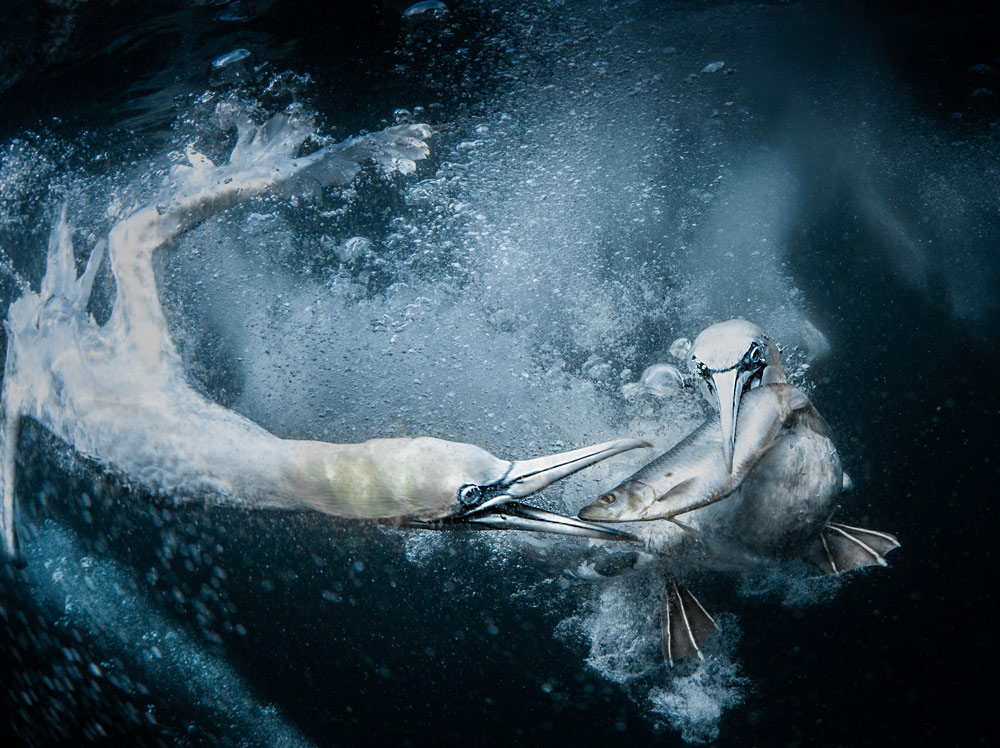
From the plains of Africa to the rivers of Alaska, wildlife photographer Tracey Lund FSINWP has spent years capturing some of nature’s most powerful and intimate moments. Renowned for her striking wildlife imagery and commitment to ethical photography, Tracey is also a respected judge for The Society of Photographers, helping to assess images entered into our Monthly Image Competition and Qualifications programme.
In this edition of Meet the Judges, Tracey shares the story behind her photography journey, unforgettable encounters with some of the world’s most iconic animals, and what she looks for when evaluating competition images.
A Passion for Wildlife
Tracey’s love of wildlife and photography began at an early age.
“I’ve always loved wildlife since I was a small child, and I can always remember having a camera in my hand,” she explains.
However, it was a significant moment in her personal life that ultimately led her to pursue photography more seriously.
“At the turn of the millennium, I ended a very toxic relationship. My nan bought me my first SLR camera, and I booked a dream trip to Africa. Being behind the camera helped me forget everything going on in my life. From that point on, I saved hard and travelled near and far to photograph wildlife—and the rest is history.”
Photography quickly became more than a hobby. It became a way to connect with nature, travel the world, and create images that tell powerful stories about wildlife and conservation.
Capturing Connection
For Tracey, wildlife photography is about far more than simply documenting animals.
“There’s no better feeling than being accepted into their environment,” she says. “I try to capture their personality and the connection I feel when photographing them.”
Patience plays a huge role in the process.
“Sometimes you wait for hours for a single glimpse, but when it happens—it’s magical.”
Among her favourite subjects are the world’s big cats.
“Leopards, lions, tigers and lynx are probably my favourites. Making eye contact with them is hard to describe. Seeing their strength up close, especially hearing the roar of a lion, makes your hair stand on end.”
Encounters Never Forgotten
Over the years, Tracey has experienced countless memorable wildlife encounters, but a few remain especially close to her heart.
One such moment took place in India while photographing tigers.
“We came upon a tiger cooling off in a pool with no other vehicles around. After he left, we waited and eventually he returned, walking along an embankment right beside our vehicle. I started taking photographs, but he came so close I couldn’t fit him into the frame.”
As the tiger approached, Tracey lowered her camera and simply experienced the moment.
“He looked straight at me. His paws were bigger than my head. He walked past so close I could have reached out and stroked him. Thinking about it still makes me emotional.”
Another unforgettable experience happened in Alaska.
“A huge male bear walked right up behind me and sat down next to me by the river. We were told to stay calm, so I just sat there saying ‘Hey Bear’ in a soothing voice. He was completely relaxed and simply watching the other bears. It was an incredible feeling to be accepted into his world.”
Photography with Purpose
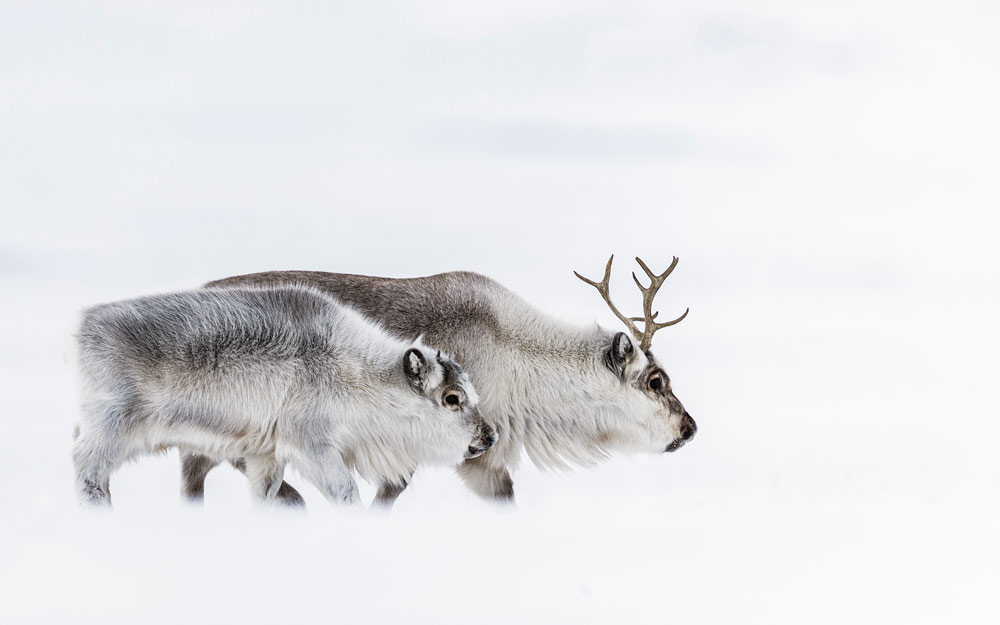
Conservation remains central to everything Tracey does.
She actively supports locations and operators that reinvest in local communities and wildlife conservation initiatives.
“All the locations I visit, I ensure money goes back into the community, which in turn helps the wildlife.”
She also takes responsibility for the environmental impact of her travel.
“I calculate my carbon footprint and donate to charities that purchase land to protect habitats.”
Photography competitions can also play an important role in conservation by raising awareness of endangered species and environmental issues.
“Competitions such as the Remembering Wildlife series help raise both awareness and funds. I’ve also had charities request to use my images to support their causes.”
Joining the Judging Team
For Tracey, becoming a judge with The Society of Photographers was both an opportunity to give back and a chance to continue learning.
“I wanted to understand what judges look for, to help improve my own work. Once I reached a certain level, I felt it was time to give something back and help others.”
Being part of the judging panel has given her a deeper appreciation of image assessment and the standards required for successful competition entries.
“I’ve learned so much from the judging team. It’s like a family, and as a wildlife photographer I’ve really felt accepted, which hasn’t always been the case in other organisations.”
What Makes a Winning Wildlife Image?
When reviewing competition entries, impact is one of the first things Tracey notices.
“That initial reaction is important. It pulls you in.”
Once an image captures her attention, she begins looking more closely at the technical and creative elements.
“I look at the centre of interest, composition and lighting. Wildlife isn’t always where you want it to be, so making the best of the situation is key.”
Sharpness remains particularly important.
“The eyes should always be sharp because that’s what people notice first.”
Storytelling is another critical factor.
The images that stand out often communicate something beyond the subject itself, creating an emotional connection with the viewer and revealing a moment that may never be repeated.
The Importance of Ethics
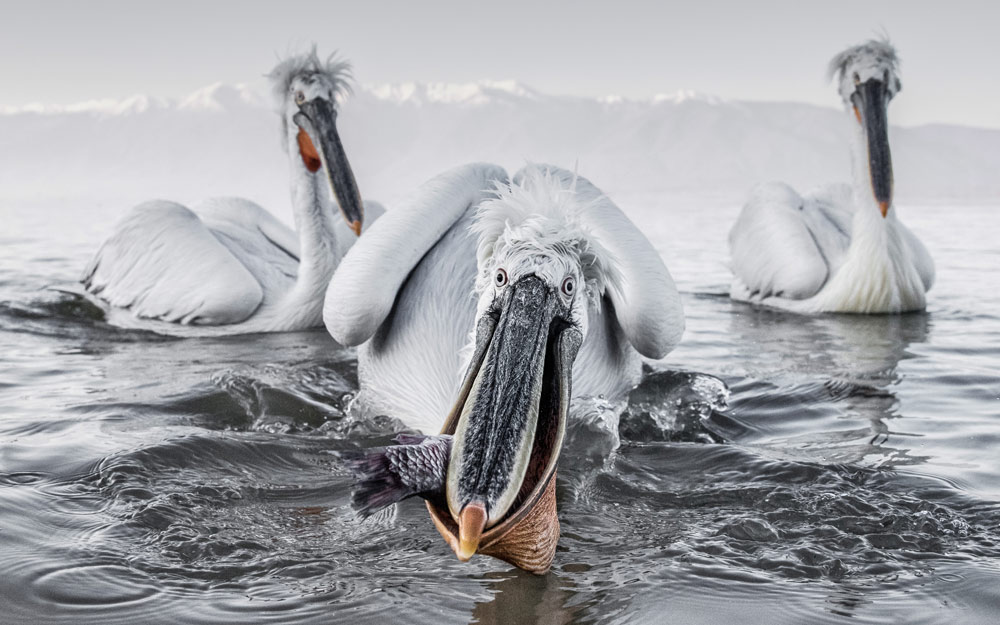
Ethics are a major consideration in wildlife photography and can influence how an image is perceived.
“You can often tell how an image was taken, especially with hides or baiting. The body language or eyes of an animal can reveal if something wasn’t right.”
For Tracey, respecting wildlife and following competition rules is non-negotiable.
“If rules are broken, it shows.”
Common Mistakes Photographers Make
One of the most common issues Tracey sees in competition entries relates to post-processing.
“Swapping skies or blurring backgrounds in editing is a common one, especially when it’s done poorly.”
She believes photographers should focus on getting the image right in-camera wherever possible.
“You can often spot the original background around feathers or fur. You don’t need a super-blurred background. Use the correct aperture in-camera. Less is more with wildlife images.”
Natural-looking editing often allows the strength of the subject and the moment itself to shine through.
Advice for Aspiring Wildlife Photographers
For photographers looking to improve their wildlife work, Tracey’s advice is simple: get out and shoot.
“Be around like-minded people, attend workshops, and learn from others.”
She also encourages photographers to take advantage of educational opportunities available through The Society of Photographers, including photographic webinars, mentoring opportunities, conventions and image competitions.
“Once you’re confident, enter competitions or try mentoring sessions. They can teach you so much.”
Final Thoughts
Tracey Lund’s journey demonstrates how photography can become far more than a creative outlet. It can be a source of healing, a pathway to adventure, a connection with nature and a powerful tool for conservation.
Through her work behind the camera and her role as a judge, she continues to inspire photographers to create images with impact, integrity and purpose.
Whether photographing a tiger in India, a bear in Alaska or assessing images in competition, Tracey’s passion for wildlife remains at the heart of everything she does.
Check out this article on what the judges are looking for.
About Tracey Lund FSINWP
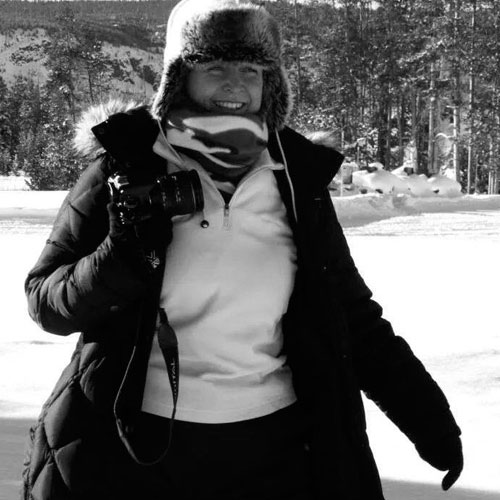
Tracey Lund FSINWP is an internationally recognised wildlife photographer whose work has earned numerous awards and accolades. Known for her striking images of big cats, bears and other wildlife species, she is passionate about ethical wildlife photography and conservation. Tracey regularly serves as a judge for The Society of Photographers’ image competitions and qualifications programme, helping photographers develop their craft and achieve higher standards in image-making.