Five Tips to Improve Your Awards Photography
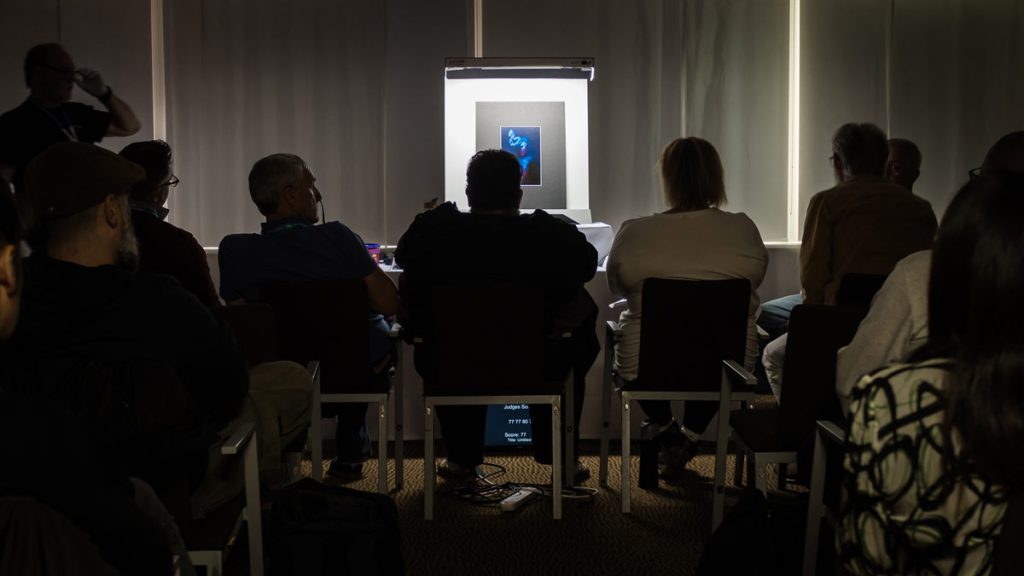
Entering photography competitions can be one of the fastest ways to grow creatively and technically as a photographer. Whether you photograph pets, portraits, weddings, landscapes or commercial work, competition judging teaches you to look at your images differently, not just as a client would see them, but as an image-maker striving for excellence.
Drawing from insights shared by photographer Jessica Govern, here are five practical tips to help strengthen your competition entries and improve your results.
1. You Can’t Polish a Bad Image
It’s a blunt phrase, but it’s true.
No amount of Photoshop magic, overlays, effects or dramatic editing can completely rescue an image that lacks strong foundations. Judges can usually tell when an image relies heavily on post-production to compensate for weak lighting, messy composition or poor capture technique.
If an image is:
- Flat and lacking depth
- Cluttered or distracting
- Poorly lit
- Technically weak
- Over-retouched
…then it’s unlikely to score highly, regardless of how engaging the subject might be.
Competition judges review thousands of images every year. They become highly attuned to lighting quality, composition, retouching consistency and technical execution. Strong competition images usually begin with a strong capture in-camera.
Before entering an image, ask yourself:
- Does the light enhance the subject?
- Is the composition intentional?
- Is the background helping or hurting the image?
- Would this image still work with minimal retouching?
A strong image should already have impact before editing begins.
For photographers looking to better understand how judges evaluate images, the guide on What the Judges Are Looking For is an excellent place to start.

2. Competition Work Needs to Go Beyond Standard Professional Practice
A good client image is not always a strong competition image.
That doesn’t mean your everyday work lacks quality. In fact, professional-standard photography is exactly what clients expect. However, competition judging often rewards images that push beyond standard professional practice into something more distinctive, impactful or memorable.
Judges are constantly asking:
- What elevates this image?
- What makes it stand out?
- What demonstrates exceptional skill, creativity or vision?
This “next level” can come from:
- Exceptional lighting
- Powerful storytelling
- Strong emotional impact
- Unique perspective
- Excellent colour harmony
- Refined retouching
- Memorable composition
Sometimes the difference is subtle. An image may technically tick every box, but another image simply has more presence, atmosphere or visual strength.
The challenge for photographers is recognising where their own work sits. One of the best ways to develop that understanding is by regularly studying award-winning images and entering competitions consistently.
The Monthly Image Competition provides photographers with valuable feedback, inspiration and benchmarking opportunities across multiple genres.
You also begin to develop a stronger instinct for identifying:
- Below professional practice
- Early professional practice
- Standard professional practice
- Above professional practice
- Award-winning work
The more images you analyse, the easier it becomes to understand what separates a solid image from an exceptional one.
3. Impact Matters – But Technical Quality Still Counts
An image with strong impact can immediately grab attention, but impact alone won’t necessarily carry an image through judging if technical issues are present.
Common technical issues judges notice include:
- Incorrect focus placement
- Poor depth-of-field choices
- Chromatic aberration
- Inconsistent retouching
- Distracting edits
- Weak lens selection
- Composition problems
An image may initially create a “wow” reaction, but once judges start examining the details, technical flaws can quickly lower scores.
The strongest competition entries balance:
- Emotional impact
- Technical precision
- Strong composition
- Controlled lighting
- Clean retouching
- Effective storytelling
This balance is often what separates high-scoring images from category winners.
4. Different Judges See Different Things
One important thing to remember about competitions is that judging is never entirely objective.
Some judges naturally respond more emotionally to storytelling and narrative. Others are more technically focused and pay closer attention to lighting precision, retouching and composition.
That’s why judging panels are so valuable. A panel creates balance between different perspectives and photographic specialities.
An image with incredible emotion but technical weaknesses may divide opinion.
Equally, a technically flawless image may struggle to resonate emotionally with certain judges if it lacks atmosphere or narrative.
The goal is to create images that combine both:
- Strong technical execution
- Emotional connection
- Visual impact
- Intentional storytelling
This won’t happen every time, and that’s perfectly normal. Even highly successful competition photographers produce many solid professional images alongside only a few truly standout pieces.
Photography competitions are as much about learning and refining your vision as they are about winning awards.
Working with experienced photographers can accelerate that growth significantly. The Photography Mentoring Program offers photographers guidance, feedback and support to help improve both technical and creative skills.
5. Simple Is Often Stronger

One of the most overlooked principles in competition photography is simplicity.
Simple does not mean boring.
It doesn’t mean removing all detail or turning every background into complete blur. Instead, simplicity means controlling where the viewer looks.
Strong competition images guide the viewer intentionally through:
- Clean composition
- Controlled distractions
- Effective use of light
- Subject separation
- Clear visual hierarchy
In many successful images:
- The brightest area is the subject
- The composition directs the eye naturally
- Background elements support rather than compete
- The scene feels intentional and uncluttered
Whether photographing:
- A portrait
- A pet
- A building
- A landscape
- A boat
- A wildlife scene
…the principle remains the same: help the viewer understand exactly where to look and what matters most within the frame.
Simplicity creates clarity, and clarity often creates stronger impact.
Keep Entering, Keep Learning
Competition photography can feel intimidating, especially when comparing your work against experienced photographers. But entering competitions regularly is one of the best ways to improve your photography, refine your editing, strengthen your storytelling and develop consistency in your work.
Even images that don’t score highly can teach valuable lessons.
The key is to keep creating, keep analysing and keep refining your craft.
If you’re ready to challenge yourself and grow as a photographer, explore the latest Open Photography Competitions or take the next step and Become a Member Today to access competitions, mentoring, education and a supportive photographic community.